
The Hidden Trap: How to Break Free from Revenge Trading
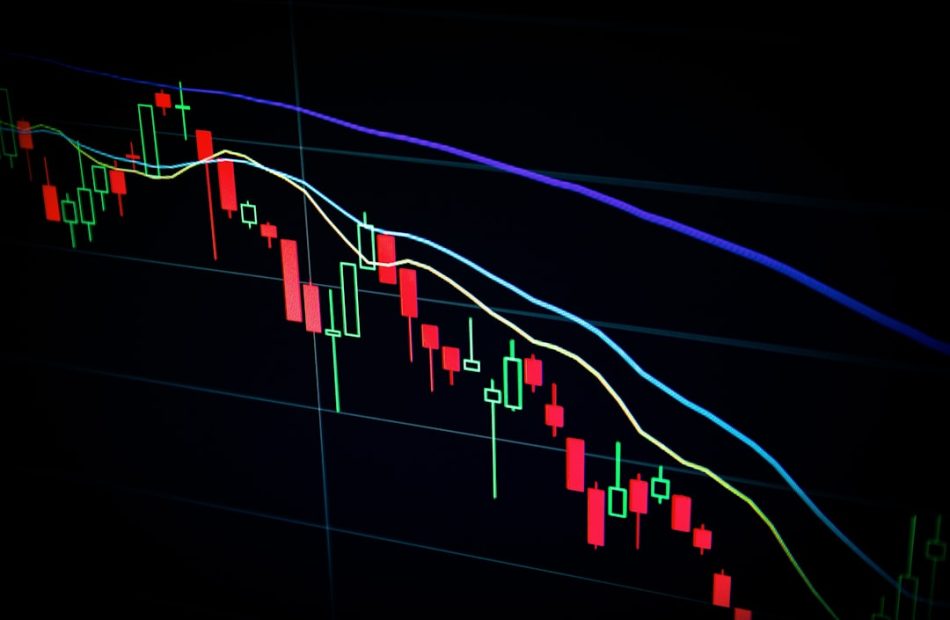
You’ve just taken a loss. It stings. Your screen glows red, and your mind races with thoughts of ‘getting it back.’ You click ‘Buy’ again, not because your analysis says so, but because your ego demands it. This is revenge trading—a psychological trap that has emptied more accounts than any market crash. In this post, we’ll uncover why it happens, how it wrecks your performance, and—most importantly—how to break the cycle.
What Is Revenge Trading?
Revenge trading is the act of immediately re-entering a trade after a loss, driven by emotion rather than strategy. It’s your brain’s way of trying to ‘right a wrong,’ but in the markets, there’s no justice—only probability. When you trade to recover losses, you abandon your edge, increase position sizes, and ignore risk rules. The result? A small loss becomes a catastrophic one.
The Psychology Behind the Trap
Revenge trading is rooted in loss aversion—a cognitive bias where losses feel twice as painful as gains feel pleasurable. This pain triggers a fight-or-flight response. Your amygdala (the emotional center of the brain) takes over, and your prefrontal cortex (responsible for logical decisions) goes offline. You’re not trading rationally; you’re fighting a ghost.
Another culprit is the ‘gambler’s fallacy’—the belief that after a series of losses, a win is ‘due.’ But markets have no memory of your losses. Each trade is an independent event, governed by your strategy’s probabilities, not your emotions.
How It Works: The Vicious Cycle
Here’s a typical revenge trading loop:
1. The Loss: You take a trade that fails, losing $200.
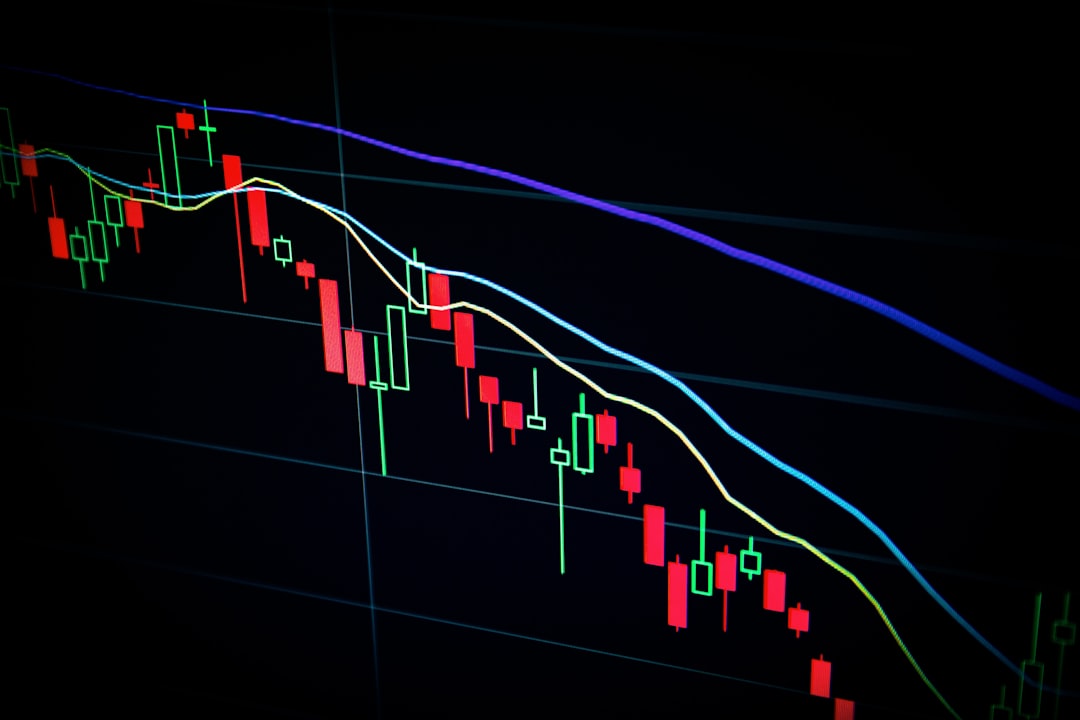
2. The Emotional Spike: You feel angry, frustrated, or anxious.
3. The Revenge Trade: You instantly re-enter, often with a bigger size to ‘win it back.’
4. The Second Loss: The market moves against you again, and now you’re down $500.
5. The Spiral: You repeat steps 2-4, turning a minor drawdown into a blown account.
This cycle is dangerous because it feels productive—you’re ‘doing something’—but it’s actually self-destructive. The more you lose, the more desperate you become, and the more reckless your trades.
The Setup: How to Recognize You’re About to Revenge Trade
Before you can break the habit, you need to spot the warning signs. Ask yourself:
- Am I entering a trade immediately after a loss?
- Am I increasing my position size to ‘make it back’?
- Am I trading a setup that doesn’t meet my usual criteria?
- Do I feel angry, anxious, or overly excited?
- Am I checking the charts obsessively?
If you answer ‘yes’ to any of these, you’re likely in revenge mode. The best setup is to step away from the screen. Literally. Close the laptop, take a walk, or do a breathing exercise. This breaks the emotional loop.
Risk Management: Your Shield Against Revenge
Strong risk management is your best defense. Here are practical rules to implement:
- Set a Daily Loss Limit: Decide in advance how much you’ll lose in a day. Once hit, you’re done. No exceptions. This forces you to stop before revenge kicks in.
- Use a ‘Cooling Off’ Period: After any loss, wait at least 30 minutes before your next trade. This gives your emotions time to settle.
- Trade Small: If you’re feeling emotional, reduce your position size to a fraction of your normal size. This limits the damage if you still act impulsively.
- Journal Every Trade: Write down your emotional state before each entry. Over time, you’ll see patterns that help you avoid revenge triggers.
- Focus on Process, Not Profit: Judge your success by how well you followed your strategy, not by the outcome of a single trade. This shifts your mindset from ‘winning’ to ‘performing.’
Conclusion
Revenge trading is a silent killer in the markets, but it’s not unbeatable. By understanding its psychological roots, recognizing the warning signs, and implementing strict risk management, you can protect your capital and your sanity. Remember, the market will always be there tomorrow. Your account won’t if you keep revenge trading. So next time you feel the urge to ‘get even,’ take a breath, step back, and remind yourself: the best trade is often the one you don’t take.
Stay disciplined, stay profitable.