
The Revenge Trade Trap: Why You Should Never Trade Angry
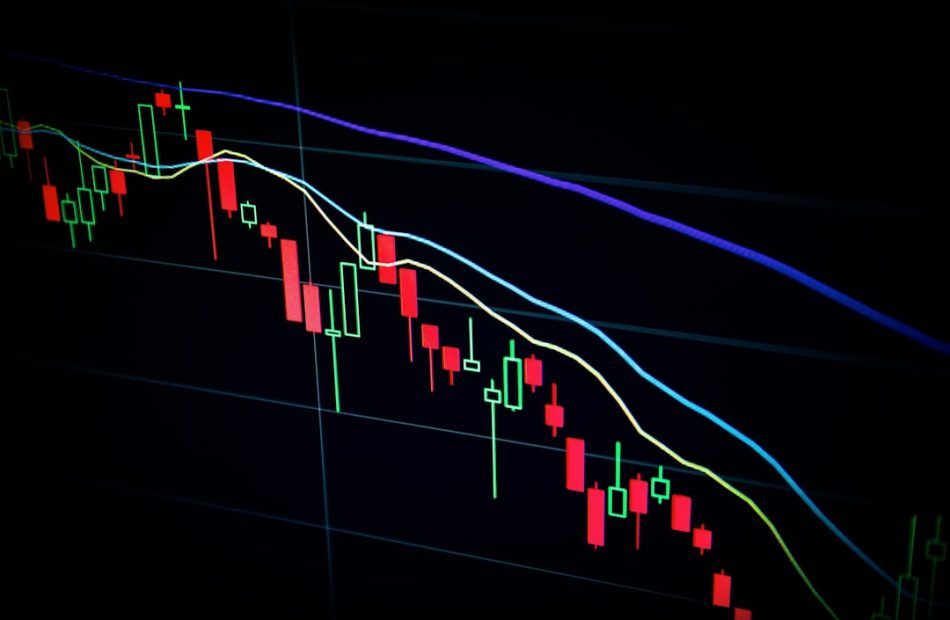
We’ve all been there. You take a trade, the market moves against you, and you watch your stop-loss get hit. Instead of stepping back, you feel a surge of anger. You double down, open a larger position, and try to ‘win back’ your losses immediately. This is revenge trading — and it’s one of the fastest ways to blow up your account.
What Is Revenge Trading?
Revenge trading is when you trade to get even with the market after a loss. It’s emotional, impulsive, and almost always leads to bigger losses. Your ego wants to prove the market wrong, but the market doesn’t care about your feelings.
How It Works
The cycle is predictable:
1. You take a loss (maybe because of a bad entry or unexpected news).
2. You feel frustrated, angry, or ashamed.
3. You immediately open a new trade — often larger than usual — to recover the lost money quickly.
4. The trade goes against you again (because you ignored your plan).
5. Your losses compound, and now you’re in a deeper hole.
The Setup for Revenge Trading
Revenge trading doesn’t happen in a vacuum. It usually follows:
- A string of losses (a losing streak)
- A single large loss that hurts your account
- A missed opportunity you feel you ‘should have’ taken
- A trade where you broke your own rules
Why It’s Dangerous
When you’re angry, your brain’s amygdala takes over. You lose the ability to think rationally. You skip your usual analysis, ignore risk management, and trade on impulse. This is the opposite of what a disciplined trader does.
Risk Management: Your Shield Against Revenge
The best way to stop revenge trading is to have a system that forces you to pause:
1. Set a Loss Limit
Decide before the day starts how much you’re willing to lose. Once you hit that limit, close the platform and walk away. No exceptions.
2. Use a ‘Cool-Off’ Rule
After any losing trade, wait at least 30 minutes before opening another trade. Use that time to journal, breathe, or step outside.
3. Trade Small
If you’re feeling emotional, drop your position size to 1% of your usual size. This lets you stay in the game without risking your account.
4. Keep a Revenge Log
Write down every time you feel the urge to revenge trade. Note what triggered it and what you did instead. Over time, you’ll spot patterns and break the habit.
Conclusion
Revenge trading is a psychological trap that every trader falls into at some point. The key is not to avoid losses — they’re part of trading — but to avoid letting losses control your next decision. The market will always be there tomorrow. Protect your capital, protect your mind, and trade with a clear head.
Remember: The best trade is the one you don’t take when you’re angry.