
The Revenge Trade: Why It’s the Fastest Way to Blow Up Your Account
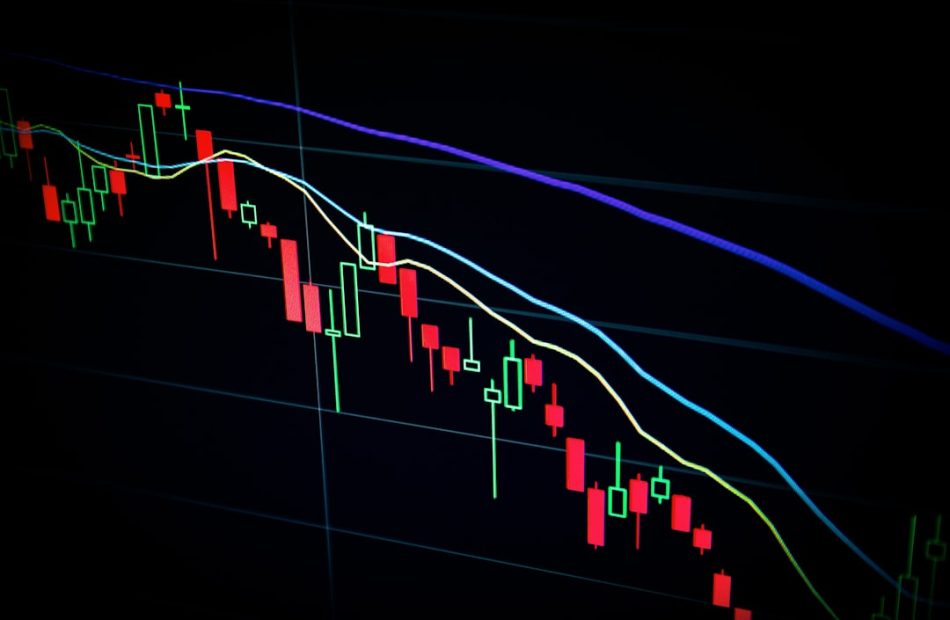
You just took a painful loss. Maybe you hesitated, the market reversed, or a stop-loss got hit by a sudden spike. Now, your heart is pounding. You feel angry, embarrassed, and desperate to get that money back—immediately. That feeling is the birthplace of the revenge trade: an impulsive, emotionally-driven entry taken purely to ‘get even.’ It’s one of the most dangerous psychological traps in trading, and it can destroy months of discipline in minutes.
How Revenge Trading Works
Revenge trading isn’t a strategy—it’s an emotional hijack. After a loss, your brain’s amygdala (the fear/anger center) overrides your prefrontal cortex (logic and planning). You abandon your rules, increase position size, and enter without a clear edge. The goal isn’t to execute a high-probability setup; it’s to punish the market. But the market doesn’t care about your feelings. It will likely punish you again.
The Revenge Cycle
1. Loss – You lose money on a trade (often due to a mistake or bad luck).
2. Emotion – Anger, frustration, and a desire for immediate retribution flood in.
3. Impulse – You jump into the next trade (or the same one) without analysis, often doubling down.
4. Outcome – Usually another loss, because you’re trading with fear and greed, not logic.
5. Repeat – The cycle deepens, leading to a tilted state and a blown account.
The Setup: What Revenge Trading Looks Like
You’ll know you’re about to revenge trade when you notice these red flags:
- Skipping your pre-trade checklist – You don’t check support/resistance, volume, or news.
- Increasing risk – You take a trade that’s larger than your normal position size.
- Chasing price – You enter after a big move, hoping it continues.
- Ignoring your stop-loss – You widen or remove it because you ‘know’ the trade will work.
- Trading immediately after a loss – No break, no walk, no reset.
How to Break the Cycle (Risk Management & Mindset)
1. Create a ‘Cool-Down’ Rule
After any losing trade, you must step away for at least 15–30 minutes. Close the charts. Go for a walk. Do something that doesn’t involve screens. This breaks the emotional loop and lets logic return.
2. Use a Hard Stop-Loss on Every Trade
Your stop-loss isn’t just for the market—it’s for your ego. If you refuse to remove it, you limit the damage from a revenge trade. Treat your stop-loss as sacred.
3. Pre-Determine Your Daily Loss Limit
Decide before the session opens how much you’re willing to lose. If you hit that number, you’re done for the day. No exceptions. This prevents a single bad trade from turning into a cascade of revenge trades.
4. Journal the Emotion
After every trade (win or loss), write down one sentence about how you felt. This builds self-awareness. When you see “anger” or “frustration” in your journal, you’ll learn to recognize the trigger before it controls you.
5. Focus on Process, Not P&L
Revenge trading happens when you’re obsessed with the dollar amount. Shift your focus to whether you followed your rules. A losing trade that followed your plan is a good trade. A winning trade that broke your rules is a bad trade.
Conclusion
Revenge trading is the ultimate test of emotional discipline. Every trader faces it—the pros just learn to recognize it and step away. The market will always have another opportunity tomorrow. Your account won’t survive if you let anger drive your decisions. Build the habit of walking away after a loss. That single action separates the survivors from the blown accounts. Stay disciplined, stay simple, and trade with clarity.