
The Revenge Trading Trap: Why You Seek Payback and How to Break Free
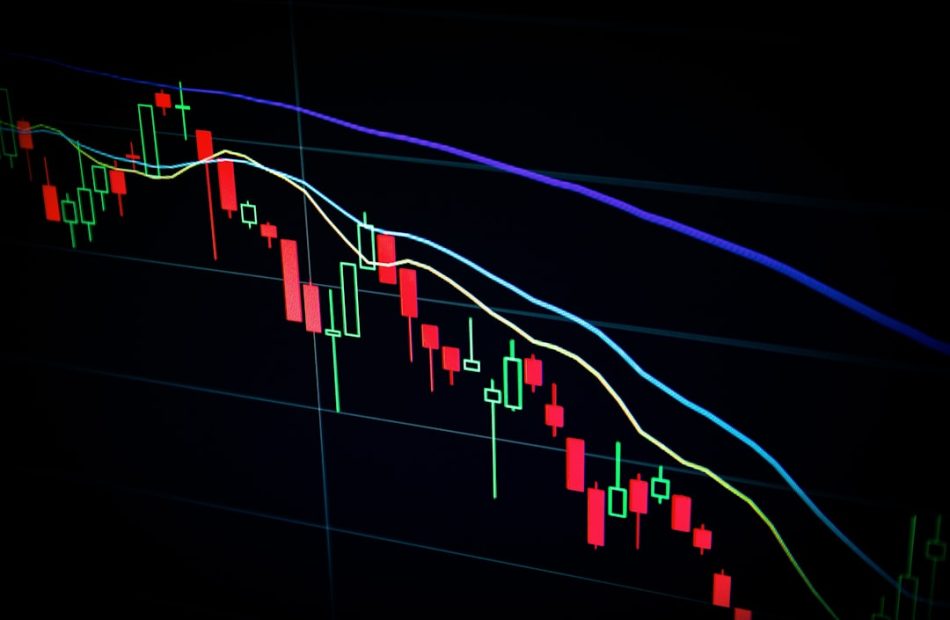
You just took a brutal loss. Maybe it was a sudden market dump, a bad entry, or a stop-loss that got hit by a whisker. Your stomach churns. Your palms sweat. A single thought screams in your mind: I need to get that money back. Right now.
Welcome to the most dangerous emotion in trading: the urge for revenge. Revenge trading isn’t just a bad habit—it’s a psychological trap that turns a single loss into a cascade of disasters. But here’s the good news: once you understand the psychology, you can build a fortress around your mind.
How It Works (The Emotional Cycle)
Revenge trading follows a predictable, destructive loop:
Looking for altcoin opportunities and smooth trading? Try KuCoin.
1. The Trigger: You lose money (or miss a big move).
2. The Emotion: Anger, frustration, or a bruised ego kicks in. You feel the market “owes” you.
3. The Action: You ignore your rules. You double your position size. You enter a trade without confirmation.
4. The Result: Usually another loss—often bigger than the first. The cycle repeats.

This isn’t about strategy failure. It’s about your brain’s ancient wiring. When you feel attacked, your amygdala (the fight-or-flight center) hijacks your prefrontal cortex (rational decision-making). You stop being a trader and become a gambler seeking payback.
The Setup (How to Spot the Trap Before You Fall)
Revenge trading doesn’t announce itself with a flashing red sign. But you can train yourself to recognize the warning signals:
- Physical Cues: Racing heart, clenched jaw, shallow breathing.
- Mental Cues: Thoughts like “I can’t believe I did that” or “The market is wrong.”
- Behavioral Cues: Opening charts outside your trading plan, increasing size, or trading a pair/asset you never usually touch.
Your setup checklist: Before you click “Buy” or “Sell,” ask yourself:
- Am I trading because of a signal or because of my last loss?
- Would I take this trade if I had just won 3 in a row?
- Is my position size within my normal risk parameters?
If the answer to any of these is “no,” step away. Close the screen. Go for a walk.
Risk Management (Your Psychological Safety Net)
Risk management isn’t just about stop-losses and position sizing. It’s about protecting your mind. Here are three rules to break the revenge cycle:
1. The 24-Hour Rule
After a significant loss, you are not allowed to trade the same instrument for 24 hours. Write it on a sticky note. Set an alarm. Your brain needs time to reset its emotional thermostat.
2. The Max Loss Limit
Define a daily loss limit before the market opens. For example: “If I lose 3% of my account, I stop trading for the day.” Treat it like a hard stop-loss. No exceptions. This prevents a single bad day from becoming a catastrophic week.
3. The Journal of Shame
Keep a trading journal, but not just for wins. After every revenge trade (or the urge to take one), write down:
- What triggered the feeling?
- What was your physical/emotional state?
- What did you do (or not do)?
- What could you do differently next time?
This externalizes the emotion. It turns a vague feeling into a concrete pattern you can fix.
Conclusion
Revenge trading is not a sign that you’re a bad trader. It’s a sign that you’re human. Every trader—from beginners to billionaires—has felt that sting of loss and the urge to fight back. The difference is that successful traders have built systems to outsmart their own emotions.
Start small. Next time you feel the revenge itch, don’t fight it—observe it. Name it. “Ah, there’s my revenge impulse.” Then close the chart and walk away. The market will be there tomorrow. Your account—and your sanity—will thank you.