
The Trader’s Secret Weapon: How a Trading Journal Can Transform Your Results
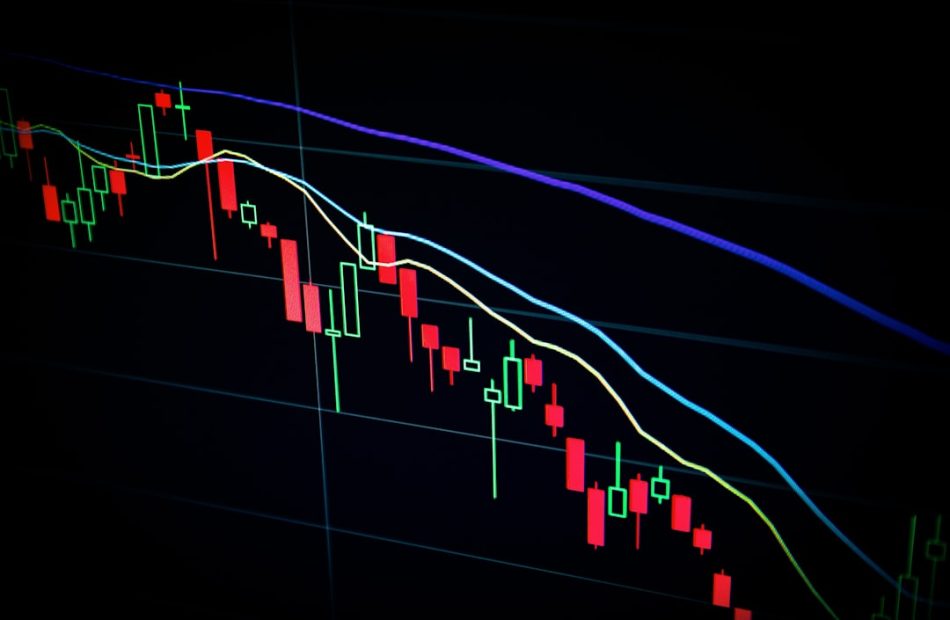
You’ve probably heard the phrase, ‘Those who fail to plan, plan to fail.’ In trading, this is doubly true. But there’s a difference between planning your trades and reviewing them. That’s where a trading journal comes in. Think of it as your personal GPS for the markets—it shows you where you’ve been, where you are, and helps you plot a better course forward. In this post, we’ll dive into the best practices for keeping a trading journal that actually works, not just a glorified list of wins and losses.
How It Works: More Than Just Numbers
A trading journal isn’t just a spreadsheet of your P&L. It’s a comprehensive record of your trading psychology, strategy execution, and market analysis. The goal is to turn your trading from a guessing game into a data-driven process. By documenting everything—the why, what, and how of each trade—you start to see patterns. Maybe you lose money on every trade you take after 3 PM. Or perhaps you’re overly aggressive after a big win. These insights are pure gold.
The Setup: What to Record
Here’s the core of your journal. For each trade, you should log:
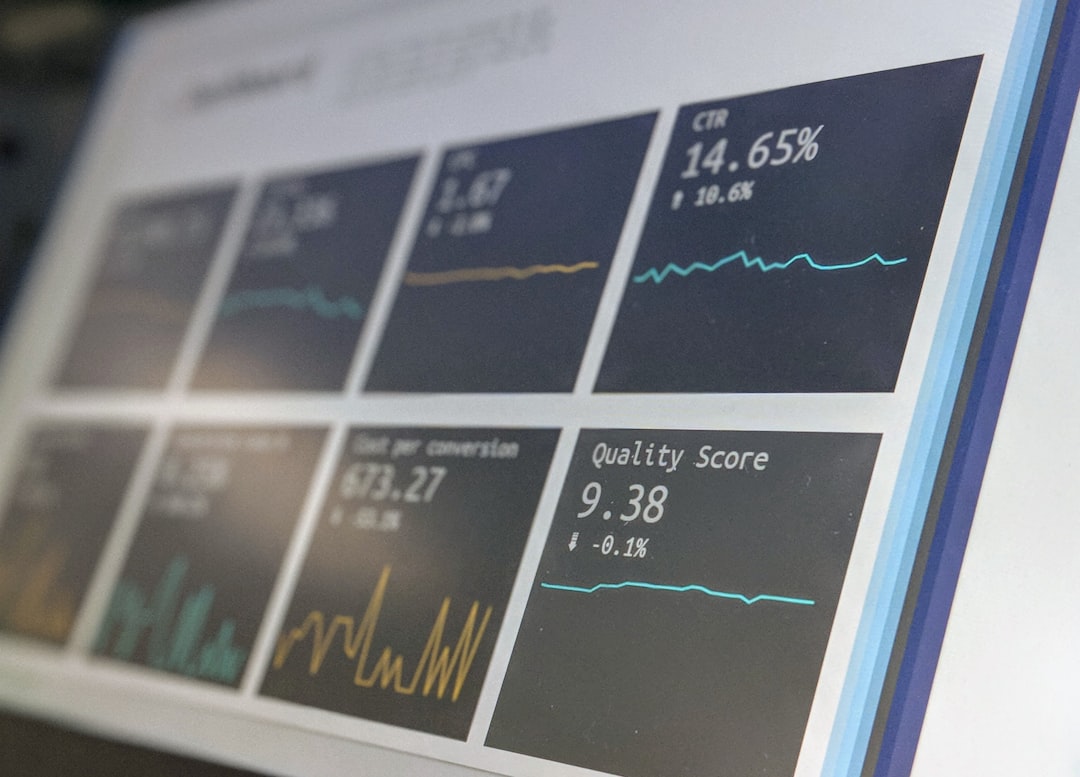
- The Basics: Date, time, pair/asset, direction (long/short), position size.
- The Setup: Which strategy were you using? (e.g., breakout, pullback, trend following). Include a screenshot of the chart.
- The Why: What was your thesis? Why did you enter? Be specific.
- The Execution: Entry price, stop loss, take profit, and the actual exit price. How did you manage the trade?
- The Emotions: How were you feeling before, during, and after the trade? Were you anxious, overconfident, fearful? This is crucial.
- The Outcome: What was the profit/loss in both absolute and percentage terms. Also, rate your execution (1-5) and your emotional control (1-5).
The Review: Your Weekly Ritual
A journal is useless if you never read it. Set aside 30-60 minutes each week to review your entries. Look for patterns and ask yourself:
- What worked? Which setups consistently produced profits?
- What didn’t? Which setups or times of day lead to losses?
- Did I follow my rules? If not, why? This is where you catch bad habits.
- How was my psychology? Did emotions influence any trades? What triggered those emotions?
Use this review to refine your strategy. Maybe you need to tighten your stop loss, or maybe you should only trade during high-liquidity hours. The journal gives you the evidence to make these decisions.
Risk Management: The Journal’s Best Friend
Your journal is also a powerful risk management tool. By tracking your win rate and average risk-to-reward ratio, you can calculate your expected value per trade. This tells you if your strategy is actually profitable in the long run, even if you have a losing streak. Also, journaling forces you to think about position sizing. If you notice you’re risking too much on any single trade, you can correct that before it blows up your account. Remember, protecting your capital is job #1.
Conclusion
Starting a trading journal might feel like a chore at first, but it’s one of the most impactful habits you can develop as a trader. It’s not about being perfect; it’s about being aware. By documenting your journey, you transform every trade—win or lose—into a lesson. So, open a notebook, create a spreadsheet, or use a journaling app. Start small, be consistent, and watch your trading evolve. Your future self will thank you.