
The Trader’s Secret Weapon: Mastering the Art of the Trading Journal
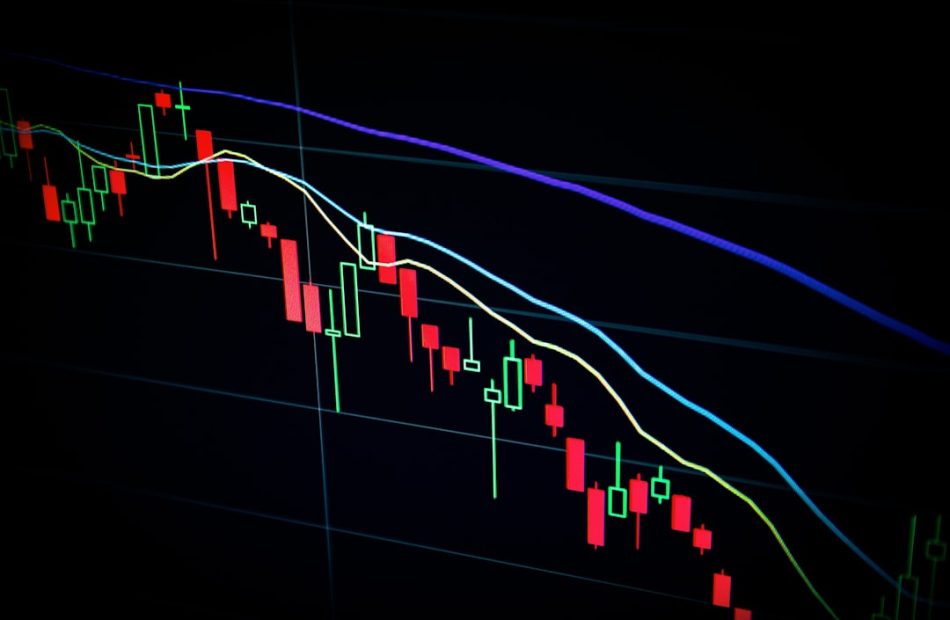
Imagine trying to navigate a ship across the ocean without a map or a logbook. You might get lucky, but more often than not, you’d be lost at sea. This is exactly what trading without a journal feels like. Your trading journal is your personal map and logbook, charting your course through the volatile waters of the market. It’s not just a record of your trades; it’s a mirror reflecting your decision-making process, revealing patterns, strengths, and weaknesses. In this guide, we’ll dive into the best practices for keeping a trading journal that will transform you from a hopeful gambler into a disciplined trader.
How it Works: The Core of Journaling
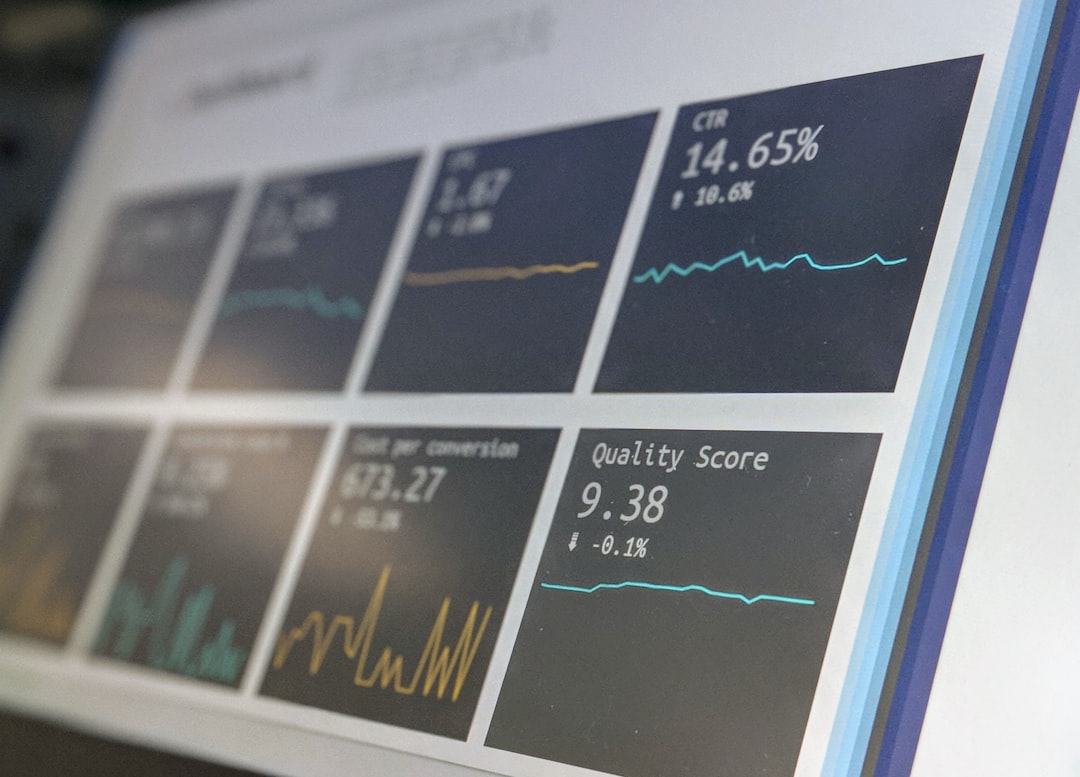
At its heart, a trading journal is a systematic record of every trade you make, but it goes far beyond just noting the entry and exit prices. It captures the ‘why’ behind each trade, the emotional state you were in, and the strategy you were following. This data becomes your personal dataset, allowing you to analyze your performance with the precision of a scientist. By reviewing this data regularly, you can identify what’s working and what’s not, turning your trading into a continuous feedback loop of improvement.
The Setup: What to Record
To get the most out of your journal, you need to record more than just the basics. Here’s a checklist of essential fields for every trade:
- Date and Time: When did you enter and exit? This helps you spot time-based patterns.
- Market and Instrument: What did you trade? (e.g., BTC/USD, ETH/USDT)
- Trade Direction: Long or short?
- Entry and Exit Prices: The exact numbers.
- Position Size: How much capital did you risk?
- Stop Loss and Take Profit Levels: Where were they, and were they hit?
- Strategy Used: Which trading strategy did you employ? (e.g., breakout, trend-following)
- The ‘Why’: What was your rationale for taking this trade? What did you see in the market?
- Emotional State: Were you feeling confident, anxious, or FOMO? Honesty here is crucial.
- Screenshots: Include a chart snapshot to visually revisit the setup.
- Lessons Learned: What did this trade teach you?
Risk Management: The Journal’s Safety Net
Your trading journal is an indispensable tool for risk management. By reviewing your past trades, you can calculate your win rate, average risk-to-reward ratio, and maximum drawdown. This data helps you size your positions appropriately and avoid over-leveraging. For example, if your journal reveals that your win rate is 40% but your average winner is three times your average loser, you know your system has a positive expectancy. This knowledge empowers you to stick to your plan even during losing streaks. Your journal also holds you accountable, forcing you to confront mistakes like revenge trading or moving your stop loss prematurely. When you see these errors documented in black and white, it becomes much harder to repeat them.
Conclusion
Your trading journal is not a chore; it’s your most valuable ally on the path to consistency. It turns the chaotic, emotional world of trading into a structured, analytical process. Start small – even a simple spreadsheet or a dedicated journaling app can make a huge difference. The key is consistency and honesty. Commit to recording every trade, reviewing your journal weekly, and adjusting your strategies based on the data. Over time, you’ll not only improve your trading performance but also develop the discipline and self-awareness that separates successful traders from the rest. So, are you ready to start documenting your journey? Your future self will thank you.