
The Trader’s Secret Weapon: Mastering the Art of the Trading Journal
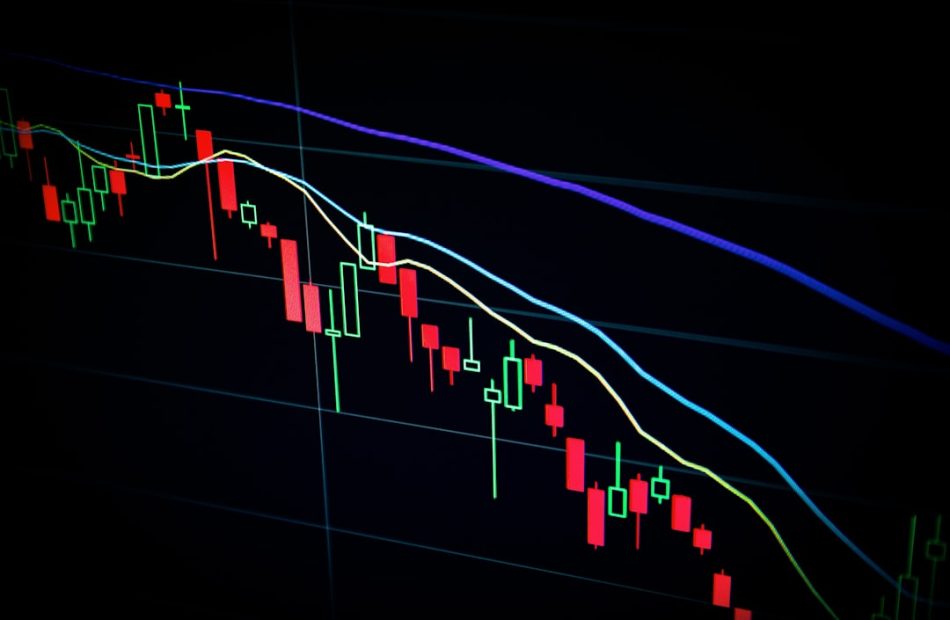
Imagine trying to navigate a ship through a storm without a compass, a map, or even a log of where you’ve been. That’s what trading without a journal feels like. You’re making decisions based on gut feelings and fleeting memories, repeating the same mistakes over and over. But with a simple, consistent practice, you can transform your trading from chaotic guesswork into a data-driven, continuously improving system. This isn’t about writing down your trades to feel organized—it’s about unlocking the patterns that lead to consistent profitability.
How it Works: More Than Just a Log
A trading journal is your personal data goldmine. It’s not just a list of buy and sell prices; it’s a comprehensive record of your trading decisions, your emotions, and your market observations. The magic happens when you start to analyze this data. You’ll begin to see trends: Are you more profitable on certain days? Do you make impulsive decisions after a loss? Which setups actually work for you? This information is invaluable.
The Setup: What to Record (The ‘Gold Standard’)
To get the most out of your journal, you need to capture the right information. Here’s a template to get you started:
- The Basics: Date, time, instrument (e.g., BTC/USD), and whether it’s a long or short position.
- The Setup: What was your trading plan? Did you use a specific strategy (e.g., breakout, trend-following)? What were your entry and exit criteria?
- The Execution: What price did you enter at? What price did you exit at? What was your position size? What were your stop-loss and take-profit levels?
- The Screenshots: Always take a screenshot of the chart at entry and exit. This helps you visually review your decisions later.
- The Emotional State: This is crucial. Were you feeling confident, anxious, or FOMO-driven? Rate your emotional state on a scale of 1-10. This helps you identify when your emotions are hijacking your logic.
- The Review: After the trade, write a brief summary. What went well? What would you do differently? This is your self-reflection space.
The Strategy Explained: From Data to Insights
Your journal is only as good as your analysis. Once a week, set aside time to review your entries. Look for patterns:
- Winning vs. Losing Trades: What do your winning trades have in common? What about your losing trades? Often, you’ll find that your best trades follow a specific setup, while your losses come from breaking your rules.
- Emotional Correlation: Are you more likely to make a losing trade when you’re feeling anxious or overconfident? This is a powerful insight.
- Time of Day: Are you more profitable at certain times? Maybe you trade better in the morning vs. late at night.
By identifying these patterns, you can start to trade with an edge. You’ll know that when a certain condition is met, you have a higher probability of success. You’ll also learn to avoid the situations that tend to lead to losses.
Risk Management: The Journal’s Best Friend
Your journal is a powerful risk management tool. Here’s how:
- Position Sizing: Use your journal to track the performance of different position sizes. You’ll find the sweet spot that balances risk and reward.
- Stop-Loss Discipline: Review your losing trades. Did you always stick to your stop-loss? If not, your journal will show you exactly where you’re breaking your own rules.
- Risk-Reward Tracking: Calculate the average risk-reward ratio of your trades. This helps you ensure that your winners are big enough to cover your losers.
Your journal isn’t just about what happened; it’s about making sure you’re following the risk management rules that keep you in the game for the long haul.
Conclusion
A trading journal is not a chore; it’s your personal trading coach. It’s the tool that separates the professionals from the amateurs. By consistently recording and analyzing your trades, you transform your trading from a guessing game into a disciplined, data-driven process. Start small. Just commit to filling out a simple table after each trade. The insights you gain will be the catalyst for your growth as a trader. Your past trades hold the keys to your future success—start unlocking them today.