
The Trader’s Secret Weapon: Mastering Your Trading Journal
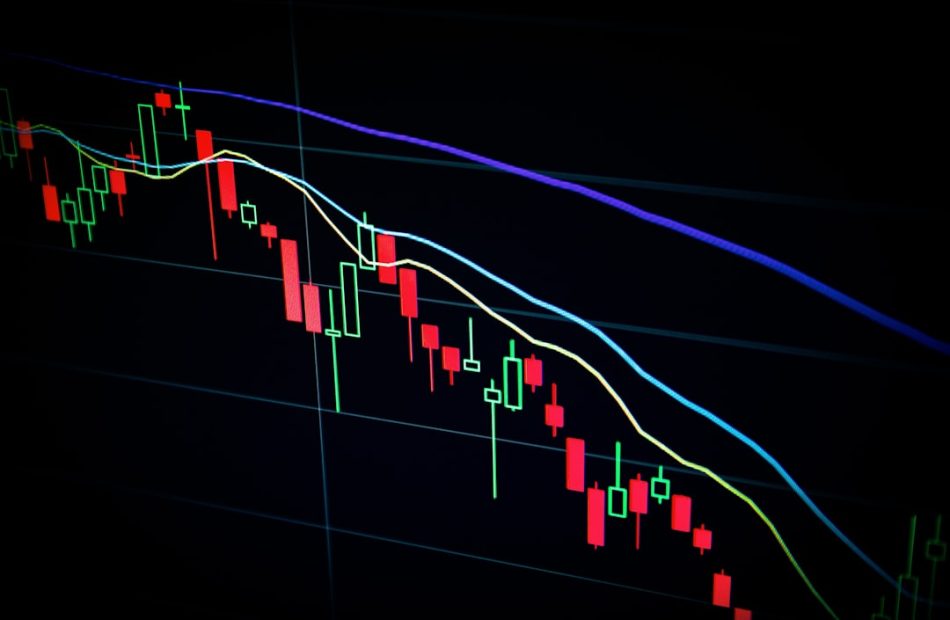
Imagine going to the gym, lifting weights, but never tracking how much you lift or which exercises you do. You’d be guessing, not training. Trading is no different. Your trading journal is your gym log—it’s the difference between random activity and deliberate practice. In this post, we’ll break down the best practices for keeping a trading journal that actually improves your bottom line.
How It Works
A trading journal is more than just a record of wins and losses. It’s a tool for self-discovery. By systematically recording your trades, you uncover patterns in your decision-making—both good and bad. You’ll start to see which setups you excel at, which times of day you trade best, and which emotional states lead to mistakes. The goal is to turn your trading from a guessing game into a science.
The Setup
So, what should you record? Here’s a checklist that goes beyond the basics:
1. The Basics: Date, pair/stock, direction (long/short), entry price, exit price, position size, and profit/loss.

2. The Setup: What strategy were you using? (e.g., breakout, pullback, trend following) Was it a high-probability setup or a spur-of-the-moment trade?
3. The Why: Why did you enter this trade? Write down your reasoning in one or two sentences. This forces you to be clear about your edge.
4. The Emotion: How were you feeling before, during, and after the trade? Were you confident, anxious, revengeful, or bored? Emotions are a huge driver of trading decisions.
5. The Screenshot: Include a chart screenshot with your entry and exit marked. This is worth a thousand words.
6. The Grade: After the trade, grade yourself (A-F) on how well you followed your plan, not just on the outcome. A losing trade can be an ‘A’ if you followed the rules.
Risk Management
Your journal is your risk management ally. Review it weekly to identify your biggest leaks. Are you risking too much on certain setups? Are you moving your stop loss too early? Use your journal to calculate your average risk per trade and your win rate. This data tells you if your system is viable. If your average loss is larger than your average win, you need to adjust. Also, track your maximum drawdown—your journal will show you when you’re on a losing streak, which is the time to reduce size or stop trading altogether.
Conclusion
A trading journal is not optional—it’s essential. It’s the mirror that shows you your true trading self. Start simple: a spreadsheet or a dedicated app. The key is consistency. Review your journal at least once a week and look for patterns. Over time, you’ll transform from a gambler into a professional. Remember: the market will teach you lessons—your journal ensures you actually learn them. Now go create your journal and take your trading to the next level!