
Tokenizing the World: How Real World Assets (RWA) Are Changing Crypto Trading
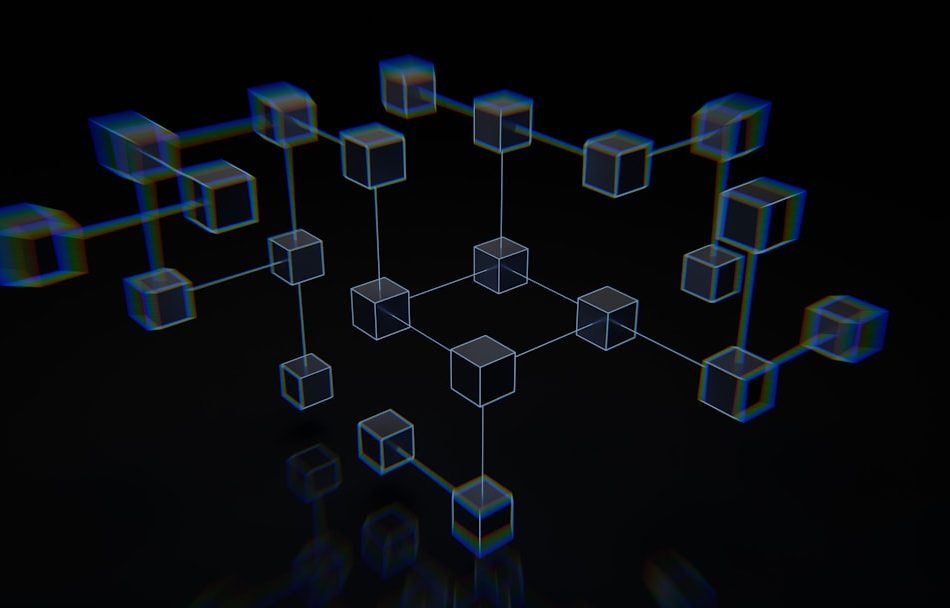
Imagine buying a share of a luxury apartment building in New York or a government bond from Japan—without leaving your couch, using your crypto wallet. That’s the promise of Real World Assets (RWA) tokenization. In simple terms, it’s the process of turning physical or traditional financial assets (like real estate, bonds, commodities, or even fine art) into digital tokens on a blockchain. For traders, this opens up a whole new universe of opportunities. In this post, we’ll break down what RWA tokenization is, how you can trade it, and the risks you need to manage.
How It Works
RWA tokenization works by creating a digital representation of a real asset on a blockchain. Here’s the simplified process:
1. Asset Selection: A real-world asset is chosen—say, a commercial building or a portfolio of invoices.
2. Legal Structuring: The asset is placed into a legal entity (like a special purpose vehicle) to ensure ownership rights are clear.
3. Tokenization: The entity issues digital tokens that represent fractional ownership of the asset. Each token gives the holder a claim on a portion of the asset’s value and any income it generates (like rent or interest).
4. Trading: These tokens are listed on crypto exchanges, where they can be bought and sold just like any other cryptocurrency.
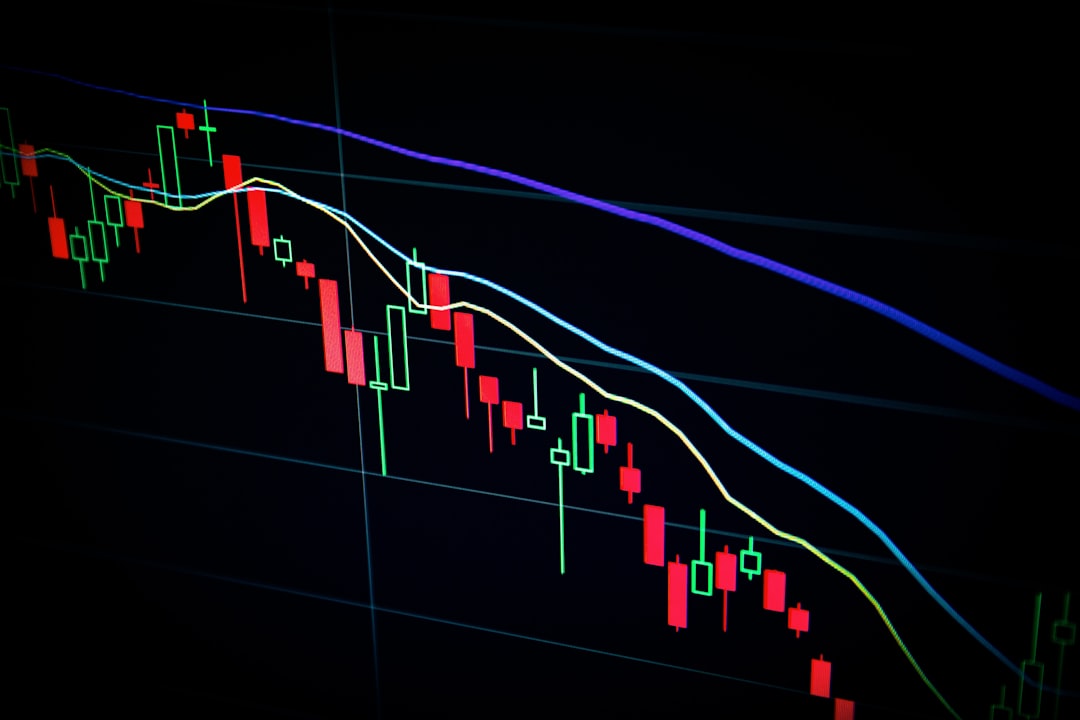
For traders, this means you can gain exposure to traditional assets without the usual barriers like high minimum investments, geographical restrictions, or complex legal paperwork.
The Setup: Identifying RWA Trading Opportunities
RWA tokens come in various forms. Here are a few categories to watch:
- Stablecoin-like RWAs: These are tokens backed by cash or short-term bonds (e.g., US Treasury bills). They aim to hold a stable value and offer yields. Examples include tokens from platforms like Ondo Finance or Maple Finance.
- Real Estate Tokens: Represent shares in property. Prices may fluctuate with property values and rental income.
- Commodity Tokens: Tokenized gold, silver, or oil. These track the underlying commodity’s price.
- Credit and Debt Tokens: Represent loans or invoices, offering interest payments.
When looking for trading opportunities, focus on:
- Liquidity: Check the trading volume on exchanges. Low liquidity can mean wide spreads and difficulty exiting positions.
- Yield vs. Price: Some RWA tokens offer regular interest (yield), while others rely on price appreciation. Know which you’re getting.
- Regulatory Clarity: Projects with clear legal frameworks are safer. Avoid those with ambiguous ownership rights.
- Market Sentiment: Watch for news about institutional adoption or regulatory changes—these can spike or crash RWA token prices.
A simple setup for a trader might be:
1. Research: Find an RWA token with strong fundamentals (e.g., backed by real cash flows).
2. Entry: Buy when the token is undervalued relative to its asset’s net value (similar to price-to-book analysis).
3. Exit: Sell when the token trades at a premium or when the underlying asset’s value declines.
Risk Management
Trading RWA tokens carries unique risks:
- Liquidity Risk: Some RWA tokens are illiquid. You might not be able to sell quickly without losing value.
- Smart Contract Risk: Bugs in the token’s code could lead to loss of funds. Always use audited projects.
- Regulatory Risk: Governments may change rules on tokenized assets, affecting their legality or tax treatment.
- Underlying Asset Risk: The real-world asset can decline in value (e.g., property market crash or bond default).
To manage these risks:
- Position Sizing: Never allocate more than 10-20% of your portfolio to RWA tokens.
- Diversify: Spread across different asset types (real estate, bonds, commodities) to avoid concentration.
- Set Stop-Losses: Even if the token is stable, use stops to protect against sudden market moves.
- Stay Informed: Follow legal updates and project announcements. If a project loses its license, get out fast.
Conclusion
RWA tokenization is one of the most exciting developments in crypto, bridging the gap between traditional finance and decentralized trading. For beginners, it offers a low-barrier way to diversify into real-world assets. For intermediate traders, it opens new arbitrage and yield opportunities. But like any trading, it requires discipline. Start small, research thoroughly, and always have an exit plan. The world is being tokenized—are you ready to trade it?
Disclaimer: This article is for educational purposes only and not financial advice. Always do your own research before investing.