
Why Revenge Trading Is Your Worst Enemy (And How to Stop)
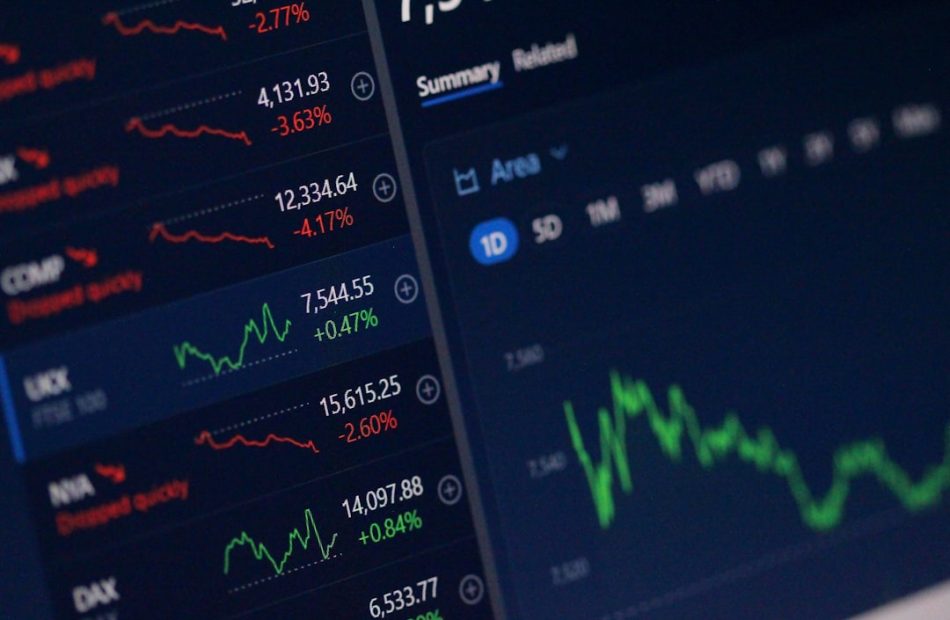
You just took a loss. It stings. Your first instinct is to jump back in and win it all back—right now. That feeling is the siren call of revenge trading, and it’s one of the fastest ways to blow up your account. Let’s break down what it is, why it’s so dangerous, and how you can escape its grip.
What Is Revenge Trading?
Revenge trading is when you enter a trade not because of a solid setup, but because you’re angry, frustrated, or desperate after a loss. You want to “get even” with the market. The problem? The market doesn’t care about your feelings. It will punish you again—harder.
Why It’s So Tempting
Losses trigger an emotional response. Your brain releases stress hormones, and your ego screams, “You were right!” So you override your rules, increase your position size, and chase a trade that isn’t there. This is classic cognitive bias in action—specifically the “sunk cost fallacy” and “loss aversion.”
How to Spot Revenge Trading
Look for these red flags in your own behavior:

- You enter a trade immediately after a loss, without waiting for a setup.
- You double or triple your normal position size.
- You ignore your stop-loss or move it wider.
- You feel a knot in your stomach or a rush of anger.
The Simple Setup to Stop It
Here’s a concrete strategy to break the cycle:
1. The 15-Minute Rule: After any loss, step away from your screen for at least 15 minutes. Go walk, drink water, or breathe. This resets your emotional state.
2. The Trade Journal Pause: Before your next trade, write down one sentence: “Why am I taking this trade?” If the answer isn’t a clear, pre-defined setup, don’t enter.
3. Risk a Maximum of 1%: Never risk more than 1% of your account on a single trade, especially after a loss. This caps the damage and keeps you alive.
Risk Management: Your Shield
Risk management isn’t just about stop-losses—it’s about managing your mind. Set a daily loss limit (e.g., 3% of your account). If you hit it, you’re done for the day. No exceptions. This protects you from revenge trading because you physically can’t trade anymore.
Also, use position sizing that makes every loss feel small. If losing a trade makes you anxious, your position is too big. Scale down until you can take a loss without flinching.
The Bottom Line
Revenge trading is a psychological trap, not a strategy. The market will always be there tomorrow. By taking a break, journaling your emotions, and enforcing strict risk limits, you turn a losing habit into a disciplined edge. Remember: the best revenge is a healthy, growing account.