
Using Etherscan: Tracking Whales and Verifying Transactions – The Ultimate Guide
Etherscan is the leading blockchain explorer for Ethereum, providing a transparent window into all on-chain activity. Whether you’re a retail investor or a seasoned trader, mastering Etherscan allows you to track whale movements, verify transactions, and make informed decisions. This guide covers everything you need to know to use Etherscan like a pro.
Key Concepts
- Blockchain Explorer: A search engine for the blockchain. Etherscan lets you look up transactions, addresses, tokens, and smart contracts on Ethereum.
- Whale Tracking: Large holders (whales) can move markets. By monitoring their wallets, you can spot accumulation, distribution, or potential dumps early.
- Transaction Verification: Confirm that a transaction was sent, received, and confirmed. Check status, gas fees, block number, and more.
- Token Transfers: View ERC-20 token movements, including which tokens are being transferred and to whom.
- Internal Transactions: Also known as ‘internal TXs,’ these are calls made by smart contracts. Useful for tracking DeFi interactions.
- Contract Interaction: See which smart contracts an address has interacted with, revealing DeFi usage or potential scams.
Pro Tips
- Use the ‘Watch List’ feature: Add whale addresses to your watch list to get notified of large transactions.
- Filter by value: On the token transfer page, use the ‘Value’ filter to only show transactions above a certain amount (e.g., $100,000).
- Check the ‘From’ and ‘To’ fields: Look for known exchange wallets (e.g., Binance, Coinbase) to see if whales are moving funds to or from exchanges.
- Use the ‘Advanced Filter’ for internal transactions: This helps track complex DeFi movements like flash loans or yield farming.
- Bookmark the ‘Top Accounts’ page: Etherscan lists the richest Ethereum addresses. Monitor these for whale activity.
FAQ
What is Etherscan used for?
Etherscan is used to explore the Ethereum blockchain, verify transactions, track wallet balances, monitor smart contracts, and analyze on-chain data.
How do I track a whale on Etherscan?
Find the whale’s wallet address (often shared on social media or analytics sites), paste it into Etherscan’s search bar, and use the ‘Token Transfers’ or ‘Transactions’ tabs to see their activity. You can also add the address to your watch list for alerts.
Can I verify a transaction on Etherscan?
Yes. Enter the transaction hash (TXID) into the search bar. You’ll see the status (Success, Pending, or Failed), block number, timestamp, gas used, and the exact amount transferred.
Is Etherscan free?
Yes, Etherscan is free to use for basic exploration. Advanced features like API access or custom alerts may require a paid plan.
How do I spot a scam transaction on Etherscan?
Look for unusual contract interactions, unknown tokens being sent to your wallet (dusting attacks), or transactions with extremely high gas fees. Always verify the contract address before interacting.
Conclusion
Etherscan is an indispensable tool for anyone serious about crypto. By learning to track whales and verify transactions, you gain a significant edge in the market. Start small—explore a few whale wallets, set up alerts, and soon you’ll be reading on-chain data like a pro. For more details on this, check out our guide on What is Impermanent Loss? Liquidity Providing Explained. You might also be interested in reading about The 1% Rule: Your Safety Net in the Crypto Markets.
SWIFT Blockchain Payments Explained: How Tokenized Deposits Enable 24/7 Global Banking
Did you know that traditional cross-border payments can take 1-5 business days to settle, and completely stop processing on weekends and holidays? This frustrating limitation affects millions of international transactions daily. The Society for Worldwide Interbank Financial Telecommunication (SWIFT) has just launched a blockchain-based ledger system to solve this problem, bringing 24/7 cross-border payments to the global banking system. For crypto users and banking customers, this development bridges the gap between traditional finance and blockchain technology—and 17 major banks are already piloting it. This guide explains how SWIFT’s new tokenized deposit system works in plain language, why it matters for your international transactions, and how it could reshape global payments.
Read time: 8-10 minutes
Understanding Tokenized Deposits for Beginners
A tokenized deposit is a digital representation of traditional bank money that can move on a blockchain ledger. Think of it like converting a paper dollar bill into a digital token—it represents the same value, but now it can travel instantly and programmatically across the internet.
Why was this created? Traditional banking systems have a fundamental problem: settlement only happens during banking hours on business days. A payment initiated Friday evening won’t settle until Monday morning (or Tuesday if there’s a holiday). This creates delays, liquidity inefficiencies, and extra costs for banks and their customers.
The real-world example is simple: When you send $100 from a US bank account to someone in Europe on a Saturday, the money is technically “pending” until Monday when SWIFT’s messaging system can process it. With tokenized deposits on SWIFT’s new blockchain ledger, that same transaction could settle in seconds—anytime, any day.
SWIFT’s blockchain ledger is the shared infrastructure where these tokenized deposits live and move. It’s not a public blockchain like Bitcoin or Ethereum—it’s a permissioned network controlled by SWIFT and its member banks, designed for security and regulatory compliance.
The Technical Details: How SWIFT’s Blockchain Ledger Actually Works
SWIFT’s new system uses a blockchain-based infrastructure that connects participating banks’ internal systems. Here are the key components:
1. Tokenized Deposit Creation: Each participating bank creates digital tokens on SWIFT’s ledger that represent actual deposits in their system. One token equals one unit of fiat currency (e.g., 1 US dollar token).
2. Blockchain Messaging Layer: SWIFT uses its established messaging standards but routes them through a blockchain network instead of traditional centralized systems. This enables real-time validation and settlement.
3. Interbank Settlement: When Bank A wants to send money to Bank B, it transfers ownership of tokens on the ledger. The blockchain verifies Bank A has sufficient tokens, then updates the ledger to show Bank B now owns them.
4. Integration with Internal Systems: Banks connect their existing core banking systems to SWIFT’s ledger through APIs. This allows tokenized deposits to move seamlessly between the blockchain layer and traditional bank accounts.
5. Compliance and Security Layer: The system maintains SWIFT’s existing compliance standards, including anti-money laundering (AML) and know-your-customer (KYC) checks. All transactions remain private between participating banks.
Flow diagram suggestion: A visual showing the journey from “User sends payment” → “Bank A creates token” → “Blockchain validates” → “Bank B receives token” → “User’s account credited”
Why this structure matters for users: You don’t need to manage crypto wallets or understand blockchain technology. Your bank handles everything behind the scenes. You’ll just notice that international transfers happen faster—potentially instantly, even on weekends.
Current Market Context: Why This Matters Now
As of July 2026, SWIFT’s blockchain ledger has progressed from proof of concept to active pilot in just nine months—an incredibly fast timeline for a project involving 17 major banks across six continents. The pilot participants include global heavyweights: BNP Paribas, Citi, HSBC, Itaú Unibanco, Lloyds Bank, MUFG Bank, Standard Chartered, UBS, and Wells Fargo.
This development is significant because SWIFT processes over $5 trillion in daily payments across 11,000+ financial institutions worldwide. Even a small improvement in efficiency can save billions annually. The pilot represents the first time tokenized deposits will move through the main SWIFT network, which has traditionally been a messaging system, not a settlement system.
Thierry Chilosi, Chief Business Officer at SWIFT, emphasized that the blockchain system enables tokenized value “to move across borders with the velocity and flexibility modern commerce expects, while maintaining the same high levels of resiliency, security, and compliance global finance requires.”
The timing aligns with growing competition. China’s mBridge project, a blockchain-based cross-border payment network under Chinese leadership, has been preparing for commercial rollout through a Hong Kong-based entity. SWIFT’s move positions it to maintain its dominant role in global payments while adopting blockchain technology.
Competitive Landscape: How SWIFT Compares to Alternatives
Here’s how SWIFT’s new blockchain ledger compares to existing and emerging cross-border payment systems:
| Feature | SWIFT’s Blockchain Ledger | Traditional SWIFT | Ripple (XRP) | China’s mBridge |
|---|---|---|---|---|
| Settlement Time | Near-instant (24/7) | 1-5 business days | 3-5 seconds | Near-instant |
| Technology | Permissioned blockchain | Centralized messaging | Public blockchain (XRP Ledger) | Permissioned blockchain |
| Regulatory Compliance | Inherits SWIFT’s existing compliance framework | Full compliance with global standards | Varies by jurisdiction | Under Chinese regulatory framework |
| Bank Participation | 17 banks in pilot, expanding to 30+ full network | 11,000+ institutions | 100+ banks in RippleNet | Central banks and commercial banks |
| Currency Support | All fiat currencies through tokenized deposits | All fiat currencies | XRP as bridge currency, limited fiat pairs | Limited to participating central bank currencies |
| Post-Quantum Security | Not yet addressed | Not applicable (not blockchain) | Planning upgrades | Not yet addressed |
Why this matters for users: SWIFT’s advantage is its existing global reach and established trust with regulators and banks. Newer systems may be faster technologically, but SWIFT can deploy its blockchain solution across 11,000+ institutions without rebuilding relationships or compliance frameworks.
Practical Applications: Real-World Use Cases
How will SWIFT’s blockchain ledger affect everyday banking?
- Weekend International Transfers: Send money to family abroad on Saturday evening—it arrives in their account Sunday morning instead of Monday. This benefits the 40+ million people who regularly send remittances.
- Corporate Treasury Management: Multinational corporations can move funds between subsidiaries across time zones without waiting for banking hours, improving cash flow and reducing borrowing costs.
- Trade Finance Acceleration: Importers and exporters can settle payments instantly when goods arrive at ports, reducing the days-long gap between delivery and payment that creates working capital strain.
- Liquidity Optimization: Correspondent banks can reduce the idle funds they must hold to cover overnight and weekend imbalances, freeing capital for lending and investment.
- Programmable Money Foundation: Once tokenized deposits exist on SWIFT’s ledger, the system can enable smart contract features—like automatic payment release when conditions are met (e.g., goods delivered, insurance claim approved).
Risk Analysis: Expert Perspective
Primary Risks:
1. Technical Implementation Challenges: Integrating blockchain technology with thousands of legacy banking systems is complex. Any bugs or outages could disrupt global payments.
2. Competitive Pressure: China’s mBridge and other blockchain-based alternatives may gain adoption before SWIFT’s solution scales, particularly in regions where SWIFT faces political resistance.
3. Regulatory Fragmentation: Different countries have different rules for tokenized deposits, stablecoins, and blockchain-based settlement. SWIFT must navigate this patchwork while maintaining global standards.
4. Cybersecurity Threats: A permissioned blockchain is more secure than public alternatives, but centralization creates a single point of attack. A breach of SWIFT’s network could affect all participating banks.
Mitigation Strategies:
- Phased Rollout: SWIFT started with 17 banks in a controlled pilot before expanding. This allows for testing and iteration.
- Existing Compliance Framework: SWIFT already handles sensitive financial data and has robust security protocols. The blockchain adds a new layer but leverages existing expertise.
- Interoperability Focus: SWIFT is designing its ledger to work alongside traditional systems, not replace them overnight.
Expert Consensus: Most analysts view this as a positive but cautious step. The technology works, but scaling adoption across thousands of banks, each with their own regulatory requirements, will take years—not months.
Beginner’s Corner: Quick Start Guide
How will this affect you as a banking customer?
1. Check if your bank participates: Look for announcements from your bank about 24/7 international payment availability. Major banks in the pilot include Citi, HSBC, and Wells Fargo.
2. Understand fee implications: Faster settlement may change fee structures. Some banks may reduce fees for instant transfers, while others may add premiums for weekend processing.
3. Verify supported currencies: Early adoption will likely focus on major currencies (USD, EUR, GBP, JPY). Less common currency pairs may take longer to support.
4. Monitor for notification: Your bank will likely send messages when new payment timelines become available. Look for terms like “instant international transfer” or “24/7 cross-border payments.”
5. Test with small amounts first: When the feature becomes available, send a small test payment before moving larger sums.
Common Mistakes to Avoid:
- Don’t assume all banks offer this immediately—pilot expansion takes time.
- Don’t expect cryptocurrency-level speeds for all currencies initially.
- Don’t ignore potential fees—instant settlement may cost more than standard processing.
Security Note: Your bank handles all security. You don’t need to manage private keys or crypto wallets. Standard account protections (two-factor authentication, fraud monitoring) still apply.
Future Outlook: What’s Next
SWIFT’s blockchain ledger is in its early stages, but the roadmap suggests significant expansion:
1. Pilot Expansion (Late 2026): The 17-bank pilot will expand to include the full consortium of 30+ banks that initially agreed to participate. Additional banks from emerging markets are expected to join.
2. Programmable Money Integration: SWIFT’s Chief Business Officer hinted at “programmable money and agentic payments” as future capabilities. This could enable automated international payroll, supply chain payments, and insurance settlements.
3. Regulatory Framework Development: As tokenized deposits gain traction, central banks and regulators (including the EU under MiCA and US regulators) may develop specific rules for bank-issued digital currencies on permissioned ledgers.
4. Competitive Pressure Response: As China’s mBridge and other alternatives develop, SWIFT will need to accelerate its blockchain adoption to maintain its dominant position in global payments.
The timeline for full commercial deployment across all SWIFT member banks is expected to take 2-4 years, given the scale of integration required. However, the nine-month development cycle from proof of concept to pilot suggests SWIFT is moving faster than many expected.
Key Takeaways
- SWIFT launched a blockchain ledger for tokenized deposits, enabling 24/7 cross-border payments that settle instantly instead of taking 1-5 business days.
- 17 major banks across six continents are piloting the system, including Citi, HSBC, Wells Fargo, and Standard Chartered, with plans to expand to 30+ participants.
- The system maintains SWIFT’s existing compliance and security standards, so users benefit from faster payments without sacrificing regulatory protection.
- Programmable money features are on the roadmap, potentially enabling automated international payments through smart contracts in the future.
Stablecoin Yield Strategies: Low Risk Farming Guide for 2025
Stablecoin yield farming has become one of the most popular ways to earn passive income in decentralized finance (DeFi) without exposing yourself to the extreme volatility of cryptocurrencies like Bitcoin or Ethereum. By lending, staking, or providing liquidity with stablecoins such as USDT, USDC, or DAI, you can generate consistent returns while keeping your principal relatively safe. This guide will walk you through the key concepts, pro tips, and best practices for low-risk stablecoin farming.
Key Concepts
1. What is Stablecoin Yield Farming?
Stablecoin yield farming involves depositing stablecoins into DeFi protocols to earn interest or fees. Unlike traditional savings accounts, DeFi platforms often offer higher yields because they rely on smart contracts to automate lending, borrowing, and liquidity provision.
2. How Do Yields Work?
Yields come from various sources: lending interest paid by borrowers, trading fees from automated market makers (AMMs), or governance token rewards. Low-risk strategies typically focus on lending or providing liquidity to stablecoin pairs, which minimizes impermanent loss.
3. Key Platforms for Low-Risk Farming
– Curve Finance: Specializes in stablecoin swaps and offers low-slippage pools with attractive yields.
– Aave: A leading lending protocol where you can deposit stablecoins and earn variable or stable APY.
– Compound: Similar to Aave, with a focus on algorithmic interest rate models.
– Yearn Finance: Automates yield optimization by moving funds between protocols for the best returns.
– Convex Finance: Boosts yields for Curve liquidity providers.
4. Risk Factors
Even low-risk strategies carry some risk: smart contract bugs, protocol hacks, de-pegging events, and regulatory changes. Always diversify across platforms and consider insurance options like Nexus Mutual.
Pro Tips
- Start small: Test the waters with a minimal deposit before committing larger amounts.
- Monitor APY trends: Yields fluctuate based on supply and demand; use tools like DeFi Llama or APY.vision to track changes.
- Use stablecoin pairs: For liquidity provision, stick to stablecoin-stablecoin pairs (e.g., USDC/USDT) to avoid impermanent loss.
- Consider layer 2 solutions: Platforms like Arbitrum or Optimism offer lower gas fees, making frequent transactions more profitable.
- Reinvest rewards: Compounding your earnings can significantly boost long-term returns.
FAQ Section
Q: Is stablecoin yield farming really low risk?
A: Compared to volatile crypto farming, yes. However, risks like smart contract exploits, de-pegging, and regulatory actions still exist. Stick to audited protocols and diversify.
Q: What is the average APY for stablecoin farming?
A: It varies widely, from 2-5% on lending platforms like Aave to 10-20% on optimized strategies via Yearn or Convex. Always check current rates.
Q: Do I need to pay gas fees?
A: Yes, Ethereum mainnet gas fees can be high. Consider using layer 2 networks or Binance Smart Chain to reduce costs.
Q: Can I lose my stablecoins?
A: In extreme cases, yes—if a protocol is hacked or a stablecoin loses its peg. Use reputable platforms and consider insurance.
Conclusion
Stablecoin yield farming offers a compelling way to earn passive income with lower risk than traditional crypto trading. By understanding the key concepts, following pro tips, and using trusted platforms, you can build a steady income stream. For more details on this, check out our guide on DePIN Explained: Earning Passive Income with Infrastructure. You might also be interested in reading about Top RWA Projects to Watch in 2026: Tokenized Real-World Assets Guide.
Start small, stay informed, and always prioritize security. Happy farming!
Identity on Chain: KYC and Compliance in DeFi
Real World Assets (RWAs) are tangible or intangible assets—such as real estate, bonds, commodities, and credit—tokenized on a blockchain. This guide explores how identity verification (KYC) and regulatory compliance are evolving in decentralized finance, bridging the gap between traditional finance (TradFi) and DeFi while enabling fractional ownership, 24/7 liquidity, and transparency.
Off-Chain vs. On-Chain Identity
Off-chain identity relies on centralized databases and manual verification processes, creating friction and privacy risks. On-chain identity uses cryptographic proofs and decentralized identifiers (DIDs) to verify users without exposing sensitive data. This shift is critical for RWA tokenization, where regulatory compliance—such as Anti-Money Laundering (AML) and Know Your Customer (KYC)—is mandatory.
How It Works: The Technical Process
The tokenization of RWAs involves several steps:
- Asset Selection & Legal Structuring: An asset (e.g., a commercial building) is legally isolated via a Special Purpose Vehicle (SPV) to protect token holders.
- Tokenization: The SPV issues digital tokens on a blockchain (e.g., Ethereum or a permissioned chain) representing fractional ownership.
- Oracle Integration: Oracles like Chainlink CCIP feed real-world data (e.g., property valuations, interest rates) to the blockchain, ensuring token prices reflect off-chain reality.
- Identity Verification: Smart contracts enforce KYC/AML checks via on-chain identity protocols (e.g., Polygon ID, Civic). Only verified wallets can interact with regulated tokens.
- Secondary Market Trading: Tokens trade on compliant DEXs or centralized exchanges, with transfer restrictions enforced by smart contracts.
Investment Analysis: Pros, Cons, and Risks
Pros:
- Fractional ownership lowers minimum investment barriers.
- 24/7 liquidity via secondary markets.
- Transparency through immutable on-chain records.
Cons & Risks:
- Regulatory Uncertainty: Jurisdictions vary on token classification (security vs. utility).
- Smart Contract Risk: Bugs or exploits can freeze or drain funds.
- Oracle Dependency: Incorrect data feeds can misprice assets.
- Privacy vs. Compliance: On-chain KYC can expose user identities if not designed carefully.
For a broader market view, check out our analysis on The Role of Oracles in Real World Assets (Chainlink CCIP). Investors often compare this to Ride the Trend, Not the Noise: How the 200-Day Moving Average Filters Your Trades.
Tool Recommendation
Looking for altcoin opportunities and smooth trading? Try KuCoin. KuCoin offers a wide range of RWA-related tokens and compliant trading pairs, with robust KYC features for institutional and retail investors. Start trading on KuCoin.
FAQ
What is on-chain KYC?
How do RWA tokens comply with securities laws?
What are the risks of using oracles for RWA pricing?
Conclusion
Identity on chain is the linchpin for compliant RWA tokenization. While regulatory frameworks remain fragmented, the combination of on-chain KYC, smart contract enforcement, and decentralized oracles is creating a robust infrastructure for institutional-grade DeFi. Investors should prioritize platforms with transparent compliance practices and audited smart contracts. As the ecosystem matures, RWAs could unlock trillions in illiquid assets—but only if identity and compliance are solved first.
How to Bridge Assets Across Blockchains Safely: A Step-by-Step Guide
Introduction
Bridging assets across blockchains is a fundamental skill in the decentralized finance (DeFi) ecosystem. Whether you’re moving ETH from Ethereum to Arbitrum, or USDC from Polygon to Solana, cross-chain bridges allow you to transfer tokens between different networks. However, bridges are also prime targets for hacks and user errors. This guide will walk you through the safest methods to bridge your assets, common risks to avoid, and the best tools to use.
Key Concepts
- Cross-Chain Bridge: A protocol that locks tokens on one blockchain and mints equivalent tokens on another, enabling interoperability.
- Wrapped Tokens: Tokens that represent an asset from another chain (e.g., WETH on Polygon is an ERC-20 version of Ethereum’s ETH).
- Trustless vs. Custodial Bridges: Trustless bridges use smart contracts and validators, while custodial bridges rely on a central entity to hold the assets.
- Slippage & Fees: Network congestion and bridge fees can significantly affect the final amount you receive.
- Finality: The time it takes for a transaction to be confirmed on both chains.
Pro Tips
- Always verify the bridge’s official URL. Phishing sites are common. Bookmark the official bridge website.
- Start with a small test transaction. Send a tiny amount first to confirm the bridge works and you have the correct destination address.
- Check liquidity. Some bridges may have low liquidity for certain token pairs, leading to high slippage or failed transactions.
- Understand the security model. Research whether the bridge uses a multi-sig, oracles, or a decentralized validator set.
- Monitor for bridge exploits. Use security tools like DeFiLlama or RugDoc to check if a bridge has been audited and if there are any known vulnerabilities.
FAQ Section
What is the safest bridge to use?
There is no single safest bridge, but generally, bridges with multiple audits, a long track record, and decentralized validation (like Hop Protocol or Synapse) are considered more secure. Always do your own research.
Can I lose my funds when bridging?
Yes, risks include smart contract bugs, hacks, user error (sending to wrong address), or network congestion causing failed transactions. Always double-check addresses and use reputable bridges.
How long does a bridge transaction take?
It varies from a few minutes to over an hour, depending on network congestion and the bridge’s finality mechanism. Some bridges offer faster transfers for a higher fee.
Do I need gas on both chains?
Yes, you need native gas tokens (e.g., ETH on Ethereum, MATIC on Polygon) on both the source and destination chains to pay for transaction fees.
Conclusion
Bridging assets across blockchains opens up a world of DeFi opportunities, but it must be done with caution. Always verify the bridge, start small, and stay informed about the latest security practices. For more details on this, check out our guide on Tokenized Real Estate: How to Invest with $50. You might also be interested in reading about Bybit Launches Tokenized SpaceX Shares Via IPO Express Platform.
Mastering the Bollinger Band Squeeze: Your Guide to Low-Risk Breakout Trading
Have you ever watched a market go completely silent, only to explode into a massive move moments later? That quiet period isn’t boredom—it’s a coiled spring. For traders who know where to look, that compression is one of the most reliable setups in technical analysis. It’s called the Bollinger Band Squeeze, and it’s your ticket to catching breakouts before they happen.
How It Works
Bollinger Bands consist of a middle line (a 20-period simple moving average) and two outer bands set two standard deviations away. When volatility is high, the bands widen. When volatility is low, they contract. The squeeze occurs when the bands narrow to an extreme, signaling that a period of low volatility is about to give way to a sharp move—either up or down.
Think of it like a rubber band. The tighter you stretch it, the more energy is stored. When it releases, that energy propels price in one direction. Your job is to be ready to ride that wave.
The Setup
To trade the Bollinger Band Squeeze effectively, follow these steps:
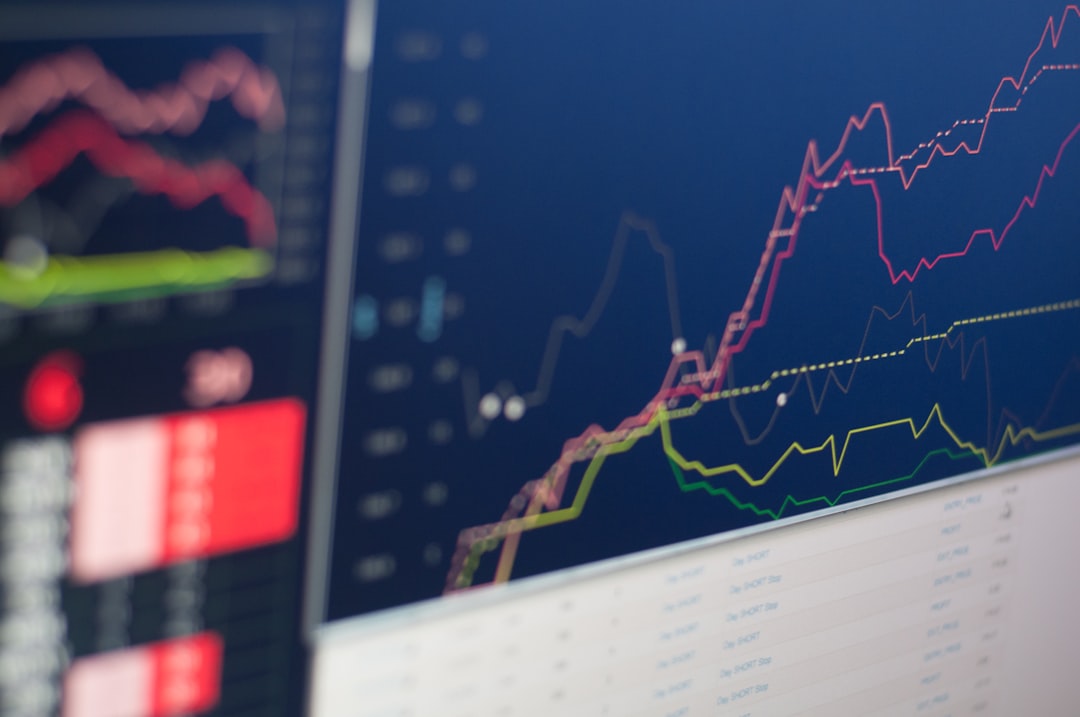
1. Identify the Squeeze: Look for Bollinger Bands that have narrowed significantly—ideally to the tightest point in the last 20–50 candles. Many charting platforms also offer a “BandWidth” indicator that measures the distance between the upper and lower bands. A reading near its lowest level in weeks confirms the squeeze.
2. Wait for the Breakout: Do not enter immediately when the bands contract. Wait for a clear breakout candle that closes outside the upper or lower band. This is your trigger. A bullish breakout closes above the upper band; a bearish breakout closes below the lower band.
3. Confirm with Volume: Volume should spike on the breakout candle. Low volume breakouts are often false signals. If volume is high, the move has conviction.
4. Enter the Trade: Once the breakout candle closes, enter on the next candle’s open. For a bullish squeeze, go long. For a bearish squeeze, go short.
5. Set Your Target: A common target is the height of the squeeze (the width of the bands at their narrowest) projected upward or downward from the breakout point. Alternatively, you can use the opposite Bollinger Band as a target (e.g., upper band for a short squeeze).
Risk Management
No strategy works 100% of the time. Protect your capital with these rules:
- Stop Loss: Place your stop just inside the opposite band. For a long trade, put it below the middle band or the lower band. For a short trade, place it above the middle band or the upper band. A tighter stop reduces risk but may get you stopped out early.
- Position Size: Never risk more than 1–2% of your trading account on a single squeeze trade. Because breakouts can fail, small position sizes keep you in the game.
- False Breakouts: If price immediately reverses and closes back inside the bands, exit the trade. Don’t hope—just leave. The setup is invalid.
- Time Stop: If the trade hasn’t moved in your favor within 3–5 candles, consider closing early. The energy from the squeeze dissipates over time.
Conclusion
The Bollinger Band Squeeze is a powerful tool for catching explosive moves with a defined risk. It turns market silence into opportunity. Start by practicing on a demo account—scan for tight bands, wait for the breakout, and manage your risk like a pro. Over time, you’ll develop an instinct for when the rubber band is about to snap. Trade smart, stay disciplined, and let the bands guide you.
Robinhood Chain Explained: What Its $560M DEX Volume Means for You
Did you know a single blockchain network processed over half a billion dollars in trading volume in just 24 hours? Robinhood Chain recently hit $560 million in daily decentralized exchange (DEX) volume, driven primarily by a surge in meme coin trading and new token launches. For crypto users in 2025, this spike raises important questions: Is this sustainable growth or just another speculative frenzy? More importantly, how does this affect your trading strategy and understanding of where the market is heading? This guide breaks down Robinhood Chain’s recent activity without the hype, explains the key players involved like Arbitrum and Pumpfun, and helps you separate signal from noise in this rapidly evolving ecosystem.
Read time: 10-12 minutes
Understanding Robinhood Chain for Beginners
Robinhood Chain is a Layer 2 blockchain built on Arbitrum technology that processes transactions faster and cheaper than the main Ethereum network. Think of it like a dedicated express lane on a highway—while the main road handles all traffic, this special lane is designed for Robinhood users to move their tokens quickly without paying high fees.
Why was it created? Robinhood, the popular trading app, wanted to offer its millions of users a “crypto-native” experience without forcing them to learn complex blockchain mechanics or pay high gas fees. Robinhood Chain solves the problem of expensive, slow Ethereum transactions by using Arbitrum’s technology to bundle many transactions together and settle them on Ethereum periodically.
A real-world example: In July 2026, Robinhood Chain saw nearly 16,000 new tokens created in a single day. One token called Cash Cat reached a market capitalization of over $100 million, becoming the network’s most successful meme coin so far.
The Technical Details: How Robinhood Chain Actually Works
Robinhood Chain operates using Arbitrum’s “rollup” technology. Here’s how it functions in simple steps:
1. Transaction Submission: Users send trades or token creations through Robinhood’s interface, which routes them to Robinhood Chain rather than Ethereum’s main network.
2. Batch Processing: Instead of recording each transaction individually on Ethereum (which would be slow and expensive), Robinhood Chain collects hundreds or thousands of transactions into a single batch.
3. Rollup Submission: This compressed batch is submitted to Ethereum as a single data packet. This is where the “L2” (Layer 2) terminology comes from—it’s a second layer built on top of Ethereum’s base layer.
4. Fee Distribution: Here’s the key part: 10% of all fees collected on Robinhood Chain flow back to Arbitrum’s ecosystem. Of that, 8% goes to Arbitrum token holders and 2% funds ongoing development.
Visual suggestion: Flow diagram showing “User Trade → Robinhood Chain → Batch Processing → Arbitrum Rollup → Ethereum Settlement → Fee Distribution”
Why this structure matters for you: This fee-sharing model means that when Robinhood Chain is active (like during this meme coin boom), Arbitrum token holders benefit directly. It creates a symbiotic relationship where the success of consumer-facing chains like Robinhood’s drives value back to the underlying infrastructure provider.
Current Market Context: Why This Matters Now
As of July 2026, Robinhood Chain is experiencing one of its most active periods since launch. The numbers tell a compelling story:
- Daily DEX volume exceeded $560 million, a record for the young network
- Nearly 200,000 daily active addresses, with over 140,000 being first-time traders
- 16,000 new tokens created in a single day, showing massive speculative activity
- Seven meme coins now have market caps above $1 million, with Cash Cat leading at $100M+
This surge coincides with several broader market trends. The Crypto Fear and Greed Index has been hovering in “Extreme Fear” territory (around 22), suggesting that while retail traders are active on Robinhood Chain, overall market sentiment remains cautious. This disconnect is interesting—traders are chasing speculative gains on newer chains while established assets like Bitcoin and Ethereum see less enthusiasm.
Steven Goldfeder, co-founder of Offchain Labs (Arbitrum’s developer), noted that enterprise adoption is “heating up,” positioning Arbitrum to capture ongoing revenue from this growth. For context, Arbitrum already processes billions in volume across multiple L2 networks, and Robinhood Chain’s success adds another revenue stream.
Competitive Landscape: How Robinhood Chain Compares
Robinhood Chain enters a crowded field of Layer 2 solutions. Here’s how it stacks up against key competitors:
| Feature | Robinhood Chain (via Arbitrum) | Base (by Coinbase) | Solana |
|---|---|---|---|
| Target User | Robinhood app users, retail traders | Coinbase users, DeFi builders | High-speed traders, NFT collectors |
| Daily Volume (July 2026) | $560M+ | ~$300M (estimated) | ~$1.5B+ |
| Key Advantage | Direct Robinhood integration, no bridging needed | Backed by Coinbase’s user base | Native speed, established DEX ecosystem |
| Fee Share Model | 10% to Arbitrum ecosystem | None (Base is standalone) | None (native L1) |
| Token Launch Volume | 16,000/day (recent peak) | ~5,000-8,000/day | ~20,000+/day |
Why this matters: Robinhood Chain’s unique value is its integration with the Robinhood app, which has millions of existing users who may not be familiar with crypto wallets or bridging. By removing these friction points, Robinhood Chain can attract a less experienced audience—which also explains the meme coin frenzy. In contrast, Solana retains the lead among experienced traders, while Base competes for the Coinbase user base.
Practical Applications: Real-World Use Cases
How can you actually use Robinhood Chain? Here are the main use cases emerging:
- Meme Coin Speculation: Users create and trade new tokens directly through Robinhood, attracted by low fees and instant settlement. Example: Cash Cat grew from nothing to $100M market cap within days.
- Cross-Chain Trading via Pumpfun: The Pumpfun platform now supports Robinhood Chain tokens, allowing Solana-based traders to access Robinhood’s ecosystem without using bridges. This expands liquidity across networks.
- First-Time Crypto Trading: New users can buy, sell, and trade tokens using their existing Robinhood account without managing private keys or seed phrases. This lowers the barrier to entry.
- Yield Farming (Emerging): As liquidity grows, Robinhood Chain may support lending and borrowing protocols, letting users earn interest on their tokens.
Who benefits most: Beginner traders and Robinhood app users who want exposure to crypto without leaving their familiar interface. Experienced traders benefit from arbitrage opportunities between Robinhood Chain and other networks like Solana or Ethereum.
Risk Analysis: Expert Perspective
Primary Risks:
1. Meme Coin Volatility: Most tokens created on Robinhood Chain have no fundamental value. Of 16,000 tokens launched in one day, the vast majority will likely lose 90%+ of their value within weeks. Cash Cat’s $100M cap could turn to dust quickly.
2. Network Congestion: If trading continues at this pace, Robinhood Chain could face scalability issues. High transaction volumes might slow down or increase fees, especially during peak meme coin launches.
3. Regulatory Scrutiny: Robinhood is a US-regulated company. If token creators use Robinhood Chain for unregistered securities offerings or scams, regulatory agencies (SEC, CFTC) could investigate, potentially restricting activity.
4. Dependence on Meme Coin Hype: The current volume is driven almost entirely by speculative trading, not real utility. If the hype cycle ends, daily volumes could drop 80-90%, leaving the network with few users.
Mitigation Strategies:
- Only trade what you can afford to lose on meme coins
- Use Robinhood Chain for small amounts you’re comfortable with
- Watch for scam tokens that copy legitimate names (relay protocol already warns of “honeypot” coins)
- Diversify across multiple chains and asset types
Historical Precedent: Similar speculative booms occurred on Solana in 2021 (when meme coins like Samoyed Coin surged) and on Ethereum in 2017 (CryptoKitties congestion). In both cases, the hype eventually subsided, but the infrastructure improvements remained.
Beginner’s Corner: Quick Start Guide
How to start trading on Robinhood Chain:
1. Open a Robinhood account (if you don’t have one already) and complete identity verification.
2. Fund your account with USD or cryptocurrency (SOL, ETH, or USDC supported).
3. Navigate to “Robinhood Chain” in the app’s crypto section—this is where you’ll see trending tokens.
4. Start small: Buy a small amount of a token you understand to test the process. Don’t chase the hottest gainers immediately.
5. Learn to spot scams: Look for tokens with verified smart contracts, active social media communities, and real project roadmaps. Avoid tokens with anonymous teams and no clear utility.
Common mistakes to avoid:
- Buying tokens that have already pumped 1000% expecting further gains
- Investing more than 5% of your portfolio in meme coins
- Forgetting that meme coin tokens have no inherent value beyond speculation
- Ignoring transaction fees (though low on Robinhood Chain, they add up)
Future Outlook: What’s Next
Robinhood Chain’s trajectory depends on whether it can convert this speculative frenzy into sustainable usage. Here’s what to watch:
1. Real Application Development: If developers build genuine DeFi protocols (lending, borrowing, staking) on Robinhood Chain, it could retain users after the meme coin cycle ends. Robinhood has announced plans for expanded product capabilities.
2. Arbitrum Revenue Growth: If Robinhood Chain maintains elevated volumes, Arbitrum stands to gain significant fee revenue. Goldfeder’s comments suggest this is a priority for the Arbitrum ecosystem.
3. Cross-Chain Integration Expansion: Pumpfun’s addition of Robinhood tokens signals a trend toward “chain-agnostic” trading apps. More platforms may follow, potentially linking Robinhood Chain to other networks seamlessly.
4. Regulatory Clarity: Robinhood CEO has stated the US is “very close” to passing a Crypto Clarity Act. Clearer rules could either legitimize Robinhood Chain’s activity or impose restrictions on token creation.
The immediate story is impressive volume numbers. The longer-term test Robinhood Chain faces is whether it can turn meme coin hype into sustained liquidity, recurring users, and durable fee activity—the hallmarks of a successful blockchain ecosystem.
Key Takeaways
- Robinhood Chain hit $560M in daily DEX volume and created 16,000 tokens in one day, driven by meme coin speculation and low barriers to entry.
- Arbitrum earns 10% of all fees collected on Robinhood Chain, creating a unique revenue-sharing model that benefits Arbitrum token holders.
- Pumpfun’s integration allows Solana traders to access Robinhood tokens without bridging, expanding the network’s reach across multiple user bases.
- The long-term success of Robinhood Chain depends on converting speculative volume into sustainable DeFi activity, not just meme coin hype cycles.
,
“datePublished”: “2026-07-09”,
“dateModified”: “2026-07-09”,
“mainEntity”: {
“@type”: “Thing”,
“name”: “Robinhood Chain DEX Volume”
}
}
Tax Loss Harvesting in Crypto: A Guide for Traders
Introduction
Tax loss harvesting is a strategy used by crypto traders to reduce their taxable income by selling assets at a loss. In the volatile world of cryptocurrency, price swings create frequent opportunities to offset gains and lower your tax bill. This guide explains how tax loss harvesting works, key concepts, pro tips, and how to implement it safely.
Key Concepts
- Capital Losses: When you sell a crypto asset for less than you paid, you realize a capital loss. These losses can offset capital gains from other trades.
- Wash Sale Rule: In traditional markets, the wash sale rule prevents claiming a loss if you repurchase the same asset within 30 days. However, the IRS has not yet applied this rule to crypto, but it may change in the future.
- Tax-Loss Harvesting Process: Identify losing positions, sell them to realize losses, and then use those losses to offset gains. You can carry forward unused losses to future tax years.
- Short-Term vs. Long-Term: Losses first offset gains of the same type (short-term losses offset short-term gains, long-term losses offset long-term gains). Any remaining losses can offset gains of the opposite type.
Pro Tips
- Track your cost basis carefully using portfolio trackers or exchange reports.
- Harvest losses before year-end to reduce your current year tax liability.
- Avoid repurchasing the same asset immediately to stay compliant with potential future wash sale rules.
- Consider using a tax software specifically designed for crypto to automate calculations.
FAQ Section
What is tax loss harvesting in crypto?
It is the practice of selling crypto assets at a loss to offset capital gains from other trades, thereby reducing your overall tax liability.
Does the wash sale rule apply to crypto?
As of now, the IRS has not officially applied the wash sale rule to cryptocurrencies, but it is advisable to avoid repurchasing the same asset within 30 days to stay safe.
Can I carry forward unused losses?
Yes, if your total capital losses exceed your gains, you can deduct up to $3,000 ($1,500 if married filing separately) against ordinary income and carry forward the remaining losses to future years.
Do I need to report every trade?
Yes, the IRS requires you to report all crypto transactions, including trades, sales, and disposals. Use Form 8949 and Schedule D.
Conclusion
Tax loss harvesting is a powerful tool for crypto traders to minimize taxes and maximize after-tax returns. By understanding the rules, tracking your trades, and acting strategically before year-end, you can turn market downturns into tax advantages. For more details on this, check out our guide on Hut 8 Settlement Explained: What the $2.35M Merger Lawsuit Means for Investors. You might also be interested in reading about How to Stop Revenge Trading and Win Your Mind Back.
Unlocking Bitcoin’s Next Frontier: A Beginner’s Guide to the Layer-2 Ecosystem
Imagine Bitcoin as a secure, digital fortress—strong, reliable, but a bit slow when too many people try to enter at once. That’s where Layer-2 solutions come in. Think of them as express lanes or high-speed tunnels that let you transact and trade Bitcoin faster, cheaper, and with more flexibility, all while keeping your funds anchored to Bitcoin’s unmatched security. For traders, this isn’t just a technical upgrade—it’s a whole new playground of opportunities. In this guide, we’ll explore the Bitcoin Layer-2 ecosystem and how you can start trading with confidence.
How It Works
Layer-2 (L2) networks are built on top of Bitcoin’s base layer (Layer-1). They handle transactions off the main chain, then periodically settle the final balances back to Bitcoin. This reduces congestion and fees, while enabling features like smart contracts, tokens, and faster finality. The most well-known examples are the Lightning Network (for instant payments) and emerging platforms like Stacks, RSK, and Liquid. Each has its own flavor—some focus on DeFi, others on privacy or token creation—but all share the goal of making Bitcoin more usable.
The Setup
To trade within the Bitcoin L2 ecosystem, you’ll need a wallet that supports the specific network. For Lightning, wallets like Phoenix or Breez are great. For Stacks, use the Hiro Wallet. Once set up, you can bridge your BTC to the L2 (often via a simple swap) and start exploring. Look for opportunities in:
- Arbitrage: Price differences between BTC on L1 and the same BTC on L2 (e.g., Lightning Network wrapped BTC vs. native BTC).
- Yield Farming: Some L2s offer staking or liquidity pools where you earn rewards in native tokens (like STX on Stacks).
- Token Trading: Many L2s have their own tokens that can swing with network adoption—treat them like altcoins, but tied to Bitcoin’s brand.
Start small. Use a testnet first if available, and only risk what you’re comfortable losing. The L2 ecosystem is still young, so volatility is high.
Risk Management
Every Layer-2 solution has its own risks. Smart contract bugs, bridge hacks, and liquidity crunches are real. Never keep all your Bitcoin on an L2—treat it like a hot wallet for active trading, not long-term storage. Use hardware wallets for your base layer BTC. Also, watch out for “wrapped” tokens that may lose their peg during market stress. Diversify across different L2s if you can, and always check the project’s history and audits. Finally, set stop-losses on any leveraged trades—Bitcoin’s L2s can move fast, and without proper risk management, you could get burned.
Conclusion
The Bitcoin Layer-2 ecosystem is like the early internet for Bitcoin—full of potential, but still being built. For traders, it offers a chance to get in on the ground floor of a new asset class. Stay curious, stay cautious, and keep learning. The future of Bitcoin isn’t just about holding—it’s about building, trading, and exploring. Happy trading!
Carbon Credits: How Tokenization is Fixing the Market
Carbon credits have long been a cornerstone of global climate policy, but the market has been plagued by opacity, double-counting, and illiquidity. Tokenization—the process of representing real-world assets (RWAs) on a blockchain—is now offering a transparent, efficient, and accessible solution. This guide explores how tokenized carbon credits work, their investment potential, and the risks involved.
What Are Carbon Credits? Off-Chain vs. On-Chain
A carbon credit represents the right to emit one tonne of carbon dioxide (or equivalent greenhouse gases). Off-chain credits are issued by registries like Verra or Gold Standard, tracked in centralized databases, and traded over-the-counter. On-chain tokenization converts these credits into digital tokens, enabling fractional ownership, 24/7 trading, and immutable audit trails. The key difference: on-chain credits are transparent, programmable, and globally accessible.
How Tokenization Works
The process involves several steps to bridge the physical and digital worlds:
- Issuance & Verification: A carbon project (e.g., reforestation) is verified by a registry like Verra. The credits are issued off-chain.
- Tokenization via SPV: A Special Purpose Vehicle (SPV) holds the off-chain credits and mints corresponding tokens on a blockchain (e.g., Ethereum, Polygon). Each token represents a specific credit vintage and serial number.
- Oracle Integration: Oracles (e.g., Chainlink) feed real-time data—such as credit retirement status or market prices—onto the blockchain, ensuring on-chain tokens reflect off-chain reality.
- Secondary Market: Tokens are traded on decentralized exchanges (DEXs) or specialized platforms, providing liquidity and price discovery.
Investment Analysis: Pros, Cons, and Risks
Pros
- Transparency: Blockchain provides an immutable record of credit creation, ownership, and retirement, reducing fraud and double-counting.
- Liquidity: Fractional tokens allow small investors to participate, and 24/7 trading improves market efficiency.
- Programmability: Smart contracts can automate retirement (e.g., burning tokens when a company offsets emissions) or integrate with DeFi protocols for yield.
Cons
- Regulatory Uncertainty: Carbon credits are not yet uniformly classified as securities or commodities, creating legal risks across jurisdictions.
- Smart Contract Risk: Bugs or exploits in token contracts could lead to loss of funds or credit invalidity.
- Quality Variance: Not all credits are equal—some projects may overestimate carbon sequestration or lack additionality.
Risks
- Market Volatility: Tokenized credits can experience price swings due to speculative trading or regulatory news.
- Counterparty Risk: The SPV or issuer must be trusted to hold the underlying credits; bankruptcy could render tokens worthless.
- Liquidity Fragmentation: Multiple token standards and platforms may split liquidity, making it hard to exit positions.
For a broader market view, check out our analysis on Stablecoin Yield Strategies: Low Risk Farming – A Comprehensive Guide.
Investors often compare this to Malta’s DeFi Regulation Proposal: What the New DAO Category Means for Crypto Users.
Tool Recommendation
To track tokenized carbon credit prices, volumes, and on-chain activity, you need reliable charting tools. For the best charting tools to spot this pattern, try Bitget. Bitget offers advanced technical analysis features, real-time data feeds, and a user-friendly interface for monitoring RWA tokens.
FAQ
Are tokenized carbon credits regulated?
Regulation varies by jurisdiction. In the EU, tokenized credits may fall under MiCA (Markets in Crypto-Assets) if they qualify as crypto-assets. In the US, the SEC may view them as securities depending on the structure. Always consult a legal expert before investing.
How do I verify the quality of a tokenized carbon credit?
Check the underlying registry (e.g., Verra, Gold Standard) and the project’s verification status. On-chain, look for audit reports from third-party oracles and the token’s smart contract code. Reputable platforms like Toucan or KlimaDAO provide transparency dashboards.
Can I retire tokenized carbon credits to offset my emissions?
Yes, many platforms allow you to ‘retire’ tokens by sending them to a burn address, which permanently removes them from circulation. The transaction is recorded on-chain, providing a verifiable proof of offset. However, ensure the token’s smart contract supports retirement and that the underlying credit is not double-counted.
Conclusion
Tokenization is addressing the carbon market’s core flaws—opacity, illiquidity, and inefficiency—by bringing credits on-chain. While regulatory and quality risks remain, the potential for a transparent, liquid, and programmable carbon market is immense. For investors, tokenized carbon credits offer a unique blend of environmental impact and financial return, but due diligence is essential. As the RWA ecosystem matures, this asset class could become a cornerstone of both climate action and decentralized finance.