
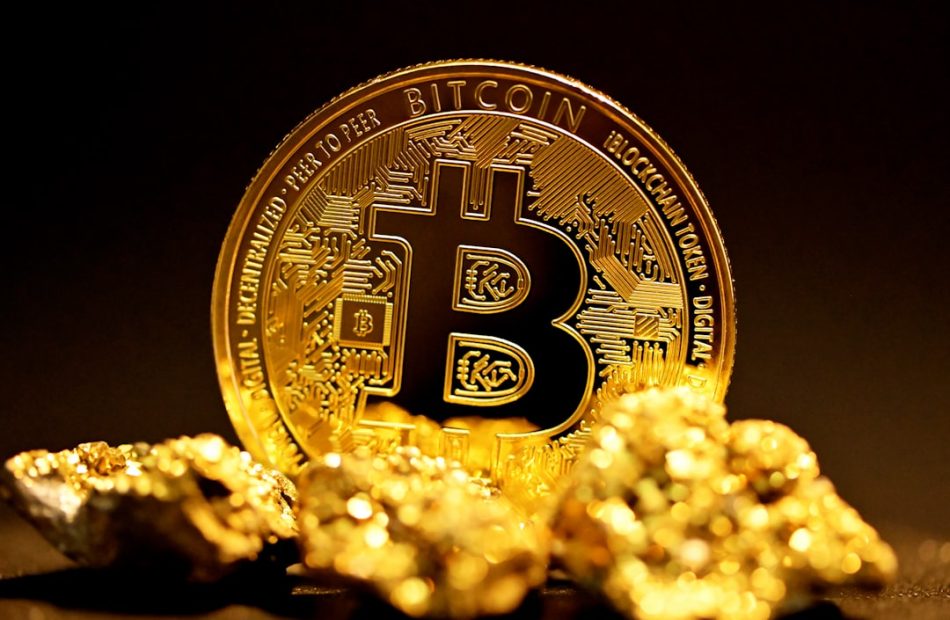
Unlocking Bitcoin’s Next Frontier: A Beginner’s Guide to the Layer-2 Ecosystem
Imagine Bitcoin as a secure, digital fortress—strong, reliable, but a bit slow when too many people try to enter at once. That’s where Layer-2 solutions come in. Think of them as express lanes or high-speed tunnels that let you transact and trade Bitcoin faster, cheaper, and with more flexibility, all while keeping your funds anchored to Bitcoin’s unmatched security. For traders, this isn’t just a technical upgrade—it’s a whole new playground of opportunities. In this guide, we’ll explore the Bitcoin Layer-2 ecosystem and how you can start trading with confidence.
How It Works
Layer-2 (L2) networks are built on top of Bitcoin’s base layer (Layer-1). They handle transactions off the main chain, then periodically settle the final balances back to Bitcoin. This reduces congestion and fees, while enabling features like smart contracts, tokens, and faster finality. The most well-known examples are the Lightning Network (for instant payments) and emerging platforms like Stacks, RSK, and Liquid. Each has its own flavor—some focus on DeFi, others on privacy or token creation—but all share the goal of making Bitcoin more usable.

The Setup
To trade within the Bitcoin L2 ecosystem, you’ll need a wallet that supports the specific network. For Lightning, wallets like Phoenix or Breez are great. For Stacks, use the Hiro Wallet. Once set up, you can bridge your BTC to the L2 (often via a simple swap) and start exploring. Look for opportunities in:
- Arbitrage: Price differences between BTC on L1 and the same BTC on L2 (e.g., Lightning Network wrapped BTC vs. native BTC).
- Yield Farming: Some L2s offer staking or liquidity pools where you earn rewards in native tokens (like STX on Stacks).
- Token Trading: Many L2s have their own tokens that can swing with network adoption—treat them like altcoins, but tied to Bitcoin’s brand.
Start small. Use a testnet first if available, and only risk what you’re comfortable losing. The L2 ecosystem is still young, so volatility is high.
Risk Management
Every Layer-2 solution has its own risks. Smart contract bugs, bridge hacks, and liquidity crunches are real. Never keep all your Bitcoin on an L2—treat it like a hot wallet for active trading, not long-term storage. Use hardware wallets for your base layer BTC. Also, watch out for “wrapped” tokens that may lose their peg during market stress. Diversify across different L2s if you can, and always check the project’s history and audits. Finally, set stop-losses on any leveraged trades—Bitcoin’s L2s can move fast, and without proper risk management, you could get burned.
Conclusion
The Bitcoin Layer-2 ecosystem is like the early internet for Bitcoin—full of potential, but still being built. For traders, it offers a chance to get in on the ground floor of a new asset class. Stay curious, stay cautious, and keep learning. The future of Bitcoin isn’t just about holding—it’s about building, trading, and exploring. Happy trading!
Carbon Credits: How Tokenization is Fixing the Market
Carbon credits have long been a cornerstone of global climate policy, but the market has been plagued by opacity, double-counting, and illiquidity. Tokenization—the process of representing real-world assets (RWAs) on a blockchain—is now offering a transparent, efficient, and accessible solution. This guide explores how tokenized carbon credits work, their investment potential, and the risks involved.
What Are Carbon Credits? Off-Chain vs. On-Chain
A carbon credit represents the right to emit one tonne of carbon dioxide (or equivalent greenhouse gases). Off-chain credits are issued by registries like Verra or Gold Standard, tracked in centralized databases, and traded over-the-counter. On-chain tokenization converts these credits into digital tokens, enabling fractional ownership, 24/7 trading, and immutable audit trails. The key difference: on-chain credits are transparent, programmable, and globally accessible.
How Tokenization Works
The process involves several steps to bridge the physical and digital worlds:
- Issuance & Verification: A carbon project (e.g., reforestation) is verified by a registry like Verra. The credits are issued off-chain.
- Tokenization via SPV: A Special Purpose Vehicle (SPV) holds the off-chain credits and mints corresponding tokens on a blockchain (e.g., Ethereum, Polygon). Each token represents a specific credit vintage and serial number.
- Oracle Integration: Oracles (e.g., Chainlink) feed real-time data—such as credit retirement status or market prices—onto the blockchain, ensuring on-chain tokens reflect off-chain reality.
- Secondary Market: Tokens are traded on decentralized exchanges (DEXs) or specialized platforms, providing liquidity and price discovery.
Investment Analysis: Pros, Cons, and Risks
Pros
- Transparency: Blockchain provides an immutable record of credit creation, ownership, and retirement, reducing fraud and double-counting.
- Liquidity: Fractional tokens allow small investors to participate, and 24/7 trading improves market efficiency.
- Programmability: Smart contracts can automate retirement (e.g., burning tokens when a company offsets emissions) or integrate with DeFi protocols for yield.
Cons
- Regulatory Uncertainty: Carbon credits are not yet uniformly classified as securities or commodities, creating legal risks across jurisdictions.
- Smart Contract Risk: Bugs or exploits in token contracts could lead to loss of funds or credit invalidity.
- Quality Variance: Not all credits are equal—some projects may overestimate carbon sequestration or lack additionality.
Risks
- Market Volatility: Tokenized credits can experience price swings due to speculative trading or regulatory news.
- Counterparty Risk: The SPV or issuer must be trusted to hold the underlying credits; bankruptcy could render tokens worthless.
- Liquidity Fragmentation: Multiple token standards and platforms may split liquidity, making it hard to exit positions.
For a broader market view, check out our analysis on Stablecoin Yield Strategies: Low Risk Farming – A Comprehensive Guide.
Investors often compare this to Malta’s DeFi Regulation Proposal: What the New DAO Category Means for Crypto Users.
Tool Recommendation
To track tokenized carbon credit prices, volumes, and on-chain activity, you need reliable charting tools. For the best charting tools to spot this pattern, try Bitget. Bitget offers advanced technical analysis features, real-time data feeds, and a user-friendly interface for monitoring RWA tokens.
FAQ
Are tokenized carbon credits regulated?
Regulation varies by jurisdiction. In the EU, tokenized credits may fall under MiCA (Markets in Crypto-Assets) if they qualify as crypto-assets. In the US, the SEC may view them as securities depending on the structure. Always consult a legal expert before investing.
How do I verify the quality of a tokenized carbon credit?
Check the underlying registry (e.g., Verra, Gold Standard) and the project’s verification status. On-chain, look for audit reports from third-party oracles and the token’s smart contract code. Reputable platforms like Toucan or KlimaDAO provide transparency dashboards.
Can I retire tokenized carbon credits to offset my emissions?
Yes, many platforms allow you to ‘retire’ tokens by sending them to a burn address, which permanently removes them from circulation. The transaction is recorded on-chain, providing a verifiable proof of offset. However, ensure the token’s smart contract supports retirement and that the underlying credit is not double-counted.
Conclusion
Tokenization is addressing the carbon market’s core flaws—opacity, illiquidity, and inefficiency—by bringing credits on-chain. While regulatory and quality risks remain, the potential for a transparent, liquid, and programmable carbon market is immense. For investors, tokenized carbon credits offer a unique blend of environmental impact and financial return, but due diligence is essential. As the RWA ecosystem matures, this asset class could become a cornerstone of both climate action and decentralized finance.
Restaking Explained: EigenLayer and Beyond – The Ultimate Guide to Crypto Restaking in 2025
Introduction
Restaking is one of the most transformative innovations in decentralized finance (DeFi) since the advent of liquid staking. By allowing users to reuse their staked ETH (or other assets) to secure additional protocols, restaking unlocks new layers of capital efficiency and security. This guide explains what restaking is, how EigenLayer pioneered the concept, and what the future holds for restaking beyond Ethereum.
Key Concepts
What Is Restaking?
Restaking is the process of taking an asset that is already staked (e.g., staked ETH) and using it as collateral to secure other networks or services. Instead of locking up new capital, restakers can earn additional rewards by providing economic security to multiple protocols simultaneously.
EigenLayer: The Pioneer
EigenLayer is a protocol built on Ethereum that introduces “restaking” as a primitive. It allows users to restake their ETH (or liquid staking tokens like stETH) to help secure third-party networks called Actively Validated Services (AVSs). In return, restakers earn AVS-specific rewards on top of their original staking yield.
How Restaking Works
- Stake ETH: Users stake ETH via a liquid staking provider (e.g., Lido, Rocket Pool) or directly.
- Opt into EigenLayer: Users deposit their staked ETH or liquid staking tokens into EigenLayer smart contracts.
- Secure AVSs: EigenLayer allocates the restaked capital to secure AVSs (e.g., data availability layers, bridges, oracles).
- Earn Rewards: Restakers receive additional rewards from AVSs, plus potential slashing risks if they misbehave.
Beyond EigenLayer: The Restaking Ecosystem
While EigenLayer is the flagship, restaking is expanding to other chains and protocols. Examples include:
- Symbiotic: A permissionless restaking protocol on Ethereum.
- Karak: A multi-chain restaking platform.
- Solana Restaking: Emerging projects exploring restaking on Solana.
Pro Tips
- Understand Slashing Risks: Restaking introduces slashing conditions. If the AVS you secure is compromised or you act maliciously, you can lose a portion of your staked capital. Only restake with reputable AVSs.
- Diversify AVS Exposure: Don’t put all your restaked capital into one AVS. Spread across multiple services to mitigate risk.
- Monitor Yields vs. Risks: Higher AVS rewards often come with higher risk. Compare the risk-adjusted yield before committing.
- Use Liquid Restaking Tokens (LRTs): Protocols like Ether.fi and Renzo offer LRTs that represent your restaked position, allowing you to stay liquid and use them in DeFi.
- Stay Updated on EigenLayer Upgrades: EigenLayer is still in early stages. Follow official channels for changes to slashing rules, AVS onboarding, and reward structures.
FAQ Section
What is the difference between staking and restaking?
Staking locks your crypto to secure a single blockchain (e.g., Ethereum) and earn rewards. Restaking takes already-staked assets and uses them to secure additional protocols, earning extra rewards but also introducing extra slashing risks.
Is restaking safe?
Restaking carries additional risk because you are exposed to slashing conditions from multiple protocols. However, by choosing reputable AVSs and diversifying, you can manage risk. Always do your own research.
Do I need to unstake my ETH to restake?
No. With EigenLayer, you can restake your already-staked ETH (via liquid staking tokens like stETH) without unstaking. This preserves your original staking rewards.
Can I restake on other blockchains besides Ethereum?
Yes. While EigenLayer is Ethereum-native, other protocols like Karak and Symbiotic are expanding restaking to multiple chains including L2s and alternative L1s.
What are liquid restaking tokens (LRTs)?
LRTs are tokens that represent your restaked position. They allow you to remain liquid and use your restaked capital in other DeFi protocols while still earning restaking rewards.
Conclusion
Restaking, led by EigenLayer, is reshaping how we think about capital efficiency and shared security in crypto. By enabling staked assets to secure multiple networks, restaking unlocks new yield opportunities and strengthens the entire ecosystem. However, with higher rewards come higher risks—especially slashing. As the restaking landscape expands beyond Ethereum, staying informed and cautious will be key. For more details on this, check out our guide on Mastering the Stochastic Dip: A Simple Strategy for Buying Pullbacks. You might also be interested in reading about Cold Storage vs Hot Wallets: Which Should You Choose? A Complete Guide for 2025.
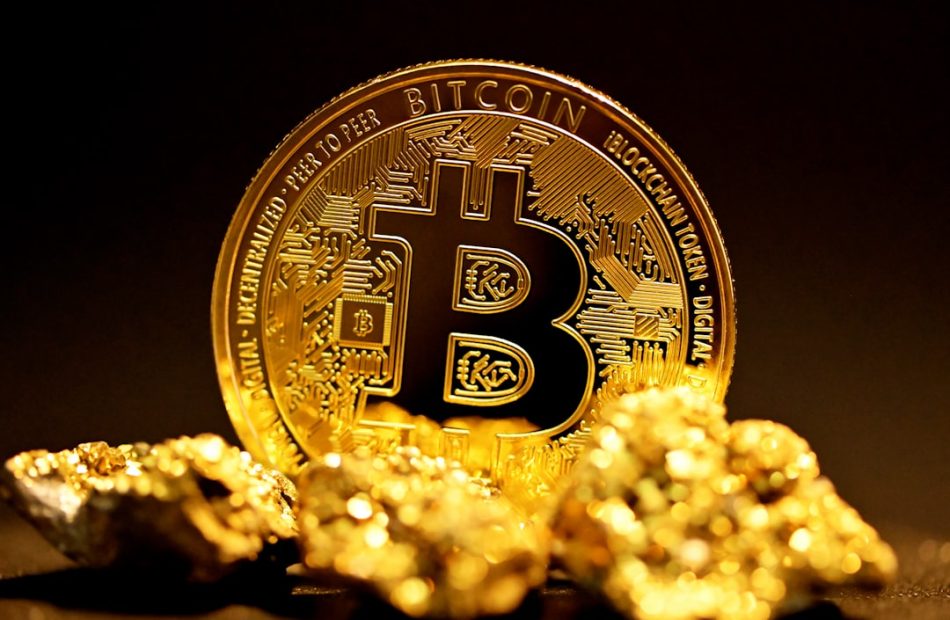
How to Trade the Gap Fill: A Simple Strategy for Crypto Markets
Ever noticed that crypto markets sometimes leave empty spaces on the price chart? These are called gaps, and they often behave like magnets—pulling price back to fill them. In this post, I’ll show you how to spot and trade these gaps with confidence.
How It Works
A gap occurs when price jumps from one level to another without trading in between. In crypto, gaps happen frequently due to weekend volatility, news events, or exchange outages. The core idea is simple: price tends to return to fill the gap because it represents an area where traders missed out or got trapped.
There are four main types of gaps, but for our strategy, we focus on common gaps (also called area gaps). These appear in normal market conditions and have a high probability of being filled quickly.
The Setup
Here’s how to set up your trade:

1. Identify the Gap: Look for a clear price jump on your 1-hour or 4-hour chart. The gap is the empty space between the previous candle’s high/low and the next candle’s open.
2. Wait for Confirmation: Don’t jump in immediately. Let price retrace a bit and show signs of slowing down near the gap zone.
3. Entry: Place a limit order at the midpoint of the gap. This gives you a good risk-to-reward ratio.
4. Target: Set your take-profit at the opposite edge of the gap or at a recent support/resistance level.
Example: If Bitcoin gaps from $30,000 to $31,000, your entry is around $30,500, with a target at $31,000 or higher if momentum continues.
Risk Management
Gaps can be tricky, so protect your capital:
- Stop-Loss: Place your stop just below the gap’s lower edge (for a long trade) or above the upper edge (for a short trade). A 1-2% buffer is standard.
- Position Size: Never risk more than 1-2% of your account on a single trade. Gaps can fail to fill, especially if a strong trend is in play.
- Time Limit: If the gap isn’t filled within 3-5 candles on your timeframe, consider closing manually. Unfilled gaps can turn into breakaway gaps, which may not fill for weeks.
- Avoid News Gaps: Major news events create high volatility. Wait for the dust to settle before trading those gaps.
Conclusion
The gap fill strategy is a powerful tool for crypto traders. It’s based on a simple principle: markets often revisit areas where price moved too quickly. By waiting for confirmation and managing risk properly, you can turn these gaps into consistent profits. Start practicing on a demo account, and soon you’ll see gaps as opportunities rather than puzzles.
Real World Assets (RWA): How Tokenization Changes Investing – The Ultimate Guide
Tokenization of real world assets (RWA) is reshaping the investment landscape by bringing physical and traditional financial assets onto blockchain networks. This guide explains what RWA tokenization is, how it works, and why it matters for investors.
Introduction
Real World Assets (RWA) refer to tangible or intangible assets that exist outside the blockchain — such as real estate, commodities, bonds, invoices, or intellectual property. Tokenization converts ownership rights of these assets into digital tokens on a blockchain, enabling fractional ownership, increased liquidity, and global accessibility. This innovation bridges the gap between traditional finance (TradFi) and decentralized finance (DeFi), allowing investors to trade, lend, or borrow against assets that were previously illiquid or restricted to institutional players.
Key Concepts
- Tokenization: The process of representing ownership of an asset as a digital token on a blockchain. Each token corresponds to a fraction of the underlying asset.
- Fractional Ownership: Investors can buy small portions of high-value assets (e.g., a $1M property) for as little as $100, lowering entry barriers.
- Liquidity: Tokenized assets can be traded 24/7 on secondary markets, unlike traditional assets that may take weeks to sell.
- Smart Contracts: Self-executing contracts automate compliance, revenue distribution, and ownership transfers without intermediaries.
- Compliance & Regulation: RWA tokens must adhere to securities laws, KYC/AML requirements, and jurisdictional rules — often enforced via smart contract whitelisting.
- Oracles: Third-party services that feed real-world data (e.g., property valuations, interest rates) to the blockchain to trigger smart contract actions.
Pro Tips
- Verify the issuer: Always check the legal structure, audits, and custody of the underlying asset. Reputable projects provide proof of reserves.
- Understand the legal wrapper: Tokenization often uses a special purpose vehicle (SPV) or trust. Know your rights as a token holder.
- Start small: Begin with well-known RWA platforms or tokenized stablecoins backed by real-world reserves before exploring exotic assets.
- Monitor gas fees: On Ethereum or other Layer 1 chains, transaction costs can eat into small investments. Consider Layer 2 solutions or alternative chains.
- Diversify across asset types: Mix real estate, bonds, commodities, and private credit to reduce sector-specific risk.
FAQ Section
What types of assets can be tokenized?
Almost any asset: real estate, art, commodities (gold, oil), bonds, invoices, carbon credits, intellectual property, and even collectibles.
Is RWA tokenization legal?
Yes, but it must comply with securities regulations in each jurisdiction. Most projects work with legal counsel to issue tokens under exemptions like Reg D or Reg S.
How do I buy tokenized real estate?
You can use platforms like RealT, Lofty AI, or Tangible. After completing KYC, you purchase tokens representing shares in a property and earn rental income via smart contracts.
What are the risks?
Key risks include regulatory changes, smart contract bugs, illiquidity of secondary markets, counterparty risk (if the issuer fails), and valuation discrepancies.
Can I use RWA tokens in DeFi?
Yes. Many RWA tokens can be used as collateral for loans, yield farming, or liquidity pools on DeFi protocols like Aave, MakerDAO, and Compound.
Conclusion
Tokenization of real world assets is a paradigm shift that democratizes access to investment opportunities previously reserved for the wealthy or institutions. By combining blockchain transparency with traditional asset value, RWA opens new doors for liquidity, diversification, and passive income. However, due diligence on legal structures, platform reputation, and market risks remains essential. As the ecosystem matures, RWA tokenization is poised to become a cornerstone of modern portfolio management.
For more details on this, check out our guide on Real World Assets (RWA): How Tokenization Changes Investing.
You might also be interested in reading about How to Participate in Governance Proposals (DAOs): A Complete Guide.
Gold-Backed Cryptos vs Physical Gold: Pros and Cons
Gold has been a store of value for millennia, but the rise of blockchain technology has introduced a new contender: gold-backed cryptocurrencies. These digital tokens represent ownership of physical gold stored in vaults, combining the stability of the precious metal with the efficiency of decentralized finance (DeFi). This guide provides a comprehensive, data-driven comparison between gold-backed cryptos and physical gold, helping you decide which asset fits your investment strategy.
How Gold-Backed Cryptos Work: The Off-Chain vs On-Chain Bridge
Gold-backed tokens (e.g., PAX Gold, Tether Gold) are Real World Assets (RWAs) tokenized on a blockchain. The process involves:
- Tokenization: A trusted custodian (e.g., a vault operator) holds physical gold bars in a secure facility.
- SPV (Special Purpose Vehicle): A legal entity is created to own the gold, isolating it from the issuer’s bankruptcy risk.
- Oracle Integration: Oracles like Chainlink provide real-time price feeds to ensure the token’s value mirrors the spot price of gold.
- Blockchain Issuance: Tokens are minted on a blockchain (Ethereum, Solana, etc.) and can be traded 24/7, fractionally owned, and transferred globally.
In contrast, physical gold requires secure storage, insurance, and verification, making it less liquid and harder to transact.
Investment Analysis: Pros and Cons
Gold-Backed Cryptos
Pros:
- Fractional Ownership: Buy as little as $1 worth of gold, lowering the barrier to entry.
- 24/7 Liquidity: Trade on decentralized exchanges (DEXs) or centralized platforms anytime.
- Transparency: Public blockchain records allow anyone to verify the total supply and audit reports from custodians.
- DeFi Integration: Use gold as collateral for loans, earn yield in liquidity pools, or participate in yield farming.
Cons & Risks:
- Regulatory Uncertainty: Varies by jurisdiction; some countries classify tokens as securities.
- Smart Contract Risk: Bugs or exploits in the token contract could lead to loss of funds.
- Custodial Risk: You rely on the custodian to hold the physical gold honestly. If the custodian is fraudulent or goes bankrupt, the token may become worthless.
- Counterparty Risk: The token issuer must be trusted to redeem tokens for physical gold on demand.
Physical Gold
Pros:
- Tangible Asset: No counterparty risk; you own the metal directly.
- Global Acceptance: Universally recognized as a store of value.
- No Technology Dependency: Not vulnerable to hacks, forks, or internet outages.
Cons:
- Storage & Insurance Costs: Safe deposit boxes, vaults, or home safes incur ongoing expenses.
- Illiquidity: Selling physical gold often requires a dealer, assay, and time.
- High Entry Barrier: Buying a full ounce of gold costs over $2,000.
For a broader market view, check out our analysis on How to Secure Your Crypto Wallet: A Step-by-Step Guide.
Investors often compare this to Using Etherscan: Tracking Whales and Verifying Transactions – A Complete Guide.
Tool Recommendation
Looking for altcoin opportunities and smooth trading? Try KuCoin. KuCoin offers a wide range of gold-backed tokens and other RWAs with low fees and high liquidity. Use the platform to trade, stake, or simply hold your digital gold assets.
FAQ Section
Are gold-backed cryptos safe?
Safety depends on the issuer’s transparency, regulatory compliance, and smart contract audits. Reputable tokens like PAX Gold (PAXG) undergo regular audits by third parties. However, no investment is risk-free; always verify the custodian’s track record.
Can I redeem gold-backed tokens for physical gold?
Yes, most issuers allow redemption of a minimum amount (e.g., 1 token = 1 fine troy ounce) for physical delivery, subject to fees and minimums. Smaller holders typically sell tokens on exchanges instead.
What are the tax implications of gold-backed cryptos?
Tax treatment varies by country. In the U.S., the IRS treats gold-backed tokens as property, subject to capital gains tax. Some jurisdictions may classify them as commodities. Consult a tax professional for specific advice.
Conclusion
Gold-backed cryptos offer a modern, efficient way to gain exposure to gold with added liquidity and DeFi capabilities. However, they introduce custodial, regulatory, and smart contract risks that physical gold avoids. For investors seeking convenience and programmability, tokenized gold is a compelling choice. For those prioritizing absolute safety and tangibility, physical gold remains the gold standard. Diversifying between both can balance the trade-offs.
Sony Bank Wins Conditional OCC Approval For US Dollar Stablecoin Trust Bank
July 6, 2025 — Sony Bank has secured conditional approval from the U.S. Office of the Comptroller of the Currency (OCC) to establish Connectia Trust, a national trust bank that will issue and manage a U.S. dollar-backed stablecoin. The Japanese lender plans to launch the trust company this month with $40 million in capital, serving American customers making payments across Sony’s gaming, anime, and digital content ecosystem.
Immediate Details & Direct Quotes
Ready to act on this news? Open an account on Binance — the world’s largest crypto exchange.
Sony Bank’s July 6 statement confirms that Connectia Trust will operate as a wholly owned subsidiary under Sony Financial Group. The entity requires final regulatory clearance before beginning operations, with the bank targeting a 2027 launch date for the stablecoin initiative.
The proposed stablecoin will maintain a 1:1 peg to the U.S. dollar, according to previous comments reported by Nikkei. American customers would use the digital currency to pay for video games, anime, subscriptions, and other digital content across Sony’s ecosystem.
Sony Bank has not yet named a representative for Connectia Trust. The OCC’s conditional approval does not authorize immediate operations — Connectia Trust must satisfy remaining regulatory conditions before opening as a national trust bank.
Market Context & Reaction
The OCC’s conditional approval positions Sony among a growing list of digital asset firms pursuing federal trust bank status. Last year, the regulator granted conditional approvals to Ripple, Circle, BitGo, Fidelity Digital Assets, and Paxos. Peter Thiel-backed Augustus also received conditional approval this year to establish an AI-powered payments and stablecoin settlement bank.
A national trust charter permits firms to offer digital asset custody, reserve management, and stablecoin issuance under federal supervision. However, trust banks cannot accept cash deposits or make loans.
The OCC’s approach continues drawing political criticism. Senator Elizabeth Warren has argued the regulator “improperly” granted national trust charters to companies she believes do not qualify under the National Bank Act.
This stablecoin development comes amid ongoing debate over stablecoin regulation in the United States. Sony’s entry into the space through a federally supervised trust structure could set precedents for other non-financial companies seeking to launch regulated digital currencies.
Background & Historical Context
Sony first outlined its stablecoin ambitions last year when it applied to the OCC for a national trust bank charter through Connectia Trust. The application reflected Sony Financial Group’s long-term strategy to expand its digital asset operations.
The proposed stablecoin would integrate directly into Sony’s existing content ecosystem, allowing seamless payments for PlayStation games, anime streaming subscriptions, and other digital services. This vertical integration strategy differentiates Sony’s approach from standalone stablecoin issuers.
What This Means
The OCC approval signals that non-traditional financial firms can successfully navigate federal regulatory pathways for stablecoin issuance. Sony’s move may encourage other technology and entertainment conglomerates to pursue similar charters.
The 2027 target launch date provides ample time for Connectia Trust to meet OCC conditions and for broader stablecoin regulation to develop. Market participants should monitor regulatory developments, as final approval requirements remain unclear.
For Sony customers, the stablecoin promises streamlined payment options within the company’s digital ecosystem, though specific technical implementation details and user experience features have not been disclosed.
—

The Secret Weapon of Profitable Traders: Your Trading Journal
Let’s be honest: when you first started trading, you probably thought the key to success was finding the perfect indicator or the next 100x coin. But after a few wins and (inevitable) losses, you’ve likely realized something crucial: the real edge isn’t in the chart—it’s in your own data.
That’s where a trading journal comes in. It’s not just a log of trades; it’s your personal laboratory for growth. In this post, I’ll walk you through the best practices that turn a simple notebook into your most powerful tool.
Why You Need a Trading Journal
Think of a trading journal as your flight recorder. Every time a pilot lands safely, they review the data. When something goes wrong, they dig into the logs. As a trader, you need the same discipline. Without a journal, you’re flying blind—repeating mistakes without knowing why.
Looking for altcoin opportunities and smooth trading? Try KuCoin.
A journal helps you:
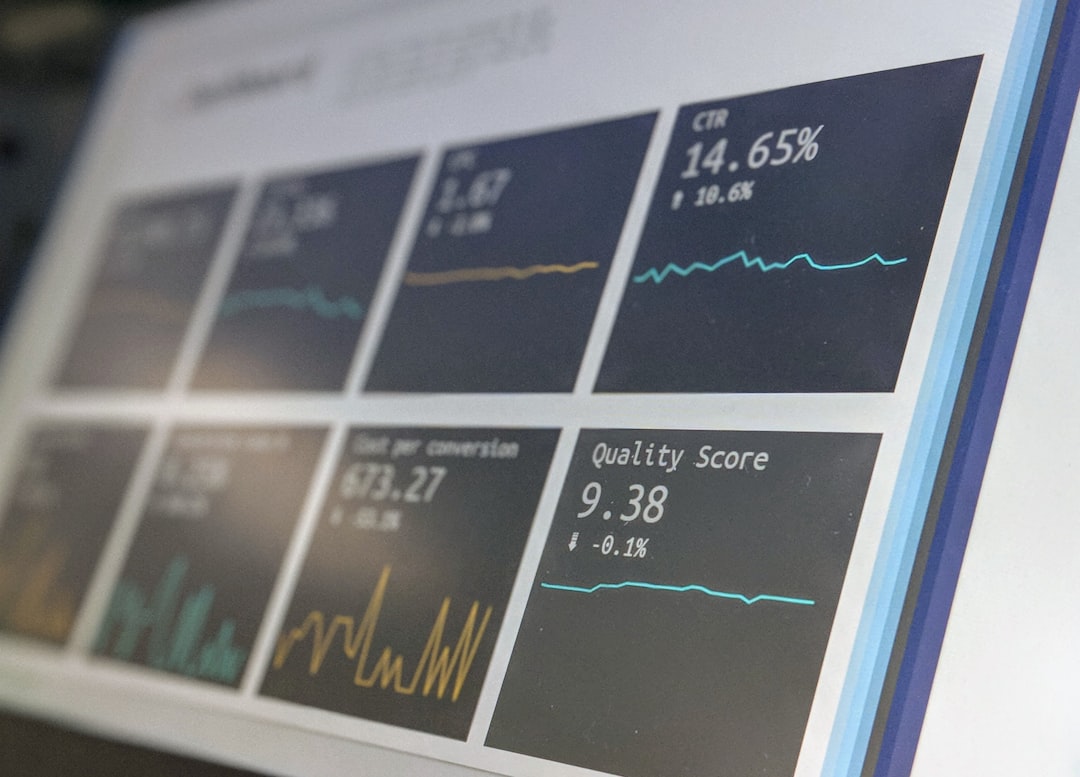
- Identify patterns in your wins and losses
- Remove emotional decision-making
- Test and refine your strategy with real data
- Build the consistency that leads to profitability
The Setup: What to Record
You don’t need a fancy app (though tools like Tradervue or Edgewonk are great). A simple spreadsheet or even a physical notebook works. Here’s what every entry should include:
1. The Trade Details
- Date & time
- Pair/asset (e.g., BTC/USDT)
- Direction (long/short)
- Entry price, exit price, position size
- Fees & slippage
2. The Setup
- What triggered the trade? (e.g., “RSI oversold + support level”)
- Timeframe you were looking at
- Screenshot of the chart at entry and exit
3. Your Mental State
- How were you feeling? (confident, anxious, bored?)
- Were you following your plan? (yes/no)
- Any external distractions?
4. The Outcome & Lesson
- P&L (in % and $)
- What went right? What went wrong?
- One specific lesson to carry forward
How to Analyze Your Journal
Recording is only half the battle. The real magic happens in the review. Set aside 30 minutes every weekend to go through your week’s trades. Ask yourself:
- Which setups performed best? Maybe your “breakout with volume” trades win 70% of the time, but your “reversal at resistance” trades only win 40%. Double down on what works.
- Are you cutting winners too early? Look for patterns where you exited a trade that later soared. That’s fear of losing profits.
- Are you holding losers too long? If you see a pattern of “hopium” (hoping a loss will turn around), that’s a red flag for discipline.
Pro tip: Tag your trades with categories like “high conviction” vs “impulse.” You’ll quickly see which ones drain your account.
Risk Management: The Journal’s Best Friend
Your journal is useless if you ignore risk management. Use it to track:
- Win rate (percentage of winning trades)
- Average win vs average loss (your risk/reward ratio)
- Max drawdown (biggest losing streak)
- Position sizing consistency (are you risking the same % every time?)
If your win rate is 60% but your average loss is twice your average win, you’re still losing money. The journal reveals these hard truths so you can adjust. Remember: protect your capital first, profits second.
Common Pitfalls to Avoid
- Filling the journal but never reviewing it. That’s like taking a test and never checking your answers.
- Being dishonest. If you took a trade out of FOMO, write that down. No one else is looking.
- Overcomplicating it. Start with the basics above. You can always add more fields later.
- Ignoring emotions. The best traders I know can point to the exact trade where revenge trading started. Your feelings matter.
Final Thoughts
A trading journal won’t make you profitable overnight. But it will accelerate your learning curve by months—or even years. The market is a harsh teacher, but your journal is the classroom where you actually learn.
Start today. Even if you only have five trades to log, begin. Consistency is everything. And remember: the goal isn’t to be perfect; it’s to be better than you were yesterday. Happy journaling!
Cold Storage vs Hot Wallets: Which Should You Choose?
When it comes to securing your cryptocurrency, the choice between cold storage and hot wallets is one of the most critical decisions you’ll make. Each option offers distinct trade-offs between security and convenience. This comprehensive guide breaks down everything you need to know to choose the right wallet for your needs.
Key Concepts
What is a Hot Wallet?
A hot wallet is a cryptocurrency wallet that is connected to the internet. Examples include mobile apps, browser extensions, and exchange wallets. Hot wallets are convenient for frequent transactions and trading, but they are more vulnerable to hacking, phishing, and malware attacks.
What is Cold Storage?
Cold storage refers to wallets that are completely offline. This includes hardware wallets (like Ledger or Trezor), paper wallets, and even offline software wallets. Cold storage provides the highest level of security because private keys never touch an internet-connected device, making them immune to online attacks.
Key Differences at a Glance
- Security: Cold storage is far more secure; hot wallets are more exposed.
- Convenience: Hot wallets allow instant access; cold storage requires extra steps.
- Best Use: Hot wallets for daily spending/trading; cold storage for long-term holdings.
- Cost: Hot wallets are usually free; cold storage often requires purchasing a hardware device.
Pro Tips
- Use a combination: Keep a small amount in a hot wallet for daily use, and store the bulk of your assets in cold storage.
- Never share your seed phrase: Your recovery phrase is the key to your funds. Store it offline in a secure location.
- Enable 2FA: For hot wallets, always enable two-factor authentication to add an extra layer of security.
- Update firmware: If using a hardware wallet, keep its firmware up to date to protect against vulnerabilities.
- Test small amounts first: Before moving large sums, send a small test transaction to ensure everything works correctly.
FAQ Section
1. Can I use both hot and cold wallets together?
Absolutely. Many experienced users adopt a hybrid approach: a hot wallet for active trading and small balances, and cold storage for long-term savings. This balances security with convenience.
2. Is a hardware wallet worth the cost?
If you hold a significant amount of crypto (e.g., over $500), a hardware wallet is a worthwhile investment. The cost (typically $50–$150) is far less than the potential loss from a hack.
3. Can a hot wallet be hacked?
Yes. Hot wallets are connected to the internet, making them vulnerable to phishing, malware, and exchange breaches. That’s why they are best for small, active balances.
4. How do I keep my cold storage safe?
Store your hardware wallet and seed phrase in separate, secure locations (e.g., a safe deposit box). Never enter your seed phrase into any website or app.
5. Which is better for beginners?
Beginners often start with a hot wallet for ease of use. As your portfolio grows, you can transition to cold storage for enhanced security.
Conclusion
Choosing between cold storage and hot wallets depends on your individual needs. If you prioritize security and plan to hold crypto long-term, cold storage is the clear winner. If you need quick access for trading or daily transactions, a hot wallet is more practical. For most users, a combination of both offers the best of both worlds. For more details on this, check out our guide on How to Trade the AI Agent Narrative in Crypto (Step-by-Step Guide). You might also be interested in reading about The Hidden Gems of Crypto: How to Value DePIN Projects Like a Pro.
What the Fed’s AI Inflation Warning Means for Crypto: Rate Hike Guide
Did you know the Federal Reserve is now worried that demand for artificial intelligence (AI) could keep inflation high enough to trigger another interest rate hike this year? According to the Fed’s June meeting minutes, strong AI-related demand, along with tariffs and Middle East tensions, are potential drivers of persistent inflation. For crypto users, this matters because higher interest rates historically reduce risk appetite for assets like Bitcoin and Ethereum. Markets on Polymarket now price a 59% chance of a rate hike in 2026, while July pause odds sit at 69.5%. This guide explains what the Fed’s inflation concern means for your crypto portfolio, breaks down how rate decisions affect digital assets, and shows you how to monitor these developments without getting lost in economic jargon.
Read time: 10-12 minutes
Understanding Interest Rate Hikes for Beginners
An interest rate hike is when the Federal Reserve raises the cost of borrowing money. Think of it like the Fed turning up the price of using a credit card for the entire country. When rates go up, loans for homes, cars, and business expansions become more expensive. This slows down spending and—theoretically—reduces inflation (rising prices).
Why does the Fed do this? Its primary job is maintaining stable prices (around 2% inflation) and maximum employment. When inflation runs too hot—like we’ve seen since 2022—the Fed raises rates to cool the economy down. A real-world example: if everyone is buying new cars using cheap loans, the Fed makes car loans more expensive. Fewer people buy cars, dealers lower prices, and inflation eases.
For crypto investors, higher rates historically cause a “risk-off” environment. When safer assets like bonds pay 4-5% interest, speculative assets like cryptocurrencies become less attractive. This doesn’t mean crypto crashes every time rates rise, but it creates headwinds for price appreciation.
The Technical Details: How Fed Rate Decisions Actually Work
The Federal Open Market Committee (FOMC) meets eight times per year to set the federal funds rate—the interest rate banks charge each other for overnight loans. Here’s how the process unfolds:
1. Data Collection: The Fed analyzes inflation reports (CPI, PCE), employment numbers, GDP growth, and global risks. These “scenarios” we read about in the June minutes are part of this analysis.
2. Committee Debate: Twelve voting members discuss various paths—raise, hold, or cut rates. The June minutes showed differences: some members saw a case for raising rates due to persistent inflation risks.
3. Vote and Announcement: The chair announces the decision, and markets react immediately.
4. Forward Guidance: The Fed publishes projections and minutes three weeks later, which we’re discussing now.
Why this structure matters for you: Understanding that rate decisions are data-dependent—not political—helps you anticipate moves. When inflation data comes in hotter than expected, rate hike odds increase. When it cools, odds decrease.
Current Market Context: Why This Matters Now
As of July 2025, the Fed left interest rates unchanged at its June meeting—the first chaired by Kevin Warsh. But the minutes revealed significant internal disagreement:
- Inflation Scenario: AI demand (think data centers for training ChatGPT-style models), tariffs on imported goods, and Middle East tensions could keep inflation elevated. In this scenario, “almost all participants” believed additional rate hikes would be needed.
- Cooling Scenario: If inflation eases, maintaining current rates or eventually cutting them would be appropriate.
Market pricing reflects this uncertainty. Polymarket shows a 59% probability of a rate hike in 2026—up from lower levels earlier this year. The CME FedWatch Tool indicates a 69.5% chance rates stay unchanged at the July meeting, down from 80% last week, suggesting growing uncertainty.
For crypto, this matters because Bitcoin historically correlates inversely with real interest rates (interest rates minus inflation). Higher rates compress liquidity, making it harder for risk assets to rally.
Competitive Landscape: How Crypto Reacts vs. Traditional Markets
Different asset classes respond to rate hike signals differently:
| Market Response | Bitcoin & Crypto | U.S. Stocks (S&P 500) | Bonds (Treasuries) |
|---|---|---|---|
| Immediate Reaction | Usually drops on rate hike signals, rallies on pause or cut signals | Similar pattern but with less volatility | Prices fall when yields rise (rates up) |
| Volatility Level | Extreme (5-10% swings common) | Moderate (1-2% typical) | Low (0.5-1% typical) |
| Primary Driver | Liquidity conditions and risk appetite | Corporate earnings + economic growth | Yield relative to inflation |
| 2023-2025 Behavior | Bitcoin up 150%+ despite rate hikes (spot ETF approval outweighed rates) | Up 40%+ with rate pause expectations | Yields rose to 4-5%, attracting capital |
| Correlation to Fed Actions | Weakening over time; more influenced by crypto-specific catalysts | Tight correlation (0.7-0.8) | Direct, predictable relationship |
Why this matters: Crypto’s correlation to traditional markets is declining as the asset class matures. While rate hikes create headwinds, crypto-specific events (like Bitcoin ETF approvals, halving cycles, regulatory progress) can overwhelm macro pressures.
Practical Applications: Real-World Use Cases
How should you use this information?
- Portfolio Risk Management: When rate hike odds climb above 50%, consider reducing leverage and increasing stablecoin allocations. This isn’t a prediction, but a risk management technique.
- Timing Dollar-Cost Averaging Entries: Historically, crypto markets bottom during late-stage hiking cycles. Monitoring Fed minutes helps identify potential entry zones.
- Understanding Macro Narratives: Media outlets often blame “Fed policy” for crypto moves. Now you know the actual mechanics—AI demand, tariffs, and geopolitical tensions are drivers of those policy decisions.
- Evaluating Stablecoin Strategies: Higher rates make stablecoins more attractive (earning 4-5% yield in Circle or Tether-backed products). However, remember these are not risk-free—stablecoin issuers face their own regulatory and reserve challenges.
Risk Analysis: Expert Perspective
Primary Risks:
1. Inflation Resurgence Risk: The “AI demand” factor is real. Data centers for AI training consume enormous electricity and require specialized hardware (GPUs from Nvidia). This creates real demand-pull inflation that the Fed must address.
2. Geopolitical Risk: U.S.-Iran tensions could disrupt oil supply, causing energy price spikes that drive inflation higher. The Fed can’t control this directly but must respond.
3. Communications Risk: Market pricing (59% chance) shows uncertainty. The Fed’s own minutes reveal internal disagreement—this uncertainty itself creates market volatility.
Mitigation Strategies:
- Diversify across asset classes: Don’t hold only crypto during uncertain rate periods.
- Use stablecoin yields cautiously: 4-5% yields are attractive but not guaranteed; monitor reserve transparency.
Expert Consensus: Most economists agree the Fed is data-dependent, not on a predetermined path. Persistent inflation could push rates higher, but a cooling economy could allow cuts. The “AI inflation” narrative is legitimate but unproven in its severity.
Future Outlook: What’s Next
The next major events to watch:
1. July FOMC Meeting (July 29-30, 2025): Markets now price a 30.5% chance of a hike—up significantly. Any hawkish language could push odds higher.
2. Inflation Data Releases: The CPI and PCE reports between now and July will be scrutinized for signs that AI demand is truly driving prices up.
3. Geopolitical Developments: U.S.-Iran tensions remain fluid. Any escalation could trigger energy price spikes that feed into inflation.
4. AI Infrastructure Spending: Watch Nvidia’s earnings and data center spending reports from major tech companies. If AI demand continues surging, it validates the Fed’s concern.
Speculation vs. Confirmed: The 59% Polymarket probability represents trader speculation, not confirmed Fed policy. Rate hike odds can shift rapidly with one inflation report. The most likely scenario remains a July pause, but the risk of a hike later in 2025 or early 2026 is real.
Key Takeaways
- The Fed is worried that AI demand, tariffs, and Middle East tensions could keep inflation elevated, potentially requiring another rate hike.
- Markets now price a 59% chance of a rate hike but a 69.5% chance of a July pause—showing significant uncertainty.
- Higher rates historically reduce risk appetite for crypto, but crypto-specific catalysts (ETFs, halving cycles) can offset macro pressures.
- Understanding Fed scenarios helps you prepare for different outcomes, not predict them—use this knowledge for risk management.