
Bitcoin Layer 2s: Stacks, Lightning, and Runes Guide – Scaling Bitcoin for DeFi and Payments
Introduction
Bitcoin, the world’s first cryptocurrency, has long been celebrated for its security and decentralization. However, its base layer is limited in scalability and programmability. Enter Bitcoin Layer 2 solutions: protocols built on top of Bitcoin to enable faster transactions, smart contracts, and new token standards. This guide explores three key Layer 2 innovations: Stacks, Lightning Network, and Runes. Whether you’re a developer, investor, or curious user, understanding these technologies is essential for navigating the next wave of Bitcoin adoption.
Key Concepts
1. Lightning Network
The Lightning Network is a payment protocol layered on top of Bitcoin that enables instant, low-cost transactions. It works by creating off-chain payment channels between users, which can be settled on the Bitcoin blockchain when needed. This makes microtransactions and everyday payments viable, solving Bitcoin’s scalability issues. For example, you can send a few satoshis (the smallest unit of Bitcoin) for a coffee without waiting for block confirmations or paying high fees.
2. Stacks
Stacks is a Layer 2 blockchain that brings smart contracts and decentralized applications (dApps) to Bitcoin. It uses a unique consensus mechanism called Proof of Transfer (PoX), where miners transfer Bitcoin to secure the Stacks chain. This allows developers to build DeFi protocols, NFTs, and other dApps that inherit Bitcoin’s security. Stacks also introduced the Clarity smart contract language, designed for predictability and safety.
3. Runes
Runes is a newer protocol that enables the creation of fungible tokens directly on the Bitcoin blockchain, similar to Ethereum’s ERC-20 standard. Unlike earlier token protocols like BRC-20 (which used Ordinals inscriptions), Runes is designed to be more efficient and less resource-intensive. It leverages Bitcoin’s UTXO model to create and transfer tokens, opening up possibilities for memecoins, stablecoins, and tokenized assets on Bitcoin.
Pro Tips
- Start Small with Lightning: Use wallets like Phoenix or Breez to test Lightning payments. You can fund your wallet with a small amount of Bitcoin and experiment with sending payments to friends or merchants.
- Explore Stacks dApps: Try out DeFi platforms like ALEX or Arkadiko on Stacks to earn yield or trade assets. Always start with small amounts to understand the risks.
- Runes for Token Experiments: If you’re curious about creating tokens, use tools like the Runes SDK or Unisat wallet to mint and trade Runes. Be mindful of Bitcoin network fees during high congestion.
- Security First: Never share your private keys or seed phrases. Use hardware wallets like Ledger or Trezor for long-term storage of Bitcoin and Layer 2 assets.
FAQ Section
Q: What is the difference between Lightning Network and Stacks?
A: Lightning Network focuses on fast, low-cost payments by creating off-chain channels, while Stacks enables smart contracts and dApps on Bitcoin. They serve different purposes: Lightning for payments, Stacks for programmability.
Q: Are Runes tokens safe to use?
A: Runes tokens inherit Bitcoin’s security, but like any token, they can be subject to scams or volatility. Always verify the token’s legitimacy and only use reputable wallets and exchanges.
Q: Can I use Bitcoin Layer 2s without technical knowledge?
A: Yes! Many wallets and platforms offer user-friendly interfaces. For Lightning, apps like Wallet of Satoshi are beginner-friendly. For Stacks, the Hiro Wallet is a good starting point. Runes can be traded on exchanges like Unisat.
Q: Do I need to pay Bitcoin fees for Layer 2 transactions?
A: Opening and closing Lightning channels or interacting with Stacks requires on-chain Bitcoin fees. However, transactions within the Layer 2 (e.g., Lightning payments) are nearly fee-free. Runes transactions also incur Bitcoin fees when minting or transferring.
Conclusion
Bitcoin Layer 2 solutions like Stacks, Lightning Network, and Runes are transforming Bitcoin from a store of value into a versatile platform for payments, DeFi, and tokenization. By understanding these technologies, you can unlock new opportunities while staying rooted in Bitcoin’s unmatched security. Start small, explore dApps, and always prioritize security. For more details on this, check out our guide on Restaking Explained: EigenLayer and Beyond – The Ultimate Guide to Crypto Restaking. You might also be interested in reading about Using Etherscan: Tracking Whales and Verifying Transactions – The Ultimate Guide.
Art & Collectibles: Fractional Ownership Guide
Art and collectibles have long been reserved for the ultra-wealthy, with masterpieces by Picasso or rare vintage cars trading hands at auction houses for millions. But tokenization is rewriting that narrative. By converting physical assets into digital tokens on a blockchain, fractional ownership allows multiple investors to own a piece of a high-value item—democratizing access to a historically illiquid market. This guide explains how it works, the risks involved, and why it matters for modern portfolios.
Off-Chain vs On-Chain: The Core Difference
In traditional finance (TradFi), owning a fraction of a painting means signing a legal contract with a syndicate—paperwork, custodians, and limited liquidity. On-chain, each token represents a verifiable share of the asset, recorded on a public ledger. The asset itself remains off-chain (stored in a vault or museum), but ownership and trading happen on-chain. This separation is critical: the physical item never moves, while digital tokens can be traded 24/7.
How Fractional Ownership Works
The process involves several steps to bridge the physical and digital worlds:
- Tokenization: The asset is appraised, insured, and placed into a Special Purpose Vehicle (SPV)—a legal entity that holds title. The SPV then issues tokens (often ERC-20 or similar) representing shares.
- Oracles: Smart contracts rely on oracles to feed real-world data (e.g., appraisal updates, insurance status) onto the blockchain. This ensures token prices reflect the asset’s condition.
- Secondary Market: Tokens are listed on decentralized or centralized exchanges, enabling instant peer-to-peer trading. Liquidity pools may also allow staking for yield.
- Redemption: If the asset is sold, the SPV distributes proceeds proportionally to token holders. Some platforms also offer buyback mechanisms.
Investment Analysis: Pros, Cons, and Risks
Fractional ownership opens new doors but comes with distinct trade-offs.
Pros
- Low Entry Barrier: Invest in a $10 million painting for as little as $50.
- Portfolio Diversification: Add uncorrelated assets (art, wine, classic cars) to a stock-and-bond portfolio.
- Liquidity: Trade tokens 24/7 instead of waiting months for an auction.
- Transparency: Blockchain records every transaction and ownership change.
Cons
- Illiquid Underlying: The physical asset may take years to sell, limiting redemption options.
- Valuation Subjectivity: Art prices are emotional; appraisals can vary wildly.
- Storage & Insurance Costs: These are passed to token holders via management fees.
Risks
- Regulatory Uncertainty: Securities laws may apply. The SEC has scrutinized some tokenized art offerings as unregistered securities.
- Smart Contract Risk: Bugs or exploits can freeze or drain token holdings.
- Counterparty Risk: The SPV or custodian could go bankrupt or act fraudulently.
For a broader market view, check out our analysis on How to Read a Smart Contract Audit Report: A Complete Guide for Crypto Investors. Investors often compare this to How to Read a Smart Contract Audit Report: A Comprehensive Guide for Crypto Investors.
Tool Recommendation: Getting Started Safely
If you’re new to tokenized assets, start with a trusted platform that offers educational resources and a secure trading environment. Binance provides a user-friendly interface for buying, selling, and staking tokenized real-world assets. You can practice this setup safely on Binance. Create an account here to explore fractional art tokens and other RWAs with low minimums.
Frequently Asked Questions
What happens if the physical artwork is damaged or stolen?
Most platforms require the asset to be fully insured. If damage occurs, the insurance payout is distributed to token holders proportionally. The smart contract may also trigger a pause on trading until the situation is resolved.
Can I sell my tokens at any time?
Yes, on secondary markets. However, liquidity depends on demand. Some platforms offer automated market makers (AMMs) to facilitate trades, but you may face slippage if volume is low.
Are fractional art tokens considered securities?
It depends on jurisdiction and structure. In the U.S., the SEC applies the Howey Test. Tokens that promise profits solely from the efforts of others (e.g., a manager selling the art) are likely securities. Always check the offering’s legal status.
Conclusion
Fractional ownership of art and collectibles is a compelling bridge between TradFi and DeFi. It lowers barriers, adds liquidity, and brings transparency to a centuries-old market. Yet it’s not without pitfalls—regulatory gray zones, valuation challenges, and smart contract risks demand careful due diligence. For investors willing to navigate these nuances, tokenized collectibles offer a unique way to own a piece of culture while diversifying beyond traditional assets. Start small, use reputable platforms, and always read the fine print.
DePIN Explained: Earning Passive Income with Infrastructure
Introduction
Decentralized Physical Infrastructure Networks (DePIN) are revolutionizing how we think about infrastructure ownership and passive income. By leveraging blockchain technology, DePIN allows individuals to contribute real-world resources—such as bandwidth, storage, computing power, or even wireless coverage—and earn crypto rewards in return. This guide breaks down everything you need to know about DePIN, from key concepts to actionable tips for earning passive income.
Key Concepts
- Decentralized Physical Infrastructure Networks (DePIN): A blockchain-based model where participants deploy and maintain physical hardware (e.g., routers, sensors, hard drives) to provide real-world services. The network rewards contributors with tokens.
- Token Incentives: DePIN projects issue native tokens to reward infrastructure providers. These tokens can be traded, staked, or used within the ecosystem.
- Proof of Contribution: A consensus mechanism that verifies participants are actually providing the promised resources (e.g., uptime, bandwidth).
- Passive Income Model: Once hardware is set up, it can generate ongoing rewards with minimal active management—similar to mining but for infrastructure.
- Real-World Use Cases: Examples include Helium (wireless hotspots), Filecoin (decentralized storage), and Render Network (GPU computing).
Pro Tips
- Start Small: Choose a DePIN project with low upfront hardware costs (e.g., a Helium hotspot) to test the waters before scaling.
- Check Tokenomics: Analyze the project’s token supply, inflation rate, and reward distribution to ensure long-term sustainability.
- Location Matters: For wireless or sensor-based DePINs, your physical location can significantly impact earnings. Research coverage maps and demand in your area.
- Diversify: Don’t put all your resources into one DePIN project. Spread across storage, compute, and connectivity to reduce risk.
- Stay Updated: DePIN is fast-evolving. Follow official channels and community forums for protocol upgrades and new earning opportunities.
For more details on this, check out our guide on Identity on Chain: KYC and Compliance in DeFi.
FAQ Section
What is DePIN in simple terms?
DePIN stands for Decentralized Physical Infrastructure Networks. It’s a way for individuals to earn crypto by sharing real-world resources like internet bandwidth, storage space, or computing power.
How much can I earn from DePIN?
Earnings vary widely depending on the project, hardware cost, location, and network demand. Some users report $50–$500 per month per device, but always do your own research.
Is DePIN safe?
DePIN projects are generally secure, but risks include hardware failure, token price volatility, and protocol bugs. Stick to established projects and never invest more than you can afford to lose.
Do I need technical skills to participate?
Basic technical skills (like setting up a router or installing software) are helpful, but many projects offer user-friendly apps and guides. Some even provide plug-and-play hardware.
Can I combine DePIN with other crypto strategies?
Yes! You can stake earned tokens, provide liquidity, or reinvest into more hardware. You might also be interested in reading about Spot Reversals Like a Pro: Mastering the Head and Shoulders Pattern.
Conclusion
DePIN represents a paradigm shift in infrastructure ownership, turning everyday hardware into income-generating assets. By understanding the key concepts, following pro tips, and starting with a small investment, you can begin earning passive income while contributing to decentralized networks. As the sector matures, early adopters stand to benefit the most. Take the first step today—explore a DePIN project, set up your first device, and join the infrastructure revolution.
Ethereum vs Solana Ratio Trading: How to Profit from the Battle of the Blockchains
If you’ve been watching crypto markets for any length of time, you’ve probably noticed that Ethereum and Solana often move in opposite directions — or at least at different speeds. This tug-of-war creates a unique opportunity for traders who know how to play the ratio. Welcome to Ethereum vs Solana ratio trading.
Instead of betting on one coin going up or down in dollar terms, ratio trading lets you profit from the relative strength between two assets. It’s like betting on which horse runs faster, not which one finishes first in absolute terms. Let’s break it down.
How it Works
The ETH/SOL ratio is simply the price of Ethereum divided by the price of Solana. When the ratio is rising, Ethereum is outperforming Solana (ETH is gaining value relative to SOL). When the ratio is falling, Solana is outperforming Ethereum.
Your job as a ratio trader is to identify which blockchain is likely to lead in the short to medium term, and then swap into that asset. You don’t need to worry about the overall crypto market direction — you just need to be right about the relative performance.
The Setup
Here’s a simple framework to get started:
1. Chart the ratio: On TradingView, type ETHSOL or ETH/SOL. This creates a chart of the ratio itself. Look for clear support and resistance levels.
2. Identify the trend: Is the ratio making higher highs and higher lows? That’s bullish for ETH relative to SOL. Lower highs and lower lows? That’s bullish for SOL relative to ETH.
3. Use moving averages: A 50-day or 200-day moving average on the ratio chart can act as dynamic support/resistance. A bounce off the 50-day MA often signals a good entry.
4. Enter the trade: If you believe ETH will outperform, you buy ETH and sell an equivalent dollar amount of SOL. If you believe SOL will outperform, you do the opposite. You can do this on a spot exchange like Binance or Kraken.
5. Exit when the ratio reverses: Set a target at a previous resistance level or use a trailing stop on the ratio itself.
Risk Management
Ratio trading reduces directional market risk, but it doesn’t eliminate it entirely. Here’s how to stay safe:
- Position size: Never risk more than 2% of your trading capital on a single ratio trade.
- Stop loss: Place a stop on the ratio chart. For example, if you’re long ETH/SOL, set a stop just below a recent swing low on the ratio.
- Beware of black swans: Protocol hacks, network outages, or regulatory news can cause sudden ratio moves. Stay nimble and use limit orders.
- Don’t over-leverage: Ratio trades can be done with leverage, but for beginners, spot trading is safer. Leverage amplifies both gains and losses.
Conclusion
Ethereum vs Solana ratio trading is a powerful way to profit from the ongoing competition between two of crypto’s most important blockchains. By focusing on relative strength instead of absolute price, you can find opportunities in any market environment. Start by paper trading the ratio for a few weeks, then take small positions with clear risk parameters. Over time, you’ll develop an intuition for which chain is gaining momentum — and that’s when the real profits come.
How Global Stablecoin Regulation Changes: What MiCA and the GENIUS Act Mean for You
Did you know stablecoins now facilitate over $1 trillion in monthly transactions worldwide? These digital dollars are reshaping global finance, but their rules vary wildly by country. In a major shift, the European Union is planning a comprehensive review of its Markets in Crypto-Assets (MiCA) framework after the United States passed its own stablecoin law—the GENIUS Act. For crypto users in 2025, understanding these parallel regulatory efforts is essential for navigating where and how you can safely use stablecoins, trade digital assets, and choose compliant platforms. This guide explains what MiCA and the GENIUS Act cover, how they affect you, and what to watch for as both regulatory systems evolve through 2027 and beyond.
Read time: 10-12 minutes
Understanding Stablecoin Regulation for Beginners
Stablecoin regulation refers to the legal rules governing digital tokens designed to maintain a stable value, usually pegged to a fiat currency like the US dollar. Think of it like the rules for a bank: a bank must hold enough cash to cover your deposits, follow strict reporting standards, and protect your money from theft or mismanagement. Stablecoin regulation applies similar principles to crypto tokens like USDC or USDT.
Why was this created? Because early stablecoins operated in a legal gray area. Without clear rules, users faced risks: issuers might not hold enough reserves, could freeze funds arbitrarily, or even collapse—as seen with TerraUSD in 2022. Regulation aims to protect users by requiring transparency, audits, and consumer safeguards.
A real-world example: Under MiCA, a stablecoin issuer must hold at least 1:1 reserves in cash or equivalents, publish monthly reports, and comply with strict anti-money laundering rules. This gives users confidence that their stablecoins are actually backed by real assets.
The Technical Details: How MiCA and GENIUS Actually Work
Both frameworks share core goals but differ in approach. Here’s how they work:
1. MiCA (EU Framework): Classifies stablecoins as either e-money tokens (EMTs) pegged to a single fiat currency or asset-referenced tokens (ARTs) backed by multiple assets. Issuers must be authorized in at least one EU member state and comply with capital requirements, reserve management rules, and consumer protection standards.
2. GENIUS Act (US Framework): Provides a federal pathway for stablecoin issuance with requirements for one-to-one reserve backing, monthly audits, and supervision by federal or state regulators. It preempts state-level rules to create a national standard.
3. Key Difference: MiCA applies to all crypto assets, while GENIUS focuses specifically on stablecoins. MiCA also covers custody services, exchanges, and DeFi protocols more broadly.
4. Cross-Border Impact: Both frameworks address foreign issuers. MiCA’s upcoming review will examine how to treat non-EU stablecoin issuers—especially US companies now operating under GENIUS.
Why this matters for you: A stablecoin issuer that complies with both frameworks can serve users globally. If they only comply with one, your access or protections may differ based on where you live or trade.
Current Market Context: Why This Matters Now
As of mid-2025, major developments are reshaping stablecoin regulation. The EU’s MiCA licensing regime became fully operational on July 1, 2025—meaning all crypto firms serving EU customers must now hold authorization as a Crypto-Asset Service Provider (CASP). This is a massive shift affecting hundreds of exchanges, wallets, and custodians.
Meanwhile, the GENIUS Act has created new urgency. US stablecoin issuers like Circle (issuer of USDC) now have clearer federal rules, but they face questions about how to operate in Europe under MiCA. The European Commission has already opened “MiCA 2.0” consultations, seeking feedback on extending rules to cover decentralized finance (DeFi), tokenized deposits, and non-EU stablecoin issuers. Public comments are open until August 31, 2025.
Market impact: The global stablecoin market cap now exceeds $200 billion, with USDC and USDT dominating. Regulatory clarity could accelerate institutional adoption—or fragment the market if rules diverge too much.
Competitive Landscape: How MiCA and GENIUS Compare
| Feature | MiCA (EU) | GENIUS Act (US) | Singapore Payment Services Act |
|---|---|---|---|
| Scope | All crypto assets (stablecoins, exchanges, custody) | Stablecoins only | Digital payment tokens (includes stablecoins) |
| Reserve Requirements | 1:1 backing, monthly audits, capital buffers | 1:1 backing, monthly audits | 1:1 backing, quarterly audits |
| Consumer Protections | Strong (complaint mechanisms, withdrawal rights) | Moderate (disclosure, audit) | Strong (safeguarding, insurance) |
| Cross-Border Rules | Passporting within EU, review of non-EU issuers | Preempts state rules, foreign issuer provisions | Must be licensed for Singapore operations |
| Implementation Timeline | Full force July 2025; review planned for 2027 | Enacted 2025; rulemaking ongoing | In effect since 2020, major updates 2024 |
Why this matters: The US and EU represent the two largest stablecoin markets. Their regulatory divergence could create compliance headaches for issuers and confusion for users about which stablecoins are “safe” in which jurisdictions.
Practical Applications: Real-World Use Cases
How stablecoin regulation affects everyday crypto users:
- Cross-Border Payments: Regulated stablecoins like USDC (US) or EURC (EU) can be used for cheap international transfers with confidence that the issuer holds proper reserves. Beneficiaries: freelancers, expats, businesses.
- DeFi Yield Farming: On regulated platforms, stablecoins must comply with consumer protection rules, reducing the risk of sudden freezes or losses. Beneficiaries: DeFi users seeking passive income.
- Exchange Trading: Under MiCA, exchanges must segregate customer funds from their own, protecting you if the exchange fails. Beneficiaries: active traders on EU-licensed platforms.
- Hedging Volatility: Regulated stablecoins provide a safe haven during market downturns, with transparency into reserve backing. Beneficiaries: investors managing portfolio risk.
- On-Ramp for Unbanked: Regulated stablecoins can be purchased via compliant platforms in many jurisdictions, providing access to digital dollars without a traditional bank account. Beneficiaries: underbanked populations globally.
Risk Analysis: Expert Perspective
Primary Risks:
1. Regulatory Fragmentation: Different rules in the US, EU, and other regions could create a “regulatory patchwork,” making it harder for users to know which stablecoins are safe where.
2. Implementation Delays: MiCA’s review isn’t scheduled until 2027, leaving a two-year gap where non-EU stablecoin issuers may face uncertainty about their legal status.
3. Compliance Costs: Strict rules may drive smaller stablecoin issuers out of business, reducing competition and potentially concentrating power in a few large players.
4. Overregulation Risk: If rules are too strict, they could stifle innovation and push development to less-regulated jurisdictions.
Mitigation Strategies:
- Stay Informed: Follow ESMA (EU) and SEC/CFTC (US) announcements on stablecoin rules.
- Use Compliant Platforms: Stick to exchanges and wallets that hold proper licenses in your jurisdiction.
- Diversify Across Jurisdictions: Consider using multiple regulated stablecoins from different issuers to reduce single-point-of-failure risk.
Expert Consensus: Most analysts agree that clear regulation is net positive for crypto adoption, but the transition period (2025-2027) will be bumpy as frameworks evolve and adapt to each other.
Beginner’s Corner: Quick Start Guide
If you’re new to using stablecoins in a regulated environment, follow these steps:
1. Choose a Regulated Exchange: Use platforms like Coinbase (US) or Binance (EU, with CASP license) that comply with local rules.
2. Verify Stablecoin Issuer: For USDC, check that Circle is licensed under GENIUS; for EURC, confirm MiCA compliance.
3. Enable Two-Factor Authentication (2FA): Protect your account with an authenticator app, not SMS.
4. Start with Small Amounts: Test the withdrawal and deposit process before moving larger sums.
5. Understand Withdrawal Rights: Under MiCA, you have the right to redeem stablecoins at par value—know the process.
6. Keep Records: For tax purposes, track your stablecoin transactions carefully.
Common Mistakes to Avoid:
- Using unregulated stablecoins on risky DeFi platforms.
- Storing large amounts on exchanges without hardware wallet backup.
- Assuming all stablecoins are equally safe—check issuer and jurisdiction.
Future Outlook: What’s Next
The regulatory landscape for stablecoins is evolving rapidly through 2027:
1. MiCA 2.0 Consultation (Aug 2025): The EU is gathering feedback on DeFi, tokenized deposits, and non-EU stablecoin treatment. Expect formal proposals in early 2026.
2. ESMA Custody Reviews (Jul 2025-Jun 2027): European regulators will examine how licensed crypto firms safeguard customer assets, potentially leading to stricter custody rules.
3. US Digital Asset Market Clarity Act: Expected to move to Senate vote in July 2025, this bill would establish a broader market structure for digital assets beyond stablecoins.
4. Global Coordination Efforts: The Financial Stability Board (FSB) and Bank for International Settlements (BIS) continue working on international standards, which could harmonize US and EU approaches over time.
The key takeaway: Stablecoin regulation is in a “calibration phase” through 2027. Users should expect both clarity and confusion as the world’s two largest crypto markets figure out how to coexist.
Key Takeaways
- The EU is reviewing MiCA in response to the US GENIUS Act, with changes expected to address non-EU stablecoin issuers, tokenized payments, and DeFi by 2027.
- MiCA’s licensing regime is now fully operational (July 2025), requiring all crypto firms serving EU customers to hold a CASP license.
- Stablecoin regulation creates both protection and fragmentation—users benefit from transparency and safety but face uncertainty about which stablecoins are compliant across jurisdictions.
- ESMA will audit custody practices at licensed crypto firms through mid-2027, adding another layer of oversight for user asset safety.
,
“datePublished”: “2025-12-21”,
“dateModified”: “2025-12-21”,
“mainEntity”: {
“@type”: “Thing”,
“name”: “Stablecoin Regulation”
}
}
How to Secure Your Crypto Wallet: A Step-by-Step Guide
Introduction
In the world of cryptocurrency, security is paramount. With billions of dollars in digital assets at stake, hackers and scammers are constantly devising new ways to steal your funds. Securing your crypto wallet isn’t just an option—it’s a necessity. This comprehensive guide will walk you through the essential steps to protect your digital wealth, from choosing the right wallet to implementing advanced security measures. Whether you’re a beginner or a seasoned investor, these strategies will help you sleep better at night knowing your assets are safe.
Key Concepts
Before diving into the steps, it’s crucial to understand the foundational concepts of crypto wallet security:
- Private Keys vs. Seed Phrases: Your private key is like a password that proves ownership of your crypto. A seed phrase (usually 12 or 24 words) is a human-readable backup of your private keys. Never share either with anyone.
- Hot Wallets vs. Cold Wallets: Hot wallets are connected to the internet (e.g., browser extensions, mobile apps) and are convenient but more vulnerable. Cold wallets are offline (e.g., hardware wallets, paper wallets) and offer superior security for long-term storage.
- Two-Factor Authentication (2FA): An extra layer of security that requires a second form of verification (like a code from an authenticator app) in addition to your password.
- Phishing Attacks: Scammers create fake websites or emails that mimic legitimate crypto services to trick you into revealing your private keys or login credentials.
Pro Tips
- Use a Hardware Wallet for Large Holdings: For amounts over $1,000, invest in a hardware wallet like Ledger or Trezor. These devices store your private keys offline, making them immune to online hacks.
- Never Store Seed Phrases Digitally: Write your seed phrase on paper or engrave it on metal. Avoid storing it in cloud services, screenshots, or email drafts.
- Enable 2FA Everywhere: Use an authenticator app (like Google Authenticator or Authy) instead of SMS-based 2FA, which is vulnerable to SIM-swapping attacks.
- Keep Software Updated: Regularly update your wallet software, browser extensions, and device operating systems to patch known vulnerabilities.
- Beware of Public Wi-Fi: Avoid accessing your crypto wallet on public or unsecured Wi-Fi networks. Use a VPN if you must.
FAQ Section
1. What is the safest type of crypto wallet?
The safest type is a hardware wallet (cold wallet) because it stores your private keys offline, away from internet threats. For maximum security, combine it with a multi-signature setup.
2. Can I recover my wallet if I lose my phone?
Yes, if you have your seed phrase. Use it to restore your wallet on a new device. Never share your seed phrase with anyone.
3. Is it safe to use a browser extension wallet?
Browser extension wallets (like MetaMask) are convenient but more exposed to phishing and malware. Use them only for small amounts and daily transactions. For larger holdings, use a hardware wallet.
4. What should I do if I think my wallet is compromised?
Immediately transfer your funds to a new wallet with a new seed phrase. Revoke any token approvals on the old wallet. Change passwords and enable 2FA on all related accounts.
5. How often should I back up my wallet?
Back up your seed phrase once when you create the wallet. If you generate new addresses or keys, back up again. Store backups in multiple secure locations (e.g., safe deposit box, fireproof safe).
Conclusion
Securing your crypto wallet is an ongoing process that requires vigilance and good habits. By following the steps outlined in this guide—choosing the right wallet, protecting your private keys, enabling 2FA, and staying alert to scams—you can significantly reduce the risk of losing your digital assets. Remember, in crypto, you are your own bank, and security is your responsibility.
For more details on this, check out our guide on House Financial Services Committee Targets Tokenization as Next Crypto Policy Focus.
You might also be interested in reading about Using Etherscan: Tracking Whales and Verifying Transactions – A Complete Guide.
Bitcoin Drops to $61,481 as Middle East Tensions Trigger $310M in Long Liquidations
July 8, 2026 — A sudden escalation in U.S.-Iran military tensions halted Bitcoin’s July rally Wednesday, pushing the cryptocurrency down 3.5% to $61,481 and triggering $310 million in long position liquidations across crypto markets.
Immediate Details & Direct Quotes
Want to trade this news? Bitget offers professional charting tools and deep liquidity.
Bitcoin plunged from a daily high of $64,100 to $61,481 by 11:15 a.m. ET, erasing nearly a week of incremental gains that had pushed the top cryptocurrency up 10% since July began. The swift reversal wiped approximately $40 billion from Bitcoin’s market capitalization, which fell from $1.28 trillion to $1.24 trillion.
The volatility triggered a massive liquidation cascade. According to market data, over $65 million in long Bitcoin bets were liquidated compared to just $13 million in shorts. Total crypto market liquidations topped $372 million, with long positions accounting for $310 million of the damage.
The sell-off came as active military exchanges between Washington and Tehran intensified. The Trump administration’s decision to end sanctions waivers on Iranian crude oil further soured investor sentiment. President Donald Trump remarked that the memorandum of understanding between the U.S. and Iran was “dead,” according to the report.
Market Context & Reaction
While U.S. benchmarks like the Nasdaq and S&P 500 managed to close mostly flat, the escalating conflict sent shockwaves through global equities. Asian markets bore the brunt of the risk-off sentiment, with South Korea’s tech-heavy Kospi index leading a steep regional retreat.
Energy markets surged on the news. Brent crude aggressively breached the critical $80-per-barrel threshold for the first time since June 19. The U.S. sanctions waiver had previously allowed Iran to move millions of barrels off Kharg Island, but reports indicate the bulk of that supply has yet to be delivered. Ending the waiver severely complicates Iran’s ability to generate oil revenue, raising the risk that Iranian forces or their allies might retaliate by disrupting crucial shipping chokepoints like the Strait of Hormuz and the Bandar Abbas shipping lanes.
Simultaneous disruptions in both lanes would deal a devastating blow to global oil markets already reeling from ongoing Middle East conflict.
Background & Historical Context
Higher crude oil prices raise the prospect of the Federal Reserve hiking interest rates, which historically dampens the bull case for Bitcoin. The cryptocurrency had been enjoying a strong July rally prior to the geopolitical shock, with prices climbing steadily from the start of the month before Wednesday’s sudden reversal.
Bitcoin eventually reclaimed the $62,000 level after the initial drop, but the damage to long positions had already been done. The incident marks the latest example of geopolitical risk affecting crypto markets, which have shown increasing sensitivity to macro events throughout 2026.
If the Trump administration quickly walks back some of the statements made by the U.S. President, oil prices will likely decline and return Bitcoin to where it was before the latest escalation, the report suggests.
What This Means
Traders should monitor U.S.-Iran developments closely in the coming days, as further escalation could pressure Bitcoin below the $60,000 support level. Conversely, de-escalation or diplomatic progress could trigger a rapid recovery as short positions become vulnerable.
The oil-Bitcoin correlation is worth watching. Sustained crude prices above $80 per barrel increase the likelihood of Fed rate hikes, which typically weigh on risk assets including crypto.
Investors should consider position sizing and risk management given the elevated geopolitical uncertainty. As always, this is not financial advice — conduct your own research before making trading decisions.
—
The Golden Cross: How to Spot the Next Big Bull Run
Imagine you’re watching two lines on a chart. One is moving fast, the other slow. When the fast line crosses above the slow one, it’s like a starting pistol firing. That’s the Golden Cross—one of the most iconic signals in technical analysis. It doesn’t guarantee riches, but it has historically marked the beginning of major uptrends in Bitcoin, Ethereum, and stocks. Let’s break down how you can use it without getting burned.
How it Works
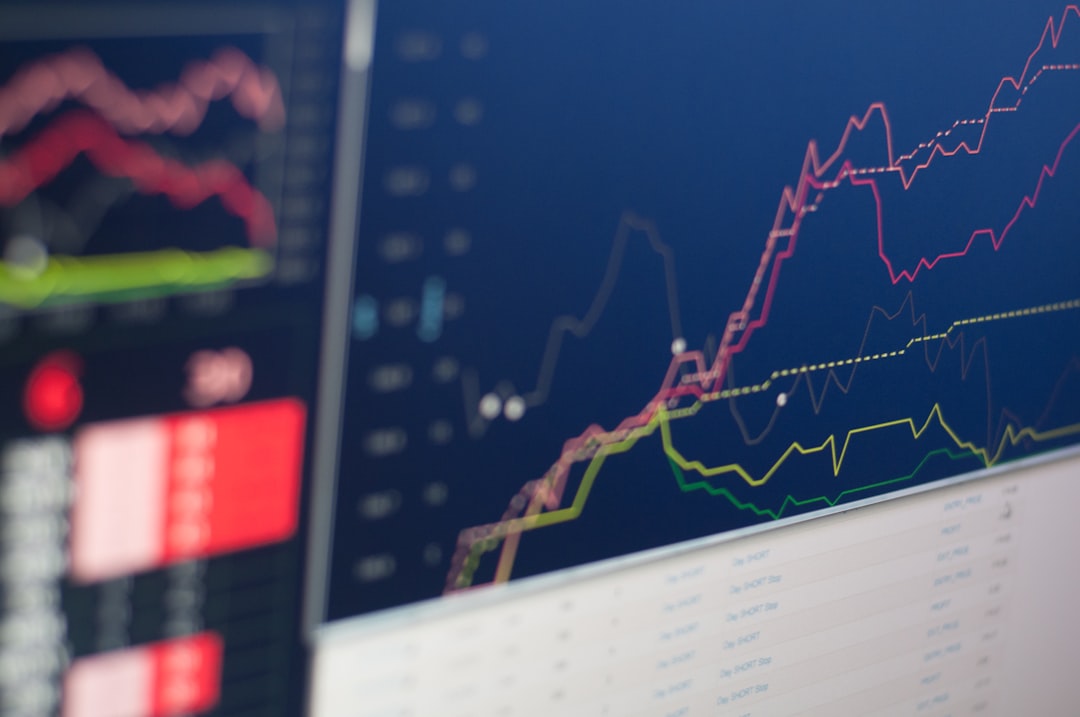
The Golden Cross occurs when a short-term moving average (typically the 50-day MA) crosses above a long-term moving average (usually the 200-day MA). This crossover signals that recent price momentum is stronger than the broader trend. Think of it as the market saying, “Hey, the bulls are taking control.”
The Setup
To trade the Golden Cross:
1. Identify the Cross – Wait for the 50 MA to close above the 200 MA. Don’t jump in on an intraday cross; confirm with a daily close.
2. Check Volume – Ideally, the crossover happens with rising volume. That adds conviction.
3. Look for a Pullback – Many traders wait for a retest of the 50 MA after the cross. This gives a better entry than buying the exact crossover.
4. Set Your Stop – Place a stop loss below the 200 MA or recent swing low.
Risk Management
No signal is perfect. The Golden Cross can produce false signals in choppy markets. To protect your capital:
- Never risk more than 1-2% of your portfolio on a single trade.
- Use a trailing stop once the trade moves in your favor by 10-15%.
- Avoid trading the cross in low-volume altcoins or during major news events.
- Combine with other indicators like RSI or MACD to filter out weak signals.
Conclusion
The Golden Cross is a powerful tool, but it’s not a crystal ball. It works best in trending markets, so always consider the broader market context. Start by practicing on historical charts, then paper trade before risking real money. Remember: the goal is consistent profits, not home runs. Stay disciplined, and the cross will work for you.
Oracles in RWA: Chainlink CCIP for Tokenized Assets
Real World Assets (RWAs) represent a paradigm shift in finance, bridging tangible assets like real estate, bonds, and commodities with blockchain technology. This guide explores the critical role of oracles—specifically Chainlink CCIP—in ensuring accurate, secure data flows between off-chain assets and on-chain tokens.
What Are Real World Assets (RWAs)?
RWAs are physical or financial assets tokenized on a blockchain. Unlike purely digital assets, RWAs maintain a link to off-world value, enabling fractional ownership, 24/7 liquidity, and transparent record-keeping. The key challenge is the ‘off-chain vs on-chain’ gap: how do you trust that a token represents a real building or bond? This is where oracles become indispensable.
How Oracles Enable RWA Tokenization
Oracles act as trusted intermediaries that fetch, verify, and deliver off-chain data to smart contracts. Chainlink CCIP (Cross-Chain Interoperability Protocol) extends this by enabling secure cross-chain communication. The typical process:
- Tokenization: An asset (e.g., a commercial property) is legally structured via a Special Purpose Vehicle (SPV).
- Oracle Integration: Chainlink CCIP pulls verified data—property valuations, interest rates, or credit scores—from authorized sources.
- On-Chain Minting: Smart contracts use this data to mint tokens representing fractional ownership, with real-time price feeds.
- Continuous Updates: Oracles refresh data (e.g., rental yields, bond coupons) to maintain token accuracy.
Reports from BlackRock and data from RWA.xyz show that institutional adoption relies on robust oracle infrastructure to mitigate data manipulation risks.
Investment Analysis: Pros, Cons, and Risks
Pros
- Liquidity: Fractionalization opens markets to smaller investors.
- Transparency: On-chain records reduce fraud.
- Efficiency: 24/7 trading and automated compliance via smart contracts.
Cons & Risks
- Regulation: Jurisdictional uncertainty—tokenized assets may face securities laws.
- Smart Contract Risk: Bugs in oracle or token contracts can lead to loss.
- Data Reliability: Oracle manipulation (e.g., flash loan attacks) remains a threat, though Chainlink CCIP’s decentralized network mitigates this.
For a broader market view, check out our analysis on Real World Assets (RWA): How Tokenization Changes Investing. Investors often compare this to How to Secure Your Crypto Wallet: A Step-by-Step Guide, as both emphasize trust in infrastructure.
Tool Recommendation
For the best charting tools to spot this pattern, try Bitget. Their platform offers advanced analytics for tracking RWA token performance and oracle-driven price feeds. Visit Bitget.
FAQ
What is Chainlink CCIP and why is it important for RWAs?
Chainlink CCIP is a cross-chain protocol that enables secure data and asset transfers between blockchains. For RWAs, it ensures that tokenized assets can be verified and traded across different networks without losing data integrity.
How do oracles prevent data manipulation in RWA tokens?
Oracles like Chainlink aggregate data from multiple independent sources, using a decentralized network of nodes. This makes it extremely difficult for any single entity to falsify information, protecting token holders from price or valuation fraud.
What are the main regulatory risks for RWA investors?
Regulatory risks include classification as securities, compliance with KYC/AML laws, and jurisdictional conflicts. Investors should consult legal experts and monitor guidance from bodies like the SEC or ESMA.
Conclusion
Oracles, particularly Chainlink CCIP, are the backbone of trustworthy RWA tokenization. They solve the off-chain/on-chain trust gap, enabling institutional-grade assets to enter DeFi. While regulatory and smart contract risks persist, the technology is maturing. For investors, understanding oracle architecture is as critical as evaluating the underlying asset. As the ecosystem grows, platforms like Bitget provide essential tools for tracking these innovations.
Geopolitical Risk and Bitcoin: What the Iran Conflict Means for Crypto Markets
Did you know that Bitcoin dropped below $62,000 after President Donald Trump threatened fresh military strikes against Iran? This event shows how closely cryptocurrency markets can react to global geopolitical tensions. For crypto investors, understanding this connection is crucial. When traditional markets face uncertainty from conflicts, oil prices rise—and digital assets often follow the broader risk-off sentiment.
This guide explains why geopolitical events affect Bitcoin’s price, how energy market disruptions ripple through crypto, and what you should watch for during times of international tension. You’ll learn the mechanics behind market reactions, the specific impact of Middle East conflicts, and practical strategies for navigating volatility.
Read time: 8-10 minutes
Understanding Geopolitical Impact on Crypto for Beginners
Geopolitical impact on crypto refers to how international conflicts, diplomatic tensions, and military actions affect cryptocurrency prices and market sentiment. Think of it like a weather system—a storm in one region can create waves thousands of miles away. When major geopolitical events occur, investors globally reassess risk, often selling volatile assets like Bitcoin in favor of “safe havens” like gold or the US dollar.
Why does this matter? Cryptocurrency operates 24/7 across global markets, making it highly sensitive to world events. Unlike stock markets that close and reopen, crypto prices react instantly to breaking news. For beginners, this means that a military conflict on the other side of the world can affect your portfolio within minutes, even if you’re not directly involved.
A real-world example: In February 2022, when Russia invaded Ukraine, Bitcoin dropped over 8% in one day as investors fled to cash. Similarly, any escalation in the Middle East creates immediate selling pressure as traders reduce risk exposure.
The Technical Details: How Geopolitical Events Actually Move Markets
When a geopolitical crisis like the US-Iran tensions unfolds, several market mechanisms kick in simultaneously:
1. Risk-off Sentiment: Investors sell volatile assets (crypto, stocks) and buy stable assets (US Treasury bonds, gold). This is a psychological response to uncertainty.
2. Oil Price Shock: Energy markets spike as supply routes face disruption. Oil climbed over 5% to $74 in this case, which creates inflation concerns and affects mining costs for proof-of-work cryptocurrencies like Bitcoin.
3. Dollar Strength: During geopolitical crises, the US dollar often strengthens as a global reserve currency. A stronger dollar typically pressures Bitcoin prices downward.
4. Liquidity Shifts: Traders move capital from crypto to traditional safe havens, reducing order book depth and increasing volatility.
Why this structure matters: Understanding these cascading effects helps you anticipate market moves rather than react emotionally. For instance, when oil prices spike above $70, Bitcoin has historically shown increased short-term volatility.
Current Market Context: Why This Matters Now
As of this recent development, Bitcoin fell to approximately $61,500 after trading above $63,000 earlier in the day—a 2.4% decline from its intraday high. The catalyst was Trump’s statement at the NATO Summit in Ankara, where he indicated the US could launch more strikes on Iranian assets.
The market impact extends beyond Bitcoin. Oil markets reacted sharply, with West Texas Intermediate crude futures climbing to around $74 per barrel—a 5% increase. This matters for crypto because:
- Higher oil prices increase operational costs for Bitcoin miners
- Energy-intensive mining becomes less profitable at lower Bitcoin prices
- Inflation concerns may delay expected interest rate cuts
The Strait of Hormuz remains a critical chokepoint. Trump mentioned the possibility of targeting Kharg Island, Iran’s main oil export terminal, and restoring a naval blockade at the Strait of Hormuz. Approximately 20% of global oil passes through this waterway, making any disruption significant for global energy markets.
Competitive Landscape: How This Compares to Previous Crises
| Asset/Impact | US-Iran Tensions (Current) | Russia-Ukraine War (2022) | US-China Trade War (2018-19) |
|---|---|---|---|
| Bitcoin Price Reaction | -2.4% intraday drop | -8% single-day drop | Gradual decline over weeks |
| Oil Price Spike | +5% to $74/bbl | +30% to $130/bbl | Moderate +10% |
| Safe Haven Flows | Gold stable near $2,000/oz | Gold rose 8% | Mixed, dollar strengthened |
| Recovery Time | Uncertain, ongoing | 2-3 weeks for BTC to recover | Months-long consolidation |
Why this matters: Current tensions are significant but not yet at the scale of the Russia-Ukraine conflict. However, the threat to the Strait of Hormuz introduces unique risks to global energy supply that could have prolonged effects on inflation and mining economics.
Practical Applications: What This Means for You
How should crypto users respond to geopolitical market volatility?
- Portfolio Diversification: Don’t concentrate all holdings in volatile assets. Consider stablecoins (USDC, USDT) as temporary shelters during heightened tensions.
- Stop-Loss Orders: Set automatic sell orders at predetermined prices to limit downside risk during sudden drops.
- Watch Oil Prices: Monitor WTI crude futures ($70-80 range is a key indicator of inflation pressure on crypto)
- Timing Entries: Consider accumulating during fear-driven selloffs rather than buying at peak geopolitical tensions
- News Monitoring: Follow credible geopolitical news sources (not just crypto Twitter) to anticipate market-moving events
Risk Analysis: Expert Perspective
Primary Risks:
1. Escalation Risk: If conflict expands beyond airstrikes to include naval blockades or ground operations, oil could spike to $100+, severely impacting mining profitability.
2. Regulatory Risk: Geopolitical crises often accelerate government oversight. The US could impose stricter crypto regulations under national security pretexts.
3. Liquidity Risk: During extreme volatility, exchanges may experience order book thinning, leading to slippage on trades.
Mitigation Strategies:
- Maintain 20-30% of crypto holdings in stablecoins during uncertain periods
- Use limit orders instead of market orders to avoid slippage
- Consider dollar-cost averaging rather than lump-sum entries
Historical Precedent: During the 2020 US-Iran tensions (after the Soleimani strike), Bitcoin dropped 10% intraday but recovered within a week. This suggests selling pressure tends to be short-lived absent sustained escalation.
Beginner’s Corner: How to Monitor Geopolitical Risk
Step 1: Set up news alerts for “Strait of Hormuz,” “Iran oil,” and “Middle East conflict” on a reliable news aggregator.
Step 2: Check oil prices daily on TradingView or CNBC. If WTI crude rises above $75, expect crypto volatility.
Step 3: Monitor Bitcoin dominance on CoinMarketCap. Rising dominance (above 55%) indicates capital flowing to Bitcoin from altcoins during uncertainty.
Step 4: Use fear and greed index. Readings below 20 (“Extreme Fear”) often present buying opportunities for long-term holders.
Step 5: Keep exchange funds minimal. During geopolitical crises, withdrawal delays can occur. Keep long-term holdings in self-custody (hardware wallet).
Common Mistake to Avoid: Don’t panic-sell all crypto. Geopolitical selloffs are often short-lived. Have a strategy—sell partial positions if needed, but maintain core holdings.
Future Outlook: What’s Next
The immediate outlook depends on whether US-Iran tensions de-escalate or intensify:
- Short-term (1-2 weeks): If no further military action occurs, expect Bitcoin to recover toward $63,000-$64,000 as oil prices stabilize.
- Medium-term (1-3 months): If the Strait of Hormuz faces disruption, expect sustained oil above $80 and Bitcoin potentially testing $58,000 support.
- Long-term (6+ months): Geopolitical instability historically accelerates Bitcoin adoption in countries facing currency debasement (like Iran, Venezuela). This could create offsetting demand.
Expected developments: Trump’s administration appears prepared for additional military action rather than immediate negotiations. Markets will watch for any attacks on Iranian oil infrastructure, which would significantly escalate the conflict’s economic impact.
Key Takeaways
- Geopolitical conflicts create immediate, often temporary selling pressure on Bitcoin as investors reduce risk exposure
- Oil price movements are a leading indicator of crypto volatility during Middle East tensions—watch $75 WTI as a key threshold
- The Strait of Hormuz threat is unique to this situation, with potential to disrupt 20% of global oil supply
- Strategic responses include stablecoin diversification, stop-loss orders, and avoiding panic selling during short-lived geopolitical selloffs
,
“datePublished”: “{scrapedAt}”,
“dateModified”: “{current_date}”,
“mainEntity”: {
“@type”: “Thing”,
“name”: “Geopolitical Impact on Cryptocurrency”
}
}