
Former Blackrock Executive Defends Ethereum as Solana Validator Count Drops to 800
Jul 3, 2026 — A former Blackrock executive has pushed back against criticism that Ethereum has a “culture problem,” arguing the network’s 900,000-plus validators and over one million developers give it a decentralization edge that Solana cannot match. Joseph Chalom, co-CEO of ether treasury firm Sharplink and former head of digital assets strategy at Blackrock, made the comments as Solana’s validator count continues to shrink.
Immediate Details & Direct Quotes
Ready to act on this news? Open an account on Binance — the world’s largest crypto exchange.
Chalom rejected growing narratives questioning Ethereum’s cultural direction, pointing instead to raw participation metrics. “Ethereum has a million contributors and a million validators. Solana has less than 800 validators and 92% running on one client,” Chalom said.
“There’s this view that Ethereum has something around the narrative that’s missing. Just look at the scoreboard again. It passed a million contributors to the code and the ecosystem. I’m not sure there’s any open source blockchain project that’s even close,” he added.
Chalom noted his years at Blackrock gave him firsthand insight into how large institutions evaluate blockchain networks. According to him, allocators prioritize Ethereum’s decentralization and neutrality because these features reduce the risk that any single operator, client, or foundation can capture the network.
“This risk matters more to a pension fund than raw throughput,” Chalom said.
Market Context & Reaction
Data from Electric Capital shows 1,012,824 individuals have contributed code to Ethereum over its lifetime, with roughly 232,000 remaining active over the past twelve months. Chalom described Ethereum as “the default operating system for programmable finance and internet-native capital formation,” attributing that position to its talent base rather than marketing.
Solana’s validator set has shrunk by approximately 68% in three years, falling from roughly 2,500 to around 800 after the network introduced a “pruning” process in 2025 to remove underperforming nodes. Supporters call the cull a quality overhaul; critics argue it thins an already small set.
Client diversity also emerged as a key concern. When a majority of validators run identical software, a single bug can threaten the entire chain. Ethereum has spent years pushing validators onto multiple independent clients to guard against this failure mode.
This debate carries real financial weight. Sharplink holds 886,725 ETH as of late June and has helped fund Ethlabs, a research outfit founded by former Ethereum Foundation staff and backed by Consensys founder Joe Lubin.
A firm with that much exposure has a direct stake in Ethereum retaining its developer and validator lead.
Background & Historical Context
The dispute comes amid broader questions about Ethereum’s market positioning. Bitcoin.com News recently reported that a longtime Ethereum Foundation figure conceded the network still lacks a clear “value story” for investors. That admission fueled the very culture-problem narrative Chalom is now disputing.
Solana’s camp argues that a leaner, faster network is better suited to consumer applications and high-frequency trading than a sprawling validator set.
The debate centers on what metrics matter most for long-term blockchain adoption. Chalom frames Ethereum’s massive validator count and developer ecosystem as evidence of irreplaceable security and neutrality. Critics counter that application throughput and user experience will ultimately determine which network wins.
What This Means
Looking ahead, if institutions continue routing tokenization and stablecoin activity through Ethereum, Chalom’s builder-gravity thesis strengthens. However, if Solana’s speed keeps pulling in traders and developers, the validator-count comparison will matter less than the apps people actually use.
For investors, the key question remains which blockchain will capture institutional capital flows and developer talent over the next market cycle. Chalom has placed a significant bet on Ethereum, but the network still faces ongoing concerns about its ability to communicate a clear value proposition to mainstream markets.
Both networks are pursuing fundamentally different strategies. Ethereum prioritizes decentralization and developer diversity. Solana prioritizes speed and efficiency. The coming months will reveal which approach resonates with the market.
—

Unlocking Bitcoin’s Next Frontier: A Beginner’s Guide to Layer-2 Ecosystems
Bitcoin is no longer just digital gold—it’s becoming a bustling ecosystem. With the rise of Bitcoin Layer-2 solutions like the Lightning Network, Stacks, Rootstock, and Liquid, traders now have new opportunities to earn, trade, and deploy capital. If you’re used to thinking of Bitcoin as a buy-and-hold asset, it’s time to expand your playbook. This guide will walk you through how these Layer-2 ecosystems work and how you can trade them with confidence.
How It Works
Bitcoin’s base layer is secure but slow—transactions take minutes and fees can spike. Layer-2 solutions sit on top of Bitcoin to handle faster, cheaper transactions while still relying on Bitcoin’s security. Think of it like a highway (Layer-1) with express lanes (Layer-2) for smaller, quicker trips. For traders, this means:
- Lightning Network: Instant, low-cost payments. Great for scalping small moves or arbitrage between exchanges.
- Stacks: Enables smart contracts and DeFi on Bitcoin. You can earn yields by stacking STX tokens or participating in protocols.
- Rootstock (RSK): Brings Ethereum-compatible smart contracts to Bitcoin. Trade tokens like RBTC or use lending platforms.
- Liquid: A sidechain for fast, confidential settlements. Ideal for moving large sums between exchanges quickly.
The Setup
To trade Layer-2 ecosystems, you don’t need to be a developer. Here’s a simple framework:
1. Pick a Layer-2 Asset: Start with the native token of the ecosystem (e.g., STX for Stacks, RBTC for Rootstock, or L-BTC for Liquid). These are listed on major exchanges like Binance, Kraken, or decentralized exchanges.
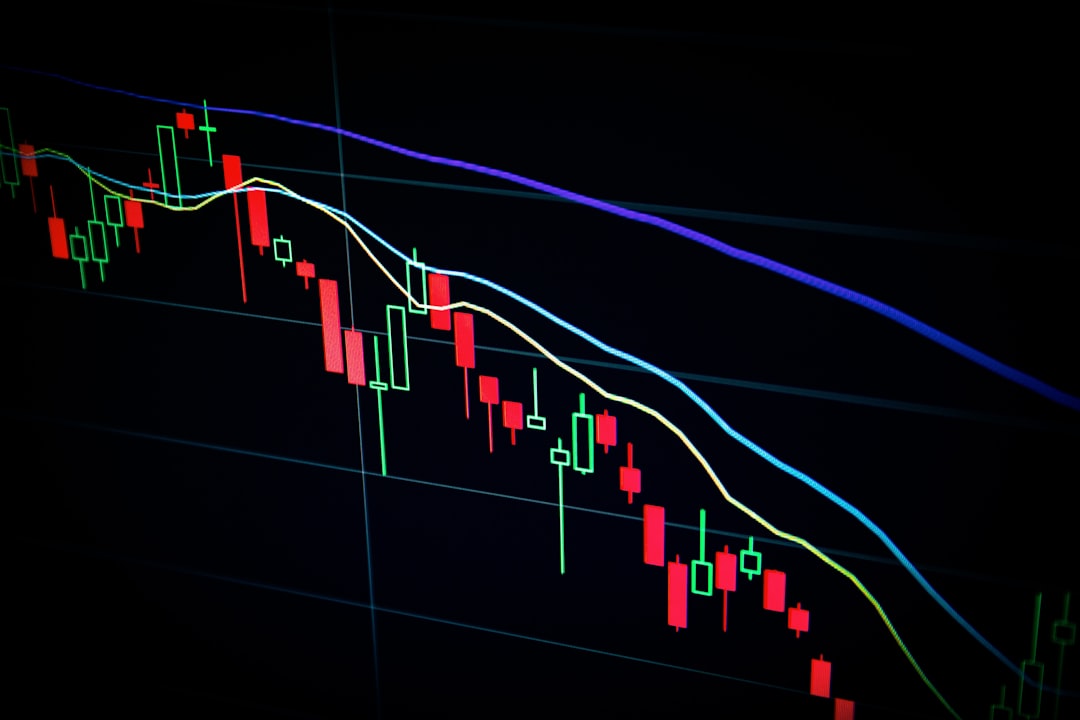
2. Understand the Narrative: Layer-2 tokens often rally on news—network upgrades, new dApps, or increased TVL (Total Value Locked). Follow crypto news and social channels for catalysts.
3. Look for Volume Spikes: Use trading tools to monitor when trading volume suddenly increases. This often precedes price moves.
4. Enter on Pullbacks: Don’t chase pumps. Wait for a 10–20% retracement from a recent high, then buy with a stop loss below the recent low.
Example Trade:
- Asset: STX
- Entry: $1.80 (after a pullback from $2.00)
- Stop Loss: $1.60 (below support)
- Target: $2.20 (previous resistance)
- Risk/Reward: 1:2
Risk Management
Layer-2 tokens can be volatile—some have 50%+ swings in a week. Protect yourself:
- Position Size: Never risk more than 2% of your trading capital on a single trade.
- Diversify: Don’t put all your eggs in one Layer-2. Spread across 2–3 ecosystems.
- Use Stop Losses: Always set a stop loss. If the trade goes against you, cut losses quickly.
- Stay Liquid: Keep some capital in stablecoins to take advantage of sudden dips.
- Watch for Network Risks: Layer-2s are newer and may have bugs or congestion. Only trade what you understand.
Conclusion
Bitcoin Layer-2 ecosystems are unlocking a new wave of trading opportunities—from fast payments to DeFi yields. By understanding how each solution works, spotting volume-driven setups, and managing risk, you can trade these assets with more confidence. Start small, stay curious, and remember: the best trades are the ones you plan ahead.
Ready to dive deeper? Check out our free guide on Bitcoin Layer-2 basics at CryptoSimplified.net.
Gold-Backed Cryptos vs Physical Gold: Pros and Cons
Gold has been a store of value for millennia, but the rise of blockchain technology has introduced a new contender: gold-backed cryptocurrencies. These digital tokens represent ownership of physical gold stored in vaults, combining the stability of the precious metal with the efficiency of decentralized finance. This guide compares gold-backed cryptos and physical gold, analyzing their pros, cons, and investment suitability.
How Gold-Backed Cryptos Work
Gold-backed tokens bridge the off-chain and on-chain worlds through a structured process:
- Tokenization: A custodian (e.g., a vault operator) holds physical gold bullion. A smart contract issues digital tokens (e.g., PAXG, XAUT) representing fractional ownership of that gold.
- Special Purpose Vehicle (SPV): The gold is held in a legally separate SPV to protect token holders in case of custodian bankruptcy.
- Oracle Integration: Oracles (e.g., Chainlink) provide real-time gold price feeds to the blockchain, ensuring token value mirrors the spot price.
- Blockchain Settlement: Tokens can be transferred, traded, or used as collateral 24/7 on decentralized exchanges (DEXs) and lending protocols.
Investment Analysis: Pros and Cons
Pros of Gold-Backed Cryptos
- Fractional Ownership: Buy as little as $1 worth of gold, lowering the barrier to entry versus physical bars or coins.
- 24/7 Liquidity: Trade tokens anytime on global crypto markets, unlike physical gold which requires business hours and secure transport.
- Transparency: Public blockchain records allow anyone to verify total supply and audit reports from custodians like Paxos or Tether.
- DeFi Integration: Use tokens as collateral for loans (e.g., on Aave) or earn yield through liquidity pools.
Cons and Risks
- Regulatory Uncertainty: Gold-backed tokens may be classified as securities or commodities depending on jurisdiction, affecting tax treatment and compliance. Reports from BlackRock and the SEC highlight ongoing scrutiny.
- Smart Contract Risk: Bugs or exploits in token contracts could lead to loss of funds, as seen in historical DeFi hacks.
- Custodial Risk: You rely on the custodian to hold the physical gold honestly. Data from RWA.xyz shows that not all issuers provide real-time proof of reserves.
- Counterparty Risk: The SPV structure may not fully protect against fraud or mismanagement.
For a broader market view, check out our analysis on What the Senate Ban on Prediction Market Betting Means for Crypto Users. Investors often compare this to Ronin Ethereum Migration Goes Live on May 12.
Tool Recommendation
When trading gold-backed tokens, low fees are crucial for this strategy. We recommend MEXC, a centralized exchange offering competitive maker-taker fees and deep liquidity for tokens like PAXG and XAUT. You can start trading at https://promote.mexc.co/a/PefPNW2g.
FAQ
Are gold-backed cryptos safer than physical gold?
Not necessarily. Physical gold eliminates smart contract and counterparty risk but introduces storage and insurance costs. Gold-backed tokens offer convenience and liquidity but depend on the custodian’s integrity and regulatory compliance. Diversification across both can mitigate specific risks.
Can I redeem gold-backed tokens for physical gold?
Yes, most issuers (e.g., Paxos for PAXG) allow redemption of a minimum amount (e.g., 1 token = 1 fine troy ounce) for physical delivery, subject to fees and KYC. Smaller holders typically sell tokens on exchanges instead.
What are the tax implications of gold-backed cryptos?
Tax treatment varies by country. In the US, the IRS treats gold-backed tokens as property (like other cryptocurrencies), subject to capital gains tax. Physical gold may qualify for collectibles tax rates (28%). Consult a tax professional for your jurisdiction.
Conclusion
Gold-backed cryptos offer a modern, liquid, and accessible way to invest in gold, ideal for DeFi users and those seeking fractional exposure. However, they introduce regulatory, smart contract, and custodial risks absent in physical gold. For traditional investors prioritizing security and simplicity, physical gold remains a proven safe haven. The best choice depends on your risk tolerance, liquidity needs, and technical comfort.
How to Bridge Assets Across Blockchains Safely: A 2024 Guide
Introduction
Bridging assets across blockchains is a fundamental skill for any crypto user who wants to move tokens between networks like Ethereum, BNB Chain, Polygon, or Solana. However, bridges are also prime targets for hacks and user errors. This guide will walk you through the safest methods, key risks, and best practices to protect your funds while moving assets across chains.
Key Concepts
- Cross-Chain Bridge: A protocol that locks tokens on one chain and mints equivalent tokens on another chain (e.g., Wrapped BTC on Ethereum).
- Trustless vs. Custodial Bridges: Trustless bridges rely on smart contracts and validators; custodial bridges use a central entity to hold funds.
- Slippage & Fees: Network fees (gas) and bridge fees vary by chain and congestion. Always check total cost before bridging.
- Finality: The time it takes for a transaction to be irreversible on the source chain before the bridge releases funds on the destination chain.
Pro Tips
- Always use well-audited bridges with a track record (e.g., Stargate, Across, or official bridges like Polygon PoS).
- Start with a small test transaction to confirm the bridge works and you have the correct destination address.
- Check the destination chain’s native token (e.g., ETH on Arbitrum) to ensure you have gas for future transactions.
- Never bridge directly from an exchange to a new chain without first testing with a small amount.
- Monitor bridge contracts for recent security incidents via platforms like DeFiLlama or RugDoc.
For more details on this, check out our guide on South Korea Proposes 5% Crypto Cap for Corporations.
FAQ Section
What is the safest bridge to use?
There is no single safest bridge, but generally, bridges with high total value locked (TVL), multiple audits, and a long operational history (e.g., Stargate, Synapse, or official chain bridges) are considered more secure.
Can I lose my funds when bridging?
Yes. Risks include smart contract bugs, validator attacks, and user error (sending to the wrong address). Always double-check addresses and use reputable bridges.
Why are bridge fees sometimes high?
Fees depend on the source chain’s gas costs, the bridge’s liquidity, and the complexity of the cross-chain message. During network congestion, fees can spike.
How do I know if a bridge is legitimate?
Check the bridge’s official website via trusted sources (e.g., DeFiLlama, CoinGecko), read audits, and look for community reviews. Avoid clicking random links from social media.
Conclusion
Bridging assets across blockchains is a powerful tool for accessing DeFi, NFTs, and lower fees, but it comes with risks. By understanding key concepts, following pro tips, and using reputable bridges, you can move your assets safely. Always prioritize security over speed, and never bridge more than you can afford to lose in a single transaction.
You might also be interested in reading about The 2024 Airdrop Farming Playbook: How to Catch the Next Big Token Drop.
Binance ETH Withdrawals Surge to 3-Year High as Riot Stages 500 BTC for Sale
Jul 3, 2026 — Binance processed over 166,000 ether withdrawal transactions in a single day, the highest count in three years, as Bitcoin miner Riot Platforms moved 500 BTC worth $30.72 million to NYDIG custody, signaling potential sale activity.
Immediate Details & Direct Quotes
Low fees are crucial when trading breaking news. We recommend MEXC for tight spreads and fast execution.
The withdrawal surge occurred as ether traded near $1,725, according to CryptoQuant analyst Darkfost, who noted the spike could indicate accumulation or funds rotating into DeFi yield opportunities. A record transaction count driven by smaller withdrawals historically signals retail participants moving coins to self-custody, which analysts consider a bullish supply signal.
Despite the record withdrawal count, Binance’s exchange netflow remained positive at 12,938 ETH — meaning more ether entered the platform than left it. Fellow CryptoQuant analyst PelinayPA offered a cautious interpretation, stating positive netflow suggests “selling risk because coins on exchanges are easier to sell.” This dynamic points to small holders withdrawing while larger players may be positioning inventory to sell.
On the Bitcoin side, Riot Platforms transferred 500 BTC worth approximately $30.72 million to NYDIG custody. NYDIG deposits have repeatedly preceded Riot’s onchain sale patterns this year, including a similar 500 BTC move in April when the coins were worth about $39 million.
Market Context & Reaction
Institutional demand provided some counterweight to the selling pressure. U.S. spot ether ETFs returned to net inflows yesterday, adding $29.08 million, with Blackrock’s ETHA accounting for $29.74 million — flows that helped ether defend the $1,700 support zone.
Riot’s staging of bitcoin occurred with BTC near $61,000, roughly $15,600 below the miner’s Q1 average selling price of $76,626. This means any sale at current levels would lock in weaker economics compared to earlier this year.
The company has been one of 2026’s most consistent miner-sellers, having sold 3,778 BTC in Q1 — more than double the 1,473 BTC it produced — generating $289.5 million in net proceeds. Those funds were earmarked largely for Riot’s data center expansion.
Background & Historical Context
Riot’s BTC holdings have declined significantly, falling to 15,680 BTC at the end of Q1, down 18% from 19,223 a year earlier, with 5,802 of those coins restricted. The staging of 500 BTC today follows a pattern established earlier this year, where NYDIG deposits preceded onchain sales.
Ether’s withdrawal surge comes as the asset attempts to stabilize after a difficult second quarter. An a16z-linked wallet pulled 25,560 ETH worth $42.6 million off Binance earlier this year, according to Bitcoin.com News.
The day’s movements sketch a market still sorting out who wants exposure at current levels. Retail-scale ether holders appear to be taking coins into self-custody even as net supply on Binance grows, while a major public miner is staging bitcoin at the sale window rather than holding through the drawdown.
What This Means
The divergent signals suggest near-term volatility may persist. Retail accumulation of ether through smaller withdrawals could provide support, but positive exchange netflow keeps selling risk elevated if larger holders decide to liquidate.
For Bitcoin, Riot’s staging at prices below its Q1 average selling price indicates the miner may be preparing to sell into current market conditions, potentially adding supply pressure.
Traders should monitor whether ether ETF inflows continue to offset exchange selling pressure, and whether Riot follows through with actual sales from the staged BTC. The broader market picture remains one of cautious positioning as major participants hedge their exposure.
—

The Golden Cross: Your Blueprint for Riding Major Crypto Trends
Imagine a signal so clear that it has historically marked the beginning of some of the biggest bull runs in crypto history. That signal is the Moving Average Golden Cross. It’s not magic, and it’s not a guarantee, but it is one of the most reliable trend-following tools in a trader’s toolkit. Let’s break down exactly what it is, how to spot it, and—most importantly—how to trade it without getting burned.
How it Works
A Golden Cross occurs when a short-term moving average (typically the 50-period MA) crosses above a long-term moving average (typically the 200-period MA). This crossover signals that the recent price momentum is stronger than the longer-term average, suggesting a potential shift from a downtrend to an uptrend.
Think of it like two cars on a highway. The 50-MA is the sports car—fast and responsive to price changes. The 200-MA is the family sedan—steady and slow to change direction. When the sports car overtakes the sedan, it tells you the market is picking up speed.
The Setup
Here’s the step-by-step setup for trading the Golden Cross on a crypto chart (e.g., Bitcoin, Ethereum, or any altcoin with decent liquidity):

1. Choose your timeframe: The classic setup uses the daily chart (1D). This filters out noise and gives you a macro view. For swing trades, you can use the 4-hour chart, but the daily is more reliable.
2. Add the MAs: Plot the 50-period Simple Moving Average (SMA) and the 200-period SMA on your chart. Most platforms like TradingView or Binance have these built in.
3. Wait for the cross: Do not jump in the moment the lines touch. Wait for the 50-MA to close above the 200-MA. A fakeout can happen if the cross is only intraday.
4. Look for volume confirmation: A Golden Cross is much stronger if accompanied by rising trading volume. This shows that big money is backing the move.
5. Enter on a retest (optional but safer): Instead of buying immediately at the cross, wait for the price to pull back and retest the newly formed support near the 50-MA or 200-MA. This gives you a better entry price.
Example: In early 2023, Bitcoin’s daily chart showed a Golden Cross. After the cross, price pulled back slightly to the 50-MA before launching a multi-month rally from $25k to over $44k. Traders who waited for the retest got a fantastic entry.
Risk Management
No strategy is perfect. The Golden Cross can produce false signals, especially in choppy, sideways markets. Here’s how to protect yourself:
- Set a stop-loss below the 200-MA: If price closes significantly below the long-term moving average, the trend may be failing. A common stop is 1-2% below the 200-MA.
- Position size wisely: Never risk more than 1-2% of your total portfolio on a single trade. A Golden Cross is a high-probability setup, but it can still fail.
- Watch for the “Death Cross”: The opposite of the Golden Cross (50-MA crossing below 200-MA) signals a downtrend. If you’re in a trade and a Death Cross forms, consider exiting or tightening your stop.
- Don’t trade it in a range: The Golden Cross works best in trending markets. If price has been moving sideways for months, the cross is less reliable. Check the overall market structure first.
Conclusion
The Moving Average Golden Cross is not a crystal ball, but it is a powerful tool for identifying when a crypto asset is transitioning from bearish to bullish territory. By combining the cross with volume confirmation, a retest entry, and a solid stop-loss, you give yourself a clear, repeatable edge. Start by backtesting it on Bitcoin’s daily chart—you’ll see how often it has marked major turning points. Then, apply it to your own trades with discipline. Remember, in crypto, trends are your friend, and the Golden Cross is your invitation to join the party.
Restaking Explained: EigenLayer and Beyond – The Ultimate Guide to Crypto Restaking
Meta Description: Discover everything about restaking in crypto, from EigenLayer’s innovative protocol to advanced strategies. Learn key concepts, pro tips, and how to maximize yields securely.
Introduction
Restaking is one of the most transformative innovations in decentralized finance (DeFi) and proof-of-stake (PoS) ecosystems. At its core, restaking allows users who have already staked their assets (like ETH) to reuse those staked tokens to secure additional protocols, earning extra rewards without needing to unstake or move their capital. EigenLayer, the pioneering platform in this space, has opened the door to a new paradigm of capital efficiency and shared security. This guide will walk you through everything you need to know about restaking, how EigenLayer works, and what lies beyond.
Key Concepts
- Restaking: The process of using already-staked assets (e.g., stETH, rETH) to simultaneously secure multiple networks or services, earning compounding rewards.
- EigenLayer: A protocol built on Ethereum that enables restaking by allowing validators to opt into securing additional modules called “Actively Validated Services” (AVSs).
- Slashing Conditions: Risks associated with restaking – if the restaked validator misbehaves on any secured service, a portion of the stake can be slashed.
- Liquid Restaking Tokens (LRTs): Tokens like ezETH, rsETH, or pufETH that represent restaked positions, providing liquidity and tradability.
- AVS (Actively Validated Service): Any service (e.g., oracle, bridge, sidechain) that relies on EigenLayer’s restaked security for its consensus.
Pro Tips
- Start with blue-chip LRTs: Use well-audited liquid restaking tokens from established protocols to minimize smart contract risk.
- Diversify across AVSs: Don’t put all your restaked capital into one service; spread risk across multiple AVSs to reduce slashing impact.
- Monitor slashing conditions: Each AVS has its own slashing rules – read them carefully before opting in.
- Use a dedicated wallet: Keep restaking positions in a separate wallet from your daily trading to avoid accidental interactions.
- Track yields and risks: Use dashboards like Dune Analytics or EigenLayer’s own explorer to monitor APY and slashing events.
FAQ Section
What is restaking in simple terms?
Restaking lets you take crypto you already staked (like ETH) and use it to help secure other networks, earning extra rewards in the process – all without unstaking your original coins.
Is restaking safe?
Restaking introduces additional slashing risks. If the service you help secure fails or you misbehave, you can lose a portion of your staked assets. Always assess the AVS’s security and reputation.
How is EigenLayer different from traditional staking?
Traditional staking secures one blockchain (e.g., Ethereum). EigenLayer allows your staked ETH to simultaneously secure multiple services (AVSs), boosting capital efficiency.
What are liquid restaking tokens (LRTs)?
LRTs are tokens that represent your restaked position, giving you liquidity so you can trade, lend, or use them in DeFi while still earning restaking rewards.
Can I restake non-ETH assets?
Currently, EigenLayer primarily supports ETH and liquid staking tokens (like stETH). However, future developments may expand to other PoS assets.
Conclusion
Restaking, led by EigenLayer, is reshaping how we think about security and yield in crypto. By enabling capital to work across multiple protocols simultaneously, it unlocks unprecedented efficiency – but not without risks. Whether you’re a validator, a DeFi enthusiast, or a passive investor, understanding restaking is essential for navigating the next wave of blockchain innovation. Start small, stay informed, and always prioritize security over hype.
For more details on this, check out our guide on The Secret Weapon of Profitable Traders: Your Trading Journal.
You might also be interested in reading about Arbitrum DAO Faces Court Freeze on $71M ETH: A Complete Guide.
BlackRock BUIDL: Institutional Crypto Entry Guide
BlackRock’s BUIDL fund marks a watershed moment for Real World Assets (RWAs) on blockchain. As the world’s largest asset manager with over $10 trillion in AUM, BlackRock’s entry signals that institutional money is not just experimenting with crypto—it is building infrastructure. This guide explains how BUIDL works, its investment implications, and why it bridges TradFi and DeFi.
What Are Real World Assets (RWAs) and Why BUIDL Matters
Real World Assets are tangible or financial assets—such as bonds, real estate, commodities, or credit—that are tokenized on a blockchain. Tokenization converts ownership rights into digital tokens, enabling fractional ownership, 24/7 liquidity, and transparent record-keeping. The key difference between off-chain and on-chain assets is that off-chain assets rely on traditional intermediaries (banks, custodians, clearinghouses) for settlement and verification, while on-chain assets use smart contracts and decentralized ledgers for instant, trust-minimized transactions. BlackRock’s BUIDL (BlackRock USD Institutional Digital Liquidity Fund) tokenizes short-term U.S. Treasury bills and repurchase agreements, offering institutional investors a yield-bearing stablecoin alternative.
How BUIDL Works: The Technical Process
The tokenization process for BUIDL follows a structured framework:
- Asset Selection: BlackRock selects high-quality, short-term U.S. government securities and cash equivalents.
- Special Purpose Vehicle (SPV): The assets are held in a bankruptcy-remote SPV to isolate them from BlackRock’s corporate risk.
- Token Issuance: The BUIDL token is issued on the Ethereum blockchain (ERC-20 standard), representing a proportional claim on the SPV’s assets.
- Oracle Integration: Price oracles (e.g., Chainlink) provide real-time net asset value (NAV) data to the blockchain, ensuring token price reflects underlying asset value.
- Redemption and Minting: Authorized participants can mint new tokens by depositing USD or redeem tokens for USD, maintaining a stable $1 peg.
This structure allows BUIDL to offer daily dividends (paid in additional tokens) and instant settlement, unlike traditional money market funds that settle in T+1 or T+2 days.
Investment Analysis: Pros, Cons, and Risks
BUIDL represents a low-risk, yield-bearing on-chain asset, but it is not without trade-offs.
Pros
- Institutional-Grade Yield: BUIDL targets returns slightly above the federal funds rate, currently around 5% APY, paid daily in tokens.
- 24/7 Liquidity: Unlike traditional money market funds, BUIDL allows redemptions at any time, subject to whitelist restrictions.
- Transparency: All token transactions are recorded on Ethereum, and BlackRock publishes monthly portfolio holdings.
- Regulatory Compliance: BUIDL is registered under the Investment Company Act of 1940, offering investor protections.
Cons
- Limited Access: Only accredited investors and institutional clients can participate directly; retail investors need intermediaries.
- Smart Contract Risk: The Ethereum smart contract could contain bugs or be exploited, though BlackRock uses audited code.
- Regulatory Uncertainty: Future SEC rules on tokenized securities could impact BUIDL’s structure or tax treatment.
Risks
- Counterparty Risk: The SPV structure reduces but does not eliminate BlackRock’s operational risk.
- Oracle Failure: If the NAV oracle malfunctions, token price may deviate from the underlying asset value.
- Market Risk: While Treasury bills are low-risk, they are not risk-free; interest rate changes affect NAV.
For a broader market view, check out our analysis on Binance Opens 7,000 US Stocks to Global Users With Zero-Commission Trading. Investors often compare this to How to Trade the AI Agent Narrative in Crypto: A Step-by-Step Guide.
Tool Recommendation: Charting BUIDL and RWA Trends
To track BUIDL’s performance, NAV, and on-chain activity, you need reliable charting tools. For the best charting tools to spot this pattern, try Bitget. Bitget offers real-time price feeds, volume analysis, and historical data for tokenized assets like BUIDL, helping you monitor institutional flows and yield trends.
FAQ Section
Question: What is the minimum investment for BlackRock BUIDL?
Answer: The minimum investment is $100,000 for accredited investors, though some platforms may offer lower entry via pooled funds.
Question: How does BUIDL pay dividends?
Answer: Dividends are accrued daily and paid monthly in additional BUIDL tokens, based on the fund’s net income from Treasury yields.
Question: Is BUIDL available to retail investors?
Answer: Not directly. Retail investors can gain exposure through brokerages or DeFi protocols that integrate BUIDL as collateral, but direct minting requires accredited status.
Conclusion
BlackRock’s BUIDL is a landmark product that validates the RWA thesis: institutional money can and will use blockchain for efficiency gains. While it is not a high-risk, high-reward crypto asset, it provides a stable, yield-bearing on-ramp for TradFi capital. For investors, BUIDL represents a low-volatility core holding that bridges the gap between traditional money markets and DeFi. As more asset managers follow BlackRock’s lead, tokenized Treasuries could become a multi-trillion dollar market.
Tokenization Risks Explained: What the IMF Warning Means for Crypto
What happens when finance becomes faster but loses its safety nets? The International Monetary Fund (IMF) just issued a stark warning about tokenization—the process of moving traditional assets like stocks, bonds, and bank deposits onto blockchain networks. While tokenization promises near-instant trades and lower costs, the IMF warns it could make financial systems more vulnerable to sudden shocks. For crypto users, this raises critical questions about security, market stability, and the future of decentralized finance. This guide breaks down the IMF’s warning without the jargon, explains how tokenization actually works, and shows what these risks mean for your crypto holdings. You’ll learn why speed creates new dangers, how regulators are responding, and what to watch for in 2025 and beyond.
Read time: 12-15 minutes
Understanding Tokenization for Beginners
Tokenization is the process of representing real-world assets—like stocks, bonds, or real estate—as digital tokens on a blockchain. Think of it like turning a physical house deed into a digital file that can be instantly transferred to a new owner. Instead of waiting days for paperwork, the transfer happens in seconds through a shared digital ledger that everyone can verify.
Why was this created? Traditional finance (TradFi) is slow. When you buy a stock, the trade executes immediately, but it takes two days (T+2) for the transaction to fully settle—meaning the seller gets paid and the buyer receives the shares. This delay exists because multiple institutions handle different steps: execution, clearing, settlement, and reconciliation. Tokenization eliminates these middle steps by using smart contracts—self-executing code on a blockchain—to handle everything simultaneously.
A real-world example from the crypto space: Securitize tokenized $295 million of its own stock on Solana and Avalanche in June 2026, demonstrating that even companies are moving their own shares onto blockchain rails. This isn’t just theoretical—it’s happening now.
The Technical Details: How Tokenization Actually Works
Tokenization replaces the multi-step TradFi process with a streamlined blockchain workflow. Here’s how it works step by step:
1. Asset Representation: A real-world asset (stock, bond, deposit) is “minted” as a digital token on a blockchain. Each token represents a specific ownership stake.
2. Smart Contract Execution: When a buyer and seller agree to a trade, smart contracts automatically execute the transfer, update ownership records, and process payment—all in one atomic transaction.
3. Shared Ledger Settlement: Instead of multiple institutions reconciling separately, all parties see the same transaction record on the blockchain. Settlement happens in seconds, not days.
4. Collateral Mobility: Tokenized high-quality assets can be instantly deployed as collateral across different platforms, enabling faster lending and borrowing.
Why this structure matters for you: The speed gain is real. The IMF’s Tobias Adrian notes that “processes that once required days of clearing and reconciliation are now completed in moments.” But as the IMF warns, those delays weren’t just inefficiencies—they were buffers that gave banks and regulators time to catch problems.
Suggested infographic: “From T+2 to Instant: How Tokenization Streamlines Settlement” showing the TradFi multi-step process vs. blockchain one-step process.
Current Market Context: Why This Warning Matters Now
The IMF’s warning arrives at a pivotal moment for tokenization adoption. As of July 2026, tokenized assets represent a growing segment of the crypto market, with major players like BlackRock, Fidelity, and Franklin Templeton actively launching tokenized funds. The total value locked in tokenized real-world assets has surpassed $10 billion according to industry trackers.
Key developments driving this warning:
- Institutional adoption accelerating: Major financial institutions are tokenizing everything from money market funds to private credit.
- Regulatory fragmentation: Different jurisdictions have different rules, creating gaps that risks can slip through.
- Cross-border flows increasing: Tokenized assets can move across borders instantly, which the IMF warns could trigger “volatile capital movements” and “erosion of monetary sovereignty” in emerging economies.
The timing is critical because tokenization is moving from experimental to operational. The IMF isn’t saying tokenization is bad—it’s saying the speed benefits come with new risks that existing regulations weren’t designed to handle.
Competitive Landscape: How Tokenization Platforms Compare
| Feature | Ethereum (Leading Smart Contract Platform) | Solana (High-Speed Alternative) | Avalanche (Subnet Architecture) |
|---|---|---|---|
| Settlement Speed | ~12-15 seconds (Layer 1), faster with L2s | ~400 milliseconds | ~1-2 seconds |
| Tokenized Asset Volume | Largest ecosystem (USDC, tokenized Treasuries) | Growing (Securitize chose AVAX) | Emerging (Securitize also chose SOL) |
| Key Risk | Congestion during high activity (gas fees spike) | Network outages (historically experienced) | Smaller developer ecosystem |
| Regulatory Clarity | Medium (SEC scrutiny ongoing) | Medium (similar regulatory exposure) | Low (less established regulatory presence) |
Why this matters: The platform you choose affects not just speed but also risk exposure. The IMF’s warning about “concentration risk” is relevant here—as tokenization activity funnels onto fewer large platforms, a failure in one could become a systemic event.
Practical Applications: Real-World Use Cases
Tokenization isn’t just theoretical—it’s being used right now:
- Institutional Asset Management: BlackRock’s tokenized money market fund (BUIDL) lets investors earn yield on US Treasuries with instant settlement.
- Cross-Border Payments: Tokenized deposits enable near-instant international transfers instead of waiting 3-5 business days.
- Collateral Management: Hedge funds use tokenized Treasuries as collateral for derivatives trading, unlocking capital faster.
- Private Markets: Tokenization makes private equity and real estate investments more accessible by fractionalizing ownership.
- Central Bank Digital Currencies (CBDCs): Over 130 countries are exploring CBDCs, which could use tokenization technology for instant settlement.
Use case for crypto beginners: If you’ve ever used a stablecoin like USDC or USDT, you’ve already experienced a primitive form of tokenization—a digital representation of US dollars on a blockchain. The difference is that stablecoins represent just one asset type; full tokenization covers stocks, bonds, real estate, and more.
Risk Analysis: Expert Perspective
The IMF’s Tobias Adrian identifies several specific risks:
Primary Risks:
1. Systemic Risk from Speed: “When a tokenized asset changes hands, smart contracts can execute trades, transfer ownership, and move payments simultaneously.” This speed means market shocks propagate instantly. In TradFi, settlement delays give risk managers time to intervene. In tokenized finance, a coding error or automated selling wave could cascade before anyone can stop it.
2. Concentration Risk: “When infrastructure becomes the central hub, governance failures become systemic events.” Tokenization tends to concentrate activity on fewer, larger platforms. If one platform has a technical failure or governance breakdown, it could affect the entire ecosystem.
3. Cybersecurity Risk: Shared ledgers create single points of vulnerability. The IMF warns this “amplifies the importance of operational resilience, cybersecurity, and crisis management.” A successful hack of a major tokenization platform could compromise millions of dollars in tokenized assets.
4. Regulatory Uncertainty: Adrian notes that “market participants must know whether tokenized records constitute definitive ownership, whether settlement finality is legally recognized, and which jurisdiction’s law applies.” Without clarity, tokenization remains fragmented and risky.
Historical Precedent: The 2022 Terra/LUNA crash demonstrated how algorithmic systems can fail catastrophically when automation runs unchecked. While tokenized assets are different (they represent real-world assets, not algorithmic tokens), the risk of smart contract failure creating cascading losses is real.
Mitigation Strategies:
- Hybrid models: Some proposals suggest keeping settlement finality on traditional rails while using blockchain for execution.
- Insurance and reserve requirements: Tokenization platforms could maintain insurance funds against smart contract failures.
- Regulatory sandboxes: Countries like Singapore and Switzerland are testing tokenization within controlled regulatory frameworks.
Expert Consensus: The IMF isn’t anti-tokenization—it’s calling for updated regulations before adoption accelerates further. The key takeaway: “Frictions disappear—but so do buffers.” Speed is a double-edged sword.
Beginner’s Corner: How to Protect Yourself
If you’re using or considering tokenized assets, here’s a quick guide:
Step 1: Understand what you’re holding. Tokenized assets should have clear legal backing—verify that the token represents actual ownership of a real-world asset.
Step 2: Use reputable platforms. Stick with platforms that have regulatory compliance (e.g., SEC-registered transfer agents, MiCA-compliant issuers in Europe).
Step 3: Diversify platforms. Don’t put all your tokenized assets on one blockchain or platform. The IMF’s concentration risk warning applies to users too.
Step 4: Monitor regulatory developments. Tokenization regulations are evolving rapidly. Follow updates from your jurisdiction’s financial regulator.
Step 5: Have a backup plan. Consider keeping some assets in traditional custody (e.g., bank accounts) as a hedge against platform risk.
Common Mistake to Avoid: Don’t assume tokenization eliminates all counterparty risk. The token is only as good as the legal agreement backing it and the platform securing it.
Future Outlook: What’s Next
The IMF’s warning is likely to accelerate regulatory action. Here’s what to expect:
1. Regulatory Frameworks by 2027: Expect more jurisdictions to follow the EU’s MiCA regulation, which already provides a framework for asset-referenced tokens. The US may see clearer guidance from the SEC and CFTC on token classification.
2. Hybrid Settlement Models: Some proposals suggest keeping tokenization for execution while maintaining traditional settlement for finality—essentially keeping the buffers the IMF worries about losing.
3. Cross-Border Standards: The IMF and Bank for International Settlements (BIS) are likely to push for international standards on tokenization to prevent regulatory arbitrage and capital flight.
4. Insurance Market Growth: Expect the emergence of specialized insurance products for tokenized assets, covering smart contract risk and platform failure.
5. Emerging Economy Impact: The IMF’s warning about “volatile capital movements” and “erosion of monetary sovereignty” suggests developing countries may impose capital controls on tokenized cross-border flows.
Temporal Phrasing: These developments are expected over the next 18-36 months. Tokenization won’t disappear, but its growth path may be slower and more regulated than early advocates hoped.
Key Takeaways
- Tokenization makes finance faster by removing settlement delays, but those delays also served as safety buffers against shock propagation, according to the IMF.
- Key risks include systemic cascades from speed, concentration on few platforms, cybersecurity vulnerabilities, and unresolved legal ambiguity about ownership and jurisdiction.
- Regulatory frameworks (like MiCA in Europe) are evolving but haven’t caught up to the speed of tokenization, creating gaps that could amplify risks.
- For crypto users, due diligence is essential—understand platform risks, diversify holdings, and stay informed about regulatory changes in your jurisdiction.
,
“datePublished”: “2026-07-03T14:06:00-04:00”,
“dateModified”: “2026-07-03T14:06:00-04:00”,
“mainEntity”: {
“@type”: “Thing”,
“name”: “Tokenization”
}
}

Catch the Next Move Early: The RSI Divergence Strategy
Let’s be real: chasing pumps and panicking during dumps is a fast track to losing money. But what if there was a way to spot a trend reversal before it happens? That’s exactly what the RSI Divergence Strategy offers. It’s one of the most reliable tools in a trader’s toolkit—and once you master it, you’ll start seeing the market in a whole new light.
How It Works
The Relative Strength Index (RSI) is a momentum oscillator that measures the speed and change of price movements. Normally, when price goes up, RSI goes up, and when price goes down, RSI goes down. Divergence happens when they disagree—and that’s where the opportunity lies.
- Bullish Divergence: Price makes a lower low, but RSI makes a higher low. This suggests selling momentum is weakening and a reversal to the upside is likely.
- Bearish Divergence: Price makes a higher high, but RSI makes a lower high. This signals buying momentum is fading and a drop could be coming.
The Setup
Here’s how to trade it step by step:
1. Identify the Trend: Use a higher timeframe (like 4H or daily) to determine the overall direction. Divergence works best when it aligns with the trend (e.g., bullish divergence in an uptrend).

2. Spot the Divergence: Draw lines connecting the swing highs (for bearish divergence) or swing lows (for bullish divergence) on both price and RSI. Look for disagreement.
3. Wait for Confirmation: Don’t jump in immediately. Wait for the price to break a key level (like a trendline or recent swing high/low) or for the RSI to cross above/below 50.
4. Enter the Trade: On a bullish divergence, enter long after confirmation. On a bearish divergence, enter short.
Risk Management
No strategy is perfect, and divergence can fail—especially in strong trends. Always use a stop loss:
- Stop Loss Placement: Place it just below the recent swing low (for longs) or above the recent swing high (for shorts).
- Position Size: Never risk more than 1-2% of your account on a single trade.
- Take Profit: Use a risk-to-reward ratio of at least 1:2. You can also trail your stop as the trade moves in your favor.
Conclusion
The RSI Divergence Strategy is a powerful way to anticipate market turns, but it’s not a magic bullet. Combine it with other tools like support/resistance or volume for higher probability setups. Practice on a demo account first, and soon you’ll be catching moves that others miss. Stay disciplined, and happy trading!