
Using Etherscan: Tracking Whales and Verifying Transactions – The Ultimate Guide
Introduction
Etherscan is the leading blockchain explorer for Ethereum, offering a transparent window into on-chain activity. Whether you’re a trader looking to track whale movements or a developer verifying a transaction, Etherscan provides the tools you need. This guide will walk you through the essentials of using Etherscan to monitor large holders (whales) and confirm transaction details, helping you make informed decisions in the crypto market.
Key Concepts
- Blockchain Explorer: A tool that allows you to search and navigate blockchain data, including transactions, addresses, and blocks.
- Whale Tracking: Monitoring addresses with large token holdings or high transaction volumes to anticipate market moves.
- Transaction Verification: Confirming that a transaction has been processed, including its status (pending, success, or failed), gas used, and block confirmation.
- Token Transfers: Viewing ERC-20 token movements, including which tokens were sent, from which address, and to which destination.
- Internal Transactions: Transactions triggered by smart contracts, often invisible on the main transaction list but viewable under the ‘Internal Txns’ tab.
Pro Tips
- Use the ‘Token Holder’ Tab: For any token, click the ‘Holders’ tab to see the top addresses sorted by balance. This reveals whale wallets.
- Set Up Alerts: Use Etherscan’s ‘Watch List’ feature to monitor specific addresses and receive email notifications for incoming/outgoing transactions.
- Check ‘Internal Txns’: When verifying a complex transaction (e.g., a DeFi swap), always check the ‘Internal Txns’ tab to see the full flow of funds.
- Analyze Gas Prices: Whale transactions often use high gas fees to prioritize execution. Look for spikes in gas price to spot urgent whale moves.
- Use the ‘Advanced Filter’: On the token transfer page, filter by amount (e.g., > $100,000) to isolate large whale movements.
For more details on this, check out our guide on Stochastic Oscillator Dip Buying: Your Guide to Smart Crypto Entries.
You might also be interested in reading about Using Etherscan: Tracking Whales and Verifying Transactions – The Ultimate Guide.
FAQ Section
1. Is Etherscan free to use?
Yes, Etherscan is free for basic browsing and transaction verification. Advanced features like API access and alerts may require a paid plan.
2. How do I find whale wallets on Etherscan?
Go to the token’s page, click the ‘Holders’ tab, and sort by balance. You can also use third-party tools like Whale Alert or Dune Analytics for aggregated data.
3. Can I verify a transaction that is still pending?
Yes, you can view pending transactions by searching the transaction hash. The status will show as ‘Pending’ until it is mined.
4. What is the difference between a transaction and an internal transaction?
A standard transaction is initiated by an externally owned account (EOA). An internal transaction is triggered by a smart contract and is not recorded on the main transaction list; you must click the ‘Internal Txns’ tab to see it.
5. How do I track a specific whale address?
Add the address to your Etherscan Watch List (requires a free account). You can then set email alerts for any activity from that address.
Conclusion
Etherscan is an indispensable tool for anyone involved in Ethereum. By mastering whale tracking and transaction verification, you gain a significant edge in understanding market sentiment and ensuring the integrity of your own transactions. Start exploring Etherscan today, and combine it with charting tools like Bitget to elevate your crypto strategy.
KYC vs No-KYC Exchanges: Privacy Guide 2026
As cryptocurrency adoption accelerates, the debate between KYC (Know Your Customer) and no-KYC exchanges intensifies. In 2026, privacy-conscious traders face a critical choice: comply with identity verification for regulatory safety or opt for anonymity to protect personal data. This guide explores the trade-offs, risks, and strategies for navigating both worlds.
Key Concepts
- KYC Exchanges: Platforms like Binance require users to submit government-issued IDs, proof of address, and sometimes selfies. Benefits include higher withdrawal limits, fiat on-ramps, and regulatory compliance. Drawbacks include data breaches and surveillance.
- No-KYC Exchanges: Decentralized exchanges (DEXs) like Uniswap or peer-to-peer platforms allow trading without identity verification. They offer privacy but may have lower liquidity, limited fiat access, and higher scam risks.
- Hybrid Models: Some exchanges offer tiered KYC—basic trading without verification but full features after KYC. This balances privacy and functionality.
Pro Tips
- Use a VPN and dedicated crypto wallet (e.g., MetaMask) when trading on no-KYC platforms to enhance anonymity.
- For large trades, prioritize KYC exchanges with strong security records (e.g., Binance) to avoid legal issues.
- Diversify: Keep a portion of funds on a no-KYC DEX for privacy-sensitive transactions and the rest on a regulated exchange for liquidity.
FAQ Section
Is it legal to use no-KYC exchanges?
In most jurisdictions, yes, but regulators increasingly target unregistered platforms. Always check local laws—using a no-KYC exchange for tax evasion is illegal.
Can I convert fiat to crypto without KYC?
Some peer-to-peer platforms and Bitcoin ATMs allow limited fiat-to-crypto conversions without KYC, but amounts are often capped (e.g., $1,000/day).
Which is safer: KYC or no-KYC?
KYC exchanges are safer against scams and theft due to regulatory oversight, but they expose personal data. No-KYC exchanges carry higher counterparty risk but protect privacy.
For more details on this, check out our guide on Stablecoin Yield Strategies: Low Risk Farming – A Comprehensive Guide.
You might also be interested in reading about Real World Assets (RWA): How Tokenization Changes Investing.
Conclusion
Choosing between KYC and no-KYC exchanges in 2026 depends on your privacy needs, trading volume, and risk tolerance. For everyday trading, a regulated exchange like Binance offers convenience and security. For sensitive transactions, leverage no-KYC DEXs with proper privacy tools. Stay informed, stay safe, and always prioritize your data sovereignty.
Private Credit on Blockchain: Earning High Yields
Private credit is one of the fastest-growing segments in the Real World Assets (RWA) ecosystem. By tokenizing private loans on blockchain, investors gain access to yields that were once reserved for institutional players. This guide explains how private credit on blockchain works, the risks and rewards, and how you can start earning high yields today.
What Is Private Credit on Blockchain?
Private credit refers to loans made by non-bank lenders to businesses or individuals. Traditionally, these loans are illiquid and require large capital commitments. On blockchain, private credit is tokenized—each loan is represented by a digital token that can be bought, sold, or traded 24/7. This bridges the gap between off-chain (traditional) lending and on-chain (DeFi) liquidity.
How It Works: From Off-Chain to On-Chain
The process of tokenizing private credit involves several steps:
- Origination: A lender (often a regulated entity) originates a private loan to a borrower.
- SPV Formation: The loan is placed into a Special Purpose Vehicle (SPV) to isolate risk.
- Tokenization: The SPV issues tokens representing fractional ownership of the loan.
- Oracle Integration: Oracles feed loan performance data (e.g., interest payments, defaults) onto the blockchain.
- Secondary Market: Investors trade these tokens on decentralized or centralized exchanges.
Investment Analysis: Pros, Cons, and Risks
Pros
- High Yields: Private credit often offers APYs of 8–15%, far above traditional fixed income.
- Fractional Ownership: Invest with as little as $100 instead of $1 million.
- Transparency: All loan terms and performance data are recorded on-chain.
Cons
- Illiquidity Risk: Secondary markets are still developing; you may not be able to sell tokens quickly.
- Regulatory Uncertainty: Different jurisdictions treat tokenized credit differently—some may classify tokens as securities.
- Smart Contract Risk: Bugs in the tokenization or oracle contracts could lead to loss of funds.
For a broader market view, check out our analysis on South Korea Crypto Remittances Jump 380%: What It Means for Users.
Investors often compare this to Bitcoin Layer 2s: Stacks, Lightning, and Runes Guide – Scaling the Original Blockchain.
Tool Recommendation: Where to Trade Tokenized Private Credit
To maximize your returns, choose a platform with low fees and deep liquidity. We recommend MEXC for its competitive trading fees and wide selection of RWA tokens. Low fees are crucial for this strategy. We recommend MEXC. Start trading on MEXC today.
Frequently Asked Questions
Q: Is private credit on blockchain safe?
A: It carries risks like any investment. Smart contract audits, over-collateralization, and regulatory compliance can mitigate some risks, but defaults and hacks remain possible.
Q: What yields can I expect?
A: Typical yields range from 8% to 15% APY, depending on the loan quality and platform. Always check the underlying loan terms.
Q: How do I start investing?
A: First, choose a regulated platform that tokenizes private credit. Then, buy the tokenized loan tokens on a centralized exchange like MEXC or a DeFi marketplace.
Conclusion
Private credit on blockchain offers a compelling way to earn high yields while diversifying your portfolio. The technology is still maturing, but early adopters can benefit from first-mover advantages. By understanding the risks and using reliable platforms, you can tap into this growing asset class. Start small, do your due diligence, and always monitor regulatory developments.
Restaking Explained: EigenLayer and Beyond – The Ultimate Guide to Maximizing Crypto Yields
Introduction
Restaking is one of the most innovative and rapidly growing trends in decentralized finance (DeFi). It allows users who have already staked their crypto assets (like ETH) to reuse those same assets to secure additional protocols and earn extra rewards. This guide will explain what restaking is, how EigenLayer pioneered it, and what the future holds for this powerful yield-boosting strategy. Whether you’re a seasoned staker or a DeFi newcomer, understanding restaking can unlock new opportunities for passive income.
Key Concepts
What is Restaking?
Restaking is the process of taking already-staked tokens (typically in a proof-of-stake network like Ethereum) and using them as collateral to secure other decentralized services, such as oracles, bridges, or rollups. In return, you earn additional rewards on top of your original staking yield.
How EigenLayer Works
EigenLayer is a protocol built on Ethereum that introduces “restaking” as a primitive. It allows ETH stakers to opt into securing new modules called “Actively Validated Services” (AVSs). By restaking your staked ETH (or liquid staking tokens like stETH), you help secure these services and earn extra fees. EigenLayer acts as a marketplace where AVSs can rent security from Ethereum’s validator set.
Benefits of Restaking
- Higher Yields: Earn additional rewards on top of your base staking yield.
- Capital Efficiency: Use the same capital to secure multiple networks.
- Network Security: Helps bootstrap security for new protocols without issuing their own tokens.
Risks of Restaking
- Slashing Risk: If the AVS you secure misbehaves, your restaked assets can be slashed.
- Smart Contract Risk: Bugs in EigenLayer or AVS contracts could lead to loss of funds.
- Liquidity Risk: Restaked assets are often locked for a period, reducing flexibility.
Pro Tips
- Start Small: Test restaking with a small amount to understand the mechanics and risks.
- Diversify AVSs: Don’t put all your restaked capital into one service; spread risk across multiple AVSs.
- Monitor Slashing Conditions: Each AVS has its own slashing rules – read them carefully.
- Use Liquid Restaking Tokens (LRTs): Protocols like Ether.fi and Renzo offer LRTs that represent your restaked position, giving you liquidity.
For more details on this, check out our guide on The Support and Resistance Flip: Your Secret Weapon for Trend Trading.
You might also be interested in reading about What is Impermanent Loss? Liquidity Providing Explained.
FAQ Section
What is the difference between staking and restaking?
Staking involves locking your tokens to secure a single blockchain (e.g., Ethereum) and earn rewards. Restaking takes those already-staked tokens and uses them to secure additional protocols, earning extra rewards on top.
Is restaking safe?
Restaking carries additional risks, including slashing and smart contract vulnerabilities. It’s important to research the AVSs you support and only restake what you can afford to lose.
Can I restake any cryptocurrency?
Currently, restaking is primarily available for ETH and liquid staking tokens (like stETH, rETH) on Ethereum. Other networks are exploring similar models, but EigenLayer is the most mature.
How do I start restaking on EigenLayer?
You need to have staked ETH (or hold liquid staking tokens). Then, visit the EigenLayer app, connect your wallet, and choose which AVSs you want to secure. Follow the on-screen instructions to deposit your assets.
What are liquid restaking tokens (LRTs)?
LRTs are tokens that represent your restaked position, giving you liquidity and tradability while your underlying assets are locked in restaking. Examples include weETH (from Ether.fi) and ezETH (from Renzo).
Conclusion
Restaking, led by EigenLayer, is a game-changing innovation that maximizes capital efficiency and opens new yield opportunities for crypto stakers. While it offers higher rewards, it also introduces new risks like slashing and smart contract vulnerabilities. By starting small, diversifying across AVSs, and using liquid restaking tokens, you can navigate this emerging space more safely. As the restaking ecosystem expands beyond EigenLayer, it promises to become a core pillar of DeFi infrastructure. Stay informed, stay cautious, and enjoy the journey into the future of crypto yields.
Securitize Tokenizes $295M of Its Own Stock on Solana and Avalanche
Jul 2, 2026 — Securitize (SECZ) launched tokenized versions of its NYSE-listed shares on Solana and Avalanche on its first day as a public company Thursday, putting $295 million worth of its own stock onchain. The move makes it the first newly public company to tokenize its own shares on debut day.
Immediate Details & Direct Quotes
Want to trade this news? Bitget offers professional charting tools and deep liquidity.
Securitize, a tokenization specialist backed by BlackRock and ARK Invest, began trading on the New York Stock Exchange Thursday under the ticker SECZ. Simultaneously, the company made its common stock available in token form on Solana (SOL) and Avalanche (AVAX) through its regulated platform.
The blockchain-based shares represent the same common stock trading on the NYSE, not a separate class of securities, the firm confirmed. Investors held approximately $295 million in tokenized shares, according to blockchain data from RWA.xyz.
SECZ shares rose 10% in Thursday’s session following the SPAC merger with publicly-traded Cantor Equity Partners II.
“We have long said that public equities are moving onchain, and there is no stronger validation of that belief than tokenizing our own public stock on day one,” CEO Carlos Domingo said in a statement.
Domingo added: “We just wanted to lead by example and show people that if you want to issue real shares onchain, not fake shares, not copy cats, whatever you want to call it, then you can do it.”
Market Context & Reaction
Securitize’s debut marks the latest milestone in the rapidly growing tokenization sector. Banks and asset managers are increasingly using blockchain rails to issue traditional financial assets such as funds, bonds, and equities.
Supporters argue that tokenization can shorten settlement times, enable around-the-clock transfers, and make securities interoperable with blockchain-based financial applications.
Citi projected that tokenized securities could reach $5.5 trillion by 2030, while Boston Consulting Group and Ripple estimated the market could grow to $18.9 trillion by 2033.
Unlike many existing tokenized stock products issued by third parties or offered outside the United States, Securitize’s SECZ is an issuer-sponsored tokenization. Eligible U.S. investors can buy the tokenized stock through Securitize’s platform after completing identity verification and meeting securities law requirements.
Background & Historical Context
Founded in 2017, Securitize has spent years building tokenization infrastructure for major financial institutions. The company provides issuance, transfer agency, and fund administration services for blockchain-based securities to firms including BlackRock, Apollo, KKR, Hamilton Lane, and VanEck.
Earlier this year, NYSE parent company Intercontinental Exchange (ICE) partnered with Securitize to develop infrastructure for tokenized equities. The company also teamed up with Computershare and Continental, two of the world’s largest transfer agents, to help public firms issue their shares in token form on blockchain rails.
By putting its own stock onchain from day one, Securitize aims to demonstrate the viability of issuer-sponsored tokenized equities over third-party wrapped versions.
What This Means
Securitize’s move signals growing institutional confidence in putting public equities on blockchain rails. The company’s success tokenizing its own shares could encourage other newly public firms to follow suit.
Eligible U.S. investors now have direct access to onchain SECZ shares through Securitize’s platform, potentially opening new avenues for around-the-clock trading and interoperability with DeFi applications.
The development may intensify the debate between issuer-sponsored tokenization models and third-party wrapped stock products, with Securitize positioning itself as the regulated standard.
Long-term, this launch could accelerate Wall Street’s broader embrace of tokenization, with major transfer agents and exchanges already building the necessary infrastructure.
Unlocking Trillions: Why Real World Asset (RWA) Tokenization is the Next Big Trade
Imagine being able to trade a slice of a Manhattan skyscraper, a vintage Ferrari, or even a barrel of crude oil as easily as you swap a meme coin. That is the promise of Real World Asset (RWA) tokenization, and it is quickly becoming one of the most compelling narratives in crypto. For beginner and intermediate traders, this isn’t just another hype cycle—it’s a structural shift that bridges traditional finance (TradFi) with decentralized finance (DeFi). In this post, we’ll break down what RWA tokenization is, how you can trade it, and the key risks to watch.
How It Works
At its core, RWA tokenization is the process of minting digital tokens on a blockchain that represent ownership or rights to a physical asset. Think of it like a digital deed. Instead of buying an entire office building, you can buy 1,000 tokens that each represent a tiny fraction of that building’s value. The underlying asset—whether it’s real estate, bonds, commodities, or even fine art—is held by a custodian, while the tokens trade freely on exchanges.
This unlocks massive liquidity. Assets that once took months to sell (like a house) can now be traded in seconds. It also lowers the barrier to entry: you no longer need millions of dollars to invest in private credit or institutional-grade bonds.
Looking for altcoin opportunities and smooth trading? Try KuCoin.
The Setup
For traders, the RWA narrative offers several distinct opportunities:

1. Yield-Bearing Stablecoins and Tokenized Treasuries: Protocols like Ondo Finance, Maple Finance, and MakerDAO (with its DAI savings rate) offer yields derived from real-world assets like US Treasury bills. The trade here is simple: buy and hold these tokens to earn a stable yield that often outpaces traditional savings accounts.
2. Liquid Real Estate Tokens: Platforms like RealT and Lofty allow you to buy tokenized rental properties. As a trader, you can speculate on price appreciation of these tokens or stake them to earn rental income distributed as dividends.
3. Commodity-Backed Tokens: PAX Gold (PAXG) and Tether Gold (XAUt) are tokens backed by physical gold. They offer a way to trade gold with 24/7 liquidity and no storage fees. You can also use them as collateral in DeFi lending protocols.
4. Private Credit Pools: Platforms like Goldfinch and Centrifuge let you lend your crypto to real-world businesses. In return, you earn interest. This is a more active trade where you assess the creditworthiness of borrowers.
Example Trade Setup:
- Asset: Ondo Finance’s USDY (tokenized US Treasury bill yield).
- Entry: Buy USDY on a DEX (like Uniswap) or directly on Ondo’s platform.
- Exit: Sell when you need liquidity or when yields drop below your target.
- Hold time: Days to months, depending on yield changes.
Risk Management
RWA tokenization is not without risk. Here’s what every trader must consider:
- Counterparty Risk: The physical asset is held by a custodian. If the custodian goes bankrupt or commits fraud, your token could become worthless. Always research the reputation and regulatory compliance of the issuer.
- Smart Contract Risk: Like all DeFi, RWA protocols can have bugs or be hacked. Use audited protocols and consider insurance options (e.g., Nexus Mutual).
- Liquidity Risk: Not all RWA tokens have deep liquidity. You might struggle to sell a large position without moving the price. Stick to tokens listed on major exchanges.
- Regulatory Risk: Governments are still defining how to treat tokenized assets. A sudden regulatory change could freeze or devalue your holdings. Diversify across jurisdictions.
- Oracles and Pricing: Many RWA tokens rely on oracles to report the value of the underlying asset. If the oracle fails or is manipulated, the token price can deviate wildly.
Risk Management Tips:
- Never allocate more than 10-20% of your portfolio to RWA tokens.
- Use stop-loss orders if available (though many RWA tokens trade OTC or on limited order books).
- Stay updated on protocol governance and asset audits.
Conclusion
Real World Asset tokenization is more than a trend—it’s the convergence of crypto and traditional finance. For traders, it offers a rare opportunity to earn stable yields, access previously illiquid markets, and diversify beyond volatile crypto-native assets. Start small, focus on established protocols, and always prioritize risk management. As this sector grows, those who understand it early will be best positioned to profit. Happy trading!
DePIN Explained: Earning Passive Income with Infrastructure
Decentralized Physical Infrastructure Networks (DePIN) are reshaping how we think about ownership and income in the crypto space. Instead of relying on centralized corporations to build and maintain physical infrastructure—like wireless networks, data storage, or energy grids—DePIN allows individuals to contribute their own hardware and earn rewards. This guide breaks down what DePIN is, how it works, and how you can start earning passive income by participating.
Key Concepts
- What is DePIN? DePIN stands for Decentralized Physical Infrastructure Networks. It uses blockchain tokens to incentivize people to deploy and operate real-world infrastructure. Examples include Helium (wireless hotspots), Filecoin (decentralized storage), and Hivemapper (mapping).
- How Earning Works: Participants purchase or build compatible hardware (e.g., a hotspot, a storage node, or a dashcam) and connect it to the network. The network rewards them with native tokens for providing a service—like coverage, bandwidth, or data.
- Tokenomics: Most DePIN projects have a native token used for rewards, governance, and sometimes as a utility token. Token value can fluctuate, so earnings are not guaranteed.
- Network Effects: The more participants join, the more valuable the network becomes. Early adopters often benefit from higher rewards before the network becomes saturated.
Pro Tips
- Research Hardware Costs vs. Potential Returns: Some DePIN hardware can be expensive. Calculate your break-even point based on current token prices and reward rates. Use community calculators or dashboards.
- Consider Location: For wireless or mapping networks, location matters. A hotspot in a dense urban area may earn more than one in a rural area. Check network coverage maps before buying hardware.
- Diversify: Don’t put all your capital into one DePIN project. Spread across different networks (e.g., wireless, storage, energy) to reduce risk.
- Stay Updated on Tokenomics Changes: Projects often adjust reward mechanisms. Follow official channels and community forums to avoid surprises.
- Security First: Use a dedicated wallet for DePIN rewards, enable two-factor authentication, and never share private keys.
FAQ Section
What is the minimum investment to start earning with DePIN?
It varies. Some projects require buying hardware costing $200–$500, while others allow you to participate with existing devices (e.g., a computer with spare storage). Always check the project’s requirements.
Is DePIN passive income really passive?
Mostly yes, but not completely. You may need to set up the hardware, maintain internet connectivity, and occasionally update firmware. Some networks require active participation (e.g., driving with a dashcam).
Are DePIN rewards taxable?
In most jurisdictions, crypto rewards are considered taxable income. Consult a tax professional to understand your local regulations.
What are the risks of DePIN?
Risks include hardware failure, token price volatility, network saturation reducing rewards, and project failure. Always do your own research.
Conclusion
DePIN offers a unique way to earn passive income by contributing to real-world infrastructure. While it requires upfront investment and some technical know-how, the potential for recurring rewards makes it an attractive option for crypto enthusiasts. Start small, research thoroughly, and consider diversifying across multiple networks. For more details on this, check out our guide on The VWAP Day Trading Strategy: Your Guide to Trading with the ‘Smart Money’. You might also be interested in reading about Mastering Support and Resistance Flips: The Trader’s Secret Weapon.
Securitize Tokenizes Its Own NYSE Stock on Solana and Avalanche
January 2025 — BlackRock-backed Securitize has become the first newly public company to tokenize its own common stock on the same day it began trading on the New York Stock Exchange, placing tokenized shares on Solana and Avalanche blockchains.
Immediate Details & Direct Quotes
Looking for altcoin opportunities and smooth trading? Try KuCoin.
Securitize launched tokenized versions of its NYSE-listed common stock under the ticker SECZ on the Solana and Avalanche networks. Eligible U.S. investors can access these tokenized shares through the firm’s regulated platform, while the stock itself trades publicly on the NYSE following the completion of its business combination with Cantor Equity Partners II.
According to the company, the blockchain-based SECZ tokens represent the same common stock trading on the New York Stock Exchange rather than a separate class of shares. Securitize explained that tokenization changes only the ownership format, while shareholders remain subject to the same legal, contractual, and transfer restrictions that apply to the underlying stock.
“Bringing its own equity onchain from the first day of public trading demonstrates the regulated infrastructure it has spent years building for tokenized securities,” the company stated. Securitize added that shareholder participation has already made tokenized SECZ the largest tokenized stock globally.
The listing follows shareholder approval of Securitize’s merger with Cantor Equity Partners II. Fewer than 30% of the SPAC’s shareholders redeemed their shares, leaving more than 71% of the trust intact before the transaction closed. The deal is expected to generate about $400 million in gross proceeds, including proceeds from related private investment in public equity financing and excluding transaction costs.
Market Context & Reaction
Shares of SECZ climbed more than 10% during their first trading session, reaching above $12, according to Yahoo Finance. The gains came as Bitcoin rebounded to around $62,000, lifting several publicly traded crypto-related companies alongside the wider digital asset market.
The company expects to establish an onchain shareholder base from the first day of trading, with additional functionality and market infrastructure expected to develop as regulated tokenized securities continue to mature.
As of January 2025, Securitize’s move signals growing institutional confidence in bringing traditional financial assets onto blockchain networks through regulated, issuer-sponsored platforms. By placing its own publicly traded shares onchain at listing, Securitize is applying that approach to its own equity rather than limiting tokenization to third-party assets.
Background & Historical Context
Securitize’s latest move comes as the company continues expanding its tokenized asset offerings beyond money market funds. The financing included an oversubscribed $225 million private investment round.
Ethena Labs plans to allocate $250 million to Securitize’s tokenized AAA-rated collateralized loan obligation fund after the product expanded to Solana. The fund invests in U.S. dollar-denominated AAA-rated CLO tranches, with BNY serving as custodian of the underlying assets and acting as sub-adviser through BNY Investments.
Interest in tokenized traditional financial products has continued to grow across the asset management industry. Firms including BlackRock and Franklin Templeton have expanded their presence in tokenized money market funds, adding momentum to the use of blockchain infrastructure for regulated financial products.
What This Means
Securitize’s move positions the company as a leader in the tokenized securities space, demonstrating that publicly traded companies can integrate blockchain infrastructure from day one of public listing.
– Short-term: The tokenized SECZ shares on Solana and Avalanche provide eligible investors with direct onchain access to NYSE-listed equity, potentially increasing liquidity and accessibility
– Long-term: This could establish a blueprint for other newly public companies to tokenize their stock, expanding the intersection of traditional capital markets and blockchain technology
– Upcoming milestones: Additional functionality and market infrastructure for tokenized SECZ shares are expected to develop as regulated tokenized securities mature
– Important: This is not financial advice. Conduct your own research before making investment decisions regarding tokenized securities
—
Master the VWAP Day Trading Strategy: A Simple Guide for Smarter Entries
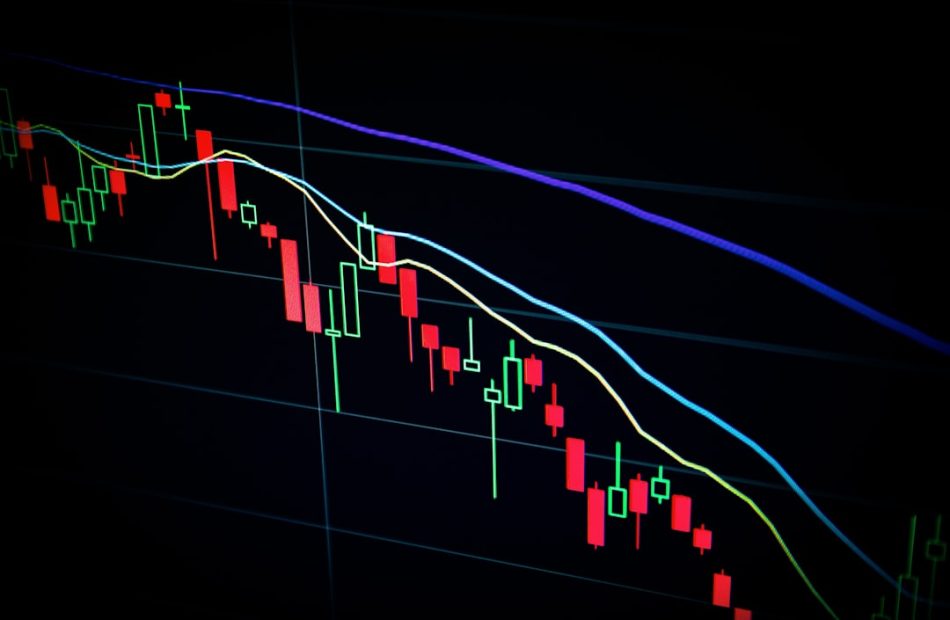
Have you ever watched a chart and wondered why a certain price level seems to act like a magnet, pulling the price back again and again? That invisible force is often the VWAP line. For day traders, the Volume-Weighted Average Price (VWAP) is one of the most reliable tools for spotting fair value, identifying momentum shifts, and timing entries like a pro. In this post, I’ll break down a clean, actionable VWAP day trading strategy that works whether you’re trading stocks, crypto, or forex.
How It Works
VWAP stands for Volume-Weighted Average Price. Unlike a simple moving average that only looks at price, VWAP gives extra weight to periods with high trading volume. This means it reflects the true average price at which most of the trading has happened during the day. Think of it as the market’s “fair value” line.
When price is above VWAP, it signals bullish sentiment — buyers are in control. When price is below VWAP, it’s bearish — sellers are dominating. Day traders use these zones to decide whether to go long or short.
Looking for altcoin opportunities and smooth trading? Try KuCoin.
The Setup
Here’s the step-by-step setup for a clean VWAP day trading strategy:
1. Add VWAP to Your Chart
Most platforms (TradingView, ThinkorSwim, Binance, etc.) have VWAP as a standard indicator. Set it to the default settings for intraday timeframes (1-minute, 5-minute, or 15-minute charts work best).
2. Identify the Trend
- If price is consistently above VWAP and the line is sloping up, look for long (buy) trades.
- If price is consistently below VWAP and the line is sloping down, look for short (sell) trades.
3. Wait for a Pullback to VWAP
The magic happens when the price pulls back to touch or slightly cross the VWAP line. This is your entry zone. Do not chase breakouts — wait for the retest.
4. Confirm with Volume
A valid VWAP bounce should come with increased volume. If the pullback happens on low volume, the bounce might be fake. Look for a volume spike as price touches VWAP.
5. Enter the Trade
- For long: Wait for a bullish candlestick close above VWAP after touching it from below.
- For short: Wait for a bearish candlestick close below VWAP after touching it from above.
6. Set Your Stop Loss
Place your stop just below the recent swing low (for longs) or above the recent swing high (for shorts). A common rule is 1-2% below VWAP for longs.
7. Take Profit
Target the previous day’s high or a key resistance level for longs. For shorts, target the previous day’s low or support. You can also trail your stop once price moves 1-2% in your favor.
Risk Management
No strategy works without solid risk management. Here’s how to protect your capital with VWAP:
1. Never Trade Against the VWAP Trend
If price is below VWAP and sloping down, do not buy because it looks cheap. Wait for a clear reversal above VWAP first.
2. Use a 1:2 Risk-to-Reward Ratio
Before entering, calculate your potential loss (stop distance) and potential profit (target distance). Only take the trade if the reward is at least twice the risk.
3. Keep Position Size Small
Risk no more than 1-2% of your total account on a single trade. For example, if you have a $10,000 account, risk only $100-$200 per trade.
4. Avoid VWAP Whipsaws
During low-volume periods (like lunch hours or before major news), VWAP can get choppy. Stick to high-volume sessions like the first two hours of the market open.
5. Use a Time Stop
If the price hasn’t moved in your direction within 15-30 minutes, close the trade. VWAP trades should work quickly or not at all.
Conclusion
The VWAP day trading strategy is elegant because it aligns you with the market’s true flow — fair value. By waiting for pullbacks to VWAP with volume confirmation, you can catch strong directional moves with a clear edge. Remember: it’s not about being right all the time, but about stacking probabilities in your favor. Practice on a demo account first, then apply it to live markets. Stick to the rules, manage your risk, and let VWAP guide your entries. Happy trading!
Oracles in RWA: Chainlink CCIP for Tokenized Assets
Real World Assets (RWAs) are tangible or intangible assets—such as real estate, bonds, commodities, and credit—that are tokenized on a blockchain. This process enables fractional ownership, 24/7 liquidity, and transparency, effectively bridging the gap between Traditional Finance (TradFi) and Decentralized Finance (DeFi). However, a critical challenge remains: how do smart contracts access reliable, real-world data? This is where oracles, particularly Chainlink CCIP, play a transformative role.
What Are Oracles and Why Do RWAs Need Them?
Oracles are middleware that fetch off-chain data (e.g., asset prices, interest rates, property valuations) and deliver it on-chain in a tamper-proof manner. For RWAs, oracles are essential because tokenized assets derive their value from real-world sources. Without oracles, a token representing a bond or a piece of real estate would have no way to reflect its current market price or income stream on-chain.
Chainlink Cross-Chain Interoperability Protocol (CCIP) extends this capability across multiple blockchains, enabling RWAs to be verified and traded seamlessly across networks. This is a game-changer for institutional adoption, as it ensures data consistency and security.
How It Works: The Technical Process
The tokenization of RWAs with oracles follows a structured process:
- Tokenization: The asset is legally structured, often through a Special Purpose Vehicle (SPV), and represented as a digital token on a blockchain.
- Oracle Integration: Chainlink CCIP connects the token to off-chain data sources, such as market feeds from Bloomberg or regulatory filings.
- Data Verification: Multiple independent oracles (decentralized oracle networks) validate the data to prevent manipulation.
- On-Chain Execution: Smart contracts use the verified data to automate actions like interest payments, collateral liquidation, or dividend distribution.
For example, a tokenized Treasury bond uses Chainlink CCIP to fetch daily yield rates from a regulated data provider, ensuring the token’s value remains accurate.
Investment Analysis: Pros, Cons, and Risks
RWAs offer compelling advantages, but they also carry specific risks that investors must understand.
Pros
- Fractional Ownership: Investors can buy a fraction of a high-value asset, such as a $10 million commercial property, lowering the barrier to entry.
- 24/7 Liquidity: Tokenized assets can trade on decentralized exchanges, providing liquidity that traditional markets lack.
- Transparency: All transactions and data feeds are recorded on-chain, reducing counterparty risk.
Cons and Risks
- Regulatory Uncertainty: The legal status of tokenized assets varies by jurisdiction. For example, the SEC may classify some tokens as securities, requiring compliance with securities laws.
- Smart Contract Risk: Bugs in the token contract or oracle integration can lead to loss of funds. Chainlink CCIP mitigates this through rigorous audits, but no system is foolproof.
- Oracle Manipulation: If an oracle provides false data, the entire RWA ecosystem can be compromised. Decentralized oracles like Chainlink reduce this risk but do not eliminate it.
For a broader market view, check out our analysis on How to Value GameFi Tokens: From P/E Ratios to Player Economics.
Investors often compare this to Iowa Signs Crypto ATM Licensing and Oversight Bill Into Law.
Tool Recommendation: Where to Trade Tokenized RWAs
When trading tokenized RWAs, low fees are crucial for maximizing returns, especially when dealing with frequent transactions or yield-bearing assets. We recommend using MEXC, a platform known for its competitive fee structure and wide range of RWA tokens. MEXC offers spot and futures trading with some of the lowest fees in the industry, making it ideal for both retail and institutional investors. Start trading today at: https://promote.mexc.co/a/PefPNW2g.
FAQ Section
What is Chainlink CCIP and how does it differ from traditional oracles?
Chainlink CCIP (Cross-Chain Interoperability Protocol) is a blockchain-agnostic oracle network that allows smart contracts on different blockchains to securely access off-chain data and execute cross-chain transactions. Unlike traditional oracles that operate on a single chain, CCIP enables seamless data flow between multiple networks, which is critical for RWAs that need to be traded across Ethereum, Polygon, or other chains.
Are tokenized RWAs regulated?
Regulation varies by jurisdiction. In the United States, tokenized securities must comply with SEC rules, including registration and disclosure requirements. In the European Union, the Markets in Crypto-Assets (MiCA) framework provides guidelines. Investors should consult legal experts before investing, as non-compliance can lead to penalties or loss of asset rights.
What happens if the oracle fails or provides incorrect data?
If an oracle fails, the smart contract may execute based on stale or incorrect data, potentially causing financial loss. Chainlink CCIP mitigates this by using a decentralized network of oracles that aggregate data from multiple sources. Additionally, Chainlink includes a reputation system and penalty mechanisms for nodes that provide inaccurate data. However, investors should still monitor oracle health and consider using platforms that offer insurance or fallback mechanisms.
Conclusion
Oracles, particularly Chainlink CCIP, are the backbone of the RWA ecosystem, enabling tokenized assets to maintain their real-world value and functionality on-chain. While the asset class offers significant opportunities for fractional ownership, liquidity, and transparency, investors must navigate regulatory and technical risks carefully. By using reliable platforms like MEXC and staying informed through authoritative sources, investors can capitalize on this growing market. The future of finance is hybrid, and oracles are the bridge that makes it possible.