
Understanding Gas Fees: How to Save Money on Ethereum
Introduction
Ethereum gas fees are the transaction costs required to execute operations on the Ethereum network. These fees, paid in Gwei (a fraction of ETH), compensate miners for processing and validating transactions. With Ethereum’s popularity surging, gas fees can spike dramatically, making simple swaps or NFT purchases prohibitively expensive. This guide explains how gas fees work, why they fluctuate, and—most importantly—practical strategies to minimize them. Whether you’re a DeFi farmer, NFT collector, or casual trader, mastering gas fees can save you significant money over time.
Key Concepts
- Gas Limit: The maximum amount of gas you’re willing to spend on a transaction. Simple transfers use 21,000 gas; complex smart contract interactions can use 100,000+ gas.
- Gas Price (Gwei): The price per unit of gas, measured in Gwei (1 Gwei = 0.000000001 ETH). Higher gas prices incentivize miners to prioritize your transaction.
- Base Fee (EIP-1559): A mandatory fee burned (destroyed) with each transaction, set algorithmically based on network congestion. It adjusts block by block.
- Priority Fee (Tip): An optional tip to miners to speed up your transaction. This is separate from the base fee.
- Network Congestion: When many users compete for block space, gas prices rise. Peak times (e.g., during NFT mints or DeFi liquidations) see the highest fees.
- Layer 2 (L2) Solutions: Networks like Arbitrum, Optimism, and zkSync process transactions off-chain and settle them on Ethereum, drastically reducing fees.
Pro Tips
- Time Your Transactions: Use tools like Etherscan Gas Tracker or ETH Gas Station to monitor gas prices. Transact during low-traffic hours (e.g., early morning UTC on weekends) when fees are 50-70% lower.
- Use Layer 2 Networks: For DeFi, NFTs, or token swaps, migrate to Arbitrum, Optimism, or Base. Fees are often under $0.10 compared to $10+ on Ethereum mainnet.
- Set Custom Gas Prices: In MetaMask or other wallets, enable advanced gas controls. For non-urgent transactions, set a gas price 10-20% below the current average—your transaction may still go through within hours.
- Batch Transactions: If you need to perform multiple actions (e.g., approve and swap), use a single contract call or a DEX aggregator like 1inch to combine them.
- Avoid Peak Events: Steer clear of major NFT drops, token launches, or protocol upgrades. These events can spike gas to 500+ Gwei.
- Use Gas Tokens (Caution): Tokens like CHI or GST2 can be minted when gas is low and burned to refund gas during high fees. However, this strategy is less effective post-EIP-1559 and carries smart contract risk.
FAQ Section
What is the difference between gas limit and gas price?
Gas limit is the maximum computational work you’re willing to pay for (e.g., 21,000 for a simple ETH transfer). Gas price is the fee per unit of gas, set in Gwei. Total fee = gas limit × gas price.
Why are Ethereum gas fees so high?
High demand for block space, especially during DeFi booms, NFT mania, or network congestion, drives up gas prices. EIP-1559 introduced a base fee that adjusts dynamically, but priority tips can still escalate.
Can I cancel a pending transaction to avoid high fees?
Yes. In MetaMask, you can “speed up” (increase gas) or “cancel” a pending transaction by sending a 0 ETH transaction to yourself with the same nonce but higher gas. This replaces the original.
What is the cheapest time to use Ethereum?
Typically between 12:00 AM and 6:00 AM UTC on weekends, when fewer users are active. Use gas trackers to confirm real-time conditions.
Are gas fees refundable if my transaction fails?
No. Even if a transaction fails (e.g., due to slippage or insufficient balance), you still pay the gas fee because miners executed the computation.
Conclusion
Understanding and managing Ethereum gas fees is essential for anyone active in the crypto space. By timing your transactions, leveraging Layer 2 solutions, and using custom gas settings, you can reduce costs by 50-90%. Always stay informed about network conditions and use reliable tools to estimate fees before confirming. For more details on this, check out our guide on Stablecoin Yield Strategies: Low Risk Farming – A Complete Guide for 2025. You might also be interested in reading about What Caused the Crypto Crash of 2026? Bitcoin & Ether’s Worst Week Explained. Start saving today—every Gwei counts!
Pakistan Crypto Regulation Explained: Why Islamic Law Matters Now
What happens when Islamic law meets cryptocurrency regulation? That’s the question at the heart of Pakistan’s current crypto debate, sparked by a surprising situation: A top religious scholar rejected USDT payments, and now the country’s crypto regulator is asking for a deeper conversation.
Here’s the key issue: In June 2026, Mufti Taqi Usmani—a highly respected Islamic scholar—issued a ruling (fatwa) stating that purchasing cryptocurrency like USDT is not permitted under Islamic law. This ruling describes crypto as “merely the recording of fictitious numbers in an account.” But instead of shutting down the industry, Pakistan’s crypto chief, Bilal bin Saqib of the Pakistan Virtual Assets Regulatory Authority (PVARA), is pushing for a more detailed approach. He wants separate technical and religious reviews for different types of digital assets—not one blanket ruling.
Read time: 10-12 minutes
Understanding Islamic Finance and Cryptocurrency for Beginners
Islamic finance refers to financial activities that follow Shariah (Islamic law), which prohibits interest (riba), excessive uncertainty (gharar), and investments in harmful activities (like gambling or alcohol). Think of it like an ethical investment filter: before you can invest in something, it must pass a “religious compliance check” to ensure it’s fair, transparent, and beneficial to society.
In Pakistan, over 96% of the population is Muslim, making Shariah compliance a major factor in financial regulation. The core question for crypto is: Do digital assets count as recognized property or wealth (maal) under Islamic law? Traditional Islamic scholars say wealth must have tangible value or be backed by a real asset. Cryptocurrency, critics argue, exists only in digital form without physical backing.
Why was crypto created? Satoshi Nakamoto designed Bitcoin to be a decentralized, peer-to-peer digital cash system that operates outside traditional banking. For Pakistan’s scholars, the problem isn’t the technology—it’s whether the tokens themselves meet the definition of “wealth” in Islamic tradition. A real-world example: If you buy USDT (a stablecoin pegged to the US dollar), is the dollar backing it actually there? Or is the token just a digital representation with no guaranteed claim?
The Technical Details: How Pakistan’s Crypto Regulatory System Works
Pakistan is building a two-layer regulatory system that combines secular financial rules with religious oversight. Here’s how it works:
1. Legal Framework – The Virtual Assets Act 2026: This law created PVARA as the official licensing body for crypto firms. Exchanges, custodians, brokers, and token issuers must register here.
2. Banking Integration – State Bank of Pakistan Circular (April 2026): Banks can now open accounts for PVARA-licensed firms after eight years of restrictions. Requirements include verifying licenses, conducting due diligence, monitoring accounts, and keeping customer funds separate from company money.
3. Central Bank Controls: Banks cannot trade or hold virtual assets themselves. They must follow foreign exchange, anti-money laundering, and counterterrorism financing rules. Suspicious activity goes to Pakistan’s Financial Monitoring Unit.
4. Shariah Review – The New Layer: The Mufti Taqi Usmani ruling adds a religious compliance check. Instead of one blanket decision, PVARA wants separate reviews for different digital asset categories (blockchain, stablecoins, tokenized real assets).
5. International Agreements: Pakistan has signed deals with Binance (December 2025) to study tokenizing up to $2 billion in state assets and with the USD1 stablecoin project (January 2026) for cross-border payments.
Why this structure matters: This creates a “dual approval” system where crypto firms must pass both secular and religious checks before operating. For users, this could mean more thorough oversight—but also slower market entry.
Current Market Context: Why This Matters Now
As of mid-2026, Pakistan’s crypto regulatory rollout is at a crucial junction. The country has moved from an outright banking ban (2018-2026) to a licensing regime, but the religious ruling adds a new layer of complexity.
Key market implications:
- Pakistan’s crypto market potential: With 240 million people and a large unbanked population (over 100 million adults), Pakistan represents a major emerging market for crypto adoption.
- Regulatory precedent: How Pakistan handles the Shariah issue could influence other Muslim-majority countries (Indonesia, Malaysia, Bangladesh) facing similar debates.
- International stablecoin projects: The USD1 stablecoin agreement and Binance tokenization deal are now subject to religious review, potentially delaying or reshaping these initiatives.
- Licensing continues: PVARA has not suspended licensing. As of this writing, licensed firms remain bound by the Virtual Assets Act and central bank controls, not the religious ruling.
The debate is no longer just about whether crypto should be legal—it’s about how to classify different types of digital assets under Islamic law.
Competitive Landscape: How Pakistan Compares to Other Muslim-Majority Crypto Markets
| Feature | Pakistan | UAE (Dubai) | Saudi Arabia |
|---|---|---|---|
| Regulatory Body | PVARA (new, formed 2026) | VARA (Virtual Assets Regulatory Authority, formed 2022) | SAMA (Saudi Central Bank, conservative approach) |
| Shariah Approach | Seeking separate reviews per asset type | Established Shariah-compliant crypto frameworks (e.g., Islamic Coin, tokenized real estate) | Generally prohibits crypto for speculation; permits some tokenized assets |
| Banking Integration | Recently opened (April 2026) after 8-year ban | Fully integrated with major banks | Limited; central bank discourages crypto |
| Stablecoin Stance | Studying USD1 stablecoin; under religious review | Regulated stablecoins allowed (e.g., USDC, USDT) | Strictly regulated; no major stablecoin adoption |
| Key Challenge | Religious ruling creates uncertainty | Regulatory maturity but higher costs | Conservative stance limits innovation |
| User Impact | High uncertainty for investors. Clear path for licensed firms, but religious rulings could restrict retail use. | Low uncertainty. Clear rules for all market participants. | Low activity. Limited options for crypto users. |
Why this matters: Pakistan is taking a more cautious path than the UAE but is more open than Saudi Arabia. The outcome of its Shariah review will set a precedent for how developing Muslim-majority countries approach crypto regulation.
Practical Applications: Real-World Use Cases
Why should the average crypto user care about Pakistan’s religious debate?
- Remittances: Pakistan receives over $30 billion annually in remittances. Stablecoins like USDT could reduce fees from 7% to under 1%. The religious ruling directly affects whether this is allowed.
- Tokenized Real Estate: The Binance agreement aims to tokenize government bonds and commodity reserves. If approved, this could allow fractional ownership of national assets.
- Cross-Border Trade: The USD1 stablecoin study targets international payments. A positive Shariah review would open a major channel for Pakistan’s exporters.
- Unbanked Access: Over 100 million Pakistanis lack bank accounts. Crypto could provide basic financial services, but only if it passes religious scrutiny.
- Hedging Against Inflation: Pakistan’s inflation rate has historically been high (20%+ some years). Some see crypto as a store of value—but the ruling says it’s not recognized property.
Risk Analysis: Expert Perspective
Primary Risks:
1. Regulatory Uncertainty: The dual secular-religious review process could take years, leaving investors and firms in limbo.
2. Religious Ruling Impact: If scholars maintain a blanket rejection, it could effectively ban retail crypto use, even for PVARA-licensed firms.
3. Banking Restrictions: While banks can now serve crypto firms, they must follow strict controls. Any change in policy could freeze accounts again.
4. Market Volatility: Pakistan’s political and economic instability could delay regulatory progress, regardless of religious decisions.
Mitigation Strategies:
- Category-by-Category Review: PVARA’s approach avoids a sweeping ban, allowing asset-backed tokens (like tokenized real estate) to be evaluated separately.
- International Consultation: Engaging scholars from the UAE and Malaysia could provide alternative Islamic interpretations more favorable to crypto.
- Technical vs. Religious Separation: Separating the technology (blockchain) from the token (USDT) allows for more nuanced rulings.
Expert Consensus: Most crypto analysts see Pakistan as a “wait and watch” case. The country’s large population and unbanked potential make it attractive, but religious and political factors create high uncertainty. The UAE model (licensing plus Shariah-compliant frameworks) is often cited as a possible outcome.
Beginner’s Corner: Quick Start Guide
If you’re considering crypto in Pakistan or want to understand the regulatory landscape:
Step 1: Check if the crypto firm is licensed by PVARA. Only regulated entities can legally operate.
Step 2: Understand the Shariah status. As of now, the Mufti Taqi Usmani ruling rejects crypto purchases, but PVARA is seeking further review.
Step 3: Verify banking support. The State Bank circular allows banks to serve PVARA-licensed firms, but not all banks may participate.
Step 4: Monitor regulatory updates. Follow PVARA’s public consultation and any new Shariah rulings.
Step 5: Consider alternatives. If retail crypto is restricted, tokenized real estate or commodity-backed assets may be Shariah-compliant.
Common mistakes to avoid:
- Using unlicensed exchanges or peer-to-peer services (risk of fraud)
- Assuming all digital assets are treated the same under Shariah law
- Ignoring banking restrictions (banks can freeze accounts for non-compliance)
Security best practice: Only use PVARA-licensed platforms that comply with anti-money laundering rules.
Future Outlook: What’s Next
The journey for Pakistan’s crypto regulation is in its early stages. Here’s what’s expected:
1. Technical and Shariah Reviews (Mid-2026 to 2027): PVARA will publish separate assessments for different digital asset categories. Stablecoins and tokenized assets may get different treatment than pure cryptocurrencies.
2. Public Consultation Period: PVARA’s rulemaking process continues, with feedback from scholars, industry, and users.
3. Banking Integration Rollout: More banks are expected to open accounts for licensed firms, though adoption may be gradual.
4. International Agreements: The Binance tokenization deal and USD1 stablecoin study will be reevaluated based on religious findings.
5. Potential Shift in Religious Opinion: If alternative Islamic interpretations emerge (like those from UAE scholars), Pakistan’s stance could evolve.
The timeline for a final regulatory framework is unclear, but PVARA’s approach suggests a phased rollout rather than a single sweeping decision. Licensed firms remain operational, but retail users face uncertainty until the Shariah question is resolved.
Key Takeaways
- Pakistan’s crypto regulator is asking for separate technical and religious reviews for different digital assets, rather than a one-size-fits-all ban.
- A top Islamic scholar’s ruling in June 2026 rejected crypto purchases, arguing tokens aren’t recognized property under Shariah law—but PVARA hasn’t changed licensing rules yet.
- Pakistan has both a licensing system (Virtual Assets Act 2026) and a religious compliance layer, creating a dual framework that could set a precedent for other Muslim-majority countries.
- Stablecoins and tokenized assets are being studied separately, which may offer a path forward for Shariah-compliant digital finance.
- The outcome matters for global crypto adoption, as Pakistan’s 240 million population and large unbanked sector represent a major emerging market.
The Rise of AI Agents in Crypto: A Complete Guide
Introduction
The convergence of artificial intelligence and cryptocurrency is creating a new paradigm in digital finance. AI agents—autonomous programs that can learn, adapt, and execute tasks—are increasingly being deployed in crypto markets for trading, portfolio management, risk assessment, and even governance. This guide explores how AI agents are reshaping the crypto landscape, what they mean for investors, and how you can leverage them effectively.
Key Concepts
- AI Agent: An autonomous software entity that perceives its environment, makes decisions, and takes actions to achieve specific goals—without constant human intervention.
- DeFi Automation: AI agents can manage liquidity pools, execute arbitrage strategies, and optimize yield farming by analyzing on-chain data in real time.
- Predictive Analytics: Machine learning models trained on historical price data, sentiment analysis, and market indicators to forecast short-term movements.
- On-Chain Governance: AI agents can vote on DAO proposals based on predefined criteria, improving efficiency and reducing human bias.
- Risk Management: Automated stop-loss, position sizing, and portfolio rebalancing using AI-driven risk assessment models.
Pro Tips
- Start Small: Test AI agents on a demo account or with minimal capital before deploying them in live markets.
- Monitor Performance: Even the best AI agents require periodic tuning. Track key metrics like Sharpe ratio, win rate, and drawdown.
- Diversify Strategies: Use multiple agents with different approaches (e.g., trend-following, mean-reversion, sentiment-based) to reduce risk.
- Stay Updated: AI models can become stale. Retrain or update your agents as market conditions change.
- Security First: Only use agents from reputable sources, and never grant them access to your private keys or withdrawal functions.
💡 Pro Tip
Looking for altcoin opportunities and smooth trading? Try KuCoin.
FAQ Section
What exactly is an AI agent in crypto?
An AI agent is an autonomous program that uses machine learning or rule-based logic to analyze market data, make decisions, and execute trades or other blockchain actions without manual input.
Are AI agents legal to use in crypto trading?
Yes, in most jurisdictions. However, you must comply with local regulations regarding automated trading and ensure your agent does not engage in market manipulation.
Do I need coding skills to use an AI agent?
Not necessarily. Many platforms offer no-code or low-code AI agents with drag-and-drop interfaces. However, customizing advanced strategies may require basic programming knowledge.
Can AI agents guarantee profits?
No. AI agents can improve efficiency and reduce emotional bias, but they cannot eliminate market risk. Always use proper risk management.
How do I choose the right AI agent platform?
Look for platforms with transparent track records, strong security, community reviews, and support for the blockchains you trade on. Start with a free trial if available.
Conclusion
AI agents are transforming the crypto space by automating complex tasks, improving decision-making, and enabling 24/7 market participation. While they offer significant advantages, they are not a magic bullet. Successful integration requires careful planning, ongoing monitoring, and a solid understanding of both AI and crypto fundamentals. As the technology matures, AI agents will likely become an essential tool for both retail and institutional investors.
For more details on this, check out our guide on Real World Assets (RWA): How Tokenization Changes Investing.
You might also be interested in reading about Master the VWAP Day Trading Strategy: A Simple Edge for Crypto Markets.
Carbon Credits Tokenization: Fixing a Broken Market
Carbon credits have long been a cornerstone of global climate finance, yet the market suffers from opacity, double counting, and illiquidity. Tokenization—the process of representing real-world assets (RWAs) on a blockchain—is emerging as a powerful solution. By bridging the gap between off-chain carbon projects and on-chain transparency, tokenized carbon credits promise verifiable provenance, fractional ownership, and 24/7 liquidity. This guide explores how this transformation works, its investment potential, and the risks involved.
What Are Carbon Credits? Off-Chain vs On-Chain
A carbon credit represents the removal or avoidance of one metric ton of carbon dioxide equivalent (CO₂e). Off-chain, these credits are issued by registries like Verra or Gold Standard, tracked in centralized databases, and traded bilaterally or through brokers. The system is plagued by inefficiencies: verification delays, lack of price transparency, and risk of double counting.
On-chain tokenization solves these issues by minting a digital token (often an ERC-20 or similar standard) that is backed 1:1 by a verified carbon credit held in a Special Purpose Vehicle (SPV) or custodian. Oracles relay real-time data from registries to the blockchain, ensuring that each token is unique, retired upon use, and traceable from issuance to offset. This creates a transparent, immutable ledger that regulators and investors can trust.
How Tokenization Works: The Technical Process
The process involves four key steps:
- Tokenization & SPV: A project developer (e.g., a reforestation fund) transfers verified carbon credits to a legally compliant SPV. The SPV issues tokens representing fractional ownership of the underlying credits.
- Oracle Integration: Decentralized oracles (like Chainlink) feed data from carbon registries—such as issuance, retirement, and vintage—onto the blockchain. This ensures the on-chain token reflects the off-chain reality.
- Blockchain Issuance: Tokens are minted on a public blockchain (e.g., Ethereum, Polygon) and listed on decentralized exchanges (DEXs) or RWA-focused platforms. Smart contracts govern ownership, transfer, and retirement.
- Liquidity & Trading: Investors can buy, sell, or retire tokens 24/7. Fractional ownership lowers the barrier to entry, allowing retail participation alongside institutional players.
Investment Analysis: Pros, Cons, and Risks
Pros
- Transparency: Every token’s history is on-chain, reducing fraud and double counting.
- Liquidity: 24/7 trading on global exchanges, unlike traditional OTC markets.
- Fractional Ownership: Investors can buy a fraction of a credit, lowering minimum investment sizes.
- Programmability: Smart contracts automate retirement and compliance, cutting administrative costs.
Cons
- Regulatory Uncertainty: Jurisdictions differ on whether tokenized credits are securities, commodities, or something else.
- Smart Contract Risk: Bugs or exploits in token contracts could lead to loss of funds.
- Market Volatility: Prices can swing based on policy changes or project performance.
Key Risks
- Regulation: The SEC and ESMA are scrutinizing RWA tokens. Compliance with KYC/AML is mandatory for most platforms.
- Counterparty Risk: The SPV or custodian holding the off-chain credits must be trusted and audited.
- Oracle Manipulation: If oracle data is compromised, token prices may not reflect real-world value.
For a broader market view, check out our analysis on Top RWA Projects to Watch in 2026: Tokenized Real-World Assets.
Investors often compare this to Security Tokens vs Utility Tokens: The Complete RWA Guide.
Tool Recommendation
If you’re ready to explore tokenized carbon credits, you need a reliable exchange with robust RWA support. Binance offers a secure environment to trade tokenized assets, including carbon credits, with deep liquidity and regulatory compliance. You can practice this setup safely on Binance. Create your account here.
FAQ
Question: Are tokenized carbon credits legal?
Answer: Yes, but legality depends on jurisdiction. In the EU and US, tokenized credits are often treated as digital securities, requiring registration or exemptions. Always consult a legal expert before investing.
Question: How do I retire a tokenized carbon credit?
Answer: Most platforms allow you to send tokens to a ‘retirement’ smart contract address. The contract permanently removes the token from circulation and issues a certificate of retirement, which is recorded on-chain.
Question: What is the typical yield on tokenized carbon credits?
Answer: Yields vary widely. Some projects offer APY from staking or carbon credit appreciation (e.g., 5–15% annually), but this is not guaranteed. Always review the project’s whitepaper and historical data.
Conclusion
Tokenization is not a cure-all, but it addresses the carbon credit market’s most critical flaws: opacity, illiquidity, and trust. By combining blockchain transparency with real-world verification, tokenized carbon credits offer a compelling investment vehicle for both institutional and retail investors. However, regulatory and smart contract risks remain. For those willing to navigate these challenges, the potential for both financial return and environmental impact is significant. Start small, do your due diligence, and consider using a trusted platform like Binance to begin.
How to Participate in Governance Proposals (DAOs): A Complete Guide for Crypto Voters
Introduction
Decentralized Autonomous Organizations (DAOs) are reshaping how communities make decisions in the crypto space. By holding governance tokens, you gain the power to vote on proposals that determine a protocol’s future — from fee structures and treasury allocations to protocol upgrades. This guide walks you through everything you need to know to participate effectively in DAO governance, from acquiring tokens to casting informed votes.
Key Concepts
- Governance Tokens: Tokens (e.g., UNI, COMP, MKR) that grant voting rights. The more you hold, the more voting power you typically have.
- Proposals: Formal suggestions for changes, often submitted via on-chain or off-chain platforms like Snapshot or Tally.
- Voting Mechanisms: Common methods include token-weighted voting, quadratic voting, and delegation.
- Quorum: The minimum number of votes required for a proposal to pass.
- Delegation: Assigning your voting power to a trusted representative if you lack time or expertise.
Pro Tips
- Do Your Research: Read proposal discussions on forums like Discourse or Discord before voting. Understand the trade-offs.
- Use Delegation Wisely: If you can’t stay informed, delegate to active community members with a track record of thoughtful voting.
- Watch for Gas Costs: On-chain voting can be expensive. Use off-chain platforms (like Snapshot) for gas-free voting when available.
- Stay Updated: Follow official DAO channels and governance calendars to never miss a critical vote.
For more details on this, check out our guide on Tangem Wallet Laser Attack Explained: What It Means for Your Crypto Security.
You might also be interested in reading about The MACD Histogram Strategy: How to Spot Momentum Shifts Like a Pro.
FAQ Section
What do I need to vote in a DAO?
You typically need a wallet (e.g., MetaMask) connected to the relevant blockchain and governance tokens in that wallet. Some DAOs also require you to stake or lock tokens for voting power.
Can I vote without holding tokens?
Some DAOs allow delegation — you can receive voting power from token holders without holding tokens yourself. Others require direct token ownership.
What happens if a proposal passes?
If quorum is met and the majority votes in favor, the proposal is executed. This could mean code changes, fund transfers, or other on-chain actions, depending on the DAO’s smart contract design.
Is voting free?
On-chain voting requires gas fees. Off-chain voting (e.g., Snapshot) is free but still requires a signature. Always check the platform to avoid unexpected costs.
Conclusion
Participating in DAO governance is a powerful way to shape the future of the protocols you believe in. By understanding the key concepts, staying informed, and using tools like delegation wisely, you can make your voice heard without spending all day monitoring forums. Start small, pick one or two DAOs you care about, and gradually expand your participation. The decentralized future is built one vote at a time.

Airdrop Farming: The Ultimate Strategy for Free Tokens
Airdrop farming is one of the most exciting ways to earn free tokens in crypto—but it’s not just about luck. With a solid strategy, you can consistently qualify for high-value airdrops without wasting time or gas fees. Let’s dive into the best strategies for beginners and intermediate traders.
How It Works
Airdrops are free token distributions by blockchain projects to promote adoption and reward early users. To qualify, you typically need to interact with a project’s smart contract—like swapping tokens, providing liquidity, or bridging assets. Farming means actively performing these actions across multiple projects to maximize your chances.
The Setup
1. Research the best candidates – Look for projects that haven’t launched a token yet but have confirmed airdrop plans. Check forums, Twitter, and sites like Dune Analytics. Focus on Layer 2s, new DEXs, or NFT platforms.
Looking for altcoin opportunities and smooth trading? Try KuCoin.
2. Prepare multiple wallets – Use 3–5 wallets to farm different projects. This spreads risk and increases your odds. Never reuse the same wallet for everything.

3. Fund with small amounts – Start with $50–$200 per wallet. You only need enough for transaction fees and minimal interactions (e.g., $10 of ETH for swaps).
4. Perform “qualifying actions” – Each project has specific criteria. Common tasks: swap tokens, add liquidity, bridge assets, mint NFTs, or stake. Do these regularly over weeks or months.
5. Track your progress – Use a spreadsheet to log wallet addresses, actions taken, gas spent, and deadlines. This helps you avoid missing cutoff dates.
Risk Management
Airdrop farming isn’t risk-free. Here’s how to stay safe:
- Never interact with untrusted contracts – Only use official links from verified project websites. Scammers create fake airdrop sites.
- Protect your private keys – Use a hardware wallet or a separate browser for farming. Never share seed phrases.
- Set a budget for gas fees – On Ethereum, gas can spike. Limit your spending to 10–20% of your total farming budget.
- Diversify across chains – Farm on Ethereum, Arbitrum, Optimism, and Polygon to reduce chain-specific risks.
- Ignore “gas wars” – Don’t rush into high-gas transactions. Wait for calm periods or use Layer 2s.
Conclusion
Airdrop farming is a powerful way to grow your portfolio without direct investment. By researching projects, performing consistent actions, and managing risk, you can turn small capital into significant rewards. Start with one or two promising projects, track everything, and stay patient. Happy farming!
BIP-110 Explained: A Beginner’s Guide to Bitcoin’s Anti-Spam Fork Debate
Is Bitcoin’s plan to block “spam” transactions actually more dangerous than the problem it’s trying to solve? That’s the core question dividing the Bitcoin community as BIP-110—a controversial anti-spam fork—nears activation. Michael Saylor, executive chairman of Strategy (the largest corporate Bitcoin holder), fired back at the proposal, warning it sets a “dangerous precedent.” He argued there are “110 things more dangerous to Bitcoin than spam.” For everyday crypto users, this debate is about more than just technical rules—it’s about the fundamental philosophy of what Bitcoin should be. This guide breaks down what BIP-110 actually proposes, why industry leaders are split, and what it means for your Bitcoin transactions and fees.
Read time: 10-12 minutes
Understanding Bitcoin Improvement Proposals (BIPs) for Beginners
A Bitcoin Improvement Proposal (BIP) is a formal design document that proposes new features, processes, or changes to the Bitcoin network. Think of it like a suggestion box for the entire Bitcoin community. Anyone can submit a BIP, but for it to become active, miners (who process transactions) and node operators (who validate blocks) must reach consensus and adopt the new rules.
Simple Definition: A BIP is a standardized way for developers, miners, and the community to propose and debate upgrades to Bitcoin’s code.
Why was this created? Bitcoin is decentralized—there’s no CEO or central authority to make decisions. The BIP process creates a structured, transparent way for thousands of independent participants to agree on changes. Without it, upgrades could become chaotic or lead to network splits (forks).
Everyday Analogy: Imagine your neighborhood has no HOA or city council. If someone wants to change the street signs, they can’t just do it alone. They write a proposal (a BIP), post it in the community center, and ask neighbors to vote. If 90% agree, they change the signs. If only 30% agree, there’s a risk of “forks”—two different sign systems that confuse everyone.
Real-world example: The most famous BIPs include SegWit (BIP 141) , which increased Bitcoin’s transaction capacity, and Taproot (BIP 341) , which improved privacy and smart contract capabilities. Both went through years of debate and gradual adoption.
The Technical Details: How BIP-110 Actually Works
BIP-110 proposes to “temporarily limit the size of data fields at the consensus level” to reduce spam on the Bitcoin network. Here’s what that means in plain language:
1. Targeting Inscriptions (Ordinals): The primary target is data inscriptions, popularized by Ordinals—a protocol that allows users to embed arbitrary data (like images, text, or NFTs) directly onto Bitcoin transactions. Critics call this “spam” because it clogs blockspace with non-monetary data.
2. Consensus-Level Limit: BIP-110 would change Bitcoin’s core rules (consensus) to restrict how much extra data can be included in a transaction. This is not a soft suggestion—it would make some currently valid transactions invalid under the new rules.
3. Temporary Implementation: The proposal is advertised as a “temporary” fix to correct “distorted incentives caused by standardizing support for arbitrary data.” The idea is to cool down the Ordinals trend until the community agrees on a more permanent solution.
4. Miner & Node Signaling: For BIP-110 to activate, a majority of Bitcoin’s mining hash rate (computing power) must signal support. As of July 2026, only about 5 EH/s (exahashes per second) have signaled—a tiny fraction of Bitcoin’s total ~600 EH/s. This suggests the proposal may not have enough support to activate.
Why this structure matters: Changing Bitcoin’s consensus rules is a monumental task. Even a small change requires massive coordination and can create a “fork” if a significant minority rejects the change. This is why Saylor warns about “invalidating currently valid, fee-paying transactions.”
Current Market Context: Why This Matters Now
As of July 2026, the Ordinals phenomenon has been a double-edged sword for Bitcoin. On one hand, it has driven record transaction fees (miners earned over $1 billion in inscription-related fees in 2025). On the other, it has clogged blocks, causing average transaction confirmation times to spike during peaks.
Key data points:
- Bitcoin’s average fee in mid-2026 is around $2–$5 per transaction, far lower than the $50+ seen during 2023 Ordinals peaks.
- Market context: The broader crypto market has rallied, with Bitcoin trading near $64,000 and the Crypto Fear & Greed Index at “26 (Fear)”—suggesting cautious sentiment despite recent gains.
- Institutional interest: BlackRock and VanEck led $90 million in Bitcoin ETF inflows in late July, indicating sustained institutional demand despite the BIP-110 debate.
Why this matters now: The debate is not about an immediate crisis. Fees are low, and the network is functioning normally. But the philosophical divide is widening: purists want Bitcoin to remain strictly “digital gold” for monetary transactions only, while others see inscriptions as a legitimate use of block space.
Competitive Landscape: How Key Figures Compare
The debate over BIP-110 has created clear factions among Bitcoin’s most influential voices:
| Position | Michael Saylor (Strategy) | Luke Dashjr (Ocean Mining) | Adam Back (Blockstream) |
|---|---|---|---|
| Stance on BIP-110 | Strongly opposed—calls it “dangerous precedent” | Strongly supports—seeks to limit non-monetary data | Opposed—calls it “not grounded” and in conflict with permissionless money |
| Main Argument | “Spam is not a problem; the free market solves blockspace” | “Inscriptions distort incentives; consensus change needed” | “Anti-spam rules conflict with free, permissionless money” |
| Philosophy | Bitcoin as store of value; embrace all fee-paying uses | Bitcoin as pure money; non-monetary data harms network | Bitcoin as cypherpunk money; minimal consensus changes |
| User Impact Concern | Valid transactions becoming invalid | Blockspace being wasted on non-monetary data | Losing users disillusioned by changes |
Why this matters: These aren’t minor disagreements. They reflect three fundamentally different visions for Bitcoin’s future—as a digital gold (Saylor), as pure monetary protocol (Dashjr), or as permissionless value transfer (Back).
Practical Applications: Real-World Use Cases
How might BIP-110 affect your daily crypto experience?
- Transaction Fees: If BIP-110 succeeds, spam (inscriptions) would decrease, potentially reducing fees during peaks. Your transaction might confirm faster. User segment: Regular senders/receivers.
- NFTs on Bitcoin: If you hold Ordinals-based NFTs, BIP-110 could make transactions involving them invalid under new rules. You’d need to migrate to other blockchains. User segment: NFT collectors.
- Miner Revenue: Miners earning fees from inscriptions could see a revenue drop. This might push smaller miners out of business, increasing centralization. User segment: Mining pool participants.
- Development Innovation: Other projects building on Bitcoin (like layer-2 solutions) might be discouraged if consensus changes become unpredictable. User segment: Developers, protocol investors.
Risk Analysis: Expert Perspective
Primary Risks:
1. Fragmentation Risk: If BIP-110 activates without overwhelming consensus, it could split the Bitcoin network. Users on the old rules (non-BIP-110) and new rules (BIP-110) would have incompatible transaction sets. This is exactly what Saylor warns about.
2. Invalidation of Valid Transactions: By changing consensus to block inscriptions, BIP-110 would retroactively make some transactions invalid. This sets a precedent that “the consensus can flip at any time”—a scary thought for users relying on Bitcoin’s predictability.
3. Erosion of Permissionless Ethos: Adam Back criticizes the proposal as conflicting with “free cypherpunk permissionless money.” If Bitcoin starts policing what data you can include, where does it stop? Who decides what “spam” is?
Mitigation Strategies:
- User education: Understand the implications before signaling your support (miners) or adjusting your usage.
- Diversify: If you use Bitcoin for inscriptions, consider multi-chain strategies (e.g., Ethereum, Litecoin) to reduce exposure.
- Monitor signaling: BIP-110 currently has extremely low hashrate support (~5 EH/s out of 600+). It likely won’t activate soon, but keep an eye on the signal.
Historical Precedent: The Bitcoin Cash (BCH) fork in 2017 is a cautionary tale. A philosophical disagreement about block size led to a permanent split, confusing users and fragmenting the community. BIP-110 risks repeating that pattern.
Future Outlook: What’s Next
The BIP-110 story is far from over. Here’s what to watch:
1. Miner Signaling (Q3–Q4 2026): With only 5 EH/s currently supporting, the proposal needs a massive increase. If major mining pools (like Foundry or Antpool) signal support, the activation timeline accelerates toward August 2026.
2. Community Consensus: Key figures like Saylor, Back, and Jameson Lopp (Casa CSO) have dismissed BIP-110 as a “nothingburger.” But if the Ordinals craze returns and fees spike again, support could grow.
3. Alternative Solutions: Instead of a controversial hard fork, the community may shift toward second-layer solutions like RGB or Taproot Assets that handle inscriptions without clogging the base layer.
4. Regulatory Attention: If the debate escalates, global regulators (SEC, ESMA under MiCA) may weigh in on what constitutes legitimate Bitcoin use. This could force a compromise.
The most likely scenario: After months of debate, BIP-110 will either fail to reach activation threshold or be replaced by a more nuanced proposal (e.g., a fee-based economic disincentive rather than a consensus ban).
Key Takeaways
- BIP-110 proposes temporarily limiting data fields on Bitcoin to reduce Ordinals-style inscriptions, but critics warn it sets a dangerous precedent of invalidating valid transactions.
- Michael Saylor argues spam is not a current problem and that the free market handles blockspace challenges better than consensus changes.
- Miners have signaled minimal support (~5 EH/s) , suggesting the fork is unlikely to activate soon without a major shift in community sentiment.
- The core conflict is philosophical: should Bitcoin be “digital gold” for monetary use only, or “permissionless money” embracing all data?
Understanding Gas Fees: How to Save Money on Ethereum
Ethereum gas fees can be a major pain point for traders and DeFi users. In this comprehensive guide, we break down what gas fees are, why they fluctuate, and most importantly — how you can save money on every transaction.
Introduction
Gas fees are the costs required to perform transactions or execute smart contracts on the Ethereum network. They are paid in ETH (or Gwei) and compensate miners for validating and processing your transaction. During periods of high network congestion, gas fees can skyrocket, making simple swaps or transfers prohibitively expensive. Understanding how gas works is the first step to minimizing these costs.
Key Concepts
- Gas Limit: The maximum amount of gas you are willing to spend on a transaction. Simple transfers typically require 21,000 gas, while complex smart contract interactions may need more.
- Gas Price (Gwei): The amount you pay per unit of gas. Measured in Gwei (1 Gwei = 0.000000001 ETH). Higher gas prices mean faster confirmation.
- Base Fee + Priority Fee (EIP-1559): Since the London Upgrade, each transaction includes a base fee (burned) and an optional priority fee (tip) to incentivize miners.
- Network Congestion: When many users are transacting, gas prices rise. Timing your transactions during low-activity periods (e.g., weekends or late nights) can save you significantly.
Pro Tips
- Use Layer 2 Solutions: Arbitrum, Optimism, and Base offer much lower fees than Ethereum mainnet. Bridge your assets and trade there.
- Monitor Gas Prices: Use tools like Etherscan Gas Tracker or ETH Gas Station to find optimal times.
- Set Custom Gas Limits: Avoid overpaying by setting a realistic gas limit — especially for token swaps or NFT mints.
- Batch Transactions: Combine multiple actions (e.g., approve + swap) into one transaction using smart contract wallets.
- Use Gas Tokens (Deprecated): While less effective post-EIP-1559, some strategies like CHI or GST2 can still help in niche cases.
💡 Pro Tip
Looking for altcoin opportunities and smooth trading? Try KuCoin.
FAQ Section
What is the cheapest time to send Ethereum?
Typically, weekends and early mornings (UTC) see lower network activity, resulting in lower gas fees.
Can I cancel a pending transaction with high gas?
Yes, you can send a new transaction with the same nonce and a higher gas price to replace it, or use the ‘cancel’ feature in wallets like MetaMask.
Why are gas fees so high for NFT mints?
NFT mints are complex smart contract interactions that require more gas than simple transfers, and high demand during popular mints drives up the gas price.
Is there a way to avoid gas fees entirely?
Not on Ethereum mainnet, but using Layer 2 networks or centralized exchanges can drastically reduce or eliminate fees.
For more details on this, check out our guide on KYC vs No-KYC Exchanges: Privacy Guide 2026.
You might also be interested in reading about Top RWA Projects to Watch in 2026: Tokenized Real Assets Guide.
Conclusion
Gas fees are an unavoidable part of using Ethereum, but with the right strategies — timing, Layer 2 usage, and custom gas settings — you can significantly reduce your costs. Stay informed, use the right tools, and always double-check your gas settings before confirming a transaction. Happy saving!
New Clarity Act Draft Set to Drop This Week, Sources Say
July 12, 2026 — Lawmakers plan to unveil an updated version of the Digital Asset Market Clarity Act this week, according to multiple sources familiar with the negotiations. The new draft combines bills previously approved by the Senate Banking and Agriculture committees, but key disagreements remain unresolved as the 2026 midterm elections approach.
Immediate Details & Direct Quotes
Looking for altcoin opportunities and smooth trading? Try KuCoin.
The updated Clarity Act text will merge the different versions from both Senate committees and include approximately 70 additional pages, sources told CoinDesk. However, the draft will not contain an ethics provision or agreements on several contentious issues still dividing lawmakers.
“The rest of this newsletter is going to be conjecture and speculation,” the CoinDesk report noted, acknowledging the uncertainty surrounding the bill’s path forward.
Senate Majority Leader John Thune told Punchbowl News last month he was willing to bring the bill to the Senate floor for a vote in July. Rumors suggest the vote could occur during the weeks of July 20 or July 27, but no official schedule has been confirmed.
Sources indicated that without an ethics provision, sufficient Democratic support in the Senate remains unlikely. If the upcoming text doesn’t include even a placeholder for the ethics portion, it could prove counterproductive to securing bipartisan backing.
Market Context & Reaction
As of July 12, 2026, the crypto industry faces a narrowing window for the Clarity Act to navigate Congress and reach the president’s desk. The 2026 midterm election is scheduled for November 3, leaving less than four months before lawmakers break for summer recess and enter campaign season.
President Donald Trump and the $1.4 billion he reportedly made from crypto will be a key factor in the floor vote. Sources told CoinDesk that the White House has been less engaged recently compared to earlier this summer, though one individual suggested it may be a matter of waiting for other outstanding issues to resolve first.
Organizations like Stand With Crypto are expected to score the vote, and the industry will highlight the hundreds of millions of dollars crypto political action committees have on hand. Ethos provision remains a critical sticking point for Democrats.
Background & Historical Context
The Clarity Act has been a focus of crypto policy discussions throughout 2026, with industry advocates pushing for regulatory clarity around digital asset market structure. The bill’s path through Congress has faced repeated delays and negotiations between Senate committees.
On a positive note for the bill’s proponents, if President Trump did not veto the housing bill before Saturday, a provision banning the Federal Reserve from issuing a central bank digital currency (CBDC) for at least four years will have taken effect. Industry players had feared House lawmakers might push to include a CBDC ban in the Clarity Act, which could have strained negotiations further. That issue appears resolved through at least 2030.
What This Means
The Clarity Act’s timeline is critically compressed. If the bill reaches the Senate floor, it will need at least 60 votes, requiring seven Democrats to support it — more if any Republicans vote against it or are absent.
The upcoming hearings this week on crypto and financial regulation will provide additional signals about the bill’s prospects. The House Financial Services Committee’s digital assets subcommittee will hold a hearing in New York on Friday specifically addressing the Clarity Act.
Investors and industry participants should monitor whether the new draft includes any ethics framework, as this will likely determine the bill’s bipartisan viability. Without Democratic support, the Clarity Act faces an uphill battle before the November election.
—
The Golden Cross: Your Roadmap to Riding Major Crypto Trends
Imagine a signal so clear that it cuts through the noise of daily price swings and points you directly toward the next big wave. That’s the promise of the Moving Average Golden Cross. While it sounds like something out of a fantasy novel, it’s actually one of the most time-tested strategies in technical analysis. And the best part? It works beautifully in crypto markets, where trends can be explosive.
How It Works
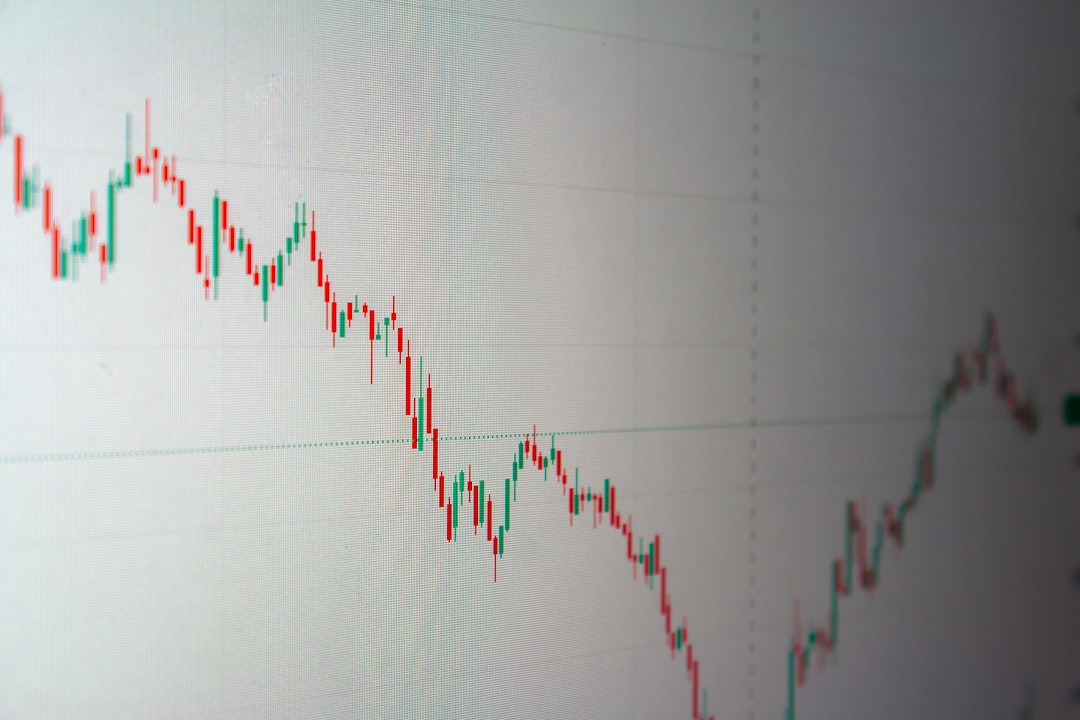
The Golden Cross is a bullish signal formed when a short-term moving average (typically the 50-period MA) crosses above a long-term moving average (usually the 200-period MA). This crossover tells you that the recent price momentum is stronger than the longer-term average, suggesting a sustained uptrend is beginning.
Think of it like two trains on the same track. The 50-MA is the fast train, and the 200-MA is the slow train. When the fast train overtakes the slow one, it means the market is accelerating upward.
Looking for altcoin opportunities and smooth trading? Try KuCoin.
The Setup
Here’s how you can spot and trade a Golden Cross:
1. Choose Your Timeframe: For swing trades, use the daily chart (50 MA crossing above 200 MA). For longer-term holds, the weekly chart works well.
2. Confirm Volume: Look for increasing trading volume on the day of the cross. Volume confirms that the breakout is real, not a fakeout.
3. Wait for a Retest (Optional but Recommended): Sometimes the price will pull back to the newly formed support level near the moving averages. This provides a lower-risk entry point.
4. Enter the Trade: Buy when the cross is confirmed (or after a successful retest).
Example: If Bitcoin’s 50-day moving average crosses above its 200-day moving average on the daily chart, and volume is rising, that’s your signal to start accumulating.
Risk Management
No strategy is perfect, and the Golden Cross can sometimes produce false signals in choppy, sideways markets. To protect your capital:
- Set a Stop-Loss: Place your stop below the 200-MA or the recent swing low. A good rule of thumb is 5-10% below your entry.
- Take Partial Profits: When the price moves 20-30% in your favor, sell a portion of your position and move your stop to break even.
- Watch for the Death Cross: The opposite signal (50 MA crossing below 200 MA) is your exit signal. When that happens, it’s time to sell.
- Position Size: Never risk more than 1-2% of your total portfolio on a single trade.
Remember, the Golden Cross works best in trending markets. If Bitcoin is stuck in a range, the signal may be less reliable.
Conclusion
The Moving Average Golden Cross is not a magic bullet, but it’s a powerful tool that can help you capture the biggest moves in crypto. By combining it with volume confirmation and solid risk management, you can trade with confidence instead of emotion. Start by practicing on historical charts, then apply it to live markets. Your next big trend could be just one cross away.