
DTCC Processes Live Trades of Tokenized Securities in Wall Street Milestone
July 15, 2026 — The Depository Trust & Clearing Corporation (DTCC) processed its first live production trades involving tokenized securities on Wednesday, marking a significant real-world test of blockchain technology in traditional finance. More than two dozen major financial institutions participated in the initiative, which involved tokenized equities, ETFs, and U.S. Treasurys across collateral transfers, repo transactions, and securities trades.
Immediate Details & Direct Quotes
Want to trade this news? Bitget offers professional charting tools and deep liquidity.
The DTCC, which safeguards over $114 trillion in securities, converted existing securities into blockchain-based “digital twins” rather than creating new digital assets. These tokenized representations retain the same legal ownership, dividend, and governance rights as the underlying assets, distinguishing this approach from many crypto platforms that issue tokenized “wrappers” without full legal rights.
Participants included JPMorgan Chase, Goldman Sachs, BlackRock, and Vanguard. JPMorgan converted holdings of the Invesco QQQ Trust ETF into tokenized assets before using tokenized collateral to satisfy margin requirements with CME Group. The SPDR S&P 500 ETF Trust was also tokenized during the event.
“They’re the ones who are flipping from one settlement regime to the next,” Mark Wendland, CEO of Canton Strategic Holdings, said in an interview. “I cannot understate the importance of a firm like DTC piloting and doing these real transactions given the role they play in U.S. financial markets.”
Some transactions settled on Hyperledger Besu while others used Canton Network, a blockchain designed for regulated financial markets that allows institutions to maintain privacy while sharing data with approved participants.
Market Context & Reaction
Wednesday’s event focused heavily on collateral mobility, long viewed as one of tokenization’s most promising institutional use cases. Unlike previous blockchain pilots, these transactions took place in a live production environment using assets already held at The Depository Trust Company (DTC), DTCC’s central securities depository.
The pilot arrives as Wall Street firms increasingly explore tokenization to modernize financial infrastructure. Asset managers including BlackRock have launched tokenized investment products, while banks have expanded blockchain-based settlement and payment networks.
Wendland cautioned, however, that the pilot should not be mistaken for immediate industry-wide adoption. “This validates that it’s possible,” he said. “It doesn’t demonstrate that demand is there.” He described the event as a proof of concept showing that tokenized assets can operate within existing market infrastructure.
Background & Historical Context
The DTCC serves as the backbone of the U.S. securities settlement system, recording ownership and settling transactions involving stocks, bonds, and other securities daily. Its approach converts existing securities between traditional electronic records and blockchain-based tokens without changing ownership, unlike many tokenized stock offerings available today where crypto platforms mirror a stock’s price without providing legal rights to the underlying shares.
Supporters argue tokenization could improve how collateral moves through financial markets, reduce operational friction, and allow assets to be transferred more efficiently between counterparties. Wednesday’s event demonstrated several use cases including tokenized Treasury transactions, equity trades, and collateral pledges.
What This Means
The DTCC plans to launch its tokenization service more broadly in October, when eligible participants can begin converting certain securities into blockchain-based representations for production use. This timeline suggests institutional adoption of tokenized assets could accelerate significantly in coming months, though Wendland’s comments indicate market demand remains unproven.
For investors, this development signals that traditional financial infrastructure is actively testing blockchain integration, potentially leading to faster settlement times and more efficient collateral movement. However, the technology’s widespread adoption depends on regulatory clarity and demonstrated demand from market participants. As with any emerging technology in finance, users should conduct their own research and understand the legal implications before engaging with tokenized assets.
—
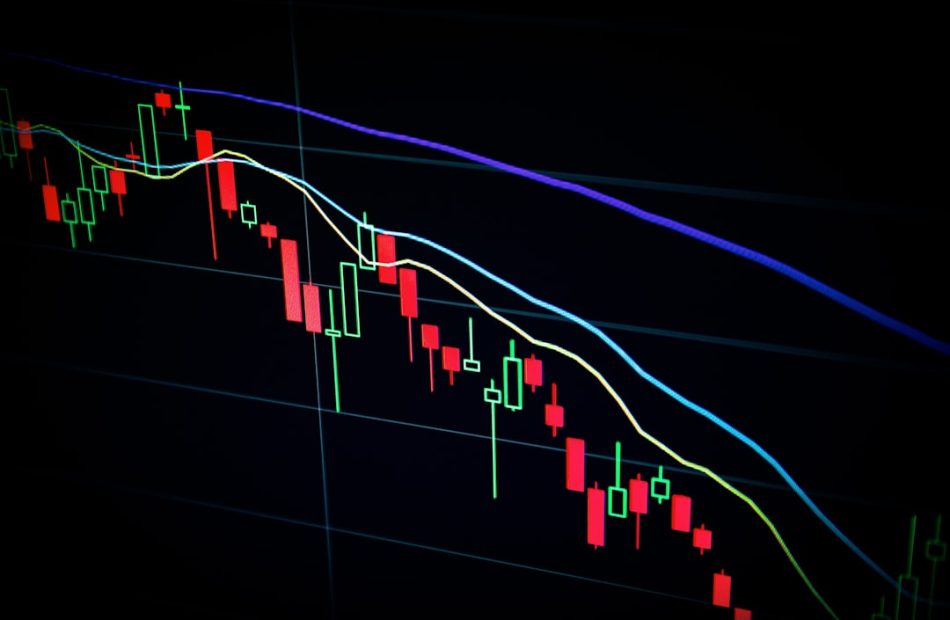
Master the RSI Divergence Strategy: Spot Trend Reversals Before They Happen
Have you ever watched a coin pump to new highs, only to crash moments after you FOMO’d in? Or seen a token hit a lower low, then suddenly explode upward? These moments are often preceded by a subtle but powerful signal called RSI divergence. It’s one of the most reliable tools for catching trend reversals early—and today, I’m going to show you exactly how to use it.
How It Works
The Relative Strength Index (RSI) is a momentum oscillator that measures the speed and change of price movements. Normally, RSI moves in the same direction as price. But when they disagree, that’s divergence.
There are two types:
- Bullish Divergence: Price makes a lower low, but RSI makes a higher low. This suggests selling momentum is fading, and a reversal to the upside is likely.
- Bearish Divergence: Price makes a higher high, but RSI makes a lower high. This hints that buying momentum is weakening, and a drop may follow.
The Setup
Here’s a step-by-step process to spot and trade RSI divergence:
1. Identify the trend – Look for a clear uptrend (for bearish divergence) or downtrend (for bullish divergence) on the 1-hour or 4-hour chart.
2. Wait for a swing high or low – Mark the most recent price peak (for bearish) or trough (for bullish).
3. Check the RSI – Compare that peak/trough to the previous one. RSI should show a lower high (bearish) or higher low (bullish).
4. Confirm with price action – Wait for a break of the nearest trendline or a candlestick reversal pattern (like a pin bar or engulfing candle).
5. Enter the trade – Go long on bullish divergence, short on bearish divergence.
Pro Tip: Use a 14-period RSI with standard settings. Divergence on higher timeframes (4H, daily) is more reliable than on lower ones (5min, 15min).
Risk Management
No strategy is perfect—divergence can sometimes fail. Protect your capital with these rules:
- Stop-loss: Place it just beyond the most recent swing low (for longs) or swing high (for shorts).
- Position size: Risk no more than 1–2% of your account per trade.
- Take-profit: Aim for the next key support/resistance level, or use a 2:1 risk-to-reward ratio.
- Avoid catching falling knives: Wait for confirmation. A divergence alone is not a signal—price must show intent.
Conclusion
RSI divergence is like a whisper from the market, telling you that the current trend is running out of steam. By learning to spot it, you can enter trades early, ride powerful reversals, and avoid getting caught on the wrong side of a move. Practice on historical charts first, then paper trade until it becomes second nature. Remember: patience and discipline are your best friends. Happy trading!
Identity on Chain: KYC and Compliance in DeFi
Real World Assets (RWAs) — such as real estate, bonds, commodities, and private credit — are being tokenized on public blockchains, enabling fractional ownership, 24/7 liquidity, and unprecedented transparency. However, the bridge between Traditional Finance (TradFi) and DeFi hinges on one critical pillar: identity verification. Without robust Know Your Customer (KYC) and Anti-Money Laundering (AML) compliance, institutional capital cannot safely enter the on-chain ecosystem. This guide explores how identity is managed on-chain, the technical and regulatory frameworks involved, and what investors need to know before participating.
Off-Chain vs On-Chain Identity: The Core Difference
In TradFi, identity is verified through centralized databases — banks, brokers, and custodians hold your personal data. On-chain identity, by contrast, aims to preserve user privacy while proving compliance. The key difference is that on-chain identity solutions allow a user to prove they are not a sanctioned entity or a money launderer without revealing their full name, address, or other sensitive data. This is achieved through zero-knowledge proofs (ZKPs) and decentralized identifiers (DIDs).
How It Works: The Technical Process
The process of compliant tokenization and identity verification typically follows these steps:
- Tokenization & SPV: The asset (e.g., a real estate property) is held by a Special Purpose Vehicle (SPV) — a legal entity that isolates the asset from the issuer’s balance sheet. The SPV issues tokens representing fractional ownership.
- KYC/AML Gateway: Investors complete KYC through a regulated third-party provider (e.g., Fractal ID, Civic, or a licensed custodian). The provider issues a verifiable credential (VC) that attests to the investor’s identity status.
- Oracle Integration: An oracle (e.g., Chainlink) verifies the VC on-chain without exposing raw data. The smart contract checks the oracle’s attestation before allowing a token transfer or yield distribution.
- Blockchain Settlement: Once verified, the investor can interact with the RWA protocol — buying, selling, or staking tokens — while the underlying identity remains private.
Investment Analysis: Pros, Cons, and Risks
Tokenized RWAs offer compelling advantages, but they also carry unique risks that every investor must understand.
Pros
- Fractional Ownership: Investors can buy a fraction of a $10 million building for as little as $100.
- 24/7 Liquidity: Secondary markets on decentralized exchanges allow trading outside traditional market hours.
- Transparency: All transactions are recorded on a public ledger, reducing the risk of fraud.
Cons
- Regulatory Uncertainty: Jurisdictions differ on how tokenized assets are classified (security vs. commodity).
- Smart Contract Risk: Bugs or exploits in the token contract or oracle can lead to total loss.
- Liquidity Fragmentation: Many RWA tokens trade on niche platforms with thin order books.
For a broader market view, check out our analysis on Polymarket UMA Exploit: What Happened and Are User Funds Safe?. Investors often compare this to Stablecoin Yield Strategies: Low Risk Farming – A Complete Guide for 2025.
Tool Recommendation: Where to Start
If you are new to on-chain identity and RWA investing, the safest place to begin is a regulated, user-friendly exchange that supports tokenized assets and KYC-compliant trading. Binance offers a wide range of tokenized products, including real estate and commodity tokens, with built-in KYC verification. You can practice this setup safely on Binance. Create an account here to explore the ecosystem.
FAQ Section
1. Is on-chain KYC safe for my privacy?
Yes, modern on-chain KYC solutions use zero-knowledge proofs (ZKPs) to verify your identity without revealing personal data. The verifier (e.g., a smart contract) only sees a cryptographic proof that you passed KYC, not your name or address. However, the KYC provider itself still holds your data, so choose a reputable, regulated provider.
2. What happens if the SPV goes bankrupt?
The SPV is a legal entity separate from the issuer. In a bankruptcy, the token holders are typically treated as creditors of the SPV, not the issuer. However, the legal framework varies by jurisdiction. Always read the offering documents to understand your rights in a default scenario.
3. Can I transfer RWA tokens to another wallet without KYC?
Most compliant RWA tokens have transfer restrictions encoded in the smart contract. The contract checks that the recipient’s wallet has a valid KYC attestation before allowing the transfer. This is known as a “whitelist” or “allowlist” mechanism. Without it, the transfer will fail.
Conclusion
On-chain identity is the linchpin that will unlock institutional capital for tokenized RWAs. While the technology is still maturing, the combination of zero-knowledge proofs, regulated KYC providers, and smart contract-based compliance offers a viable path forward. Investors should prioritize platforms with clear legal structures, audited smart contracts, and transparent oracle integrations. As the regulatory landscape evolves, those who understand the identity layer will be best positioned to capture the next wave of DeFi growth.
Circle Wins Legal Battle Over Heka: USDC Stablecoin Rules Explained
Did you know that stablecoin issuers have the power to freeze or suspend accounts if they suspect market manipulation? A recent legal case between Circle, the company behind USDC, and a hedge fund named Heka Funds has just set an important precedent for how stablecoin businesses can operate. At the heart of the dispute: undisclosed ties to Tether, the world’s largest stablecoin, and trading activity that Circle argued was artificially manufactured. For crypto users, this case matters because it clarifies the legal rights of stablecoin issuers and the transparency required when using their services. This guide explains what happened, the legal principles involved, and what it means for everyday crypto users who hold or use stablecoins like USDC.
Read time: 10-12 minutes
Understanding Stablecoin Account Rules for Beginners
Stablecoin issuer account agreements are contracts that give companies like Circle the right to limit, suspend, or terminate services if they reasonably suspect illegal activity or market manipulation. Think of it like a bank account agreement. Your bank can freeze your account if they see suspicious activity, even before they prove anything illegal happened. Stablecoin companies work similarly, but with an added layer: they monitor blockchain transactions in real-time.
Why were these rules created? Stablecoins like USDC need to maintain a constant $1 peg to be useful. If someone can manipulate the market to profit from price fluctuations, it hurts all users. These agreements protect the integrity of the system. A real-world example comes from the Heka case. Circle noticed that Heka was buying discounted USDC during the Silicon Valley Bank crisis and redeeming it at face value. Circle executives argued this wasn’t normal arbitrage—it was a manufactured opportunity created by Tether’s fee waivers, designed to profit at Circle’s expense.
The Technical Details: How Stablecoin Account Suspensions Actually Work
When a stablecoin issuer suspects wrongdoing, they follow a specific process. Here’s how it unfolded in the Heka case:
1. Initial Monitoring & Limit Reduction: Circle first reduced Heka’s minting and redemption limits to zero in November 2023. This is like your bank lowering your daily withdrawal limit before freezing your account.
2. Full Suspension: On December 1, 2023, Circle completely suspended Heka’s account under Section 9(c) of their master services agreement. This clause gives Circle the right to suspend services if they reasonably suspect market manipulation or other prohibited activity.
3. Communication & Legal Threats: Heka founder Fabio Frontini threatened legal and regulatory action. Circle documented all communications, preserving evidence for the arbitration process.
4. Arbitration Filing & Decision: Heka filed an arbitration claim, but retired judge Robert L. Dondero ruled in Circle’s favor. The key finding: Circle didn’t need to prove market manipulation had occurred—only that they had reached a “reasonable conclusion” that it might be happening.
Why this structure matters for you: If you use stablecoins, understand that the terms of service you agree to (often without reading) give companies broad discretion to protect their platforms. Always read the fine print, and never assume you have unlimited access to your funds if suspicious activity is detected.
Current Market Context: Why This Matters Now
This case comes at a crucial time for the stablecoin market. As of mid-2025, USDC has a market cap of approximately $35 billion, while Tether (USDT) dominates with over $100 billion. The competition between these two stablecoin giants is intense.
The ruling reinforces Circle’s legal position as it expands globally. Circle recently received final approval from the U.S. Office of the Comptroller of the Currency (OCC) to establish Circle National Trust, a major step toward becoming a regulated bank-like entity. The company is also preparing for its Current Seoul event on July 23, 2025, where it aims to build partnerships with South Korean banks and crypto exchanges for wider USDC adoption.
From a regulatory perspective, this case aligns with increasing scrutiny of stablecoin transparency. The European Union’s Markets in Crypto-Assets (MiCA) regulation, which came into effect in 2024, requires stablecoin issuers to disclose all material information about their operations. Hidden investor relationships—like Tether’s undisclosed role in Heka—would be a violation under MiCA.
Competitive Landscape: How Circle Compares to Tether
| Feature | Circle (USDC) | Tether (USDT) | Binance (BUSD) – Discontinued |
|---|---|---|---|
| Transparency | Monthly attestations from Deloitte. Fully reserved with U.S. Treasuries and cash. | Quarterly attestation. Reserves include commercial paper and other assets. | Was fully reserved. Discontinued due to regulatory pressure. |
| Regulatory Compliance | Registered with U.S. Treasury (FinCEN). Licensed in 48 states. OCC approval for trust bank. | Facing ongoing investigations by NYAG and CFTC. Settled with NYAG in 2021 for $18.5M. | Shut down by order of New York DFS. |
| Account Suspension Policy | Clear contractual rights to suspend for suspected manipulation. Proven in arbitration. | Controversial history of freezing assets, including $1M in 2023. | N/A (discontinued) |
| Market Dominance | ~25% of stablecoin market cap (~$30B). Strong in DeFi and institutional use. | ~67% of stablecoin market cap (~$115B). Dominates crypto exchange trading pairs. | N/A |
Why this matters for users: If you value regulatory compliance and transparent operations, Circle’s USDC may be the safer choice. However, Tether’s massive liquidity makes it essential for trading on many exchanges. Understanding these trade-offs helps you make informed decisions about which stablecoins to hold.
Practical Applications: Real-World Use Cases
How does the Heka case affect everyday crypto users?
- Choosing a Stablecoin: If you prioritize regulatory safety, USDC’s proven legal framework and institutional backing make it a solid choice for long-term holdings. The Heka case confirms Circle’s authority to enforce its rules.
- Understanding Account Risk: If you use any stablecoin service, know that your account can be frozen or suspended based on “reasonable suspicion.” Always maintain records of your transactions and comply with all identification requirements.
- Informed Trading: Arbitrage opportunities may be limited by stablecoin issuers’ anti-manipulation policies. The Heka case shows that what looks like a legitimate trade can be deemed “manufactured” by the issuer.
- Institutional Adoption: Circle’s legal win strengthens the case for stablecoins as legitimate financial instruments. This could encourage more banks and corporations to integrate USDC, potentially benefiting all users through wider acceptance.
Risk Analysis: Expert Perspective
Primary Risks:
1. Counterparty Risk: Your access to funds depends on the stablecoin issuer’s policies. Circle can suspend your account based on suspicion alone, without court approval first.
2. Regulatory Risk: As stablecoin regulation evolves (especially MiCA in Europe), issuers may become more aggressive in suspending accounts to demonstrate compliance.
3. Legal Risk: Heka’s claim of $49 million in lost profits was dismissed, but the case highlights that users can face significant financial losses if their accounts are suspended.
Mitigation Strategies:
- Diversify Stablecoin Holdings: Don’t keep all your stablecoins with one issuer. Spread between USDC, USDT, and potentially decentralized alternatives like DAI.
- Read the Terms of Service: Understand the suspension rights included in your agreement. Circle’s win confirms these terms are legally enforceable.
- Maintain Good Standing: Comply with all KYC/AML requirements. Avoid any trading patterns that could be interpreted as manipulative.
- Use Non-Custodial Wallets: For long-term holdings, consider assets like DAI or holding stablecoins in self-custody wallets where you control the private keys.
Expert Consensus: Legal experts agree this case strengthens stablecoin issuers’ enforcement powers. Users should expect more proactive monitoring and faster suspensions in the future.
Beginner’s Corner: Quick Start Guide to Using Stablecoins Safely
Step 1: Choose a Reputable Stablecoin
Start with USDC, USDT, or DAI. Check their transparency reports and regulatory status in your country.
Step 2: Understand the Terms of Service
Before depositing funds, read the issuer’s terms. Pay special attention to sections on account suspension and dispute resolution.
Step 3: Use a Regulated Exchange
Buy stablecoins on platforms like Coinbase, Kraken, or Binance. These exchanges have their own compliance policies that may offer additional protections.
Step 4: Store in a Secure Wallet
For amounts over $1,000, use a hardware wallet (Ledger, Trezor) connected to a non-custodial wallet (MetaMask, Trust Wallet). Never share your seed phrase.
Step 5: Monitor Your Account
Check your stablecoin holdings regularly. If your account is suspended, contact support immediately and preserve all transaction records.
Common Mistakes to Avoid:
- Leaving large amounts on exchanges for extended periods
- Ignoring KYC/AML verification requests
- Engaging in high-frequency arbitrage that might trigger suspicion
- Not diversifying across multiple stablecoin issuers
Future Outlook: What’s Next
The Heka case sets several important precedents for the stablecoin industry:
1. Legal Clarity for Issuers: Circle’s win confirms that stablecoin issuers have broad contractual rights to suspend accounts based on reasonable suspicion. Expect other issuers to update their terms of service to include similar language.
2. Increased Transparency Requirements: The case highlighted the need for funds to disclose major investors. Regulators may now push for mandatory disclosure of all significant capital providers in crypto investment vehicles.
3. International Expansion: Circle’s legal victory, combined with its OCC approval and South Korean expansion plans, positions USDC for wider institutional adoption, especially under MiCA in Europe.
4. Potential for More Disputes: Tether’s involvement in Heka raises questions about possible conflicts between stablecoin issuers. As the market matures, expect more legal battles over which stablecoins can be used where and under what conditions.
The case also raises an open question: Will Tether face similar scrutiny for its undisclosed investment practices? For now, the market’s largest stablecoin continues to operate under a different legal framework, but the Heka ruling may encourage regulators to examine Tether’s business relationships more closely.
Key Takeaways
- Circle has the legal right to suspend stablecoin accounts if it reasonably suspects market manipulation, even without proving it in court, as confirmed in the Heka arbitration.
- Stablecoin users must be transparent about their sources of funding when opening institutional accounts—hidden investors can lead to suspension or termination of services.
- The dispute highlights the competitive tension between Circle (USDC) and Tether (USDT) , with Circle positioning itself as the more regulatorily compliant option.
- This case sets a precedent for how stablecoin issuers can enforce their terms, giving them more confidence to suspend suspicious accounts quickly, which could affect both institutional and retail users.
How to Bridge Assets Across Blockchains Safely: A Step-by-Step Guide
Bridging assets across blockchains is an essential skill for any crypto user looking to move tokens between networks like Ethereum, BNB Chain, Polygon, or Arbitrum. However, cross-chain transfers come with risks such as hacks, slippage, and high fees. This comprehensive guide will walk you through the safest methods, key concepts, and pro tips to protect your funds.
Key Concepts
- Cross-Chain Bridge: A protocol that locks tokens on one chain and mints equivalent tokens on another, enabling interoperability.
- Wrapped Tokens: Represent an asset from one chain on another (e.g., WETH on Arbitrum).
- Liquidity Pools: Bridges rely on liquidity providers to facilitate swaps; always check pool depth to avoid high slippage.
- Trust Assumptions: Centralized bridges (custodial) vs. decentralized bridges (non-custodial) – each has different security trade-offs.
- Gas Fees: You need native tokens on both source and destination chains to pay for transactions.
Pro Tips
- Always verify the official bridge URL – phishing sites are common. Bookmark the correct address.
- Start with a small test transaction to confirm the bridge works and you have the correct destination address.
- Check bridge fees and estimated time – some bridges take minutes, others hours.
- Use bridges with audited smart contracts and a proven track record (e.g., Stargate, Across, Hop).
- Monitor for bridge exploits via platforms like DefiLlama or RugDoc before depositing large amounts.
FAQ Section
What is the safest bridge to use?
There is no single safest bridge, but decentralized bridges like Stargate (LayerZero) and Across are widely considered secure due to their audited code and active monitoring. Always check recent security reports.
Do I need gas on both chains?
Yes. You need the native token (e.g., ETH on Ethereum, MATIC on Polygon) on both the source and destination chains to pay for transaction fees. Some bridges offer gas station services, but it’s safer to have a small amount ready.
How long does a bridge transfer take?
It varies. Optimistic bridges (e.g., Arbitrum to Ethereum) can take 7 days for finality. Instant bridges (e.g., Across, Hop) settle in minutes but may have higher fees.
Can I bridge any token?
Not all tokens are supported on every bridge. Check the bridge’s supported asset list. Stablecoins (USDC, USDT) are the most widely supported.
What happens if a bridge gets hacked?
Your funds may be lost if the bridge’s smart contract is exploited. To mitigate risk, only bridge what you need, use reputable bridges, and consider using a multi-bridge strategy for large amounts.
Conclusion
Bridging assets across blockchains is a powerful tool for accessing DeFi opportunities, but it requires caution. By understanding key concepts, following pro tips, and using trusted tools, you can move your funds safely. For more details on this, check out our guide on DePIN Explained: Earning Passive Income with Infrastructure. You might also be interested in reading about Stablecoin Yield Strategies: Low Risk Farming – A Comprehensive Guide.
Ethereum Foundation Restructures: 54 Jobs Cut in Major 2026 Overhaul
July 15, 2026 — The Ethereum Foundation has undergone its most significant reorganization in history, cutting 54 positions and reducing its annual operating budget by approximately 40% as part of a sweeping restructuring effort that began earlier this year.
Immediate Details & Direct Quotes
Ready to act on this news? Open an account on Binance — the world’s largest crypto exchange.
The shakeup accelerated in June when co-executive director Hsiao-Wei Wang resigned, triggering the foundation’s largest workforce reduction to date. The job cuts eliminated roughly one-fifth of the organization’s staff, according to reports from CoinDesk.
Remaining employees were reorganized into five core operating groups focused on areas the foundation says only it can uniquely support within the Ethereum ecosystem.
“The events of 2026 have amounted to the most significant reorganization in the Ethereum Foundation’s history,” the report states. Foundation leaders insist the changes represent a necessary organizational reset rather than a sign of decline.
The restructuring follows the February departure of co-executive director Tomasz Stańczak, who stepped down after helping lead initial reorganization efforts. Shortly after, the foundation published a new mandate built around the CROPS framework — censorship resistance, resilience, openness, privacy and security — recasting itself as a long-term steward rather than the ecosystem’s primary builder.
Market Context & Reaction
The leadership transition triggered a steady stream of departures over subsequent months, with nine senior foundation leaders, researchers and executives leaving the organization. This marks one of the largest turnover periods in the Ethereum Foundation’s 12-year history.
The exits fueled speculation about the organization’s future direction. The foundation entered 2026 under mounting pressure from developers, investors and prominent community members who criticized its pace of execution, governance and technical priorities. Critics argued Ethereum’s roadmap had become overly focused on layer-2 scaling while neglecting base layer improvements.
As of July 2026, the foundation has emerged as a significantly smaller entity with new leadership, a redefined mandate and an ecosystem increasingly reliant on independent organizations for research and development.
Background & Historical Context
The June overhaul coincided with the emergence of new institutions designed to take on work traditionally handled by the foundation. ETHLabs launched with backing from several of the ecosystem’s largest ETH treasury companies, aiming to accelerate protocol research, ecosystem coordination and product development outside the foundation.
In July, Ethereum Institutional was unveiled as a dedicated initiative supporting enterprises, asset managers and nonprofits adopting Ethereum through research, education and standards development.
Shortly after, EthSystems established itself as a new for-profit company building infrastructure that keeps transactions confidential for financial institutions using Ethereum. These spinout organizations represent a fundamental shift in how the ecosystem operates.
What This Means
The restructuring positions the Ethereum Foundation as a leaner organization focused exclusively on areas where it provides unique value. For ecosystem participants, this means:
– Increased reliance on independent organizations like ETHLabs and EthSystems for protocol development and institutional adoption
– A narrower foundation mandate focused on long-term stewardship rather than hands-on building
– Potentially faster innovation as specialized organizations take on specific ecosystem roles
– Greater financial sustainability through reduced operating costs
The coming months will reveal how effectively this new decentralized structure supports Ethereum’s continued growth and development. Community members should monitor the progress of newly formed ecosystem organizations as they assume responsibilities once held by the foundation.
—
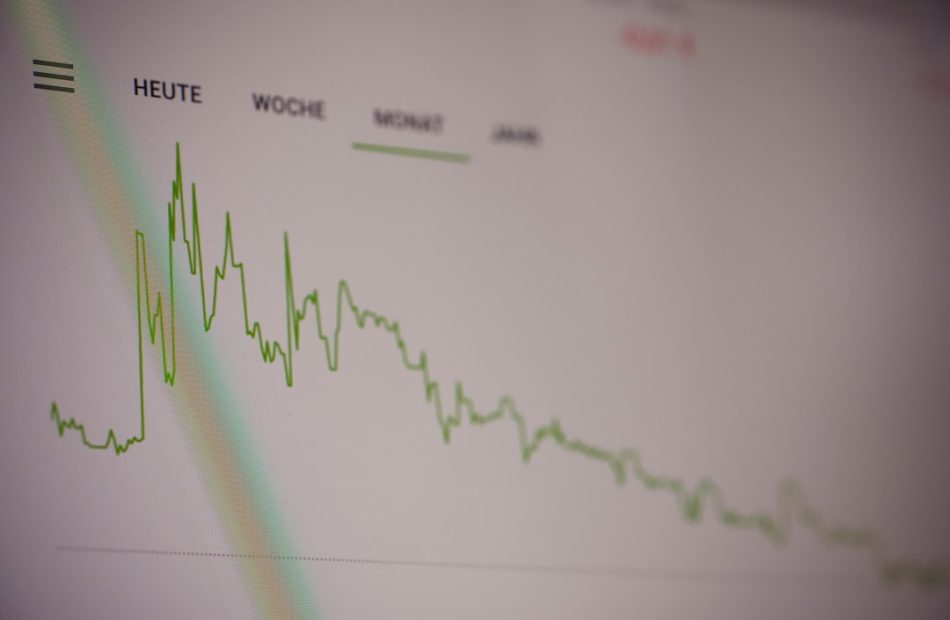
Master the Trend: How the 200-Day Moving Average Filter Keeps You on the Right Side of the Market
Imagine driving a car without a windshield. You’d be reacting to every bump and turn instead of seeing the road ahead. That’s what trading without a trend filter feels like. The 200-Day Moving Average (200MA) is your windshield—a simple but powerful tool that helps you identify the long-term market direction and avoid getting caught in false breakouts or counter-trend traps.
In this post, we’ll break down how to use the 200MA as a trend filter, why it works, and how it can save you from emotional, low-probability trades.
How It Works
The 200-day moving average is the average price of an asset over the last 200 trading days. It smooths out daily noise and reveals the underlying trend. Think of it as a line in the sand: when price is above the 200MA, the long-term trend is bullish. When price is below, the trend is bearish.
This filter works across all timeframes—from daily charts to weekly—and is especially popular among swing traders and position traders. The 200MA acts as dynamic support in uptrends and dynamic resistance in downtrends.
The Setup
Here’s a simple three-step system to apply the 200MA trend filter:

1. Plot the 200MA on your daily chart. Most platforms like TradingView or Binance have it built in.
2. Define your bias. Only take long trades when price is above the 200MA. Only take short trades when price is below the 200MA.
3. Look for confirmation. Use a secondary entry trigger—like a pullback to the 200MA with a bullish candlestick pattern (in an uptrend) or a break of a short-term resistance level.
For example, in a strong uptrend, wait for price to dip near the 200MA and bounce. That’s your entry. This keeps you buying dips in the direction of the big trend, not fighting it.
Risk Management
No strategy is perfect. The 200MA filter reduces false signals, but it’s not foolproof. Use these guardrails:
- Stop-loss placement: Place your stop below the recent swing low (in an uptrend) or above the recent swing high (in a downtrend), not just below the 200MA itself.
- Position sizing: Risk no more than 1-2% of your account per trade. Even with a strong filter, losses happen.
- Avoid chop zones: When price oscillates tightly around the 200MA, the trend is unclear. Stay out or reduce size until a clear direction emerges.
Remember: the 200MA is a filter, not a crystal ball. Combine it with volume, RSI, or support/resistance for higher probability setups.
Conclusion
The 200-day moving average trend filter is one of the simplest yet most effective tools in a trader’s toolkit. It keeps you aligned with the dominant market force—the long-term trend—and helps you avoid the noise that leads to overtrading and frustration.
Start by adding the 200MA to your daily chart. Make it your first decision point before any trade. Over time, you’ll build the discipline to trade with the trend, not against it. That’s the edge that separates consistent winners from the rest.
Tax Loss Harvesting in Crypto: A Guide for Traders
Tax loss harvesting is a powerful strategy that allows crypto traders to offset capital gains by selling assets at a loss. This guide explains how to use it effectively while staying compliant with tax regulations.
Key Concepts
- Capital Gains Tax: Profits from selling crypto are taxable. Losses can offset these gains.
- Wash Sale Rule: Unlike stocks, crypto currently has no wash sale rule in the U.S., meaning you can repurchase the same asset immediately after selling at a loss.
- Harvesting Process: Sell a losing position, realize the loss, and use it to reduce taxable gains. You can carry forward losses to future years.
Pro Tips
- Track all transactions meticulously using crypto tax software.
- Harvest losses before year-end to offset gains from earlier trades.
- Avoid triggering short-term capital gains if possible, as they are taxed at higher rates.
- Consider swapping into a correlated asset (e.g., BTC to ETH) to maintain market exposure while realizing losses.
FAQ Section
What is tax loss harvesting in crypto?
It is the practice of selling crypto assets at a loss to offset capital gains from other trades, reducing your overall tax liability.
Does the wash sale rule apply to crypto?
No, the IRS has not yet applied the wash sale rule to cryptocurrencies, allowing traders to repurchase the same asset immediately.
Can I carry forward losses?
Yes, if your losses exceed your gains in a given year, you can carry forward the excess to offset future gains.
Conclusion
Tax loss harvesting is a legitimate and effective way to minimize your crypto tax burden. By understanding the rules and timing your trades wisely, you can turn market downturns into strategic advantages. For more details on this, check out our guide on Blackrock Leads $635M Bitcoin ETF Selloff as Solana Demand Holds Firm. You might also be interested in reading about The Bollinger Band Squeeze: How to Catch the Next Big Move Before It Happens.
RWA vs Pure DeFi Yields: Which Is Safer?
Introduction: Off-Chain vs On-Chain Yields
The decentralized finance (DeFi) ecosystem has long promised high yields through automated market making, liquidity mining, and algorithmic stablecoins. However, the volatility and smart contract risks inherent in pure DeFi protocols have led many institutional and retail investors to seek more predictable returns. Real World Assets (RWAs) — tokenized versions of tangible assets like real estate, bonds, commodities, and private credit — bridge the gap between Traditional Finance (TradFi) and DeFi. Unlike pure DeFi yields that derive from on-chain activity alone, RWA yields are backed by off-chain collateral, offering a fundamentally different risk profile.
How RWA Yields Work
The process of generating yield from RWAs involves several key steps:
- Tokenization: An asset (e.g., a commercial real estate property) is legally structured into a Special Purpose Vehicle (SPV).
- Oracle Integration: Real-world data such as property valuations, interest rates, or commodity prices are fed onto the blockchain via oracles (e.g., Chainlink).
- Smart Contract Issuance: The SPV issues tokens representing fractional ownership. These tokens are then listed on decentralized exchanges or platforms like MEXC.
- Yield Distribution: Rental income, bond coupons, or credit repayments are collected off-chain, converted to stablecoins, and distributed to token holders via smart contracts.
This structure provides 24/7 liquidity and transparency while maintaining a legal link to the underlying real-world asset.
Investment Analysis: Pros, Cons, and Risks
Pros of RWA Yields
- Stability: Backed by tangible assets, RWA yields are less volatile than pure DeFi yields.
- Regulatory Clarity: Many RWA issuers comply with securities laws, reducing legal uncertainty.
- Diversification: Access to asset classes like private credit or real estate that were previously illiquid.
Cons and Risks
- Regulatory Risk: Changes in securities laws can affect token classification and trading.
- Smart Contract Risk: Despite the off-chain backing, the on-chain layer remains vulnerable to bugs or exploits.
- Counterparty Risk: The SPV or asset manager must be trusted to properly manage the underlying asset.
- Liquidity Risk: While better than traditional private markets, secondary markets for RWA tokens can still be thin.
For a broader market view, check out our analysis on Tether’s US-Focused Stablecoin USAT Surges 540% in April, Still Trails Rivals. Investors often compare this to Security Tokens vs Utility Tokens: The RWA Investor Guide.
Tool Recommendation: Where to Trade RWA Tokens
To maximize net yields, choosing a platform with low fees and high liquidity is essential. We recommend MEXC, a global exchange that lists many top RWA tokens with competitive trading fees. Their user-friendly interface and robust security make them a solid choice for both new and experienced investors. Start trading today at MEXC.
FAQ Section
What is the main difference between RWA yields and pure DeFi yields?
RWA yields are generated from off-chain, tangible assets (e.g., real estate, bonds) that are tokenized on a blockchain. Pure DeFi yields come from on-chain activities like lending, liquidity provision, or staking, which are entirely dependent on smart contract logic and market dynamics.
Are RWA investments regulated?
Many RWA issuers structure their tokens as securities under regulations like the SEC’s Reg D or Reg S, providing a legal framework. However, the regulatory landscape is still evolving, and investors should verify compliance before investing.
Can I lose money with RWA tokens?
Yes. While RWAs are backed by real assets, risks include asset depreciation, default by the borrower, smart contract vulnerabilities, and regulatory changes. Diversification and due diligence are critical.
Conclusion: Which Is Safer?
Neither RWA nor pure DeFi yields are risk-free. Pure DeFi yields offer higher potential returns but come with extreme volatility, impermanent loss, and smart contract hacks. RWA yields provide a more conservative, regulation-friendly alternative with lower upside but greater stability. For most investors, a balanced portfolio that includes both — with a heavier tilt toward RWAs for capital preservation — is the prudent approach. As the tokenization market matures, RWAs are likely to become the backbone of institutional DeFi.
Stripe and Advent Offer $53 Billion for PayPal: What This Means for Crypto
Jul 15, 2026 — Payment processor Stripe and private equity firm Advent International have submitted a $53 billion bid to acquire PayPal, offering $60.50 per share — a 28% premium above Tuesday’s closing price. The proposal would unite two of fintech’s most aggressive stablecoin players under one roof, combining PayPal’s PYUSD stablecoin with Stripe’s blockchain infrastructure. The deal is backed by approximately $50 billion in committed bank financing, with both suitors holding equal stakes and no plans to break up the company.
Immediate Details & Direct Quotes
Want to trade this news? Bitget offers professional charting tools and deep liquidity.
The formal proposal follows an initial approach made in April, with the formal bid submitted earlier in July, according to sources familiar with the matter cited by Reuters. The $60.50 per share offer values the fintech giant at more than $53 billion — a fraction of its pandemic-era peak of $350 billion.
Sources stressed that Stripe and Advent would not break up PayPal, despite speculation about potential asset sales. Bloomberg first reported the bid details, confirming the $50 billion in committed bank financing backing the acquisition attempt.
PayPal’s board has not yet accepted the offer, and both Reuters and Bloomberg cautioned that there is no guarantee the talks will lead to a transaction. The board must now weigh a rich cash premium against surrendering the company’s independence at a fraction of its former market value.
Market Context & Reaction
As of July 15, 2026, the premium offered reflects how far PayPal has fallen from its pandemic-era peak, when the company commanded a market value above $350 billion. At $53 billion, the bid values PayPal at roughly one-seventh of that high, even after the stock’s recent recovery.
For the crypto payments sector, the combination is difficult to overstate. Stripe has spent two years assembling a holistic payments-crypto infrastructure, first acquiring Bridge — a stablecoin orchestration platform — in a record $1.1 billion deal, and subsequently unveiling Tempo, a payments-focused blockchain built with Paradigm promising sub-second finality.
Stripe is also a backer of Open USD, the fee-free stablecoin launched by 140 firms including Coinbase and Ripple, and plans to make it the default stablecoin across its platform. Folding PayPal’s crypto assets into Stripe’s architecture would create a single company touching nearly every layer of dollar-token payments.
Background & Historical Context
Antitrust reviewers could scrutinize a merger of two of the largest online payment processors in the West, presenting a significant regulatory hurdle. The bid follows PayPal’s aggressive push into crypto, including the launch of PYUSD — one of the few stablecoins issued by a household-name fintech company.
PayPal currently offers crypto buying, selling, and checkout services to hundreds of millions of accounts. The company recently expanded PYUSD to nearly 70 countries in a single sweep, positioning the stablecoin as a global payments contender.
Stripe, for its part, has built its crypto infrastructure from the ground up over the past two years, acquiring key technology and talent to create an end-to-end stablecoin payment system. The company’s Tempo blockchain and Bridge platform represent a significant investment in crypto-native payment rails.
What This Means
The acquisition bid signals that stablecoin-era payments infrastructure has become the prize Wall Street’s biggest checkbooks are chasing. If completed, the deal would rank among the largest fintech acquisitions in history.
In the short term, PayPal’s board must issue a formal response to the offer. Traders and investors should watch for regulatory developments, as antitrust review could delay or block the transaction.
For crypto users, a combined Stripe-PayPal entity would control stablecoin issuance, orchestration, settlement rails, and consumer checkout — potentially reshaping how dollar-token payments flow across the global financial system. However, significant hurdles remain before any deal can close.
Not financial advice. Always conduct your own research before making investment decisions.