
Tokenized Real Estate: How to Invest with $50
Tokenized real estate is transforming the way everyday investors access property markets. By converting physical real estate into digital tokens on a blockchain, this asset class enables fractional ownership with as little as $50. Unlike traditional real estate, which requires large capital outlays, illiquid holding periods, and extensive paperwork, tokenized real estate offers 24/7 liquidity, transparent ownership records, and global accessibility. The key difference between off-chain and on-chain real estate lies in settlement: off-chain relies on title deeds, escrow agents, and legal intermediaries, while on-chain uses smart contracts and distributed ledger technology to automate transfers and record ownership instantly.
How Tokenized Real Estate Works
The process of tokenizing a property involves several technical and legal steps that bridge the physical asset with the digital world:
- Special Purpose Vehicle (SPV): A legal entity (often an LLC or trust) is created to hold the physical property. This SPV isolates the asset’s liabilities and ensures compliance with securities laws.
- Tokenization: The SPV issues digital tokens representing fractional ownership. Each token corresponds to a specific percentage of the property’s value and cash flows (rental income, appreciation).
- Oracle Integration: Oracles feed real-world data—such as property valuations, rental yields, and occupancy rates—onto the blockchain. This ensures that token prices reflect actual market conditions.
- Blockchain Settlement: Tokens are minted on a public or permissioned blockchain (e.g., Ethereum, Polygon, or Avalanche). Investors can buy, sell, or trade these tokens on secondary markets, providing liquidity that traditional real estate lacks.
Reports from BlackRock and data from RWA.xyz show that tokenized real estate is one of the fastest-growing segments in the RWA sector, with total value locked exceeding $2 billion as of early 2025.
Investment Analysis: Pros, Cons, and Risks
Pros
- Low Barrier to Entry: Invest with as little as $50, compared to the typical $50,000+ required for direct property ownership.
- Liquidity: Tokens can be traded on secondary markets 24/7, unlike traditional real estate that may take months to sell.
- Diversification: Spread capital across multiple properties, geographies, and asset types (residential, commercial, industrial).
- Transparency: All transactions and ownership records are immutable on the blockchain, reducing fraud and disputes.
Cons
- Regulatory Uncertainty: Tokenized real estate often falls under securities laws, which vary by jurisdiction. The SEC and other regulators are still defining rules.
- Smart Contract Risk: Bugs or exploits in the tokenization platform can lead to loss of funds. Audits are essential but not foolproof.
- Illiquidity in Bear Markets: While more liquid than traditional real estate, secondary markets can dry up during downturns, forcing sellers to accept steep discounts.
- Valuation Challenges: Oracles may not always reflect accurate property values, especially in volatile markets.
Key Risks
- Regulation: Governments may impose strict KYC/AML requirements or ban tokenized securities altogether. For a broader market view, check out our analysis on What Is Impermanent Loss? Liquidity Providing Explained – A Complete Guide for DeFi Investors.
- Counterparty Risk: The SPV or property manager could mismanage the asset, affecting token value.
- Market Risk: Property values can decline due to economic conditions, interest rates, or local market shifts.
Investors often compare this to Privacy Coins: Navigating the Regulatory Storm, as both asset classes face evolving legal landscapes that require careful due diligence.
Tool Recommendation
To track tokenized real estate prices, yields, and trading volumes, you need reliable charting tools. For the best charting tools to spot this pattern, try Bitget. Bitget offers advanced technical analysis features, real-time data feeds, and a user-friendly interface that helps you monitor RWA tokens effectively. Start your journey at: https://partner.bitget.site/bg/SVJSDD
FAQ Section
1. Is tokenized real estate legal?
Yes, but it must comply with securities regulations in the investor’s jurisdiction. Most platforms require accredited investor status in the U.S., while other countries have more relaxed rules. Always verify the platform’s legal structure and licensing.
2. How do I earn returns from tokenized real estate?
Returns come from two sources: rental income (distributed as dividends or yield, often expressed as APY) and capital appreciation (increase in token value when the property is sold). Some tokens also offer staking rewards if the platform integrates DeFi protocols.
3. Can I lose more than my $50 investment?
No. Tokenized real estate is structured as a limited liability investment. Your maximum loss is the amount you invested in tokens. However, if the SPV incurs debt or legal liabilities, token holders may face dilution, not personal liability beyond their investment.
Conclusion
Tokenized real estate is a revolutionary asset class that democratizes access to property markets. With a $50 minimum, you can own a fraction of a commercial building in New York or a rental property in Dubai—something unimaginable a decade ago. However, it is not without risks: regulatory crackdowns, smart contract vulnerabilities, and market volatility remain real concerns. For investors willing to do their homework, tokenized real estate offers a compelling blend of yield, liquidity, and diversification. Start small, use reputable platforms like Bitget for analysis, and always prioritize security and compliance.
South Korea Rate Hike Explained: What It Means for Crypto Traders
Did you know that South Korea’s central bank just raised interest rates for the first time since January 2023? If you’re a crypto trader or investor in 2025, this matters more than you might think. South Korea is home to some of the world’s busiest crypto exchanges like Upbit and Bithumb, where Korean won trading pairs generate massive volumes—especially for altcoins. When borrowing costs go up, speculative demand for risk assets like cryptocurrency often cools down. This guide explains what the Bank of Korea’s rate hike to 2.75% means for crypto markets, why South Korean retail traders matter globally, and how tighter monetary policy could affect your portfolio. You’ll learn the connection between interest rates, liquidity, and crypto demand—without the confusing economic jargon.
Read time: 8-10 minutes
Understanding Interest Rate Hikes for Beginners
An interest rate hike is when a central bank increases the cost of borrowing money. Think of it like the government raising the price of a loan—whether it’s for a house, a car, or trading crypto. When borrowing becomes more expensive, people and businesses tend to spend less and save more.
Why does this happen? Central banks like the Bank of Korea raise rates to fight inflation (when prices of goods and services rise too quickly) and to keep the economy stable. In South Korea’s case, June consumer inflation hit 3.2%, which is above the central bank’s target. Higher rates encourage people to put money in savings accounts or bonds instead of spending or investing in riskier assets like crypto.
A real-world crypto example: When South Korea raised rates in January 2023, daily crypto trading volume on local exchanges dropped from about $11.6 billion to $3 billion by early 2026. The logic is simple—if you can earn 3% interest safely in a bank, you’re less likely to chase volatile crypto returns.
The Technical Details: How Rate Hikes Affect Crypto Markets
Rate hikes don’t directly touch your crypto wallet. Instead, they work through several channels that gradually reduce the money available for crypto trading.
1. Higher Borrowing Costs: When rates go up, margin loans (borrowed money used to trade crypto) become more expensive. Traders take fewer leveraged positions.
2. Reduced Won Liquidity: South Korean investors deposit won into exchanges for trading. When rates rise, some of that won moves back to bank accounts or government bonds. Exchange deposits in South Korea dropped from 10.7 trillion won to 7.8 trillion won as rates increased.
3. Stronger Korean Won: Higher rates often make a currency stronger. A stronger won makes crypto purchases from local exchanges more expensive for foreign buyers.
4. Lower Speculative Demand: Crypto is considered a “risk-on” asset. When borrowing costs rise, investors generally reduce exposure to risky assets and move toward safer options like bonds or high-yield savings accounts.
Why this matters for you: Even if you don’t trade on Korean exchanges, the global crypto market feels the effects. South Korean retail traders are known for influencing altcoin prices. When they pull back, it can reduce volume across the entire crypto ecosystem.
Current Market Context: Why This Matters Now
As of July 2025, the Bank of Korea raised its benchmark rate from 2.50% to 2.75% in a unanimous 7-0 vote. The decision was widely expected, with 36 of 37 economists in a Reuters poll predicting the increase.
But here’s what makes this rate hike different: South Korea’s crypto market was already cooling before the move. Here are the numbers:
- Crypto holdings among South Korean investors dropped from $83.3 billion in January 2025 to $41.4 billion by February 2026
- Daily trading volume fell from $11.6 billion (December 2024) to roughly $3 billion (February 2026)
- Won deposits at exchanges declined from 10.7 trillion won to 7.8 trillion won
This means the rate hike isn’t starting a fresh downturn—it’s adding pressure to an already slowing market. The central bank also warned that further increases may be needed, with many economists expecting at least one more hike to 3.00% this year.
Competitive Landscape: How Major Crypto Markets Compare
Not all countries react the same way to rate hikes. Here’s how South Korea compares to other major crypto markets.
| Feature | South Korea | United States | European Union |
|---|---|---|---|
| Current Rate Trend | Raising (2.75%, expected 3.00%) | Holding (Fed paused after 2024 hikes) | Lowering recently (ECB cut rates) |
| Crypto Market Role | Retail-driven altcoin hub | Institutional + retail mix | Regulatory-driven, MiCA framework |
| Typical Trader Behavior | Heavy altcoin speculation | Mix of Bitcoin, ETH, stablecoins | More conservative, DeFi-focused |
| Impact on Crypto | Direct—won liquidity dries up quickly | Indirect—global liquidity conditions | Moderate—regulation matters more |
| Key Driver | Retail traders’ risk appetite | Institutional flows, macro trends | Regulatory clarity (MiCA) |
Why this matters: If you’re a crypto trader, understanding regional differences helps you anticipate market moves. A rate hike in South Korea can pressure altcoin prices globally, while a Fed pause or ECB cut might support Bitcoin and major coins.
Practical Applications: What This Means for Your Trading
How can you use this information as a crypto user?
- Monitor Korean Exchange Volumes: When Upbit and Bithumb volumes drop, it often signals reduced retail appetite. Use this as a leading indicator for altcoin corrections.
- Watch the Won-KRW Pairs: Coins with heavy Korean won trading volume (like XRP, which briefly became Upbit’s most traded asset in May 2025) are more sensitive to South Korean policy changes.
- Adjust Your Risk Position: During periods of tightening, consider reducing leveraged positions. Higher borrowing costs globally can lead to cascading liquidations.
- Look for Rotation to Stablecoins: When traders pull back from speculative plays, they often move to stablecoins. This can create buying opportunities when sentiment shifts back.
- Diversify Geographically: If you’re heavily exposed to Asian trading hours, consider how South Korean policies differ from U.S. or European trends.
Risk Analysis: Expert Perspective
Primary Risks:
1. Further Tightening: The Bank of Korea left the door open for more hikes. If rates go to 3.00% or higher, expect additional pressure on Korean crypto volumes.
2. Contagion to Global Markets: South Korean retail traders influence altcoin markets. A sustained slowdown could drag down prices for smaller projects that rely on retail volume.
3. Stronger Won Hurts Exports: A stronger currency might hurt South Korea’s export-driven economy, potentially leading to broader economic slowdown that eventually affects crypto.
Mitigation Strategies:
- Diversify Holdings: Don’t concentrate your portfolio in coins heavily traded on Korean exchanges.
- Use Stop-Losses: In tightening environments, volatility can spike unexpectedly.
- Focus on Blue-Chip Assets: Bitcoin and Ethereum tend to be less affected by regional rate changes than smaller altcoins.
Expert Consensus: Most analysts agree that South Korea’s rate hike is part of a broader global monetary tightening trend. While the immediate impact on crypto may be limited, continued increases could keep liquidity under pressure throughout 2025 and into 2026.
Beginner’s Corner: Quick Start Guide
How to monitor South Korea’s impact on crypto markets:
1. Check Upbit Volume Daily: Go to CoinGecko or CoinMarketCap and look at Upbit’s trading volume. A significant drop can signal reduced retail interest.
2. Watch the Bank of Korea Announcements: Follow major financial news outlets for policy decisions. The next rate decision is expected in August or September 2025.
3. Track Won-Denominated Pairs: Look for coins with high KRW volume (XRP, altcoins) and monitor their price action during Asian trading hours.
4. Compare with U.S. Federal Reserve: South Korea often follows U.S. monetary policy. Check if the Fed is hiking, holding, or cutting to understand the broader trend.
5. Set Market Alerts: Use exchange or portfolio tracking apps to alert you when Korean exchange volumes drop below a certain threshold.
Common Mistakes to Avoid:
- Don’t assume one rate hike crashes the market—it’s typically a gradual effect.
- Don’t ignore global macro trends—South Korea is just one piece of the puzzle.
- Don’t panic sell every time rates rise; crypto is also driven by institutional flows and technology adoption.
Future Outlook: What’s Next
Looking ahead, several developments could shape the impact of South Korea’s policy shift:
1. More Hikes Expected: Most economists predict at least one more increase to 3.00% by end of 2025. Some even see a path to 3.25% if inflation stays stubborn.
2. Global Central Bank Coordination: If the Fed resumes hiking or holds rates high, it could amplify the tightening effect on crypto markets worldwide.
3. Regulatory Developments: South Korea is also working on clearer crypto regulations, which could either support or constrain the market further.
4. Institutional Demand as Counterbalance: While retail demand cools, stronger global institutional demand for Bitcoin ETFs and major coins may offset the pressure.
The key takeaway: South Korea’s rate hike doesn’t mean crypto is doomed. It does mean traders need to be more selective, watch liquidity carefully, and understand that cheap money era is fading for now.
Key Takeaways
- South Korea’s rate hike to 2.75% adds pressure to an already cooling crypto market, where local trading volumes and holdings have dropped significantly since early 2025.
- Higher borrowing costs reduce speculative demand by encouraging savings in traditional assets like bonds or high-yield accounts instead of volatile crypto.
- South Korean retail traders significantly influence altcoin prices globally, so monitoring Upbit and Bithumb volumes can provide early signals for broader market moves.
- Further rate increases are likely (at least one more to 3.00%), which could keep liquidity tight through 2025 and into 2026.
,
“datePublished”: “2026-07-16T06:02:51.425-04:00”,
“dateModified”: “2026-07-16T06:02:51.425-04:00”,
“mainEntity”: {
“@type”: “Thing”,
“name”: “South Korea Interest Rate Hike Crypto Impact”
}
}

The Art of the Flip: Mastering Support and Resistance Flips
Have you ever watched a price level that once acted as a ceiling suddenly turn into a springboard for a breakout? That, my friend, is the magic of a support and resistance flip. It’s one of the most reliable signals in technical analysis, and once you learn to spot it, you’ll start seeing it everywhere. In this post, we’re going to break down exactly what a flip is, how to trade it, and—most importantly—how to manage your risk when the market decides to flip the script on you.
How it Works
At its core, a support and resistance flip is a role reversal. A level that previously acted as support (where buying pressure stopped a downtrend) becomes resistance (where selling pressure halts an uptrend), and vice versa. This happens because of a psychological shift in the market. Traders who missed buying at the old support level now see it as a discount opportunity when price returns to it. Similarly, those who bought at the old resistance and got trapped now want to break even, creating a new wall of selling orders.
The key principle: Once a level is broken with enough force, its role flips. A broken resistance becomes new support. A broken support becomes new resistance.
The Setup
Here’s a step-by-step process to identify and trade a flip:
1. Identify a strong level. Look for a price zone where the market has reversed at least twice (for support) or rejected (for resistance). The more touches, the stronger the level.

2. Wait for a decisive break. Price must break through the level with a strong, high-volume candle. A close beyond the level is your confirmation. A wick or a fakeout is not enough.
3. Watch for the retest. After the break, price often pulls back to the now-flipped level. This is your entry zone. For a resistance-to-support flip, you buy the retest. For a support-to-resistance flip, you sell (or short) the retest.
4. Enter with conviction. Place your entry order just above the flipped level (for a long) or just below it (for a short). Use a limit order to get a better price, but be prepared for the retest to be quick.
Pro Tip: Combine the flip with a candlestick confirmation. For example, if price retests a flipped resistance-as-support and forms a bullish engulfing or hammer, that’s a strong buy signal.
Risk Management
Flipped levels are powerful, but they can also be traps. Here’s how to protect yourself:
- Stop Loss Placement: Place your stop loss behind the flipped level. If you’re buying the retest of resistance-turned-support, your stop goes a few ticks below that level. If price closes back below it, the flip has failed, and you want out.
- Take Profit Targets: Aim for the next major resistance level above (or support below). A common target is a 1:2 or 1:3 risk-to-reward ratio. You can also trail your stop once price moves in your favor.
- Watch for Volume: A flip is more reliable when the initial breakout happens on high volume. Low-volume breaks often fail, leading to a “fake flip” that can trap traders.
- Avoid Overtrading: Not every level flips. If the retest is sloppy or the breakout candle is weak, skip the trade. Patience is a superpower in trading.
Conclusion
Support and resistance flips are a beautiful blend of market psychology and technical structure. They give you a clear, repeatable edge—if you wait for the right setup and manage your risk like a pro. Start by marking strong levels on your charts, watch for the break and retest, and then execute with confidence. Remember, the market doesn’t flip for everyone; it flips for those who are patient enough to wait for the signal. Happy trading!
How to Spot a Honey Pot Scam: Safety Guide
Honeypot scams are one of the most deceptive traps in decentralized finance (DeFi). They lure investors with the promise of easy profits, only to lock their funds forever. This guide will teach you how to identify honeypot tokens, protect your wallet, and trade safely.
Key Concepts
What is a Honeypot Scam? A honeypot is a malicious smart contract that allows users to buy a token but prevents them from selling it. Scammers often create fake liquidity pools, manipulate tokenomics, and use hidden functions to block withdrawals.
How Honeypots Work: The contract includes a hidden function (e.g., _transfer with a blacklist) that checks the seller’s address. If the address is not whitelisted (usually only the scammer’s wallet), the transaction reverts. The token price may rise artificially, but no one can exit.
Common Red Flags:
- Very high buy taxes (10%+) but zero or hidden sell taxes
- Liquidity locked for a very short period or not locked at all
- No verified source code on Etherscan/BscScan
- Unusual token distribution (e.g., 99% held by one wallet)
- Fake social media hype with no real community
Pro Tips
1. Always verify the contract on a block explorer. Check if the source code is verified and look for suspicious functions like blacklist, pause, or onlyOwner modifiers that restrict selling.
2. Use a test transaction. Before investing, buy a tiny amount (e.g., $1 worth) and try to sell it immediately. If the sell fails, it’s likely a honeypot.
3. Check liquidity and holder distribution. Use tools like DexScreener or RugDoc to see if liquidity is locked and if the top holders are concentrated.
4. Analyze the token’s trade history. Look for patterns where only the creator’s wallet sells. If you see many buys but zero successful sells from other wallets, run away.
FAQ Section
Q: Can I get my money back from a honeypot scam?
A: Almost never. Once funds are trapped in a malicious contract, only the scammer can withdraw them. Prevention is the only cure.
Q: Are honeypots only on Ethereum?
A: No. They are common on BNB Smart Chain, Polygon, Avalanche, and any chain with easy token creation.
Q: What tools can detect honeypots?
A: Use Honeypot.is, Token Sniffer, or RugDoc’s scanner. Always double-check with a manual test transaction.
Q: Is it safe to buy tokens from a new project?
A: Only if the contract is verified, liquidity is locked, and the team is doxxed. Even then, proceed with extreme caution.
Conclusion
Honeypot scams are a serious threat in crypto, but with the right knowledge and tools, you can avoid them. Always verify contracts, test small amounts, and never chase FOMO. For more details on this, check out our guide on Using Etherscan: Tracking Whales and Verifying Transactions – The Ultimate Guide. You might also be interested in reading about How to Spot a Honey Pot Scam: Safety Guide. Stay safe and trade smart.
How to Spot a Honey Pot Scam: Safety Guide for Crypto Investors
Honey pot scams are one of the most deceptive traps in the crypto world. They lure investors with promises of easy profits, only to lock their funds permanently. This comprehensive guide will teach you how to identify honey pot scams, protect your assets, and trade safely.
Key Concepts
What is a Honey Pot Scam?
A honey pot scam is a type of smart contract fraud where a token appears to be tradable and profitable, but the contract contains hidden code that prevents holders from selling. Scammers create a fake liquidity pool, often on decentralized exchanges (DEXs), and manipulate the price to attract buyers. Once enough victims invest, the scammer drains the liquidity, leaving investors with worthless tokens.
Common Red Flags:
- No verified source code: Legitimate projects publish their smart contract code on explorers like Etherscan. If the code is unverified, it’s a major warning sign.
- High buy tax but zero sell tax: Scammers often set a high tax on buys to collect fees, while making sells impossible or extremely costly.
- Liquidity not locked: If the liquidity pool tokens are not locked (e.g., via Unicrypt or Team Finance), the scammer can pull the rug at any time.
- Fake trading volume: Bots are used to create artificial volume and price action, making the token look popular.
- No social presence or community: Legitimate projects have active Twitter, Telegram, or Discord communities. A ghost town is a red flag.
Pro Tips
1. Always check the contract on a blockchain explorer.
Look for functions like transfer, approve, and burn. If there are suspicious functions (e.g., blacklist, disableTransfer), avoid the token.
2. Use token analysis tools.
Platforms like Token Sniffer, Honeypot.is, and RugDoc can automatically scan a contract for honey pot logic. Run the contract address through these before buying.
3. Test with a small amount first.
If you must buy, start with a tiny test transaction. Try to sell immediately. If the sell fails or returns zero, you’ve found a honey pot.
4. Verify liquidity locks.
Check if the liquidity is locked for a reasonable period (e.g., 6–12 months). If it’s unlocked or locked for only a few days, stay away.
5. Beware of fake audits.
Scammers often post fake audit reports from unknown firms. Always verify the auditor’s reputation and check if the report is publicly listed on the auditor’s website.
FAQ Section
Q: Can I get my money back from a honey pot scam?
A: Unfortunately, it’s extremely difficult. Once funds are sent to a scam contract, they are usually irreversible. The best defense is prevention.
Q: Are honey pot scams only on Ethereum?
A: No. They exist on any blockchain with smart contracts, including BSC, Solana, Polygon, and Avalanche. Always be cautious on newer chains.
Q: How do scammers make money from honey pots?
A: They collect the buy taxes and eventually drain the liquidity pool. Some also use the token to pump and dump, selling their own holdings before disabling sells.
Q: What is the difference between a rug pull and a honey pot?
A: In a rug pull, the scammer removes liquidity, causing the price to crash. In a honey pot, the scammer prevents selling altogether, trapping all buyers. Both are malicious, but honey pots are often harder to detect.
Conclusion
Honey pot scams are a persistent threat in decentralized finance, but with the right knowledge and tools, you can avoid them. Always verify smart contracts, use analysis tools, and never invest more than you can afford to lose. Stay vigilant, and remember: if it sounds too good to be true, it probably is.
For more details on this, check out our guide on The Rise of AI Agents in Crypto: A Complete Guide.
You might also be interested in reading about U.S. Regulators Propose Strict Stablecoin Customer ID Rules Similar to Banks.
Art & Collectibles: Fractional Ownership Guide
Art and collectibles have long been the domain of the ultra-wealthy, with masterpieces by Picasso or rare vintage cars trading hands at auction houses for millions. But tokenization is changing that. By converting physical or digital assets into blockchain-based tokens, fractional ownership allows multiple investors to own a share of a single high-value item. This guide explains how it works, the risks and rewards, and where to start.
What Is Fractional Ownership of Art and Collectibles?
Fractional ownership means dividing an asset into smaller, tradable units. Off-chain, this is done through private syndicates or LLCs, which are illiquid and require legal paperwork. On-chain, tokenization uses smart contracts to represent each fraction as a digital token, enabling instant transfer, 24/7 trading, and global access. The asset itself remains stored in a secure vault or managed by a custodian, while the tokens trade on a blockchain.
How It Works: The Technical Process
The tokenization of art and collectibles follows a structured pipeline:
- Asset Selection & Valuation: An asset (e.g., a Banksy painting or a rare Rolex) is professionally appraised and insured.
- Special Purpose Vehicle (SPV): A legal entity (SPV) is created to hold the physical asset, separating ownership from the token holders.
- Tokenization: The SPV issues a fixed number of tokens (e.g., 10,000 tokens representing 1/10,000th ownership) on a blockchain like Ethereum or Polygon.
- Oracle Integration: Oracles provide real-world data (e.g., insurance status, valuation updates) to the smart contract.
- Secondary Market Trading: Tokens are listed on decentralized or centralized exchanges, allowing investors to buy and sell fractions at market prices.
Investment Analysis: Pros, Cons, and Risks
Pros:
- Low entry barrier: Invest in a $10 million painting with as little as $100.
- Liquidity: Trade fractions 24/7 instead of waiting for an auction.
- Diversification: Spread capital across multiple high-value assets.
Cons & Risks:
- Regulatory uncertainty: Securities laws vary by jurisdiction; tokens may be classified as unregistered securities.
- Smart contract risk: Bugs or exploits can lead to loss of funds.
- Illiquid secondary markets: Some tokens may have low trading volume, making exit difficult.
- Valuation volatility: Art prices are subjective and can drop sharply.
For a broader market view, check out our analysis on The Fibonacci Entry: How to Pinpoint High-Probability Trade Zones. Investors often compare this to Real World Assets (RWA): How Tokenization Changes Investing.
Tool Recommendation
If you’re looking for altcoin opportunities and smooth trading, try KuCoin. KuCoin offers a wide range of tokenized asset pairs, including emerging RWA tokens, with competitive fees and robust security. Whether you’re buying fractions of a Monet or trading collectible NFTs, KuCoin provides the liquidity and tools you need.
Frequently Asked Questions
Question: Is fractional ownership of art legal?
Answer: Yes, but it falls under securities regulations in most countries. Platforms must comply with laws like the U.S. Securities Act or the EU’s MiCA. Always verify that the issuer has registered the offering or qualifies for an exemption.
Question: What happens if the physical asset is damaged or stolen?
Answer: Reputable platforms require full insurance coverage. In case of loss, the insurance payout is distributed proportionally among token holders via the smart contract. The SPV’s legal structure ensures that token holders have a claim on the proceeds.
Question: Can I sell my fraction at any time?
Answer: Yes, if the token is listed on a secondary market. However, liquidity depends on demand. Some platforms offer buyback programs or auction mechanisms to facilitate exits. Always check the trading volume before investing.
Conclusion
Fractional ownership of art and collectibles democratizes access to a historically exclusive asset class. While the technology is mature, regulatory and liquidity risks remain. Investors should start with small amounts, choose platforms with transparent custody and insurance, and stay informed about evolving laws. As tokenization matures, this sector could become a staple in diversified portfolios.
Base Creator Jesse Pollak Admits Social Strategy Failure, Steps Back from App Leadership
Jul 15, 2026 — Coinbase’s Jesse Pollak announced he is stepping back from leading the Base app after admitting his two-year bet on onchain social applications and creator coins “disintegrated completely.” Jordan Fish, known as ‘Cobie,’ will take over Base app development, while Pollak refocuses on positioning Base as the blockchain for global finance.
Immediate Details & Direct Quotes
Low fees are crucial when trading breaking news. We recommend MEXC for tight spreads and fast execution.
Pollak acknowledged that his strategy of betting on builders and onchain-native social experiences — including Farcaster, Zora, mini apps, and creator coins — failed to drive crypto adoption as expected. In a post on X Wednesday, Pollak stated that while developers spurred adoption through products like stablecoins, prediction markets, and perpetual futures, social applications “disintegrated completely.”
“I was definitively wrong,” Pollak wrote, adding that Base’s social focus left it behind competitors in key areas including trading, tokenization, and payments.
As part of the pivot, leadership of the Base app returns to Coinbase. Jordan Fish, also known as ‘Cobie,’ will oversee development. Fish is the founder of Echo, a platform enabling startups to raise funds directly from communities. Coinbase acquired Echo for $375 million last year.
“On the app, my focus is on building Base into the blockchain for global finance,” Pollak wrote. “To that end, I’ve handed the Base app back to the Coinbase mothership, where my now good friend Cobie will be taking it from here.”
Fish’s mandate includes making the Base app “the best damn app for onchain,” with plans to expand beyond the Base ecosystem.
Market Context & Reaction
The leadership shift reflects a broader pivot in crypto’s growth narrative. Consumer-focused social applications have largely struggled to gain mainstream traction, while developers and investors increasingly gravitate toward stablecoins, tokenization, decentralized derivatives, and AI-powered applications.
Pollak said Base will now prioritize trading, payments, and AI agents as it seeks to become infrastructure for global finance. The network aims to compete more directly in sectors where it previously lagged, including tokenization and payments infrastructure.
Market reaction details were not immediately available following the announcement.
Background & Historical Context
Pollak spent the last two years betting that onchain-native social experiences would fuel crypto’s next growth wave. The strategy centered on creator coins and social platforms like Farcaster and Zora, which Pollak believed would drive mainstream adoption.
However, the social economy failed to deliver sustained user engagement or transaction volumes comparable to trading and DeFi applications. Competitors that focused on stablecoins, tokenized assets, and derivatives captured significant market share while Base’s social-first approach stalled.
The pivot brings Base’s app development back under Coinbase’s direct control, with Fish — a prominent crypto investor and founder of Echo — now leading product direction. Pollak returns to focusing on the underlying blockchain technology.
What This Means
The strategic shift signals that Base will compete aggressively in trading, payments, and AI agent infrastructure rather than social applications. Users can expect expanded stablecoin support, tokenization features, and derivatives products in coming months.
For developers, the pivot may mean new opportunities building on Base’s infrastructure layer, particularly around AI agents and payment rails. Coinbase’s acquisition of Echo positions the exchange to integrate community fundraising tools directly into the Base app.
Short-term, expect leadership changes to accelerate product development in trading and payments. Long-term, Base’s success will depend on execution against established competitors in tokenization and decentralized finance.
—
KYC vs No-KYC Exchanges: Privacy Guide 2026
As cryptocurrency adoption accelerates, the debate between KYC (Know Your Customer) and no-KYC exchanges intensifies. In 2026, privacy-conscious traders face a critical choice: comply with identity verification for access to regulated platforms, or opt for anonymity at the cost of liquidity and security. This guide breaks down the trade-offs, risks, and best practices for both approaches, helping you navigate the evolving landscape of crypto privacy.
Key Concepts
What is KYC?
KYC refers to the process where exchanges require users to submit government-issued IDs, proof of address, and sometimes biometric data. This is standard on regulated platforms like Binance, Coinbase, and Kraken. KYC helps prevent money laundering, fraud, and terrorist financing, but it also ties your identity to your on-chain activity.
What are No-KYC Exchanges?
No-KYC exchanges (also called non-custodial or decentralized exchanges) allow trading without identity verification. Examples include Uniswap, PancakeSwap, and some centralized platforms like KuCoin (for limited volumes). These prioritize privacy but often have lower liquidity, higher fees, and limited fiat on-ramps.
Privacy vs. Security Trade-off
KYC exchanges offer stronger security guarantees—insurance, dispute resolution, and regulatory compliance. No-KYC exchanges expose users to higher risks of scams, exit fraud, and lack of recourse. In 2026, many jurisdictions mandate KYC for any exchange serving local users, making truly anonymous trading harder.
Pro Tips
- Use a dedicated wallet: Never connect your main wallet to a no-KYC exchange. Create a separate hot wallet for anonymous trades.
- Layer privacy tools: Combine no-KYC exchanges with VPNs, Tor, and privacy coins (Monero, Zcash) for maximum anonymity.
- Check local laws: In 2026, many countries require KYC even for DEXs via front-end interfaces. Use decentralized aggregators or direct smart contract interaction to bypass.
- Beware of fake KYC: Scammers pose as no-KYC platforms to steal your funds. Always verify the exchange’s reputation on forums like Reddit or BitcoinTalk.
- Start small: Test any no-KYC exchange with a tiny amount before committing larger funds.
FAQ Section
Is it illegal to use no-KYC exchanges?
Not inherently, but it depends on your jurisdiction. In 2026, many countries require KYC for any financial service. Using a no-KYC exchange to evade taxes or launder money is illegal. Always consult a local lawyer.
Can I be traced on a no-KYC exchange?
Yes. Blockchain analysis firms can link wallet addresses to identities through transaction patterns, IP logs (if not using a VPN), and exchange withdrawal records. No-KYC does not guarantee complete anonymity.
Which is safer: KYC or no-KYC?
KYC exchanges are generally safer for storing large amounts due to insurance and regulatory oversight. No-KYC exchanges carry higher risk of hacks, exit scams, and no customer support. For small, privacy-sensitive trades, no-KYC can be acceptable.
What are the best no-KYC exchanges in 2026?
Top choices include Uniswap (DEX), PancakeSwap (BSC), and Bisq (decentralized P2P). For centralized no-KYC, KuCoin still allows limited trading without verification, but volumes are capped.
How do I stay private on a KYC exchange?
Use a dedicated email, avoid linking to social media, and withdraw funds to a private wallet immediately. Some exchanges offer privacy features like “private mode” for transaction history.
Conclusion
Choosing between KYC and no-KYC exchanges in 2026 is a personal decision based on your privacy needs, risk tolerance, and local regulations. KYC platforms offer security and convenience, while no-KYC exchanges provide anonymity at the cost of safety. The best strategy is often a hybrid approach: use KYC exchanges for large, long-term holdings and no-KYC platforms for small, privacy-sensitive trades. Always prioritize security—use strong passwords, enable 2FA, and never share your private keys.
For more details on this, check out our guide on Private Key Compromise Explained: What Humanity Protocol’s $31M Exploit Teaches Us About Crypto Security.
You might also be interested in reading about Using Etherscan: Tracking Whales and Verifying Transactions – The Ultimate Guide.
Privacy Coins Under Fire: Navigating the Regulatory Storm
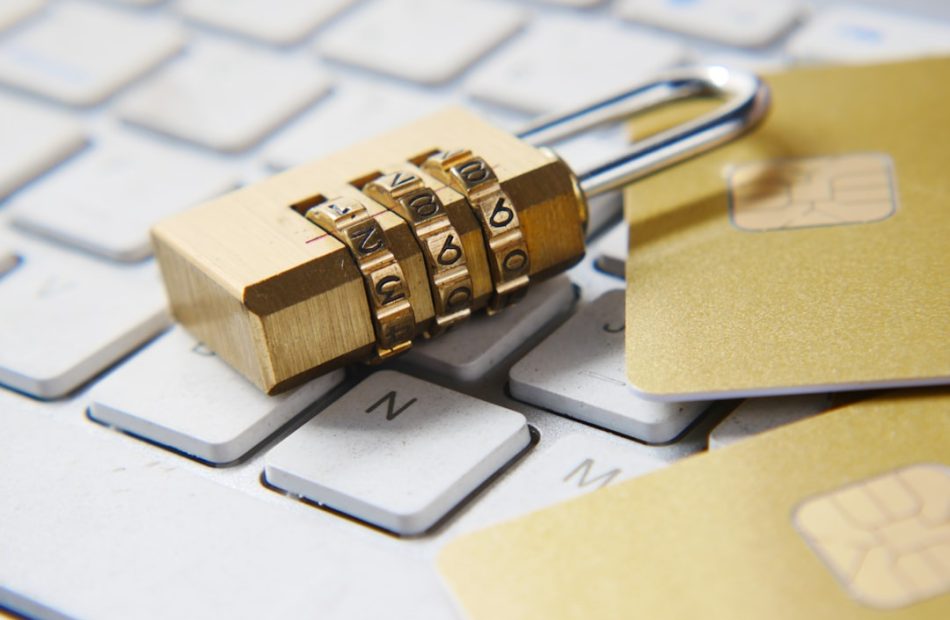
Imagine a world where every financial transaction you make is visible to anyone who cares to look. That’s the reality for most crypto users—except for those using privacy coins like Monero (XMR), Zcash (ZEC), or Dash. These coins offer true anonymity, but that very feature has put them in the crosshairs of regulators worldwide. For traders, understanding the regulatory risks is not just about staying legal—it’s about protecting your portfolio from sudden delistings, price crashes, and legal headaches. Let’s break down what’s happening and how you can trade privacy coins smartly.
The Strategy Explained
Why Privacy Coins Are Targeted
Privacy coins use advanced cryptography to hide transaction details—sender, receiver, and amount. While this is a boon for personal privacy, it also makes them attractive for illicit activities like money laundering or ransomware payments. Regulators, especially in the EU, UK, Japan, and South Korea, have responded by pressuring exchanges to delist these coins. For example, Binance delisted Monero in several jurisdictions, and OKX followed suit. The result? Sharp price drops and reduced liquidity.
How It Works: The Regulatory Risk Cycle
1. Announcement of a crackdown – A regulator issues a warning or new rule targeting privacy coins.
2. Exchange response – To comply, exchanges may delist or restrict trading in certain regions.

3. Price impact – The coin’s price often drops 10-30% within days of a major delisting announcement.
4. Liquidity crunch – Less trading volume leads to wider spreads and slippage.
The Setup: Trading the News
For traders, these events create both risk and opportunity. Here’s a simple approach:
- Monitor regulatory news – Follow official statements from bodies like the FATF (Financial Action Task Force), EU (MiCA), or national regulators.
- Set alerts – Use news aggregators or Twitter lists for exchange announcements about privacy coins.
- Short-term play – When a major exchange announces a delisting, consider shorting the coin (if available) or buying puts. The initial panic often leads to overselling, offering a potential bounce within days.
- Long-term caution – Avoid holding large positions in privacy coins over weeks or months. The regulatory landscape changes fast.
Real Example (Hypothetical)
In early 2024, the EU’s AMLA hinted at stricter rules for “anonymous assets.” Within 48 hours, Monero dropped 15%. Traders who shorted XMR futures or sold their holdings before the news profited. Those who held saw their portfolios shrink.
Risk Management
Trading privacy coins is high-risk because regulatory actions are often sudden and severe. Here’s how to stay safe:
- Position sizing – Limit exposure to privacy coins to no more than 5-10% of your portfolio.
- Use stop-losses – Set tight stops (e.g., 8-10% below entry) to cap losses during a delisting event.
- Diversify – Don’t put all your eggs in one basket. Combine privacy coins with more regulated assets like Bitcoin or Ethereum.
- Stay liquid – Keep some funds in stablecoins or fiat so you can react quickly to news.
- Know your exchange – Use exchanges that clearly communicate their compliance policies. Avoid those that might freeze withdrawals during a regulatory storm.
Conclusion
Privacy coins represent one of crypto’s most powerful ideals—financial freedom. But that same power attracts intense scrutiny. As a trader, you don’t have to avoid them entirely; you just need to respect the risks. Stay informed, trade the news, and always prioritize capital preservation. Remember, in the world of privacy coins, the biggest threat isn’t the blockchain—it’s the regulator. Trade smart, stay safe, and keep learning at CryptoSimplified.net.
Restaking Explained: EigenLayer and Beyond – The Ultimate Guide to Crypto Restaking
Introduction
Restaking is one of the most transformative innovations in decentralized finance (DeFi) and blockchain security. It allows users to reuse staked assets—typically ETH—to simultaneously secure multiple protocols, earning additional rewards without sacrificing their original staking position. EigenLayer, the pioneer of this concept, has opened the door to a new paradigm where capital efficiency and network security are dramatically enhanced. In this comprehensive guide, we’ll break down what restaking is, how EigenLayer works, and what the future holds for this emerging sector.
Key Concepts
- What is Restaking? Restaking is the process of taking already-staked assets (e.g., ETH on Ethereum’s beacon chain) and using them to secure additional networks or services, known as Actively Validated Services (AVSs). This creates a multiplicative effect on capital efficiency.
- EigenLayer’s Role: EigenLayer is a protocol built on Ethereum that enables restaking. It acts as a middleware layer where validators can opt-in to secure third-party applications, earning extra yield while maintaining their original staking rewards.
- Liquid Restaking Tokens (LRTs): Platforms like Lido and Rocket Pool have introduced liquid staking derivatives. When restaked through EigenLayer, these become liquid restaking tokens (e.g., stETH, rETH) that can be used in DeFi while still securing AVSs.
- Slashing Risks: Restaking introduces additional slashing conditions. If a validator misbehaves on an AVS, they can lose a portion of their staked ETH. Understanding these risks is critical.
- Beyond EigenLayer: Other projects like Renzo, Ether.fi, and Kelp DAO are building on top of EigenLayer to offer user-friendly restaking solutions. The ecosystem is rapidly expanding.
Pro Tips
- Start Small: If you’re new to restaking, begin with a small amount of ETH to understand the mechanics and slashing risks.
- Diversify AVSs: Don’t put all your restaked ETH into one AVS. Spread across multiple services to mitigate risk.
- Monitor Slashing Conditions: Each AVS has its own slashing rules. Read the fine print before committing.
- Use Liquid Restaking Tokens: LRTs give you flexibility to participate in DeFi while still earning restaking rewards.
- Stay Updated: The restaking landscape evolves fast. Follow EigenLayer’s official channels and community forums.
💡 Pro Tip
Looking for altcoin opportunities and smooth trading? Try KuCoin.
FAQ Section
What is the difference between staking and restaking?
Staking involves locking up tokens to secure a single blockchain (e.g., Ethereum). Restaking takes those same staked tokens and uses them to secure additional protocols, earning extra rewards.
Is restaking safe?
Restaking introduces additional slashing risks. If the validator misbehaves on an AVS, they can lose a portion of their stake. However, by choosing reputable AVSs and diversifying, you can manage these risks.
Do I need to unstake my ETH to restake?
No. With EigenLayer, you can restake your already-staked ETH (e.g., through a liquid staking derivative like stETH) without unstaking. This is the core innovation.
What are AVSs?
Actively Validated Services (AVSs) are protocols or applications that require decentralized validation. Examples include sidechains, data availability layers, and oracle networks.
Can I restake other tokens besides ETH?
Currently, EigenLayer primarily supports ETH and its liquid staking derivatives. However, the ecosystem may expand to other assets in the future.
Conclusion
Restaking through EigenLayer represents a paradigm shift in how we think about capital efficiency and blockchain security. By allowing staked assets to secure multiple networks simultaneously, it unlocks new yield opportunities and strengthens the entire crypto ecosystem. However, it’s not without risks—slashing conditions and protocol complexity require careful attention. As the restaking landscape evolves, staying informed and starting small will help you navigate this exciting frontier.
For more details on this, check out our guide on Stochastic Oscillator Dip Buying: Your Guide to Smart Crypto Entries.
You might also be interested in reading about What Institutional HYPE Accumulation Means for Crypto: A Beginner’s Guide to On-Chain Whale Tracking.