
RWA vs Pure DeFi Yields: Which Is Safer?
Introduction: Off-Chain vs On-Chain Yields
The decentralized finance (DeFi) ecosystem has long promised high yields through automated market making, liquidity mining, and algorithmic stablecoins. However, the volatility and smart contract risks inherent in pure DeFi protocols have led many institutional and retail investors to seek more predictable returns. Real World Assets (RWAs) — tokenized versions of tangible assets like real estate, bonds, commodities, and private credit — bridge the gap between Traditional Finance (TradFi) and DeFi. Unlike pure DeFi yields that derive from on-chain activity alone, RWA yields are backed by off-chain collateral, offering a fundamentally different risk profile.
How RWA Yields Work
The process of generating yield from RWAs involves several key steps:
- Tokenization: An asset (e.g., a commercial real estate property) is legally structured into a Special Purpose Vehicle (SPV).
- Oracle Integration: Real-world data such as property valuations, interest rates, or commodity prices are fed onto the blockchain via oracles (e.g., Chainlink).
- Smart Contract Issuance: The SPV issues tokens representing fractional ownership. These tokens are then listed on decentralized exchanges or platforms like MEXC.
- Yield Distribution: Rental income, bond coupons, or credit repayments are collected off-chain, converted to stablecoins, and distributed to token holders via smart contracts.
This structure provides 24/7 liquidity and transparency while maintaining a legal link to the underlying real-world asset.
Investment Analysis: Pros, Cons, and Risks
Pros of RWA Yields
- Stability: Backed by tangible assets, RWA yields are less volatile than pure DeFi yields.
- Regulatory Clarity: Many RWA issuers comply with securities laws, reducing legal uncertainty.
- Diversification: Access to asset classes like private credit or real estate that were previously illiquid.
Cons and Risks
- Regulatory Risk: Changes in securities laws can affect token classification and trading.
- Smart Contract Risk: Despite the off-chain backing, the on-chain layer remains vulnerable to bugs or exploits.
- Counterparty Risk: The SPV or asset manager must be trusted to properly manage the underlying asset.
- Liquidity Risk: While better than traditional private markets, secondary markets for RWA tokens can still be thin.
For a broader market view, check out our analysis on Tether’s US-Focused Stablecoin USAT Surges 540% in April, Still Trails Rivals. Investors often compare this to Security Tokens vs Utility Tokens: The RWA Investor Guide.
Tool Recommendation: Where to Trade RWA Tokens
To maximize net yields, choosing a platform with low fees and high liquidity is essential. We recommend MEXC, a global exchange that lists many top RWA tokens with competitive trading fees. Their user-friendly interface and robust security make them a solid choice for both new and experienced investors. Start trading today at MEXC.
FAQ Section
What is the main difference between RWA yields and pure DeFi yields?
RWA yields are generated from off-chain, tangible assets (e.g., real estate, bonds) that are tokenized on a blockchain. Pure DeFi yields come from on-chain activities like lending, liquidity provision, or staking, which are entirely dependent on smart contract logic and market dynamics.
Are RWA investments regulated?
Many RWA issuers structure their tokens as securities under regulations like the SEC’s Reg D or Reg S, providing a legal framework. However, the regulatory landscape is still evolving, and investors should verify compliance before investing.
Can I lose money with RWA tokens?
Yes. While RWAs are backed by real assets, risks include asset depreciation, default by the borrower, smart contract vulnerabilities, and regulatory changes. Diversification and due diligence are critical.
Conclusion: Which Is Safer?
Neither RWA nor pure DeFi yields are risk-free. Pure DeFi yields offer higher potential returns but come with extreme volatility, impermanent loss, and smart contract hacks. RWA yields provide a more conservative, regulation-friendly alternative with lower upside but greater stability. For most investors, a balanced portfolio that includes both — with a heavier tilt toward RWAs for capital preservation — is the prudent approach. As the tokenization market matures, RWAs are likely to become the backbone of institutional DeFi.
Stripe and Advent Offer $53 Billion for PayPal: What This Means for Crypto
Jul 15, 2026 — Payment processor Stripe and private equity firm Advent International have submitted a $53 billion bid to acquire PayPal, offering $60.50 per share — a 28% premium above Tuesday’s closing price. The proposal would unite two of fintech’s most aggressive stablecoin players under one roof, combining PayPal’s PYUSD stablecoin with Stripe’s blockchain infrastructure. The deal is backed by approximately $50 billion in committed bank financing, with both suitors holding equal stakes and no plans to break up the company.
Immediate Details & Direct Quotes
Want to trade this news? Bitget offers professional charting tools and deep liquidity.
The formal proposal follows an initial approach made in April, with the formal bid submitted earlier in July, according to sources familiar with the matter cited by Reuters. The $60.50 per share offer values the fintech giant at more than $53 billion — a fraction of its pandemic-era peak of $350 billion.
Sources stressed that Stripe and Advent would not break up PayPal, despite speculation about potential asset sales. Bloomberg first reported the bid details, confirming the $50 billion in committed bank financing backing the acquisition attempt.
PayPal’s board has not yet accepted the offer, and both Reuters and Bloomberg cautioned that there is no guarantee the talks will lead to a transaction. The board must now weigh a rich cash premium against surrendering the company’s independence at a fraction of its former market value.
Market Context & Reaction
As of July 15, 2026, the premium offered reflects how far PayPal has fallen from its pandemic-era peak, when the company commanded a market value above $350 billion. At $53 billion, the bid values PayPal at roughly one-seventh of that high, even after the stock’s recent recovery.
For the crypto payments sector, the combination is difficult to overstate. Stripe has spent two years assembling a holistic payments-crypto infrastructure, first acquiring Bridge — a stablecoin orchestration platform — in a record $1.1 billion deal, and subsequently unveiling Tempo, a payments-focused blockchain built with Paradigm promising sub-second finality.
Stripe is also a backer of Open USD, the fee-free stablecoin launched by 140 firms including Coinbase and Ripple, and plans to make it the default stablecoin across its platform. Folding PayPal’s crypto assets into Stripe’s architecture would create a single company touching nearly every layer of dollar-token payments.
Background & Historical Context
Antitrust reviewers could scrutinize a merger of two of the largest online payment processors in the West, presenting a significant regulatory hurdle. The bid follows PayPal’s aggressive push into crypto, including the launch of PYUSD — one of the few stablecoins issued by a household-name fintech company.
PayPal currently offers crypto buying, selling, and checkout services to hundreds of millions of accounts. The company recently expanded PYUSD to nearly 70 countries in a single sweep, positioning the stablecoin as a global payments contender.
Stripe, for its part, has built its crypto infrastructure from the ground up over the past two years, acquiring key technology and talent to create an end-to-end stablecoin payment system. The company’s Tempo blockchain and Bridge platform represent a significant investment in crypto-native payment rails.
What This Means
The acquisition bid signals that stablecoin-era payments infrastructure has become the prize Wall Street’s biggest checkbooks are chasing. If completed, the deal would rank among the largest fintech acquisitions in history.
In the short term, PayPal’s board must issue a formal response to the offer. Traders and investors should watch for regulatory developments, as antitrust review could delay or block the transaction.
For crypto users, a combined Stripe-PayPal entity would control stablecoin issuance, orchestration, settlement rails, and consumer checkout — potentially reshaping how dollar-token payments flow across the global financial system. However, significant hurdles remain before any deal can close.
Not financial advice. Always conduct your own research before making investment decisions.

Stop Loss Placement Strategies: Where to Draw the Line for Safer Trades
You’ve done your analysis, spotted a promising setup, and clicked ‘Buy.’ But as the price starts to dip, that familiar knot tightens in your stomach. Where do you get out? Without a clear stop loss, you’re gambling—not trading. Let’s fix that.
Stop losses are your safety net. They protect your capital from emotional decisions and sudden market moves. But placing them correctly is an art. Put them too tight, and you get stopped out by normal noise. Put them too wide, and you risk losing too much. Here’s how to find the sweet spot.
How It Works
A stop loss is an order to sell (or buy) an asset when it reaches a specific price, limiting your loss on a trade. The key is to place it at a level that invalidates your trading thesis—meaning if price hits that point, your original reason for entering is wrong.
The Setup
There are three common strategies for placing stop losses:
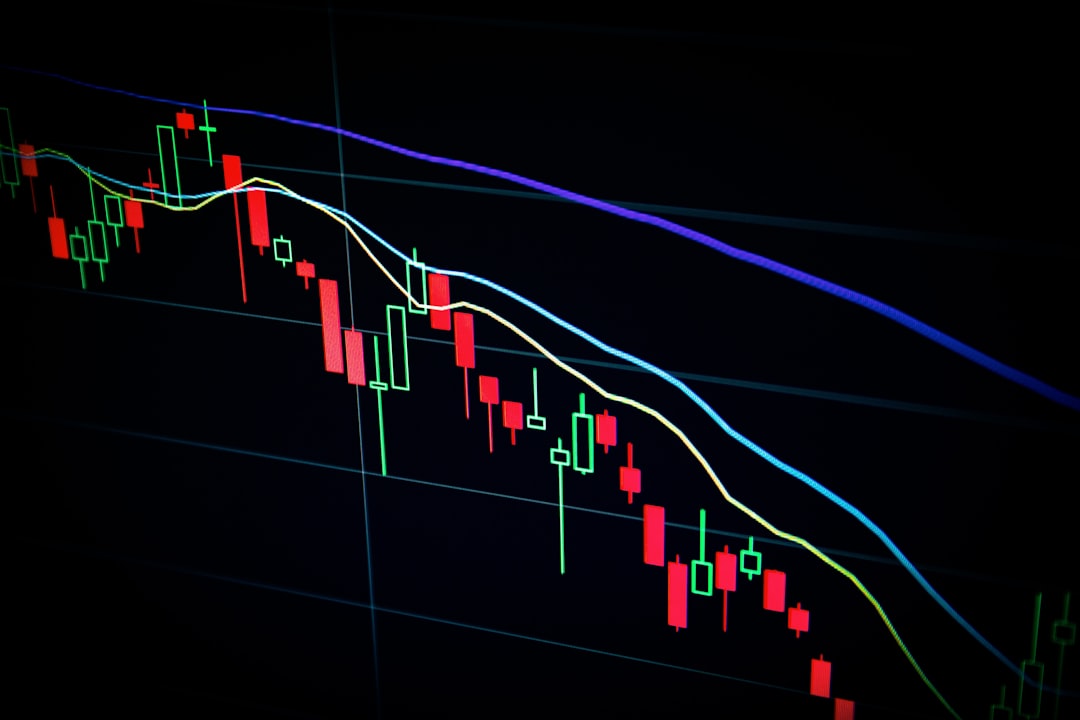
1. Support and Resistance Levels
Place your stop just below a key support level (for longs) or just above a key resistance level (for shorts). This gives the trade room to breathe while protecting you if the level breaks. For example, if Bitcoin is bouncing off $60,000 support, set your stop at $59,500—below the level but not too far.
2. Volatility-Based (ATR)
Use the Average True Range (ATR) indicator to set a stop at a multiple of ATR from your entry. For instance, if ATR is 200 points, set your stop 1.5x ATR (300 points) below entry. This adapts to market conditions—wider in volatile markets, tighter in calm ones.
3. Moving Average
Place your stop below a key moving average like the 20 EMA or 50 SMA. This works well in trending markets. If price closes below the MA, your trend thesis is broken. Adjust the MA period based on your timeframe (e.g., 20 EMA for short-term, 50 SMA for swing trades).
Risk Management
Never risk more than 1-2% of your account on a single trade. Calculate your position size so that if your stop loss is hit, the loss stays within that limit. For example, with a $10,000 account and 1% risk ($100), if your stop is $0.50 away from entry, you can buy 200 units ($100 / $0.50). This keeps your losses consistent and your psychology stable.
Also, avoid placing stops at obvious round numbers (like $60,000 exactly). Markets often sweep these levels before reversing. Place them a few ticks below or above to avoid being picked off.
Conclusion
Stop losses aren’t about being right—they’re about staying in the game. By using support/resistance, ATR, or moving averages, you can place stops that respect market structure and protect your capital. Start with one strategy, test it in a demo account, and refine. Remember: a well-placed stop loss is the difference between a setback and a disaster. Trade safe.
KYC vs No-KYC Exchanges: Privacy Guide 2026
Introduction
In the evolving landscape of cryptocurrency trading, the choice between KYC (Know Your Customer) and no-KYC exchanges has become a pivotal decision for users prioritizing privacy, security, or regulatory compliance. As we move into 2026, stricter global regulations and advanced surveillance tools are reshaping how exchanges operate. This guide breaks down the key differences, risks, and benefits of each approach, helping you navigate the trade-offs between anonymity and convenience.
Key Concepts
- KYC Exchanges: Require users to submit personal identification (e.g., passport, utility bill) to comply with anti-money laundering (AML) laws. Examples include Coinbase, Binance (regulated entities), and Kraken. Benefits include higher liquidity, fiat on-ramps, and customer support. Downsides include data breaches and government surveillance.
- No-KYC Exchanges: Allow trading without identity verification, often using decentralized (DEX) or peer-to-peer (P2P) models. Examples include Uniswap, Bisq, and some centralized exchanges like KuCoin (limited tiers). Benefits include privacy and censorship resistance. Downsides include lower liquidity, higher fees, and potential legal risks in certain jurisdictions.
- Privacy Coins: Assets like Monero (XMR) or Zcash (ZEC) enhance anonymity on no-KYC platforms, but they face delisting pressure from regulated exchanges.
- Regulatory Trends 2026: The Travel Rule (FATF) now applies to most jurisdictions, forcing even P2P platforms to collect data. Some countries (e.g., EU, US) mandate KYC for all crypto services, while others (e.g., Switzerland, Singapore) offer balanced frameworks.
Pro Tips
- Use a VPN: Always mask your IP address when using no-KYC exchanges to prevent ISP tracking or geolocation bans.
- Layer 2 Solutions: For privacy on Ethereum-based DEXs, use zkSync or Arbitrum to reduce on-chain footprint.
- Mixers & Tumblers: While controversial, tools like Wasabi Wallet or Tornado Cash (if legally accessible) can further anonymize transactions after a no-KYC trade.
- Check Local Laws: In 2026, many countries impose penalties for using unregistered exchanges. Always verify your jurisdiction’s stance before trading.
- Diversify Platforms: Use a KYC exchange for fiat on-ramp and a no-KYC DEX for privacy-sensitive trades to balance convenience and anonymity.
FAQ Section
1. Is it illegal to use no-KYC exchanges in 2026?
It depends on your country. In the US, EU, and UK, using unregistered exchanges may violate AML laws. However, decentralized exchanges (DEXs) often operate in a legal gray area. Always consult a local attorney.
2. Can I get hacked on a no-KYC exchange?
Yes. No-KYC exchanges, especially smaller ones, may have weaker security. Use hardware wallets and avoid storing funds on the platform. DEXs reduce counterparty risk but require careful smart contract audits.
3. What is the best no-KYC exchange for privacy in 2026?
Bisq (P2P, non-custodial) and Uniswap (DEX) are top choices. For centralized options, KuCoin offers limited KYC tiers, but privacy is not guaranteed.
4. How do I convert fiat to crypto without KYC?
Use P2P platforms like LocalMonero (for Monero) or Paxful (limited). Alternatively, buy gift cards with cash and trade them on no-KYC exchanges. Note: These methods may have higher fees.
5. Will KYC exchanges report my trades to the government?
Yes. In 2026, most regulated exchanges share data with tax authorities under the OECD’s Crypto-Asset Reporting Framework (CARF). Always report your gains accurately.
For more details on this, check out our guide on Art & Collectibles: Fractional Ownership Explained.
You might also be interested in reading about How to Participate in Governance Proposals (DAOs): A Step-by-Step Guide for 2026.
Conclusion
The KYC vs no-KYC debate in 2026 is not about good vs. evil—it’s about trade-offs. KYC exchanges offer security, liquidity, and compliance, but at the cost of privacy. No-KYC platforms preserve anonymity but require technical savvy and carry legal risks. Your choice should align with your risk tolerance, trading volume, and local regulations. As the industry matures, hybrid solutions (e.g., self-sovereign identity) may emerge, but for now, stay informed, use best practices, and never compromise on security.
Stablecoin Standards Explained: What the US-UK Pact Means for Crypto
Did you know stablecoins now settle over $200 billion in transactions each month? As the market for these digital dollars explodes, both the United States and the United Kingdom have officially aligned on a joint framework for regulating them. This is a critical development for anyone using or exploring stablecoins in 2025. The new Transatlantic Taskforce for Markets of the Future agreement outlines common rules for how stablecoins should be backed, how customer funds should be protected, and how cross-border payments could become faster and cheaper. But this push for clarity also comes as major US banking groups push back against the CLARITY Act, raising concerns about deposit outflows from smaller banks. In this guide, we’ll break down what these standards mean, why they matter for your crypto wallet, and how they could reshape the future of digital money.
Read time: 8-10 minutes
Understanding Stablecoins for Beginners
A stablecoin is a type of cryptocurrency designed to maintain a stable value, typically pegged 1:1 to a fiat currency like the US dollar. Instead of fluctuating wildly like Bitcoin or Ethereum, a stablecoin aims to give you the benefits of crypto—fast transactions, global reach, and programmability—without the price volatility.
Think of it like a digital gift card. When you buy a $10 gift card, you trust that the store will honor its value. A regulated stablecoin works similarly: you deposit $1, and the issuer holds $1 in a bank account or high-quality assets. When you want to cash out, you redeem that stablecoin for $1.
Why were stablecoins created? They solve a fundamental problem in crypto: moving money between exchanges or using decentralized finance (DeFi) applications without constantly converting to and from volatile assets. For example, rather than selling Bitcoin to US dollars and wiring that to another platform (which takes days), you can simply send USDC or USDT (two major stablecoins) in seconds for pennies in fees.
The Technical Details: How Stablecoin Standards Actually Work
The new US-UK agreement sets core standards for how regulated stablecoins should operate. Here are the key requirements:
1. One-to-One Backing: Every stablecoin in circulation must be fully backed by high-quality liquid reserve assets, like US Treasury bills or cash deposits. This prevents the kind of fractional reserve problems that have led to past stablecoin crashes.
2. Segregated Reserves: Issuers must keep customer-backed assets separate from their own company funds. If an issuer goes bankrupt, stablecoin holders get legal priority access to those reserves over other creditors.
3. Clear Redemption Rights: Users must be able to redeem their stablecoins for the underlying fiat currency in a timely manner. The rules require transparent disclosure of how this process works.
4. Cross-Border Coordination: Both countries agree to align their domestic regulations, meaning a stablecoin approved in the US should have an easier path to operating in the UK and vice versa.
Infographic suggestion: A flow chart showing the lifecycle of a stablecoin—user deposits $1 → issuer holds $1 in Treasury bills → stablecoin is minted → user spends or transfers it → issuer redeems when user cashes out.
Current Market Context: Why This Matters Now
As of early 2025, the stablecoin market has grown to over $200 billion in total market capitalization, with major players like Tether (USDT) and Circle (USDC) dominating. The joint UK-US statement recognizes stablecoins as “an important vehicle for innovation in digital money,” explicitly endorsing their use in cross-border payments, settlement, and capital market transactions.
This timing is crucial because of two converging factors. First, the US Senate is racing to pass the CLARITY Act before the August recess—a comprehensive crypto bill that includes stablecoin oversight. Second, major banking organizations have intensified criticism of the legislation, arguing that unclear stablecoin rules could accelerate deposit outflows from community and regional banks. If consumers move money from traditional bank accounts into stablecoins, smaller banks—which depend heavily on deposits for lending—could face liquidity pressure.
The international coordination signals that regulatory clarity is coming, even as domestic debates continue. For users, this means more protections but also more compliance requirements for exchanges and wallets.
Competitive Landscape: How Major Stablecoins Compare
Here’s how the largest stablecoins stack up against each other and against traditional banking:
| Feature | USDC (Circle) | USDT (Tether) | Traditional Bank Account |
|---|---|---|---|
| Regulatory Oversight | US-regulated, audited monthly | Limited disclosure, under investigation | FDIC-insured, federally regulated |
| Reserve Composition | US Treasuries, cash, repos | Mix: Treasuries, commercial paper, secured loans | FDIC insurance up to $250,000 |
| Redemption Speed | Instant on exchanges | Instant on exchanges | 1-3 business days for wire |
| Cross-Border Fee | Under $0.01 | Under $0.01 | $25-$50 average wire fee |
| Yield Potential | Typically none | Typically none | 0.01%-4% APY |
Practical Applications: Real-World Use Cases
Stablecoins aren’t just for traders. Here are practical ways people use them today:
- Cross-Border Remittances: Send money to family abroad in seconds for near-zero cost. Traditional bank wires can take 3-5 days and cost 5-10% in fees.
- Hedging During Volatility: When Bitcoin drops 10% in an hour, you can instantly swap into a stablecoin without leaving the crypto ecosystem.
- Earning Yield in DeFi: Lend your stablecoins on platforms like Aave or Compound to earn 3-8% APY, often better than traditional savings accounts.
- On-Ramp for the Unbanked: Anyone with an internet connection can access stablecoins without needing a traditional bank account.
- Business Payments: Companies use stablecoins to settle with international contractors without foreign exchange headaches.
Risk Analysis: Expert Perspective
Primary Risks:
1. Regulatory Risk: The current CLARITY Act controversy shows that stablecoin regulation is still evolving. Sudden rule changes could impact how or where you can use these assets.
2. Counterparty Risk: If an issuer like Tether has insufficient reserves (a historical concern), the stablecoin could lose its peg, leading to losses for holders.
3. Banking Sector Disruption: If stablecoins drain deposits from smaller banks, those institutions could face lending constraints, potentially affecting local economies.
4. Technical Risk: Like all crypto, stablecoins are vulnerable to smart contract bugs or exchange hacks.
Mitigation Strategies:
- Stick to regulated stablecoins (USDC, PYUSD) over less transparent options.
- Use hardware wallets for long-term stablecoin holdings.
- Only keep what you need for transactions on exchanges.
Beginner’s Corner: Quick Start Guide
Ready to use stablecoins? Follow these steps:
1. Choose a regulated stablecoin – Start with USDC or PYUSD (PayPal’s stablecoin) for the strongest regulatory backing.
2. Set up a wallet – Use a non-custodial wallet like MetaMask or a trusted exchange like Coinbase.
3. Buy stablecoins – Deposit fiat currency on an exchange and swap for your chosen stablecoin.
4. Start transferring – Send small test amounts to another wallet or exchange to learn the process.
5. Explore DeFi yields – Once comfortable, try lending your stablecoins on a platform like Aave for passive income.
Common Mistakes to Avoid:
- Sending stablecoins to the wrong blockchain network (e.g., sending ERC-20 USDC to a Solana address).
- Leaving large amounts on exchanges instead of a personal wallet.
- Ignoring gas fees during network congestion.
Future Outlook: What’s Next
The UK-US joint framework sets the stage for several developments in the coming months:
1. CLARITY Act Vote: The Senate faces pressure to pass the bill before August. If successful, it would create a federal regulatory framework for stablecoins in the US.
2. EU MiCA Implementation: Europe’s Markets in Crypto-Assets (MiCA) regulation takes full effect in 2025, creating a third major regulatory regime.
3. Interoperability Standards: The transatlantic agreement aims to reduce friction between US and UK markets, potentially enabling seamless cross-border stablecoin transfers.
4. Institutional Adoption: Clearer rules could encourage more banks and payment companies to launch their own stablecoins or integrate existing ones.
The direction is clear: stablecoins are moving from the crypto Wild West into a regulated, mainstream financial tool. For users, this means more safety but also more responsibility to understand the rules.
Key Takeaways
- Stablecoins are digital dollars backed 1:1 by real assets, designed for fast, low-cost transactions without price volatility.
- The US and UK have aligned on core standards including full reserve backing, segregated assets, and clear redemption rights.
- The CLARITY Act faces pushback from banking groups concerned that stablecoins could drain deposits from smaller community banks.
- For beginners, sticking to regulated stablecoins like USDC or PYUSD offers the best balance of utility and safety.
- Stablecoin regulation is evolving rapidly, so staying informed about new rules in your jurisdiction is essential.
,
“datePublished”: “2025-07-15”,
“dateModified”: “2025-07-15”,
“mainEntity”: {
“@type”: “Thing”,
“name”: “Stablecoin Regulation Framework”
}
}
Bitcoin Layer 2s: Stacks, Lightning, and Runes Guide – Scaling Bitcoin for DeFi and Payments
Bitcoin, the world’s first and most secure cryptocurrency, has long faced scalability challenges. Enter Bitcoin Layer 2 solutions: protocols built on top of Bitcoin that enhance its functionality, speed, and programmability without compromising its core security. This guide explores three key Layer 2 innovations: Stacks, Lightning Network, and the emerging Runes protocol. Whether you’re a developer, investor, or crypto enthusiast, understanding these layers is essential for navigating the next phase of Bitcoin’s evolution.
Key Concepts
1. Stacks (STX) – Smart Contracts for Bitcoin
Stacks is a Layer 1 blockchain that connects to Bitcoin via a unique mechanism called Proof of Transfer (PoX). It enables smart contracts and decentralized applications (dApps) to settle on Bitcoin, bringing DeFi, NFTs, and DAOs to the Bitcoin ecosystem. Stacks uses its native token, STX, for transaction fees and mining. Key features include:
- Clarity smart contracts: A predictable, decidable language for secure dApps.
- Bitcoin finality: Transactions are anchored to Bitcoin blocks.
- Stacking: STX holders can earn Bitcoin rewards by participating in consensus.
2. Lightning Network – Instant, Low-Cost Payments
The Lightning Network is a second-layer payment protocol that enables instant, near-zero-fee Bitcoin transactions. It works by creating off-chain payment channels between users, which are settled on the Bitcoin blockchain only when opened or closed. Ideal for microtransactions, tipping, and everyday payments, Lightning has grown to support thousands of nodes and channels. Key benefits:
- Scalability: Millions of transactions per second.
- Privacy: Off-chain transactions are not broadcast to the main chain.
- Interoperability: Works with wallets like Phoenix, Breez, and Strike.
3. Runes – A New Token Standard on Bitcoin
Runes is a protocol proposed by Casey Rodarmor (creator of Ordinals) that allows for efficient creation and transfer of fungible tokens directly on the Bitcoin blockchain. Unlike BRC-20 tokens, which use Ordinal inscriptions, Runes leverages Bitcoin’s UTXO model for simpler, more scalable token operations. Runes are designed to coexist with Bitcoin’s core principles while enabling tokenized assets, memecoins, and community currencies. Key points:
- Efficiency: Lower transaction fees compared to BRC-20.
- Security: Inherits Bitcoin’s full security.
- Composability: Can be used with Lightning and other Layer 2s.
Pro Tips
- Start with Lightning for payments: If you want to send or receive Bitcoin instantly and cheaply, set up a Lightning wallet like Phoenix or Muun. Avoid on-chain fees for small amounts.
- Explore Stacks for DeFi: Use platforms like ALEX or Arkadiko to lend, borrow, or trade assets while earning Bitcoin rewards through Stacking.
- Watch Runes for token experiments: Runes are still in early development. Participate in testnets or small-scale mints to understand the technology before committing significant capital.
- Combine layers: You can use Lightning for payments, Stacks for smart contracts, and Runes for token creation—all anchored to Bitcoin’s security.
💡 Pro Tip
Looking for altcoin opportunities and smooth trading? Try KuCoin.
FAQ Section
Q: What is the difference between Stacks and Lightning Network?
A: Stacks is a smart contract platform that brings DeFi and dApps to Bitcoin, while Lightning Network is a payment channel network for fast, cheap transactions. Stacks focuses on programmability; Lightning focuses on scalability for payments.
Q: Are Runes tokens safe to use?
A: Runes inherit Bitcoin’s security, but the protocol is new. Always verify token contracts, use reputable wallets, and start with small amounts. The ecosystem is still maturing.
Q: Can I use Lightning Network with Stacks?
A: Yes, projects like LNSwap and Stacks-based wallets are exploring integration. You can potentially use Lightning to pay for Stacks transaction fees or swap assets between layers.
Q: Do I need to run a Bitcoin node to use Layer 2s?
A: Not necessarily. Many wallets and services abstract the complexity. However, running your own node gives you full control and privacy, especially for Lightning.
Conclusion
Bitcoin Layer 2s are unlocking a new era of utility for the world’s most secure blockchain. Stacks brings smart contracts and DeFi, Lightning enables instant payments, and Runes offers a native token standard. Together, they form a powerful ecosystem that keeps Bitcoin at the center of crypto innovation. As these technologies mature, expect more cross-layer integrations, user-friendly tools, and real-world adoption. For more details on this, check out our guide on US Treasury Bills on Blockchain: The Risk-Free Rate On-Chain. You might also be interested in reading about How to Bridge Assets Across Blockchains Safely: A Step-by-Step Guide.
US Treasury Bills on Blockchain: The Risk-Free Rate On-Chain
Tokenized US Treasury bills represent a landmark convergence of traditional finance and decentralized technology. By bringing the world’s safest asset—short-term US government debt—onto a blockchain, investors can now access a near risk-free yield with 24/7 liquidity, fractional ownership, and transparent on-chain settlement. This guide explains how these instruments work, their investment profile, and how to participate safely.
What Are Tokenized US Treasury Bills?
Tokenized US Treasury bills are digital representations of actual short-term US government debt securities. Each token is backed 1:1 by a real Treasury bill held in a special purpose vehicle (SPV) or a regulated custodian. Unlike traditional T-bills that trade only during market hours and require large minimum investments, on-chain versions allow anyone to buy, sell, or transfer fractions of a bill at any time, with settlement occurring in minutes via smart contracts.
The key difference between off-chain and on-chain T-bills lies in accessibility and efficiency. Off-chain, you need a brokerage account, a minimum of $100–$1,000, and you can only trade during US market hours. On-chain, you can start with as little as $1, trade 24/7/365, and see every transaction recorded on a public ledger. This bridges the gap between TradFi and DeFi by offering a regulated, low-risk yield within decentralized ecosystems.
How It Works: The Technical Process
The tokenization of US Treasury bills involves a multi-step process that ensures legal compliance and asset integrity:
- Tokenization: A regulated issuer (e.g., Ondo Finance, Backed Finance) purchases actual Treasury bills through a broker or directly from the US Treasury.
- Special Purpose Vehicle (SPV): The T-bills are held in a bankruptcy-remote SPV, legally separating the assets from the issuer’s own balance sheet. This protects token holders in case of issuer insolvency.
- Oracle Integration: A trusted oracle (e.g., Chainlink) provides real-time pricing and redemption data to the blockchain, ensuring the token’s value stays pegged to the underlying bill.
- Minting on Blockchain: The issuer mints tokens (e.g., on Ethereum, Polygon, or Solana) that represent fractional ownership of the SPV’s holdings. Each token is redeemable for the underlying USD value at any time.
- Secondary Market: These tokens can be traded on decentralized exchanges (DEXs) or used as collateral in DeFi lending protocols, providing liquidity without waiting for maturity.
Investment Analysis: Pros, Cons, and Risks
Tokenized T-bills offer a compelling blend of safety and innovation, but they are not without risks.
Pros
- Near Risk-Free Yield: Backed by the full faith and credit of the US government, these tokens offer yields closely tracking the Fed funds rate (currently ~5% APY).
- Fractional Ownership: Minimum investments as low as $1 open the door for retail investors who cannot access traditional T-bills.
- 24/7 Liquidity: Unlike traditional markets, you can trade or redeem tokens at any time, reducing counterparty risk and improving capital efficiency.
- Transparency: All holdings and transactions are verifiable on-chain, with regular attestations from auditors.
Cons and Risks
- Regulatory Uncertainty: While the SEC has provided some guidance, the legal status of tokenized securities varies by jurisdiction. Changes in regulation could affect token liquidity or redemption.
- Smart Contract Risk: Bugs or exploits in the token contract or the underlying DeFi protocols could lead to loss of funds. Audits by firms like Trail of Bits reduce but do not eliminate this risk.
- Custodial Risk: Although the SPV structure offers protection, the issuer or custodian could still face operational failures or fraud. Always verify the issuer’s track record and regulatory licenses.
- Yield Variability: The yield is not fixed; it adjusts with the Fed funds rate. If rates drop, your APY will decline accordingly.
For a broader market view, check out our analysis on DePIN Explained: Earning Passive Income with Infrastructure. Investors often compare this to Using Etherscan: Tracking Whales and Verifying Transactions – The Ultimate Guide.
Tool Recommendation
To start exploring tokenized T-bills safely, you need a reliable exchange that supports both fiat on-ramps and DeFi access. Binance offers a secure platform to buy stablecoins (like USDC or USDT) that you can then use to purchase tokenized T-bill products on supported blockchains. You can practice this setup safely on Binance. Create your account here and begin with small amounts to understand the process.
FAQ Section
Question: Are tokenized Treasury bills considered securities?
Answer: Yes, in most jurisdictions, tokenized T-bills are classified as securities because they represent ownership of an underlying investment contract. Issuers must comply with securities laws, including registration or exemptions (e.g., Regulation D or S). Always check the legal status in your country before investing.
Question: How do I redeem my tokenized T-bill for cash?
Answer: Redemption typically works through the issuer’s platform or a supported DEX. You send your tokens to a redemption contract, and within 1–3 business days, you receive the equivalent USD (minus any fees) in your bank account or as a stablecoin. Some issuers offer instant redemptions for a small premium.
Question: What happens if the US government defaults?
Answer: A US government default is extremely unlikely but would cause the underlying T-bills to lose value. Tokenized versions would follow suit, as they are directly pegged to the bills. However, the SPV structure ensures that token holders retain a legal claim on the assets, providing a layer of protection not present in unbacked DeFi tokens.
Conclusion
Tokenized US Treasury bills are a breakthrough for both TradFi and DeFi investors. They deliver the safety of government debt with the flexibility of blockchain—fractional ownership, 24/7 trading, and transparent custody. While regulatory and smart contract risks remain, the asset class is rapidly maturing, with major players like BlackRock and Franklin Templeton entering the space. For investors seeking a stable yield without leaving the crypto ecosystem, tokenized T-bills offer a compelling, low-risk option. Start small, use regulated platforms, and always verify the issuer’s credentials.
JPMorgan Warns Hyperliquid Deal Could Squeeze Circle, Coinbase
July 14, 2026 — JPMorgan has lowered earnings forecasts for Circle and Coinbase following a new USDC revenue-sharing agreement with Hyperliquid, warning the deal could pressure stablecoin profit margins. The revised terms mean Coinbase will return 90% of USDC reserve yields earned on Hyperliquid’s platform, reducing long-term profitability for both companies even as adoption grows.
Immediate Details & Direct Quotes
Ready to act on this news? Open an account on Binance — the world’s largest crypto exchange.
According to a JPMorgan research note, the revised agreement shifts how income from USDC’s reserve yields is divided among distribution partners. Under the new arrangement, Coinbase will classify USDC held on Hyperliquid as “on-platform” balances, allowing the exchange to receive reserve income from those deposits but requiring it to return 90% of that revenue to Hyperliquid rather than splitting proceeds with Circle.
JPMorgan estimates Hyperliquid currently holds approximately $6 billion worth of USDC, representing roughly 8% of the stablecoin’s circulating supply. The bank described a competitive dynamic where both companies face pressure to increase USDC usage even if it means surrendering a larger portion of reserve revenue to distribution partners.
“The bank argued that competition among distribution partners may force issuers to give away a larger share of reserve income to secure market share,” the research note stated.
Market Context & Reaction
The revenue-sharing concerns follow a May 14 announcement when Circle and Coinbase revealed their partnership with Hyperliquid to deepen USDC integration across the crypto trading platform. Since June 11, USDC has become Hyperliquid’s preferred stablecoin, strengthening the platform’s importance within Circle’s distribution network.
JPMorgan said the commercial terms supporting that expansion, rather than growth in usage itself, have become the main issue for investors evaluating future earnings. The bank characterized the situation as one where efforts to expand adoption could come at the cost of lower profitability.
Wall Street analysts remain divided on Circle’s outlook. Mizuho has taken a cautious stance, downgrading the stock as concerns grow over whether expanding USDC adoption will continue generating attractive economics. By contrast, Bernstein and William Blair have maintained positive ratings, expecting continued growth in digital dollar usage despite increasing competition.
Background & Historical Context
Hyperliquid operates both a Layer-1 blockchain and a decentralized exchange offering spot and perpetual futures markets. The platform’s growing role in the USDC ecosystem has made it a critical distribution partner for Circle and Coinbase.
Even after cutting its earnings estimates, JPMorgan continues to forecast growth in USDC-related earnings through 2027. The bank attributed this expectation to its interest-rate outlook, which now includes a 25-basis-point Federal Reserve rate increase at the October 2026 meeting. Higher rates generally increase income earned on the cash and Treasury reserves backing USDC, providing an offset to revenue-sharing concessions outlined in the Hyperliquid agreement.
What This Means
For investors, the latest debate shifts attention away from USDC’s circulating supply and toward how reserve income is divided among issuers, exchanges, and distribution partners. JPMorgan’s analysis suggests that while adoption can continue rising, the financial value retained by Circle and Coinbase may face increasing pressure as more platforms negotiate similar commercial terms.
The ongoing revenue-sharing dynamics highlight a fundamental tension in stablecoin economics: expanding distribution often requires sacrificing margins. As Hyperliquid and other platforms seek favorable terms, both Circle and Coinbase will need to balance growth ambitions with profitability expectations going forward.
This article is for informational purposes only and does not constitute financial advice. Readers should conduct their own research before making investment decisions.
How to Spot a Honey Pot Scam: Safety Guide for Crypto Investors
Honey pot scams are one of the most deceptive traps in decentralized finance (DeFi). These malicious smart contracts lure investors with promises of high returns, only to lock their funds forever. This guide will teach you how to identify and avoid honey pot scams, keeping your crypto safe.
Key Concepts
- Honey Pot Scam: A smart contract that appears to allow withdrawals but contains hidden code preventing users from selling or transferring tokens.
- Liquidity Trap: The scammer adds liquidity to a token pair, but the contract restricts selling, causing the price to rise artificially while holders cannot exit.
- Honeypot Detection Tools: Platforms like Honeypot.is, Token Sniffer, and RugDoc can analyze smart contracts for malicious functions.
- Common Red Flags: Unverified source code, high tax on sells (e.g., 10%+), lack of liquidity lock, and anonymous team.
Pro Tips
- Always check the token contract on a block explorer (e.g., Etherscan) for functions like
_transferthat may block sells. - Use a test transaction with a small amount before committing larger funds.
- Look for verified contracts with open-source code; unverified contracts are a major warning sign.
- Check if the token has a high sell tax or a maximum wallet limit that could trap your funds.
- Research the project team and community; anonymous or fake profiles are risky.
FAQ Section
What is a honey pot scam in crypto?
A honey pot scam is a malicious smart contract that allows users to buy tokens but prevents them from selling or transferring them, trapping their funds.
How can I detect a honey pot scam?
Use tools like Honeypot.is or Token Sniffer to analyze the contract. Look for unverified code, high sell taxes, and functions that restrict transfers.
Can I recover funds from a honey pot scam?
Recovery is extremely difficult because the scammer controls the contract. Always perform due diligence before investing to avoid such traps.
Are all tokens with high taxes honey pots?
Not necessarily, but high sell taxes (e.g., 10% or more) are a common red flag. Always verify the contract logic and check for hidden restrictions.
Conclusion
Honey pot scams prey on greed and inexperience. By understanding the key concepts, using detection tools, and following the pro tips in this guide, you can significantly reduce your risk. For more details on this, check out our guide on What the Binance Philippines News Means: A Complete Guide to Regulatory Sandboxes. You might also be interested in reading about Tokenized Real World Assets: The Bridge Between Traditional Finance and DeFi. Stay safe and always verify before you invest.

The Airdrop Farmer’s Playbook: How to Harvest Free Tokens Without Getting Rekt
Imagine waking up to hundreds or even thousands of dollars worth of free tokens in your wallet—just because you clicked a few buttons months ago. That’s the dream of airdrop farming, and in this bull run, it’s becoming one of the most rewarding side hustles in crypto. But here’s the catch: airdrop farming isn’t just about luck. It’s a strategy. And like any strategy, it comes with risks.
How It Works
Airdrop farming is the process of actively using a new blockchain protocol (like a DEX, lending platform, or Layer 2 network) to qualify for a future token distribution. Projects use airdrops to reward early adopters and bootstrap liquidity. Your goal? Become an “early adopter” by completing specific on-chain actions.
The Setup
1. Find the Right Projects: Look for protocols that haven’t launched a token yet but have strong fundamentals (backed by top VCs, active community, and a clear need for a token). Examples include new Layer 2s, cross-chain bridges, or DeFi primitives.

2. Create a Dedicated Wallet: Use a fresh wallet (like MetaMask or Phantom) for farming. This keeps your main portfolio safe and makes it easier to track interactions.
3. Complete “Quest” Actions: Projects typically reward users who:
- Trade a minimum volume (e.g., $1,000 on a DEX)
- Provide liquidity in a pool
- Bridge tokens between chains
- Stake or borrow assets
- Refer friends (if applicable)
4. Track Your Activity: Use tools like DeBank, Zapper, or a simple spreadsheet to log your interactions. Some projects require multiple actions over time.
5. Stay Active Over Weeks/Months: Airdrop snapshots are often taken randomly. Don’t just do one transaction and leave—engage regularly to show you’re a genuine user.
Risk Management
Airdrop farming isn’t risk-free. Here’s how to protect yourself:
- Don’t farm with money you can’t lose: You might pay gas fees, lose money on impermanent loss, or get rugged. Only use capital you’re willing to see disappear.
- Avoid sketchy contracts: Always verify the project’s official links. Scammers create fake “airdrop” sites to drain your wallet.
- Watch for gas wars: When a popular airdrop launches, gas fees can spike. Plan your transactions during low-traffic hours (like weekends or early mornings UTC).
- Diversify your farms: Don’t put all your eggs in one protocol. Farm 5–10 projects to spread risk.
- Take profits early: If you receive a token that has immediate value (like a DEX’s governance token), consider selling a portion to lock in gains. Not all airdrops become gold.
Conclusion
Airdrop farming is one of the most exciting ways to earn in crypto without trading or staking large sums. But it’s not passive income—it requires research, patience, and discipline. Start small, focus on quality projects, and always prioritize security. With the right playbook, you can turn a few clicks into a serious portfolio boost. Happy farming!