

The Airdrop Farmer’s Playbook: How to Harvest Free Tokens Without Getting Rekt
Imagine waking up to hundreds or even thousands of dollars worth of free tokens in your wallet—just because you clicked a few buttons months ago. That’s the dream of airdrop farming, and in this bull run, it’s becoming one of the most rewarding side hustles in crypto. But here’s the catch: airdrop farming isn’t just about luck. It’s a strategy. And like any strategy, it comes with risks.
How It Works
Airdrop farming is the process of actively using a new blockchain protocol (like a DEX, lending platform, or Layer 2 network) to qualify for a future token distribution. Projects use airdrops to reward early adopters and bootstrap liquidity. Your goal? Become an “early adopter” by completing specific on-chain actions.
The Setup
1. Find the Right Projects: Look for protocols that haven’t launched a token yet but have strong fundamentals (backed by top VCs, active community, and a clear need for a token). Examples include new Layer 2s, cross-chain bridges, or DeFi primitives.

2. Create a Dedicated Wallet: Use a fresh wallet (like MetaMask or Phantom) for farming. This keeps your main portfolio safe and makes it easier to track interactions.
3. Complete “Quest” Actions: Projects typically reward users who:
- Trade a minimum volume (e.g., $1,000 on a DEX)
- Provide liquidity in a pool
- Bridge tokens between chains
- Stake or borrow assets
- Refer friends (if applicable)
4. Track Your Activity: Use tools like DeBank, Zapper, or a simple spreadsheet to log your interactions. Some projects require multiple actions over time.
5. Stay Active Over Weeks/Months: Airdrop snapshots are often taken randomly. Don’t just do one transaction and leave—engage regularly to show you’re a genuine user.
Risk Management
Airdrop farming isn’t risk-free. Here’s how to protect yourself:
- Don’t farm with money you can’t lose: You might pay gas fees, lose money on impermanent loss, or get rugged. Only use capital you’re willing to see disappear.
- Avoid sketchy contracts: Always verify the project’s official links. Scammers create fake “airdrop” sites to drain your wallet.
- Watch for gas wars: When a popular airdrop launches, gas fees can spike. Plan your transactions during low-traffic hours (like weekends or early mornings UTC).
- Diversify your farms: Don’t put all your eggs in one protocol. Farm 5–10 projects to spread risk.
- Take profits early: If you receive a token that has immediate value (like a DEX’s governance token), consider selling a portion to lock in gains. Not all airdrops become gold.
Conclusion
Airdrop farming is one of the most exciting ways to earn in crypto without trading or staking large sums. But it’s not passive income—it requires research, patience, and discipline. Start small, focus on quality projects, and always prioritize security. With the right playbook, you can turn a few clicks into a serious portfolio boost. Happy farming!
CFTC vs. Michigan: How a Court Order Could Affect Your Prediction Market Trades
Have you ever placed a trade on a prediction market like Kalshi, only to wonder if it could be reversed days or weeks later? That scenario almost became reality for users in Michigan, setting off a major legal battle between a state court and the U.S. Commodity Futures Trading Commission (CFTC). In July 2026, the CFTC stepped in to stop Kalshi from canceling trades as ordered by a Michigan court—a move that could reshape how prediction markets operate across the country. For crypto users, this goes beyond a simple legal dispute: it’s about whether your trades are truly final or if state courts can order them reversed. This guide explains the conflict, why the CFTC is fighting back, and what it means for anyone trading on regulated prediction platforms.
Read time: 9-11 minutes
Understanding Prediction Markets for Beginners
A prediction market is a platform where you can buy and sell contracts that pay out based on the outcome of future events—like elections, sports games, or economic indicators. Think of it like betting on horse races: you buy a “ticket” (a contract) on one outcome, and if you’re right, it pays out. The difference is that prediction markets often look and trade like financial derivatives, not traditional gambling.
Why were they created? Prediction markets aim to aggregate collective wisdom. By letting people put money behind their forecasts, these markets often produce surprisingly accurate predictions. For example, platforms like Kalshi allowed users to trade on everything from Federal Reserve interest rate decisions to Super Bowl winners.
In the crypto world, prediction markets operate similarly to decentralized platforms like Polymarket on Ethereum. However, Kalshi is regulated by the CFTC as a Designated Contract Market (DCM) —meaning it follows strict federal rules similar to those governing stock exchanges. This federal oversight is the core of the current legal fight.
The Technical Details: How the CFTC vs. Michigan Conflict Unfolded
This dispute centers on who has authority over prediction markets—federal regulators or state courts. Here’s the step-by-step breakdown of what happened:
1. Michigan Court Order (June 2026): A county circuit court in Michigan ordered Kalshi to stop offering sports-related wagers in the state, calling them illegal gambling under state law. The state’s attorney general requested this action.
2. Order to Cancel Trades (July 2): The same court demanded Kalshi void, cancel, and refund all trades made by Michigan users. This was an unprecedented step—ordering a regulated exchange to reverse already-completed transactions.
3. Kalshi’s Emergency Request: The company immediately asked the CFTC for guidance, arguing they couldn’t simultaneously follow state court orders and federal regulations.
4. CFTC Intervention (July 14): CFTC Chairman Mike Selig issued an order telling Kalshi to ignore the Michigan court’s cancellation demand. The CFTC argued that states cannot interfere with federally regulated trading activities.
Why this structure matters for you: The CFTC’s core argument is simple: federal law gives it exclusive authority over DCMs like Kalshi. If state courts could order trade reversals, it would destroy trust in markets. As Chairman Selig stated, canceling trades “risks a cascading effect on the entire marketplace and undermines the certainty in contracting.”
Current Market Context: Why This Matters Now
As of July 2026, this isn’t an isolated incident. The CFTC has been fighting multiple states over prediction markets’ legal status. In several cases, state attorneys general have argued these platforms violate state gambling laws.
The numbers show why this matters: Kalshi processes billions of dollars in trading volume annually. If states could force trade reversals, it would create uncertainty across all regulated financial markets—not just crypto prediction platforms.
Other states watching closely include Nevada, New Jersey, and New York, which have traditionally strict gambling laws. The Michigan case could set a precedent affecting how all 50 states interact with federal commodity regulations.
The CFTC’s aggressive defense of its authority signals that Chairman Selig, who has embraced prediction markets and promised friendly regulation, will fight to keep these platforms operating under federal rules—even if individual states disagree.
Competitive Landscape: How Kalshi’s Challenge Compares
Kalshi isn’t the only prediction market facing legal heat. Here’s how different platforms are affected:
| Feature | Kalshi (CFTC-Regulated) | Polymarket (Decentralized) | Traditional Sportsbooks |
|---|---|---|---|
| Regulatory Status | CFTC-regulated DCM; must follow federal commodity laws | Unregulated; operates on Ethereum blockchain | State-regulated gambling; varies by jurisdiction |
| Legal Exposure | Directly vulnerable to state court orders because it has a physical presence (users) in each state | More difficult for states to enforce orders on a decentralized protocol | Already operate under state gambling licenses; no conflict with federal regulators |
| Key Risk | State courts ordering trade reversals | Potential SEC action if contracts are classified as securities | Constantly shifting state legalization landscape |
| User Impact | High: Your trades could be ordered reversed by a state court | Low-Medium: Harder to enforce but platform could be blocked in some states | Low: Trades are final per state gambling laws |
Why this matters: Kalshi’s battle is unique because it’s a federally regulated entity caught between two levels of government. Decentralized platforms face different risks (regulatory classification), while traditional sportsbooks already settled this issue by operating under state law.
Practical Applications: Real-World Use Cases
Why should the average crypto user care about this legal fight?
- Ensure Trade Finality: If you trade on prediction markets, this case determines whether your completed trades stay completed. The CFTC’s argument protects the principle that “a trade is a trade”—once executed, it shouldn’t be reversible by outside parties.
- Choose Your Platform Wisely: Understanding regulatory exposure helps you pick platforms aligned with your risk tolerance. CFTC-regulated platforms offer more legal certainty for trade finality, but face state-level challenges. Decentralized options offer less regulatory oversight but more technical finality.
- Track Regulatory Trends: This case signals which direction US prediction market regulation is heading. If the CFTC succeeds in blocking state interference, it could encourage more platforms to seek federal registration—giving users more protection.
- Understand Your Rights: If you’re in Michigan or similar states, you now know that state courts may attempt to intervene in your trading activity. Knowing your rights under federal law helps you make informed decisions.
Risk Analysis: Expert Perspective
Primary Risks:
1. Regulatory Risk: The biggest risk is that other states follow Michigan’s lead, creating a patchwork of conflicting regulations. Traders in some states might face trade reversals while others don’t.
2. Market Confidence Risk: If trade reversals become a real possibility, overall confidence in prediction markets could drop—leading to reduced liquidity and wider spreads.
3. Precedent Risk: If a federal court eventually sides with Michigan, it could fundamentally undermine the CFTC’s authority over all DCMs, not just Kalshi.
Mitigation Strategies:
- Trade on multiple platforms: Diversify across regulated and unregulated platforms to reduce jurisdiction-specific risk.
- Monitor state legislation: States considering anti-prediction-market laws include Indiana, Alabama, and Kentucky—check if your state is active.
- Use blockchain-based alternatives: Decentralized platforms offer technical trade finality that state courts can’t easily reverse.
Expert Consensus: Legal experts expect this case to move to federal appeals courts, where the CFTC’s authority over DCMs is likely to be upheld. However, as one commodities lawyer noted, “This is uncharted territory—no federal regulator has ever had to order an exchange to ignore a state court’s cancellation request.”
Beginner’s Corner: Quick Start Guide to Protected Trading
If you’re new to prediction markets and want to protect your trades:
1. Verify platform regulation: Only use platforms clearly regulated by the CFTC (like Kalshi) or decentralized protocols with confirmed legal status in your jurisdiction.
2. Check your state’s position: Research whether your state attorney general has taken action against prediction markets. A simple Google search with “[your state] prediction market lawsuit” will tell you.
3. Understand trade finality rules: Read each platform’s terms of service regarding trade reversals. Regulated platforms typically guarantee finality once trade settlement occurs.
4. Never trade funds you can’t lose: Prediction markets carry inherent risk of regulatory intervention, price manipulation, or platform issues. Only use money you can afford to lose entirely.
5. Monitor regulatory developments: Follow CFTC announcements and state attorney general actions. Significant changes could affect your open positions.
Common mistakes to avoid:
- Assuming all prediction markets have the same legal protections (they don’t!)
- Trading large sums on platforms facing active legal challenges
- Ignoring jurisdictional differences—your state’s laws may differ from the platform’s home state
Future Outlook: What’s Next
The legal battle between the CFTC and Michigan is just beginning. Here’s what to expect:
1. Federal Court Challenge: Michigan is expected to challenge the CFTC’s order in federal court, arguing states have the right to regulate gambling within their borders.
2. Other States Watching: Attorneys general in at least 5-7 other states are monitoring this case closely. A CFTC victory could embolden more states to challenge federal authority.
3. Legislative Action: Congress may need to clarify the Commodity Exchange Act explicitly for prediction markets. A bill clarifying federal vs. state jurisdiction is rumored for late 2026.
4. Platform Responses: If the CFTC loses, expect Prediction Markets to either leave certain states entirely or implement state-level restrictions similar to online gambling platforms.
The outcome will determine whether prediction markets remain a single, nationally regulated ecosystem or fragment into state-by-state availability—directly affecting how and where you can trade.
Key Takeaways
- The CFTC blocked a Michigan court from ordering Kalshi to reverse trades, arguing states cannot interfere with federally regulated markets and trade finality.
- This case determines whether your completed prediction market trades are truly final or can be reversed by state court orders—creating significant uncertainty for traders.
- The legal battle pits federal regulatory authority against state gambling laws, potentially reshaping how all prediction markets operate across the US.
- Traders should diversify platforms, monitor state legislation, and understand jurisdictional risks to protect themselves during this period of regulatory uncertainty.
,
“datePublished”: “2026-07-14”,
“dateModified”: “2026-07-14”,
“mainEntity”: {
“@type”: “Thing”,
“name”: “CFTC vs. Michigan Prediction Market Regulation”
}
}
Using Etherscan: Tracking Whales and Verifying Transactions – The Ultimate Guide
Etherscan is the leading blockchain explorer for Ethereum, providing transparency into every transaction, wallet, and smart contract on the network. Whether you are a retail investor, a developer, or a crypto enthusiast, mastering Etherscan allows you to track large holders (whales), verify transaction details, and make informed decisions. This guide covers everything you need to know, from basic navigation to advanced whale tracking techniques.
Key Concepts
1. What is Etherscan?
Etherscan is a block explorer and analytics platform for Ethereum. It indexes every transaction, block, and address, making the blockchain readable for humans. You can search by wallet address, transaction hash, block number, or token name.
2. Tracking Whales
Whales are addresses that hold large amounts of ETH or ERC-20 tokens. To track them:
- Top Holders List: Use the “Top Holders” tab on any token page to see the largest wallets.
- Whale Alerts: Monitor large transactions (e.g., >$100,000) using Etherscan’s “Pending Transactions” or third-party tools like Whale Alert.
- Address Labels: Etherscan labels known exchanges, DeFi protocols, and whale addresses. Look for tags like “Binance 1” or “Polygon Bridge”.
3. Verifying Transactions
To verify a transaction:
- Copy the transaction hash (TXID) from your wallet or exchange.
- Paste it into Etherscan’s search bar.
- Check the status (Success/Fail), block confirmation, gas used, and the exact amount transferred.
- For token transfers, click the “Internal Txns” tab to see nested calls.
4. Reading Smart Contracts
Etherscan allows you to read verified smart contracts. Navigate to the “Contract” tab and click “Read Contract” to see functions like totalSupply, balanceOf, or owner. This helps verify tokenomics and detect potential scams.
Pro Tips
- Use Filters: On the token page, filter by transaction type (Transfer, Approval, Swap) to isolate whale movements.
- Set Up Alerts: Use Etherscan’s “Watch List” feature to get email notifications when a specific address makes a transaction.
- Check Gas Prices: Whale transactions often use high gas to prioritize speed. Monitor the “Gas Tracker” to spot large pending transfers.
- Verify Contract Source: Always check if a contract is verified (green checkmark) before interacting. Unverified contracts are risky.
FAQ Section
Q: Is Etherscan free to use?
A: Yes, Etherscan is free for basic searches and transaction verification. Advanced features like API access or custom alerts may require a paid plan.
Q: Can I track whale movements in real time?
A: Etherscan updates every block (~12 seconds). For real-time alerts, use third-party services like Whale Alert or set up a custom bot using Etherscan’s API.
Q: How do I know if a transaction is confirmed?
A: Look for the “Status” field. If it says “Success” and has multiple block confirmations (e.g., 12/12), the transaction is final.
Q: What is the difference between a transaction hash and a block number?
A: A transaction hash is a unique identifier for a specific transfer. A block number indicates which block the transaction was included in. Both can be used to find a transaction on Etherscan.
Q: Can I use Etherscan for other blockchains?
A: Etherscan is Ethereum-specific. For other chains, use explorers like BscScan (BSC), Polygonscan (Polygon), or Arbiscan (Arbitrum).
Conclusion
Etherscan is an indispensable tool for anyone involved in Ethereum. By learning to track whales and verify transactions, you gain a significant edge in the market—whether you are avoiding scams, following smart money, or simply confirming your own transfers. Start by exploring the top holders of your favorite tokens, set up watch lists, and always verify contract sources before interacting. For more details on this, check out our guide on How Ethereum Foundation Sales Work: A Beginner’s Guide to ETH OTC Deals. You might also be interested in reading about How to Bridge Assets Across Blockchains Safely: A Step-by-Step Guide.
Senator Thom Tillis Adds Circuit-Breaker to Stablecoin Bill Amid Banking Concerns
July 2025 — Senator Thom Tillis has introduced new language for the CLARITY Act that would allow federal banking regulators to step in if stablecoin rewards trigger widespread deposit flight from U.S. banks, according to a report from Punchbowl.
Immediate Details & Direct Quotes
Ready to act on this news? Open an account on Binance — the world’s largest crypto exchange.
The North Carolina Republican’s proposed “circuit-breaker” provision targets one of the most contentious elements of the Senate’s crypto market structure bill. Under the framework, the Federal Deposit Insurance Corporation (FDIC) and Office of the Comptroller of the Currency (OCC) would receive authority to intervene only after identifying evidence of systemwide deposit flight rather than imposing an outright ban on stablecoin rewards.
The proposal follows earlier negotiations led by Tillis and Senator Angela Alsobrooks that produced a compromise allowing crypto firms to offer activity-based rewards rather than unrestricted yield on stablecoins. Despite that compromise, banking organizations remain unconvinced that the latest draft adequately protects traditional deposits.
According to a report from crypto.news, several banking associations have argued that the bill’s current wording leaves room for stablecoin issuers to offer incentives that could encourage customers to move money away from bank accounts. Community banks have been particularly vocal in warning that widespread migration of deposits into yield-bearing digital assets could reduce funding available for lending and other banking activities.
Market Context & Reaction
The banking debate is unfolding alongside another dispute that continues to complicate Senate negotiations. Several Democratic lawmakers are pressing for ethics provisions tied to President Donald Trump’s crypto business interests before agreeing to move the legislation forward.
Earlier this week, Senator Elizabeth Warren urged colleagues to include ethics safeguards in the bill, a development that coincided with a decline in prediction market odds for the legislation’s passage.
Senator Cynthia Lummis provided fresh guidance on the bill’s timeline during an interview on FOX Business. Lummis said the Senate expects to introduce the CLARITY Act’s legislative text within the next few days. She stated that the legislation is intended to strengthen consumer protections, help law enforcement combat illicit finance, and keep digital asset markets operating within the United States.
Background & Historical Context
Tillis’ circuit-breaker proposal returns attention to one of the most contested sections of the CLARITY Act as lawmakers work toward releasing the Senate text before the chamber’s August recess. Lummis reiterated that Senate leaders are working toward bringing the measure to the floor before lawmakers leave Washington for the August recess.
Her comments follow earlier reports indicating that Senate leadership is targeting a floor vote before the end of July if negotiations can be completed. Lummis noted, however, that the scheduling decision ultimately rests with Senate Majority Leader John Thune, who controls when legislation is brought before the full chamber.
Banking groups have continued pressing for stricter stablecoin rules despite the earlier compromise. The language governing permissible rewards remains too vague and creates uncertainty over how regulators would interpret future stablecoin products, according to those banking groups.
What This Means
The CLARITY Act’s final Senate text must still bridge disagreements over stablecoin regulation, banking safeguards and ethics provisions before it can secure the bipartisan backing needed to advance.
In the short term, market participants should watch for the release of the full legislative text within the coming days, as promised by Lummis. The circuit-breaker mechanism appears designed to address banking concerns without completely prohibiting stablecoin rewards, potentially offering a middle ground for negotiation.
Long-term implications depend on whether lawmakers can resolve the ethics dispute involving Trump’s crypto business interests, which has emerged as a separate obstacle to passage. Supporters continue pushing for action before the August recess, but the path forward remains uncertain as multiple competing priorities must be reconciled.
—

The Airdrop Almanac: How to Farm Free Tokens Like a Pro
Imagine getting paid to try out new crypto projects. That’s essentially what airdrop farming is. You perform simple on-chain tasks—like swapping tokens, providing liquidity, or bridging assets—and in return, a project deposits free tokens into your wallet. Sounds too good to be true? It’s not, but it does require a strategic approach. In this guide, we’ll walk you through proven airdrop farming strategies so you can maximize your rewards while minimizing wasted gas fees and risk.
How It Works
Airdrop farming is the practice of positioning yourself to receive a project’s governance or utility tokens before they are officially distributed. Projects use airdrops to bootstrap liquidity, reward early adopters, and decentralize ownership. To qualify, you typically need to interact with the project’s smart contracts on-chain. Common qualifying actions include: swapping tokens, providing liquidity, staking, voting on proposals, or simply holding a specific NFT or token.
The key is to identify promising projects before they announce an airdrop. Once the airdrop is public, the competition skyrockets, and the rewards per wallet shrink. Successful farmers monitor testnets, follow developer activity on GitHub, and join community Discord servers to catch early hints.
The Setup
1. Wallet Hygiene
Use multiple wallets to increase your potential allocation, but keep them organized. Use a hardware wallet for security and a burner hot wallet for daily interactions. Never reuse an address that has been involved in scams or sybil attacks (many projects blacklist such wallets).

2. Target High-Potential Projects
Look for projects with:
- Strong venture capital backing (e.g., from Paradigm, a16z, Coinbase Ventures)
- A clear product that solves a real problem
- No token yet (check Etherscan or the project’s docs)
- Active development (commits on GitHub, regular updates)
Some of the biggest airdrops have come from Layer 2s (Arbitrum, Optimism), DeFi protocols (Uniswap, dYdX), and cross-chain bridges (Hop Protocol).
3. Perform Meaningful Interactions
Don’t just do one transaction and leave. Projects reward genuine users. Aim for:
- Multiple swaps over different days
- Providing liquidity for at least a week
- Using advanced features (e.g., lending, borrowing, yield farming)
- Bridging assets from another chain
4. Track and Optimize Gas Costs
Farming can be expensive on Ethereum mainnet. Use Layer 2s like Arbitrum or Optimism when possible. Monitor gas prices with tools like Etherscan Gas Tracker and batch your transactions during low-traffic hours (e.g., weekends, late night UTC).
Risk Management
Airdrop farming isn’t risk-free. Here’s how to protect yourself:
- Scams: Never connect your wallet to a site you haven’t thoroughly vetted. Fake airdrop websites are everywhere. Always double-check URLs and use bookmark folders for trusted dApps.
- Impermanent Loss: If you provide liquidity, you may lose value if token prices swing wildly. Start with stablecoin pairs (e.g., USDC/DAI) to minimize this.
- Gas Fees: You can spend more on transaction fees than the airdrop is worth. Set a budget and stick to it. Use gas calculators to estimate costs before interacting.
- Sybil Detection: Projects are getting smarter about filtering out farmers who use hundreds of identical wallets. Avoid obvious patterns (e.g., same deposit amount, same timing). Use different deposit sources and randomize your actions.
- Opportunity Cost: Time spent farming could be used for other trading or investing. Only farm projects you believe in long-term, so even if the airdrop disappoints, you still have a useful protocol.
Conclusion
Airdrop farming is one of the most rewarding strategies in crypto—if you approach it with patience and discipline. Start small, focus on quality projects, and always prioritize security. The best farmers are the ones who treat it like a part-time job: they research, test, and iterate. With the right mindset and the strategies above, you’ll be well on your way to collecting those free tokens. Happy farming!
Tokenized Stocks: 24/7 Equity Trading Guide
Tokenized stocks represent a paradigm shift in equity markets, merging traditional stock ownership with blockchain technology. Unlike conventional stocks that trade only during exchange hours (e.g., 9:30 AM–4:00 PM EST), tokenized versions can be bought, sold, or swapped around the clock. This guide explores how Real World Assets (RWA) enable 24/7 equity trading, the technical process behind tokenization, and the investment considerations every trader should understand.
What Are Tokenized Stocks?
Tokenized stocks are digital representations of traditional equities (e.g., Apple, Tesla) issued on a blockchain. Each token is typically backed 1:1 by the underlying security held in a Special Purpose Vehicle (SPV) or custodian. The key difference between off-chain (traditional) and on-chain (tokenized) stocks is accessibility: on-chain tokens can be traded peer-to-peer on decentralized exchanges (DEXs) or centralized platforms 24/7, with settlement occurring in minutes rather than T+2 days.
How Tokenization Works
The process involves several layers to ensure legal compliance and price accuracy:
- Asset Sourcing: A regulated issuer (e.g., Swarm Markets, Backed) purchases the underlying stock and places it in an SPV.
- Token Minting: The issuer mints an equivalent number of tokens on a blockchain (e.g., Ethereum, Polygon) representing fractional ownership.
- Price Oracle: Smart contracts use oracles (e.g., Chainlink) to fetch real-time stock prices from traditional exchanges, ensuring tokens reflect market value.
- On-Chain Trading: Users trade tokens on DEXs or centralized platforms like MEXC, benefiting from 24/7 liquidity and low fees.
Investment Analysis: Pros, Cons, and Risks
Pros
- 24/7 Liquidity: Trade stocks at any time, including weekends and holidays.
- Fractional Ownership: Buy $10 worth of Amazon instead of a full share.
- Global Access: Investors in restricted markets can gain exposure to US equities.
Cons
- Counterparty Risk: Relies on the issuer to maintain the 1:1 backing.
- Regulatory Uncertainty: Varies by jurisdiction; some countries ban tokenized securities.
Risks
- Smart Contract Risk: Bugs or exploits in the token contract could lead to loss of funds.
- Oracle Manipulation: If price feeds are compromised, tokens may trade at incorrect values.
For a broader market view, check out our analysis on How to Secure Your Crypto Wallet: A Step-by-Step Guide.
Investors often compare this to Ride the Trend: The 200-Day Moving Average Filter That Keeps You on the Right Side.
Tool Recommendation
To trade tokenized stocks efficiently, choose a platform with low fees and high liquidity. Low fees are crucial for this strategy. We recommend MEXC, which offers competitive trading fees, a wide range of tokenized equity pairs, and robust security features.
Frequently Asked Questions
Are tokenized stocks legal?
How do tokenized stocks maintain price accuracy?
Can I redeem tokenized stocks for the underlying shares?
Conclusion
Tokenized stocks offer a compelling bridge between TradFi and DeFi, enabling 24/7 trading, fractional ownership, and global access. However, investors must weigh the benefits against regulatory and smart contract risks. As the RWA sector matures—with reports from BlackRock and data from RWA.xyz showing over $10 billion in tokenized assets—this asset class is poised for mainstream adoption. For active traders, platforms like MEXC provide the low-cost, high-liquidity environment needed to capitalize on this trend.
Understanding Gas Fees: How to Save Money on Ethereum – The Ultimate Guide
Ethereum gas fees can be a major pain point for traders, NFT collectors, and DeFi users. In this guide, we break down what gas fees are, why they fluctuate, and actionable strategies to minimize them. Whether you’re a beginner or a seasoned user, these tips will help you keep more of your money.
Key Concepts
What are Gas Fees? Gas fees are payments made by users to compensate for the computational energy required to process and validate transactions on the Ethereum blockchain. They are paid in ETH (or Gwei, a smaller unit of ETH).
Why Do Gas Fees Fluctuate? Gas prices rise when network demand is high (e.g., during NFT mints, DeFi launches, or market volatility). Miners prioritize transactions with higher gas fees, so users compete to have their transactions processed quickly.
How Are Gas Fees Calculated? Gas fees = Gas units (limit) × Base fee + Tip. The base fee is burned (EIP-1559), while the tip goes to validators. You can set a lower gas limit or wait for low-traffic periods to save.
Pro Tips to Save on Gas Fees
- Time Your Transactions: Use tools like Etherscan Gas Tracker to monitor gas prices. Typically, weekends and early mornings (UTC) have lower fees.
- Use Layer 2 Solutions: Arbitrum, Optimism, and Base offer significantly lower fees than Ethereum mainnet. Bridge your assets to L2 for cheaper transactions.
- Batch Transactions: If you need to perform multiple actions (e.g., approve and swap), use a single transaction via a smart contract to save on gas.
- Set a Custom Gas Limit: Most wallets let you adjust the gas limit. For simple ETH transfers, 21,000 units is standard; for complex swaps, you can often reduce the limit slightly.
- Use Gas Tokens (Caution): Some protocols like CHI or GST2 allow you to store gas when it’s cheap and use it later. However, this is advanced and may not always be cost-effective.
Frequently Asked Questions
What is the cheapest time to send Ethereum?
Generally, weekends and late night/early morning UTC hours (e.g., 12 AM – 6 AM UTC) see the lowest gas fees. You can check real-time data on Etherscan.
Can I cancel a pending transaction with high gas?
Yes, you can send a new transaction with the same nonce but a higher gas price to replace it, or use the ‘cancel’ feature in wallets like MetaMask.
Are gas fees the same on all Ethereum-based networks?
No. Layer 2 networks like Arbitrum and Optimism have much lower fees. Sidechains like Polygon also offer cheaper alternatives, though they have different security models.
Why did my swap fail but I still paid gas?
Failed transactions still consume gas because validators still performed computational work. Always check slippage and liquidity before confirming.
Conclusion
Gas fees don’t have to drain your wallet. By understanding how they work, timing your transactions, and leveraging Layer 2 solutions, you can significantly reduce costs. For more details on this, check out our guide on The Bollinger Band Squeeze: How to Catch Explosive Breakouts Before They Happen. You might also be interested in reading about Real World Assets (RWA): How Tokenization Changes Investing – The Ultimate Guide. Start saving today and keep more ETH in your pocket.
Former LA Deputy Sentenced for Lying in Adam Iza Crypto Extortion Case
March 2025 — A former Los Angeles County Sheriff’s Department deputy has been sentenced to 18 months in federal prison after admitting he lied to federal investigators about threats made by cryptocurrency businessman Adam Iza during a 2021 extortion incident. The case highlights the intersection of cryptocurrency, private security, and criminal justice.
Immediate Details & Direct Quotes
Want to trade this news? Bitget offers professional charting tools and deep liquidity.
Scott Allen Simpkins, a former deputy with the LASD Special Enforcement Bureau, pleaded guilty on March 17 to one count of obstruction of justice. U.S. District Judge Percy Anderson also imposed a $10,000 fine on Simpkins, who resigned from the department after entering his felony plea.
According to the U.S. Attorney’s Office for the Central District of California, Simpkins falsely denied witnessing Iza threaten a victim with live ammunition during an incident at Iza’s Bel Air home in 2021. Court records indicate Simpkins was working private security at the residence alongside fellow former LASD deputy Christopher Michael Cadman. Both men were employed by Saavedra & Associates, a private security company owned by then-LASD Deputy Eric Chase Saavedra.
Prosecutors said Iza placed four or five live 9mm rounds on his desk, spun one of the bullets while threatening the victim, and demanded a $25,000 transfer before Simpkins and Cadman escorted the victim off the property. The two deputies received $1,400 each for their work that day.
Market Context & Reaction
The U.S. Attorney’s Office said that after helping Saavedra & Associates secure a longer-term security contract with Iza, the company paid Simpkins and Cadman approximately 10% of its profits from the contract’s first month. Market reaction details regarding the cryptocurrency sector were not immediately available from the court documents.
Iza remains in federal custody since September 2024 after pleading guilty in California in January 2025 to conspiracy against rights, wire fraud, and tax evasion. He has not yet been sentenced in that case. In a separate prosecution, the U.S. Department of Justice announced in June that Iza also pleaded guilty in federal court in Connecticut to conspiracy to interfere with commerce by robbery, which carries a maximum prison sentence of 20 years.
Background & Historical Context
According to the Justice Department, the Connecticut case involved a 2024 kidnapping plot targeting the parents of Veer Chetal, a man accused of participating in the theft of approximately 4,100 bitcoin. Prosecutors said Iza and his brother, Saif Faiq, organized the scheme in an attempt to extort cryptocurrency.
Faiq pleaded guilty on June 9, admitting he recruited six men from Florida, arranged their travel to Connecticut, and coordinated surveillance before the attack in Danbury. The group allegedly forced Sushil and Radhika Chetal from their vehicle after staging a collision, assaulted them, and briefly held them captive. The six alleged attackers later pleaded guilty to kidnapping and carjacking offenses.
Federal records show Veer Chetal separately pleaded guilty in November 2025 to charges connected to the theft of approximately 4,100 bitcoin and is awaiting sentencing.
What This Means
The sentencing of Simpkins sends a clear signal about the consequences of obstructing federal investigations, particularly those involving cryptocurrency-related crimes. The case demonstrates how law enforcement officers who cross legal boundaries face significant penalties, including prison time and fines.
For the cryptocurrency community, this case underscores the importance of transparency and lawful conduct in digital asset transactions. Iza’s pending sentencing in both California and Connecticut will likely result in substantial prison time, given the severity of charges including wire fraud, tax evasion, and conspiracy to commit robbery.
The broader implications suggest continued federal scrutiny of cryptocurrency-related extortion and kidnapping schemes, with prosecutors aggressively pursuing both perpetrators and those who attempt to cover up such crimes.
—

The Support and Resistance Flip: Your Shortcut to High-Probability Entries
Imagine a level that once held the market like a floor suddenly becomes a ceiling. Or a wall of resistance that, once broken, turns into a springboard for price. That’s the magic of a support and resistance flip — one of the most reliable concepts in technical analysis.
For beginner and intermediate traders, understanding flips can transform your chart reading. Instead of just identifying levels, you’ll start anticipating where price is most likely to react next. Let’s break down how this works and how you can trade it with confidence.
How It Works
In a nutshell, a flip happens when a prior support level becomes new resistance, or a prior resistance level becomes new support. This occurs because of a shift in market psychology:
- Resistance becomes support: When price breaks above a resistance level, traders who previously sold there now regret it. They want to buy back in, and new buyers see the breakout as confirmation. So when price returns to that level, it acts as a floor.
- Support becomes resistance: When price breaks below a support level, former buyers become trapped and look to exit on any bounce. Sellers gain confidence, turning that old floor into a new ceiling.
Think of it like a door. While it’s closed, it blocks you. Once you push through and it swings open, the same spot becomes a doorway to move further.
The Setup
To trade a flip effectively, follow these steps:
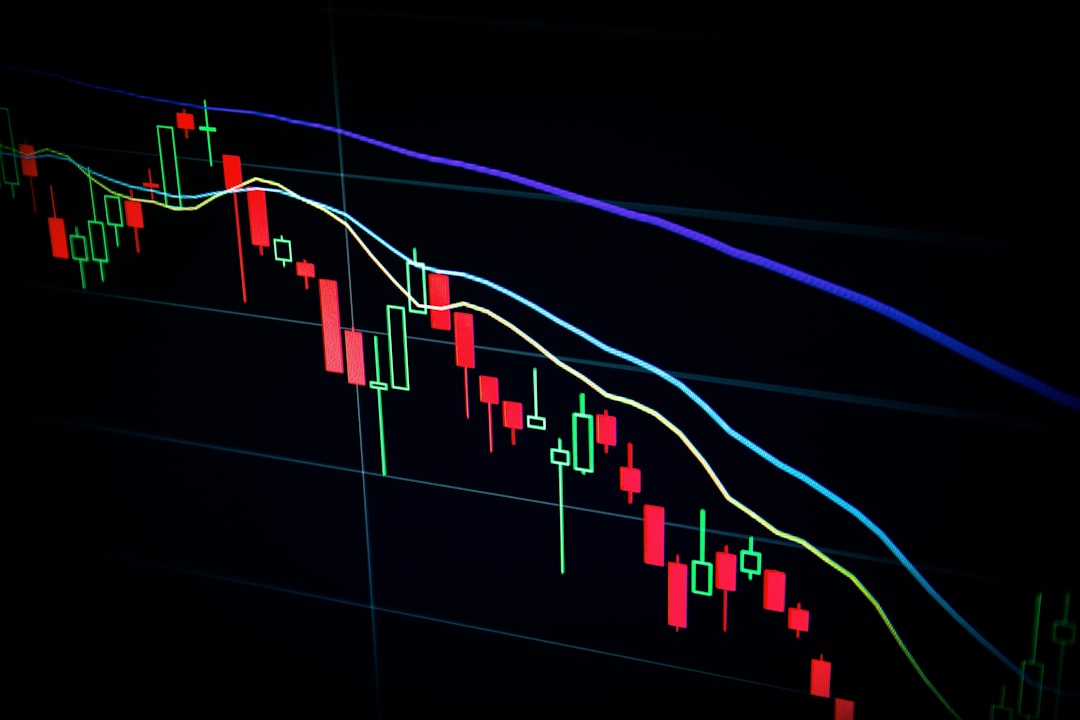
1. Identify a clear level – Look for a horizontal zone where price has reversed at least twice (support) or rejected twice (resistance).
2. Wait for a decisive break – Price must close clearly beyond the level (e.g., a strong bullish candle above resistance or a bearish candle below support). Avoid wicks.
3. Let the retest happen – After the break, price often returns to the level. This is your entry opportunity.
4. Enter on confirmation – Look for a rejection candle or a candlestick pattern (like a pin bar or engulfing) at the flipped level. Then enter in the direction of the breakout.
Example: Bitcoin breaks above $30,000 resistance with a strong daily close. Days later, it dips back to $30,000 and forms a bullish engulfing candle. That’s your buy signal — the old resistance has flipped to support.
Risk Management
Flipped levels are powerful, but no trade is guaranteed. Here’s how to stay safe:
- Stop loss: Place it just below the flipped support (for long trades) or just above the flipped resistance (for short trades). A break back through the level invalidates the flip.
- Position size: Risk no more than 1–2% of your account on a single flip trade.
- Take profit: Measure the distance of the initial breakout and set a target at 1:1 or 1:2 risk-to-reward. You can also trail your stop once price moves in your favor.
- False flips happen: Sometimes price breaks a level, retests it, then reverses back. Accept this as part of the game. A stop loss keeps you in the game for the next opportunity.
Conclusion
The support and resistance flip is a timeless strategy because it taps into human emotion — fear and greed. By waiting for a clean break and a retest, you’re trading with the smart money, not against it.
Start by marking key levels on your charts and practicing patience. Let the market show you the flip before you pull the trigger. Over time, this simple concept will become one of your most trusted tools.
Ready to level up? Go find a flip on your chart today and see the difference it makes.
Stablecoin Yield Strategies: Low Risk Farming Guide for 2025
Stablecoin yield farming has emerged as one of the most popular ways to earn passive income in decentralized finance (DeFi) without exposing yourself to the wild price swings of volatile cryptocurrencies. By lending or staking stablecoins like USDT, USDC, or DAI, you can generate consistent returns while preserving capital. This guide covers the safest, lowest-risk strategies to maximize your stablecoin yields.
Key Concepts
- Stablecoins: Cryptocurrencies pegged to a stable asset like the US dollar, minimizing price volatility.
- Yield Farming: The practice of staking or lending crypto assets to earn rewards, often in the form of additional tokens.
- APY (Annual Percentage Yield): The real rate of return on your staked assets, accounting for compounding interest.
- Liquidity Pools: Smart contracts that hold funds from multiple users, enabling decentralized trading and lending.
- Impermanent Loss: A temporary loss in value when providing liquidity to volatile pairs; minimized when using stablecoin pairs.
- Audits and Security: Third-party reviews of smart contract code to ensure safety against hacks and exploits.
Pro Tips
- Always prioritize platforms with a proven track record and multiple security audits.
- Diversify across several protocols to reduce platform-specific risk.
- Monitor gas fees on Ethereum; consider Layer 2 solutions like Arbitrum or Optimism for lower costs.
- Start with small amounts to test withdrawal and deposit processes before committing larger capital.
- Look for yield farming opportunities that offer insurance or protection against smart contract failures.
FAQ Section
What is the safest stablecoin yield strategy?
The safest strategy is lending stablecoins on established platforms like Aave or Compound, where you earn interest from borrowers. These protocols have been audited multiple times and have large liquidity reserves.
How much can I earn from stablecoin farming?
Returns vary by platform and market conditions, but typical APYs range from 2% to 15% for low-risk strategies. Higher yields often come with increased risk, such as exposure to less-audited protocols.
Are stablecoin yields taxable?
Yes, in most jurisdictions, yield farming rewards are considered taxable income. Consult a tax professional to understand your local regulations and reporting requirements.
Can I lose money with stablecoin farming?
While stablecoins themselves are low volatility, you can still lose funds due to smart contract bugs, hacks, or platform insolvency. Always do your own research and never invest more than you can afford to lose.
What are the best platforms for low-risk stablecoin farming?
Top platforms include Aave, Compound, Curve Finance (for stablecoin pools), and Yearn Finance (automated yield optimization). For centralized options, consider MEXC or Binance Earn.
For more details on this, check out our guide on US Treasury Bills on Blockchain: The Risk-Free Rate On-Chain.
You might also be interested in reading about Fake CMC Token Alert: What Beginners Need to Know About Brand Impersonation Scams.
Conclusion
Stablecoin yield farming offers a compelling way to earn passive income with minimal risk, especially when you stick to well-audited protocols and diversify your holdings. By understanding the key concepts, following pro tips, and using low-fee platforms like MEXC, you can build a reliable income stream in the DeFi ecosystem. Always stay informed about security developments and market trends to protect your capital. Start small, learn the ropes, and gradually scale your positions as you gain confidence.