
Security Tokens vs Utility Tokens: The Complete RWA Guide
Security tokens represent a transformative shift in how we own and trade real-world assets (RWAs). Unlike utility tokens, which grant access to a product or service, security tokens are digital representations of ownership in an underlying asset—such as equity, debt, real estate, or commodities—and are subject to federal securities regulations. This guide explains the critical differences between security and utility tokens, how tokenization works, and what investors need to know about this emerging asset class.
What Are Security Tokens?
A security token is a blockchain-based digital asset that represents ownership or a stake in a real-world asset (RWA). It is issued through a Security Token Offering (STO) and must comply with securities laws, such as the U.S. Securities Act of 1933. In contrast, utility tokens (e.g., many early ICO tokens) provide access to a platform or service and are not designed as investments.
Off-Chain vs On-Chain: The Core Difference
Off-chain assets (e.g., a physical building or a corporate bond) exist in the traditional financial system. On-chain tokens represent these assets on a blockchain. The bridge between them is a legal structure—typically a Special Purpose Vehicle (SPV)—that holds the off-chain asset and issues tokens representing fractional ownership. This enables 24/7 liquidity, fractional ownership, and transparent record-keeping.
How Security Tokenization Works
The process involves several key steps:
- Asset Selection & Legal Structuring: An asset (e.g., a commercial real estate property) is placed into an SPV. Legal documents define ownership rights and compliance with securities regulations.
- Token Creation: The SPV issues a fixed number of tokens on a blockchain (often Ethereum or a permissioned ledger). Each token represents a fractional ownership stake.
- Oracle Integration: Oracles (e.g., Chainlink) provide real-world data—such as property valuations or interest rates—to the smart contract, ensuring the token price reflects the underlying asset’s value.
- Secondary Trading: Tokens can be traded on regulated security token exchanges or decentralized platforms, providing liquidity that the off-chain asset lacks.
Investment Analysis: Pros, Cons, and Risks
Pros
- Fractional Ownership: Investors can buy small portions of high-value assets (e.g., $100 worth of a $10 million building).
- Liquidity: 24/7 trading on secondary markets, unlike traditional real estate or private equity.
- Transparency: All transactions are recorded on-chain, reducing fraud and administrative costs.
- Programmable Compliance: Smart contracts can enforce investor accreditation, transfer restrictions, and dividend distributions automatically.
Cons & Risks
- Regulatory Uncertainty: Jurisdictions differ on how security tokens are classified. The SEC has taken enforcement actions against non-compliant offerings.
- Smart Contract Risk: Bugs or exploits in the token contract can lead to loss of funds.
- Limited Adoption: The market is still nascent; liquidity may be thin on smaller platforms.
- Custody Challenges: Holding private keys securely is critical, and institutional-grade custody solutions are still evolving.
For a broader market view, check out our analysis on What Is Impermanent Loss? Liquidity Providing Explained.
Investors often compare this to Private Credit on Blockchain: Earning High Yields.
Tool Recommendation
To analyze security token price movements and identify trends, you need reliable charting tools. For the best charting tools to spot this pattern, try Bitget. Bitget offers advanced technical indicators, real-time data, and a user-friendly interface for both spot and derivatives trading. Start trading on Bitget today.
FAQ
Q: Are security tokens legal?
A: Yes, when issued in compliance with securities regulations (e.g., Reg D, Reg A+, or Reg S in the U.S.). Always verify the offering’s legal status and consult a financial advisor.
Q: How do security tokens differ from utility tokens?
A: Security tokens represent ownership in an external asset and are regulated as securities. Utility tokens provide access to a product or service and are not designed as investments. The Howey Test is often used to determine classification.
Q: What are the tax implications of trading security tokens?
A: In most jurisdictions, gains from security token trading are treated as capital gains, similar to stocks or real estate. Tax reporting can be complex due to on-chain transactions; use specialized crypto tax software.
Conclusion
Security tokens are a powerful innovation that bridges traditional finance and blockchain technology, offering fractional ownership, liquidity, and transparency for real-world assets. However, regulatory risks and market maturity remain significant hurdles. Investors should conduct thorough due diligence, understand the legal framework, and use reputable platforms like Bitget for trading. As the RWA ecosystem grows, security tokens are poised to become a cornerstone of modern portfolio diversification.
FOMO in Trading: How to Spot It, Stop It, and Profit From It
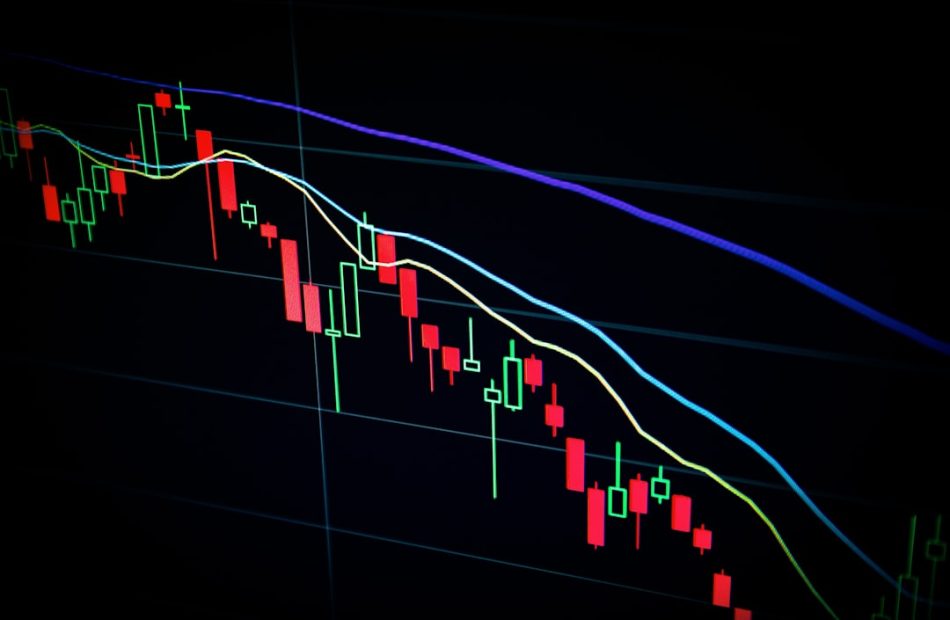
Have you ever watched a coin pump 20% in an hour and felt your stomach drop because you weren’t in? That’s FOMO—the Fear Of Missing Out. It’s the most dangerous emotion in trading, and it’s the reason most beginners blow their accounts. But here’s the secret: once you understand FOMO, you can actually use it to your advantage.
How It Works
FOMO is a psychological trigger. When prices surge, your brain releases dopamine—the same chemical that makes you crave sugar or gambling. You start thinking, “If I don’t buy now, I’ll miss the moon.” But the truth is, most pumps driven by FOMO are traps. Smart money (whales) use retail FOMO to sell into liquidity. By the time you buy, they’re already dumping.
The Setup
To beat FOMO, you need a system. Here’s a simple 3-step setup:

1. Set a pre-trade checklist – Before any trade, confirm: trend (higher highs/lows on 1H chart), volume (above average), and a clear entry zone (support or breakout retest). If any check fails, skip.
2. Use a delay rule – When you feel FOMO, wait 15 minutes. Write down your trade plan. If the setup still looks good after the delay, consider it. Most FOMO trades look terrible after a short pause.
3. Scale in, don’t all-in – Instead of dumping your whole stack, buy 25% of your intended size. If price pulls back to your original plan, add another 25%. This reduces emotional pressure and improves your average entry.
Risk Management
FOMO makes you ignore risk. So build a safety net:
- Hard stop-loss: Always place a stop at 2-3% below your entry. If FOMO was wrong, you lose a little, not everything.
- Position size: Never risk more than 1-2% of your total account on a single trade. If you fear missing out on a “life-changing move,” you’re risking too much.
- Journal every FOMO urge: Write down when you felt FOMO and what you did. Over time, you’ll spot patterns and learn to pause.
Conclusion
FOMO isn’t a weakness—it’s a signal. When you feel it, the market is at a peak of emotional noise. That’s often the best time to be a seller, not a buyer. Train yourself to see FOMO as a red flag, and you’ll stop chasing tops. Remember: the best trades are boring. They sit and wait for the perfect setup. Be boring. Be profitable.
Restaking Explained: EigenLayer and Beyond – The Ultimate Guide to Crypto Yield Amplification
Introduction
Restaking is one of the most innovative primitives to emerge in decentralized finance (DeFi) and proof-of-stake (PoS) ecosystems. At its core, restaking allows you to reuse your staked ETH (or other PoS assets) to simultaneously secure multiple networks or protocols, earning additional rewards without locking up new capital. This concept was pioneered by EigenLayer, a middleware protocol built on Ethereum that introduces “pooled security” to the crypto world. In this comprehensive guide, we’ll break down how restaking works, why it matters, and what lies beyond EigenLayer — including emerging restaking protocols on other chains.
Key Concepts
1. What Is Restaking?
Restaking is the process of taking an asset that is already staked on a PoS network (e.g., ETH staked on Ethereum) and “re-staking” it to provide economic security to another protocol, such as an oracle, bridge, or sidechain. This is made possible through smart contracts that allow validators to opt into additional slashing conditions. In return, restakers earn extra yield on top of their base staking rewards.
2. How EigenLayer Works
EigenLayer acts as a marketplace for trust. It lets Ethereum validators delegate their staked ETH to secure “actively validated services” (AVSs) — think of them as new decentralized applications that need security. Validators can choose which AVSs to support. If they misbehave, they face slashing penalties on EigenLayer, ensuring honest participation. The result: AVSs get instant cryptoeconomic security without launching their own validator set, and stakers earn boosted yields.
3. Liquid Restaking Tokens (LRTs)
To make restaking more capital-efficient, protocols like EigenLayer have introduced liquid restaking tokens (e.g., stETH, rETH, or custom LRTs). These tokens represent your restaked position and can be used in other DeFi protocols (lending, trading, etc.) while still earning restaking rewards. This unlocks liquidity and composability.
4. Beyond EigenLayer: The Restaking Ecosystem
While EigenLayer is the market leader, other chains are adopting similar models. Solana has projects like Jito Restaking and Fragmetric that allow restaking of SOL. Cosmos has Interchain Security (ICS), which lets validators secure multiple app chains. Polkadot uses a shared security model via its relay chain. The restaking trend is expanding rapidly, with cross-chain solutions like LayerZero and Wormhole exploring restaking for interoperability.
Pro Tips
- Start small: Restaking introduces slashing risk. Only restake a portion of your portfolio until you understand the AVS risks.
- Diversify AVSs: Don’t put all your ETH into one AVS. Spread across multiple services to mitigate slashing events.
- Use liquid restaking tokens wisely: LRTs can be used in DeFi, but beware of impermanent loss and liquidation risks if you borrow against them.
- Monitor slashing conditions: Each AVS has unique slashing rules. Read the fine print before opting in.
- Keep an eye on gas fees: Restaking on Ethereum can be expensive during congestion. Consider L2 solutions or wait for lower fees.
FAQ Section
Q: Is restaking safe?
A: Restaking carries slashing risk — if the AVS you secure misbehaves, you can lose a portion of your staked ETH. However, with proper due diligence and diversification, it can be a relatively safe way to boost yields.
Q: What is the difference between staking and restaking?
A: Staking locks your tokens to secure a single blockchain (e.g., Ethereum). Restaking lets you reuse those same tokens to secure multiple protocols simultaneously, earning extra rewards.
Q: Do I need to run a validator to restake?
A: No. You can delegate your staked ETH to a validator that participates in EigenLayer, or you can use liquid staking tokens (like stETH) and deposit them into EigenLayer’s restaking contracts.
Q: What are the best restaking platforms in 2025?
A: EigenLayer remains the dominant platform on Ethereum. Other notable ones include Jito (Solana), Interchain Security (Cosmos), and emerging projects like Renzo and Ether.fi for liquid restaking.
Q: Can I restake on other blockchains besides Ethereum?
A: Yes. Solana, Cosmos, and Polkadot all have restaking-like mechanisms. The concept is spreading to many PoS ecosystems.
Conclusion
Restaking is a game-changing innovation that maximizes capital efficiency in proof-of-stake networks. By leveraging protocols like EigenLayer, you can earn extra yield on your staked assets while helping secure the next generation of decentralized services. However, it’s not without risks — slashing, smart contract bugs, and market volatility are real concerns. Always do your own research, start small, and consider using liquid restaking tokens to maintain flexibility. As the restaking ecosystem expands beyond Ethereum, opportunities will only grow. For more details on this, check out our guide on Bitcoin Hits Bottom at $59,000 as Crypto Winter Ends, Standard Chartered Analyst Says. You might also be interested in reading about DePIN Explained: Earning Passive Income with Infrastructure.
Why Bitcoin, Ether, and XRP Fell: A Complete Guide to Fed Rate Hikes and Crypto Markets
Why did Bitcoin suddenly drop over 2% in a single day, dragging Ether and XRP down with it? The answer isn’t about crypto itself—it’s about the Federal Reserve’s next move on interest rates.
As of mid-July 2026, major cryptocurrencies have slipped as traders sharply increased bets that the Fed will raise rates this month. The probability of a July rate hike jumped from roughly 10% to about 50% in just days, according to Bloomberg data. This matters because higher rates make riskier assets like crypto less attractive compared to traditional investments.
This guide explains the connection between Fed policy and crypto prices in plain language. You’ll learn why rate hike expectations affect Bitcoin, what the upcoming inflation report means, and how geopolitical tensions like U.S.-Iran conflicts play a role. We’ll also break down the key events to watch—Tuesday’s Consumer Price Index (CPI) report and Fed Chair Kevin Warsh’s congressional testimony.
Read time: 8-10 minutes
Understanding the Fed-Crypto Connection for Beginners
The Federal Reserve interest rate is the cost banks pay to borrow money from each other overnight. Think of it as the “price” of money in the U.S. economy. When the Fed raises this rate, borrowing becomes more expensive for everyone—businesses, homebuyers, and investors.
Why does this affect crypto? Bitcoin and other cryptocurrencies are often called “risk-on” assets. When interest rates are low, investors are more willing to take risks, seeking higher returns in volatile assets like crypto. When rates rise, safer options like government bonds become more attractive, pulling money away from riskier investments.
A simple analogy: Imagine you’re choosing between two savings accounts. One offers a guaranteed 5% return (bonds), while the other promises 15% but could lose 30% in a month (crypto). When both are available, some people choose the safer option. Higher rates make the safe option even more appealing.
This relationship explains why crypto prices often drop when rate hike expectations rise. The market is pricing in that investors will shift their money toward safer, interest-bearing assets.
The Technical Details: How Rate Hike Expectations Unfold
The process of a rate hike expectation building isn’t random—it follows a predictable pattern of economic data, Fed communication, and market reaction.
1. Economic Data Release: Key reports like the Consumer Price Index (CPI), which measures inflation, are published. If inflation is higher than expected, markets assume the Fed will raise rates to cool the economy.
2. Fed Communication: Fed officials, including Chair Kevin Warsh, give speeches or testify before Congress. Their words are parsed for hints about future policy. A hawkish tone (favoring rate hikes) can shift market expectations.
3. Market Pricing: Traders in the futures market adjust their bets on future rate decisions. This is measured by tools like the CME FedWatch Tool, which updates probabilities daily.
4. Yield Curve Shift: The bond market reacts. Short-term Treasury yields, especially the 2-year yield, rise as expectations for near-term rate hikes increase. The 2-year yield jumped to 4.29%, its highest since early last year.
5. Asset Repricing: Across all markets—stocks, bonds, crypto—prices adjust to reflect the new rate environment. Riskier assets tend to fall first and fastest.
Why this structure matters for you: Understanding this chain helps you anticipate market moves. When you see inflation data coming out or a Fed speech scheduled, you know to expect potential volatility in your crypto portfolio.
Current Market Context: Why This Matters Now
As of July 2026, the crypto market is reacting to a perfect storm of events. The probability of a July rate hike surged after Fed Governor Christopher Waller’s remarks that the central bank “may need to raise rates to bring price pressures under control.” This was a significant shift from previous dovish signals.
The catalyst isn’t just domestic. Escalating U.S.-Iran tensions have pushed oil prices sharply higher. West Texas Intermediate crude surged from $67 per barrel at the start of July to nearly $80. President Donald Trump reinstated a U.S. blockade of Iranian vessels in the Strait of Hormuz, a critical waterway for global oil shipments. Higher oil prices feed directly into inflation, giving the Fed more reason to hike.
The key numbers to watch:
- CPI report (Tuesday 8:30 AM ET): Economists expect headline inflation to fall below 4% annually. Core inflation is forecast at 2.9%. If actual numbers come in higher, rate hike expectations will spike.
- Fed Chair Warsh’s testimony (this week): Investors will watch for any signals on whether the Fed will hike in July or hold steady. Analysts at ING note that Warsh could “emphasize the tameness of inflation expectations” to push back against rate hike bets.
For crypto investors, this period highlights how macro events often outweigh crypto-specific news. Even positive developments in blockchain adoption can be overshadowed by Fed policy.
Competitive Landscape: How Major Cryptos Compare
Not all cryptocurrencies react identically to rate hike expectations. Here’s how the three major assets are positioned:
| Feature | Bitcoin (BTC) | Ether (ETH) | XRP (XRP) |
|---|---|---|---|
| Primary Narrative | Digital gold, store of value | Smart contract platform, DeFi hub | Cross-border payments, legal clarity |
| Rate Sensitivity | High—seen as risk-on, but also inflation hedge | High—DeFi activity slows when rates rise | Medium—more tied to regulatory news |
| Recent Drop | Down ~2% to $62,380 | Down ~2% (similar pattern) | Down ~2% (similar pattern) |
| Key Catalysts | ETF inflows, institutional adoption | Ethereum upgrades, Layer 2 growth | SEC case resolution, partnership news |
| Investor Profile | Long-term HODLers, institutions | Developers, DeFi users | Payment companies, remittance users |
Why this matters: While all three dropped in this macro-driven sell-off, their long-term drivers differ. Bitcoin’s role as a potential inflation hedge could eventually attract buyers if inflation persists. Ether’s ecosystem is more tied to economic activity, which slows when borrowing costs rise. XRP’s price is more influenced by its legal status and partnerships than macro trends.
Practical Applications: Real-World Use Cases
How should crypto users interpret and act on this information?
- Portfolio Rebalancing: If you hold a mix of crypto and traditional assets, rate hike expectations might be a signal to reduce exposure to volatile positions until the Fed’s direction is clearer.
- Entry Point Identification: Price drops driven by macro news, not project-specific issues, can present buying opportunities for long-term investors. If you believe in Bitcoin’s fundamentals, a 2% dip on rate fears might be temporary.
- Risk Management: Set stop-loss orders or reduce leverage during high-uncertainty periods like FOMC meetings or major data releases.
- Education Focus: Use these events to understand market cycles. They’re a real-world lesson in how crypto interacts with traditional finance.
Risk Analysis: Expert Perspective
Primary Risks:
1. Inflation Resurgence: If oil prices continue rising, the Fed may be forced into a more aggressive hiking cycle, putting sustained pressure on crypto.
2. Hawkish Policy Error: The Fed could raise rates and trigger an economic slowdown, reducing appetite for all risk assets, including crypto.
3. Geopolitical Escalation: U.S.-Iran tensions could worsen, further disrupting oil supplies and pushing inflation higher.
Mitigation Strategies:
- Diversification: Don’t hold only crypto. Include stablecoins, bonds, or other assets that perform differently during rate hikes.
- Cash Reserves: Keep some funds in stablecoins or fiat to deploy during dips.
- Stay Informed: Follow the CPI release schedule and Fed calendar. Knowledge is your best defense against panic selling.
Expert Consensus: Analysts at ING suggest that even if the Fed does hike in July, it’s likely to be “subsequently reversed, with the prospect still for bigger cuts than hikes.” This means the current sell-off could be overdone.
Beginner’s Corner: Quick Start Guide
1. Check the Fed Calendar: Visit the Federal Reserve’s website to see when the next FOMC meeting and speeches are scheduled.
2. Monitor Key Data: Set a reminder for monthly CPI releases (usually around the 12th-15th). Track them at the Bureau of Labor Statistics website.
3. Use Market Tools: Bookmark the CME FedWatch Tool to see current rate hike probabilities.
4. Don’t Panic Sell: Sudden drops on macro news are common. Historical data shows crypto often recovers after initial shock wears off.
5. Security Best Practice: Ensure your exchange or wallet has two-factor authentication enabled. Market volatility attracts scammers.
Future Outlook: What’s Next
The next few days will be critical for crypto short-term direction. The CPI report and Warsh testimony will likely set the tone for the rest of July.
- If CPI is cooler than expected: Rate hike expectations could drop back down, sparking a relief rally in crypto.
- If CPI is hot: A July rate hike becomes more likely, and crypto may slide further.
- Warsh’s tone: If he signals patience, markets could stabilize. If he leans hawkish, expect continued selling.
The broader trend is that crypto is increasingly integrated with traditional markets. This means macro events will continue to drive short-term volatility, even as long-term adoption grows.
Key Takeaways
- Bitcoin, Ether, and XRP fell over 2% as traders boosted bets on a July Fed rate hike from 10% to 50% probability.
- Higher interest rates make riskier assets like crypto less attractive compared to bonds and savings accounts.
- The CPI report and Fed Chair Warsh’s testimony this week are the key events that will determine the market’s next direction.
- Geopolitical tensions and rising oil prices are adding to inflation fears, giving the Fed more reason to hike.
- This sell-off may be temporary, as analysts expect any rate hike could be reversed later with bigger cuts coming.
,
“datePublished”: “2026-07-14T00:00:52.922-04:00”,
“dateModified”: “2026-07-14T00:00:52.922-04:00”,
“mainEntity”: {
“@type”: “Thing”,
“name”: “Federal Reserve Rate Hikes Impact on Cryptocurrency”
}
}
How to Spot a Honey Pot Scam: Safety Guide for Crypto Traders
Honey pot scams are one of the most deceptive traps in decentralized finance (DeFi). They lure investors with promises of easy profits, only to lock their funds forever. This comprehensive guide will teach you how to identify honey pot scams, protect your assets, and trade safely in the crypto space.
Key Concepts
What is a Honey Pot Scam?
A honey pot is a malicious smart contract designed to let users buy a token but prevent them from selling it. The scammer creates a token with a hidden function that blocks sell transactions, often by whitelisting only the creator’s address. Once buyers pile in, the price rises, but no one can exit — the scammer then drains liquidity or mints more tokens.
Common Red Flags:
- No liquidity lock: If the liquidity pool (LP) tokens are not locked or burned, the creator can pull them at any time.
- High buy tax, zero sell tax: Unusually high buy fees (e.g., 10-20%) combined with no sell tax often indicate a trap.
- Hidden mint functions: Some contracts allow the owner to mint unlimited tokens, diluting your holdings.
- Transfer restrictions: The contract may only allow transfers from whitelisted addresses or limit the number of tokens you can sell.
- Fake liquidity: The liquidity pool may be shallow or created with a single transaction that can be reversed.
How Scammers Execute Honey Pots:
- Deploy a token contract with a hidden sell restriction.
- Add liquidity to a decentralized exchange (DEX) like Uniswap or PancakeSwap.
- Promote the token aggressively on social media (Twitter, Telegram, Discord).
- Wait for buyers to push the price up.
- Remove liquidity or rug pull, leaving holders with worthless tokens.
Pro Tips
1. Always Verify the Contract
Use blockchain explorers (Etherscan, BscScan) to read the token contract. Look for functions like _transfer, sellFee, and mint. If the code is unverified or uses proxies, be cautious.
2. Check Liquidity Locks
Use tools like DEXTools or RugDoc to see if LP tokens are locked. A locked liquidity pool means the creator cannot withdraw funds immediately.
3. Test with a Small Amount
Before investing, buy a tiny amount and try to sell it immediately. If the transaction fails or you can’t sell, it’s a honey pot.
4. Analyze Holder Distribution
If the top holder (often the deployer) owns 90%+ of the supply, they can dump at any time. Use BscScan’s “Holders” tab to check.
5. Use Security Tools
Platforms like TokenSniffer, Honeypot.is, and QuickIntel can scan a token for known scam patterns.
💡 Pro Tip
Looking for altcoin opportunities and smooth trading? Try KuCoin.
For more details on this, check out our guide on Bridge Exploits Explained: What the Taiko Hack Means for Crypto Security.
FAQ Section
Q: Can a honey pot scam be reversed?
A: No. Once funds are sent to a honey pot contract, they are typically unrecoverable because the scammer controls the contract and can block withdrawals. Always do your due diligence before investing.
Q: Are honey pot scams only on Ethereum?
A: No. They are common on any smart contract platform, including Binance Smart Chain (BSC), Polygon, Solana, and Avalanche. Always check the contract regardless of the chain.
Q: What is the difference between a honey pot and a rug pull?
A: A rug pull involves the creator removing liquidity, causing the token price to crash. A honey pot specifically prevents selling, trapping holders even if liquidity remains. Both are malicious, but honey pots are more insidious because you cannot exit at all.
Q: Can I sue the scammer?
A: In most cases, no. Crypto transactions are pseudonymous, and scammers often operate across jurisdictions. However, if the scam is large enough, law enforcement may investigate. Always report to platforms like Chainabuse or the FBI’s IC3.
Q: What tools can I use to detect honey pots?
A: Popular tools include Honeypot.is (BSC), TokenSniffer, QuickIntel, and RugDoc. These tools simulate buy and sell transactions to check for restrictions.
Conclusion
Honey pot scams are a serious threat in DeFi, but with the right knowledge and tools, you can avoid them. Always verify smart contracts, check liquidity locks, and test with small amounts before committing capital. Remember: if it sounds too good to be true, it probably is. Stay safe, stay informed, and never invest more than you can afford to lose.
You might also be interested in reading about Mastering Order Blocks and Fair Value Gaps: The Smart Money Blueprint.
How SPVs Protect RWA Investors: A Complete Guide
Real World Assets (RWAs) are tangible or intangible assets—such as real estate, bonds, commodities, and credit—that are tokenized on a blockchain. This process bridges the gap between Traditional Finance (TradFi) and Decentralized Finance (DeFi), enabling fractional ownership, 24/7 liquidity, and enhanced transparency. However, a critical question arises: how do investors ensure that the off-chain asset backing the token is secure, legally enforceable, and protected from bankruptcy? The answer lies in the Special Purpose Vehicle (SPV).
What Is a Special Purpose Vehicle (SPV) in RWA Tokenization?
An SPV is a legally distinct entity—often a trust or limited liability company—created solely to hold the underlying real-world asset. In RWA tokenization, the SPV serves as the legal wrapper that isolates the asset from the issuer’s balance sheet. This means that if the issuer goes bankrupt, the asset held in the SPV remains separate and protected from creditors. The tokens issued on-chain represent beneficial ownership or economic rights in the SPV, not direct title to the asset itself.
How SPVs Protect RWA Investors: The Technical Process
The protection mechanism follows a structured workflow:
- Asset Sourcing & Due Diligence: The issuer acquires or originates the asset (e.g., a commercial real estate property) and performs legal, financial, and physical due diligence.
- SPV Formation: A legal entity is created in a jurisdiction with strong asset protection laws (e.g., Delaware, Luxembourg, or Cayman Islands). The SPV’s governing documents define the rights of token holders.
- Tokenization: The SPV issues digital tokens on a blockchain (e.g., Ethereum, Polygon) that represent fractional ownership or a revenue share. Each token corresponds to a pro-rata claim on the SPV’s assets.
- Oracle Integration: Off-chain data—such as property valuations, rental income, or bond yields—is fed to the blockchain via decentralized oracles (e.g., Chainlink, DIA). This ensures that token prices reflect real-world conditions.
- Investor Onboarding: Investors purchase tokens through regulated platforms or directly from the issuer. KYC/AML checks are typically performed at the SPV or platform level.
- Ongoing Reporting & Redemption: The SPV provides periodic financial reports (audited by third parties). Token holders may redeem their tokens for the underlying asset’s cash value upon maturity or through a secondary market.
Investment Analysis: Pros, Cons, and Risks
Pros
- Asset Isolation: SPVs ring-fence the asset from the issuer’s insolvency, reducing counterparty risk.
- Fractional Ownership: Investors can access high-value assets (e.g., a $10 million building) with as little as $100.
- Liquidity: Tokens can be traded 24/7 on decentralized exchanges, unlike traditional private placements.
- Transparency: On-chain records of ownership and SPV reports provide verifiable proof of asset backing.
Cons
- Legal Complexity: SPV structures vary by jurisdiction and may require expensive legal counsel.
- Regulatory Uncertainty: Some regulators treat RWA tokens as securities, subjecting them to strict compliance (e.g., SEC rules in the U.S.).
- Smart Contract Risk: Bugs in the token contract or oracle could lead to loss of funds.
Risks
- Regulation: Changes in securities laws or tax treatment could affect token value.
- Counterparty Risk: The SPV’s administrator or custodian could act maliciously or negligently.
- Market Risk: The underlying asset’s value may decline (e.g., a real estate crash).
For a broader market view, check out our analysis on Bitcoin Layer 2s: Stacks, Lightning, and Runes Guide.
Investors often compare this to SushiSwap Launches Decentralized Stop-Loss Orders Powered by Orbs.
Tool Recommendation: Practice RWA Investing Safely on Binance
If you’re new to RWA tokenization, you can practice this setup safely on Binance. Binance offers a regulated environment with access to tokenized assets, staking, and liquidity pools. Start with small amounts to understand how SPV-backed tokens behave. Create your Binance account here.
Frequently Asked Questions
What happens if the SPV issuer goes bankrupt?
Because the SPV is a separate legal entity, its assets are not part of the issuer’s bankruptcy estate. Token holders retain their claim on the SPV’s assets, though they may need to wait for legal proceedings to enforce redemption.
Are RWA tokens considered securities?
In many jurisdictions, yes. The U.S. SEC applies the Howey Test to determine if a token is a security. Most RWA tokens that represent profit-sharing or passive income are classified as securities, requiring registration or an exemption.
How do oracles ensure the accuracy of off-chain data?
Oracles aggregate data from multiple trusted sources (e.g., appraisers, exchanges, APIs) and use consensus mechanisms to verify accuracy. Leading oracles like Chainlink also provide cryptographic proof of data integrity.
Conclusion
Special Purpose Vehicles are the backbone of secure RWA tokenization. They provide legal isolation, enforce investor rights, and enable fractional ownership of high-value assets. While risks remain—especially around regulation and smart contracts—the combination of SPVs, blockchain transparency, and oracles creates a robust framework for bridging TradFi and DeFi. As the market matures, expect SPV structures to become standardized, further reducing costs and increasing investor confidence.
The Rise of AI Agents in Crypto: A Complete Guide
Introduction
The convergence of artificial intelligence and blockchain technology is reshaping the crypto landscape. AI agents—autonomous programs that can learn, reason, and execute tasks—are now being deployed on decentralized networks to automate trading, manage portfolios, verify identities, and even govern DAOs. This guide explores how AI agents are transforming crypto, from key concepts to practical tools and future trends.
Key Concepts
- Autonomous Trading Bots: AI agents analyze market data, sentiment, and on-chain metrics to execute trades without human intervention. They can adapt to changing conditions in real time.
- Decentralized AI Oracles: These agents fetch and verify off-chain data (e.g., price feeds, weather data) for smart contracts, enabling more complex DeFi applications.
- AI-Powered Identity Verification: Agents can perform KYC/AML checks on-chain, reducing fraud while preserving user privacy through zero-knowledge proofs.
- DAO Governance Bots: AI agents analyze proposals, predict outcomes, and vote on behalf of token holders based on predefined strategies.
- NFT & Content Generation: Generative AI agents create unique digital art, music, and virtual assets, often minted directly as NFTs.
Pro Tips
- Start with audited agents: Always use AI agents that have been security-audited by reputable firms to avoid exploits.
- Monitor agent permissions: Limit the amount of capital or access an AI agent has—use multi-sig wallets or time-locks for critical operations.
- Backtest before deploying: Run AI trading strategies on historical data to validate performance before committing real funds.
- Stay updated on regulation: As AI agents become more autonomous, regulators may impose new rules—especially around KYC and compliance.
💡 Pro Tip
Looking for altcoin opportunities and smooth trading? Try KuCoin.
FAQ Section
What exactly is an AI agent in crypto?
An AI agent is a software program that uses machine learning or rule-based logic to autonomously perform tasks on a blockchain—such as trading, data analysis, or governance voting—without constant human input.
Are AI agents safe to use?
Safety depends on the agent’s code, permissions, and auditing. Always use agents from reputable developers, limit their access, and monitor their activity. Never give an agent full control over your funds.
Can AI agents replace human traders?
AI agents can execute strategies faster and more consistently than humans, but they lack intuition and can fail in unprecedented market conditions. Most traders use them as tools, not replacements.
How do AI agents handle KYC and compliance?
Some AI agents integrate with identity verification protocols to check user credentials against on-chain or off-chain databases. For more details on this, check out our guide on Identity on Chain: KYC and Compliance in DeFi.
What is the future of AI agents in crypto?
Expect more sophisticated agents that can negotiate, collaborate, and even create their own tokens. They will likely play a key role in DeFi, gaming, and decentralized science. You might also be interested in reading about Top RWA Projects to Watch in 2026: Tokenization Guide.
Conclusion
AI agents are not just a passing trend—they represent a fundamental shift in how we interact with blockchain networks. From automating tedious tasks to enabling entirely new decentralized services, these intelligent programs are poised to become the backbone of the next generation of crypto applications. As the technology matures, staying informed and cautious will help you harness their potential while minimizing risks.
How to Spot a Honey Pot Scam: Safety Guide for Crypto Investors
Honey pot scams are one of the most insidious threats in decentralized finance (DeFi). These malicious smart contracts lure investors with promises of high returns, only to trap their funds permanently. This guide will teach you how to identify, avoid, and protect yourself from honey pot scams.
Key Concepts
What Is a Honey Pot Scam?
A honey pot scam is a deceptive smart contract designed to appear legitimate and profitable. The scammer creates a token or liquidity pool that allows users to buy but prevents them from selling. Once investors deposit funds, the scammer drains the liquidity or locks the tokens, leaving victims with worthless assets.
Common Red Flags
- No sell function: The contract lacks a function to sell or transfer tokens back to the owner.
- Hidden owner privileges: The contract includes functions that allow the creator to blacklist addresses, pause trading, or mint unlimited tokens.
- Fake liquidity locks: Scammers claim liquidity is locked but use a fake or expired lock contract.
- Unusual tokenomics: Extremely high buy taxes, low sell taxes, or a token supply that can be manipulated.
- Anonymous team: No verifiable team members, audits, or community presence.
Pro Tips
1. Verify the Contract Code
Always check the smart contract on a block explorer like Etherscan or BscScan. Look for functions like transfer, transferFrom, and approve. If the contract is unverified or uses obfuscated code, treat it as suspicious.
2. Test with a Small Amount
Before committing significant capital, test the token by buying and selling a tiny amount. If the sell transaction fails or returns an error, it’s likely a honey pot.
3. Use Token Sniping Tools
Tools like Honeypot.is, Token Sniffer, and RugDoc can automatically analyze a token’s contract for honey pot characteristics. Run these checks before investing.
4. Check Liquidity and Ownership
Ensure the liquidity pool (LP) tokens are locked for a reasonable period and that the contract ownership is renounced or transferred to a burn address.
💡 Pro Tip
Looking for altcoin opportunities and smooth trading? Try KuCoin.
FAQ Section
Q: Can a honey pot scam be reversed?
A: No. Once funds are trapped in a malicious smart contract, there is no central authority to reverse the transaction. The only recourse is to report the scam to the community and relevant authorities.
Q: Are honey pot scams only on Ethereum?
A: No. They are common on any blockchain that supports smart contracts, including Binance Smart Chain, Polygon, Solana, and Avalanche. Always verify contracts regardless of the chain.
Q: How do scammers make money from honey pots?
A: Scammers often create a token that appears to have high trading volume and price appreciation. They then sell their own tokens at inflated prices, or they drain the liquidity pool when enough victims have deposited funds.
Q: What should I do if I suspect a honey pot?
A: Do not invest. Report the token on platforms like RugDoc, Token Sniffer, or community forums. Share the contract address with others to warn them.
Conclusion
Honey pot scams prey on greed and inexperience. By understanding the red flags, verifying smart contracts, and using security tools, you can significantly reduce your risk. Always prioritize safety over FOMO and remember: if it looks too good to be true, it probably is.
For more details on this, check out our guide on The Role of Oracles in Real World Assets (Chainlink CCIP).
You might also be interested in reading about Carbon Credits Tokenization: Fixing a Broken Market.
How to Spot Reversals with the RSI Divergence Strategy
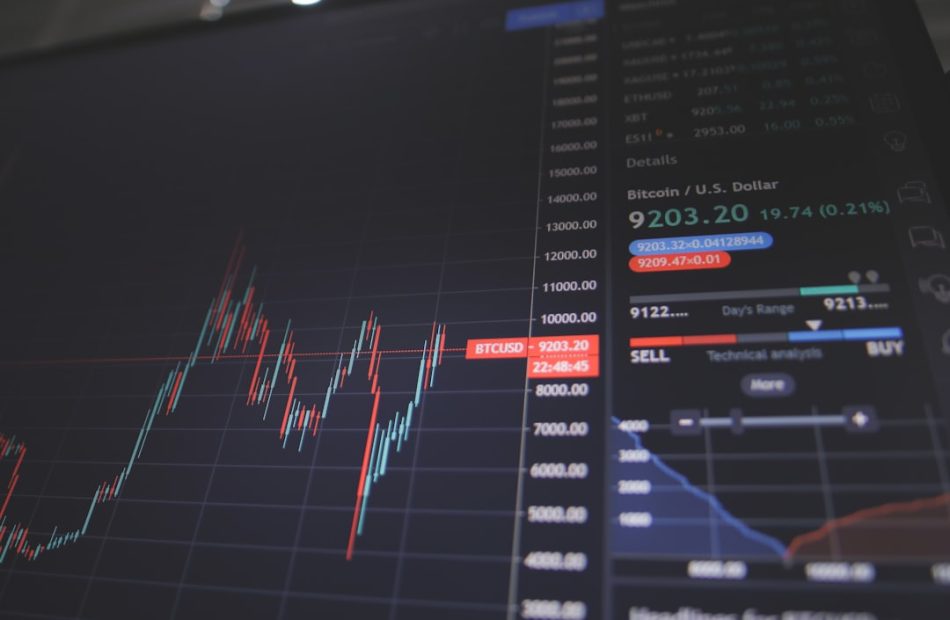
If you’ve ever stared at a chart wondering whether a trend is about to continue or reverse, you’re not alone. One of the most reliable clues comes from a tool you probably already have in your trading toolkit: the Relative Strength Index (RSI). But here’s the kicker—it’s not just about overbought or oversold levels. The real edge lies in divergence.
Divergence happens when price and RSI move in opposite directions. It’s like the market is whispering, “Something’s about to change.” Today, we’re breaking down the RSI Divergence Strategy step-by-step, so you can catch reversals early and trade with more confidence.
How It Works
RSI measures the speed and change of price movements on a scale of 0 to 100. Normally, when price makes a higher high, RSI should also make a higher high. When price makes a lower low, RSI should make a lower low. Divergence occurs when they disagree.
There are two main types:
- Bullish Divergence: Price makes a lower low, but RSI makes a higher low. This suggests selling momentum is weakening—a potential upward reversal.
- Bearish Divergence: Price makes a higher high, but RSI makes a lower high. This signals buying momentum is fading—a potential downward reversal.
The Setup
Here’s a simple framework to apply this strategy:

1. Choose your timeframe: Divergence works on any timeframe, but it’s most reliable on 1-hour, 4-hour, or daily charts.
2. Identify a clear trend: Look for obvious swings—higher highs and higher lows in an uptrend, or lower highs and lower lows in a downtrend.
3. Watch for RSI divergence: Compare the last two swing points. Are price and RSI moving in opposite directions? If yes, you’ve got a divergence signal.
4. Wait for confirmation: Don’t jump in immediately. Wait for price to break a short-term trendline or for a candlestick pattern (like a pin bar or engulfing candle) to confirm the reversal.
5. Enter the trade: For bullish divergence, go long after confirmation. For bearish divergence, go short.
Example: On a 4-hour Bitcoin chart, price makes a lower low at $60,000, but RSI prints a higher low (e.g., from 30 to 35). This is bullish divergence. You wait for price to break above the most recent swing high or a descending trendline, then enter a long position.
Risk Management
Even with a strong divergence signal, the market can fake you out. Here’s how to protect your capital:
- Place a stop-loss: For bullish divergence, put your stop below the recent swing low (the one that created the divergence). For bearish divergence, place it above the recent swing high.
- Set a risk-reward ratio: Aim for at least 1:2. If your stop is $500 away, target a profit of $1,000 or more.
- Use position sizing: Never risk more than 1-2% of your account on a single trade.
- Combine with other tools: RSI divergence works best with support/resistance levels, trendlines, or volume analysis. Don’t rely on it alone.
Conclusion
The RSI Divergence Strategy is a powerful way to anticipate trend reversals without needing complex indicators. By learning to spot when price and momentum disagree, you give yourself a head start on the crowd. Remember, no strategy is perfect—always manage your risk and practice on a demo account first.
Start scanning your favorite charts today. Look for those hidden disagreements between price and RSI. That’s where the opportunities live.
Carbon Credits: How Tokenization Is Fixing the Market
Carbon credits represent a verified reduction or removal of greenhouse gas emissions, each typically equivalent to one metric ton of CO₂. Historically, the voluntary carbon market has been plagued by opacity, double counting, high transaction costs, and illiquidity. Tokenization—the process of representing real-world assets (RWAs) on a blockchain—is now transforming this fragmented market into a transparent, liquid, and accessible asset class. The key difference lies in the off-chain vs. on-chain distinction: off-chain carbon credits exist as paper certificates or entries in centralized registries (e.g., Verra, Gold Standard), while on-chain tokens are digital representations backed by verified credits, enabling instant settlement, fractional ownership, and immutable audit trails.
How Tokenization Works for Carbon Credits
The technical process involves several layers to ensure trust and regulatory compliance:
- Tokenization & SPV: A project developer (e.g., a reforestation initiative) issues carbon credits into a registry. A Special Purpose Vehicle (SPV) is often created to legally hold the underlying credits and issue corresponding tokens on a blockchain, ensuring legal separation and investor protection.
- Oracle & Verification: Decentralized oracles (e.g., Chainlink) feed verified data from registries and third-party auditors onto the blockchain. This includes credit vintage, methodology, and retirement status, preventing double spending.
- Blockchain & Smart Contracts: The tokens (often ERC-20 or similar standards) are minted on a public blockchain. Smart contracts govern issuance, trading, and retirement (permanent removal from circulation), providing full transparency. Data from RWA.xyz shows that tokenized carbon credit volumes have grown over 300% year-over-year, with platforms like Toucan and KlimaDAO leading the charge.
Investment Analysis: Pros, Cons, and Risks
Tokenized carbon credits offer a compelling value proposition but come with distinct risks.
Pros
- Fractional Ownership & Liquidity: Investors can buy fractions of a credit, lowering the barrier to entry. 24/7 secondary markets on decentralized exchanges provide liquidity that traditional OTC markets lack.
- Transparency & Trust: Every credit’s lifecycle is recorded on-chain, reducing fraud and enabling real-time verification. Reports from BlackRock highlight that tokenization could unlock $5 trillion in illiquid assets, with carbon credits being a prime candidate.
- Global Accessibility: Anyone with an internet connection can participate, bridging the gap between TradFi and DeFi.
Cons & Risks
- Regulation: The regulatory landscape is evolving. Jurisdictions like the EU and US are scrutinizing carbon markets for greenwashing. Tokenized credits may face securities classification, impacting trading and custody.
- Smart Contract Risk: Bugs or exploits in token contracts or oracles can lead to loss of funds. Audits and insurance are essential but not foolproof.
- Quality & Additionality: Not all credits are equal. Low-quality offsets (e.g., from avoided deforestation without robust monitoring) can undermine market integrity. Investors must rely on verified registries and third-party ratings.
For a broader market view, check out our analysis on <a href="https://cryptosimplified.net/what-is-impermanent-loss-liquidity-providing-explained-17/" title="Read more: What Is Impermanent Loss? Liquidity Providing Explained” target=”_self”>What Is Impermanent Loss? Liquidity Providing Explained. Investors often compare this to What Is Impermanent Loss? Liquidity Providing Explained, as both involve understanding liquidity dynamics in tokenized markets.
Tool Recommendation
For the best charting tools to spot this pattern, try Bitget. Bitget offers advanced charting, real-time data on tokenized carbon credit pairs, and a user-friendly interface for both spot and derivatives trading. Their platform integrates seamlessly with leading DeFi protocols, making it a one-stop shop for RWA investors.
FAQ Section
Question: What is the difference between a carbon credit and a carbon offset token?
Answer: A carbon credit is a verified certificate representing one ton of CO₂ reduction or removal, issued by a registry. A carbon offset token is a blockchain-based representation of that credit, allowing for fractional ownership, trading, and retirement on-chain. The token is backed by the underlying credit held in a legal structure (SPV) or registry.
Question: Are tokenized carbon credits regulated?
Answer: Regulation varies by jurisdiction. In the US, the SEC may treat certain tokens as securities. In the EU, the MiCA framework is beginning to cover crypto-assets, including RWAs. Investors should consult legal advisors and only use platforms that comply with local laws. Many projects are working with regulators to ensure compliance.
Question: How can I verify the quality of a tokenized carbon credit?
Answer: Look for tokens backed by credits from reputable registries (Verra, Gold Standard, American Carbon Registry). Check the project’s methodology, vintage, and third-party audits. On-chain data from oracles and platforms like RWA.xyz can show retirement history and supply metrics. Avoid tokens with opaque backing or unverified claims.
Conclusion
Tokenization is not a panacea, but it is the most promising mechanism to fix the carbon credit market’s core inefficiencies: opacity, illiquidity, and high costs. By combining legal structures (SPVs), blockchain transparency, and smart contract automation, investors can access a previously inaccessible asset class with greater confidence. However, due diligence on regulation, credit quality, and smart contract risk remains paramount. For those willing to navigate these waters, tokenized carbon credits offer a unique intersection of financial return and environmental impact—a true RWA innovation.