
Real World Assets (RWA): How Tokenization Changes Investing
Tokenization of real-world assets (RWA) is reshaping the investment landscape by bringing physical and traditional financial assets onto blockchain networks. This guide explains how RWA tokenization works, its benefits, risks, and practical tips for investors.
Key Concepts
- What Are Real World Assets? Tangible or intangible assets like real estate, commodities, bonds, art, or intellectual property that exist outside the blockchain.
- Tokenization: The process of converting ownership rights of an asset into a digital token on a blockchain, enabling fractional ownership, liquidity, and 24/7 trading.
- Smart Contracts: Self-executing contracts that automate compliance, dividend distribution, and transfer of ownership without intermediaries.
- Fractional Ownership: Investors can buy small portions of high-value assets (e.g., $100 worth of a $1M property), lowering entry barriers.
- Regulatory Compliance: Tokenized assets often require adherence to securities laws, KYC/AML procedures, and jurisdictional regulations.
Pro Tips
- Always verify the legal structure of the token – is it a security, utility token, or NFT representing ownership?
- Check the custodian or oracle providing asset valuation and proof of reserves to avoid fraud.
- Diversify across different RWA categories (real estate, bonds, commodities) to spread risk.
- Use platforms with audited smart contracts and transparent fee structures.
💡 Pro Tip
Looking for altcoin opportunities and smooth trading? Try KuCoin.
FAQ
What is the difference between RWA tokenization and traditional securitization?
Tokenization uses blockchain for instant settlement, fractional ownership, and global accessibility, while securitization relies on centralized intermediaries and slower processes.
Are tokenized real-world assets safe?
Safety depends on the platform’s security, regulatory compliance, and asset custody. Always research the project’s audit history and legal jurisdiction.
Can I trade RWA tokens on any exchange?
Not all exchanges list RWA tokens. They are often available on specialized DeFi platforms or regulated security token exchanges.
What are the tax implications of investing in tokenized assets?
Tax treatment varies by country. In many jurisdictions, tokenized assets are treated as securities or property, subject to capital gains tax. Consult a tax professional.
For more details on this, check out our guide on Cold Storage vs Hot Wallets: Which Should You Choose?.
You might also be interested in reading about What Is Impermanent Loss? Liquidity Providing Explained (2025 Guide).
Conclusion
Real-world asset tokenization is democratizing access to traditionally illiquid markets, offering transparency, efficiency, and new investment opportunities. However, due diligence on regulatory status, custody, and smart contract risks remains essential. As the ecosystem matures, RWA could become a cornerstone of modern portfolio diversification.
Art & Collectibles: Fractional Ownership via Tokenization
Art and collectibles have long been the domain of the ultra-wealthy, with masterpieces by Picasso or rare vintage cars trading hands in private sales for millions. But tokenization—the process of representing physical assets as digital tokens on a blockchain—is democratizing access. Fractional ownership allows multiple investors to own a share of a high-value asset, unlocking liquidity and transparency that traditional art markets lack. This guide explains how it works, the risks involved, and where to start.
Off-Chain vs On-Chain: The Core Difference
In traditional finance (TradFi), owning a fraction of a painting means signing a legal contract with a private syndicate—illiquid, opaque, and requiring intermediaries. On-chain, the asset is tokenized: a Special Purpose Vehicle (SPV) holds the physical artwork, and its ownership is divided into fungible tokens (e.g., ERC-20) on a blockchain. These tokens can be traded 24/7 on secondary markets, with all transactions recorded immutably. The off-chain asset remains in a vault, while the on-chain token represents legal claim to a share of its value.
How It Works: The Technical Process
The journey from physical canvas to digital token involves four key steps:
- Tokenization: The asset is appraised by a certified expert. An SPV is created to legally own the asset, and tokens representing fractional ownership are minted on a blockchain (usually Ethereum or a Layer-2).
- SPV (Special Purpose Vehicle): This legal entity isolates the asset from the issuer’s balance sheet. Investors buy tokens that give them proportional rights to the SPV’s value—typically dividends from sales or rental income (e.g., lending the artwork to museums).
- Oracle: A trusted third-party oracle (like Chainlink) feeds real-world data—such as appraisal updates or insurance status—onto the blockchain. This bridges the gap between off-chain reality and on-chain smart contracts.
- Blockchain & Smart Contracts: The tokens are distributed via a smart contract that enforces rules: minimum investment amounts, lock-up periods, and dividend payouts. Investors can trade tokens on decentralized exchanges (DEXs) or specialized RWA platforms.
Investment Analysis: Pros, Cons, and Risks
Fractional ownership of art and collectibles offers compelling advantages but carries unique risks. For a broader market view, check out our analysis on Bitcoin’s MACD Flips Bullish, Signaling Potential Rally Above $70,000.
Pros
- Lower Barrier to Entry: Invest in a $10 million Monet for as little as $100.
- Liquidity: Trade your share 24/7 on secondary markets, unlike traditional art auctions that can take months.
- Transparency: All ownership records, valuations, and transaction history are on-chain and auditable.
- Diversification: Build a portfolio of multiple high-value assets without needing millions in capital.
Cons & Risks
- Regulatory Uncertainty: Securities laws vary by jurisdiction. Tokens may be classified as securities, requiring compliance with SEC or MiCA rules. Data from RWA.xyz shows that regulatory clarity is the top concern for institutional investors.
- Smart Contract Risk: Bugs or exploits in the token contract could lead to loss of funds. Always audit the contract (e.g., via CertiK or OpenZeppelin).
- Valuation Volatility: Art prices are subjective and illiquid. An oracle’s appraisal may become stale, leading to token price divergence from the asset’s true value.
- Custody Risk: The physical asset must be insured and stored securely. If the SPV fails or the vault is compromised, token holders may lose their claim.
Investors often compare this to Understanding Gas Fees: How to Save Money on Ethereum, as transaction costs can eat into small fractional investments.
Tool Recommendation
For the best charting tools to spot this pattern, try Bitget. Their platform offers real-time RWA token prices, order book depth, and historical data—essential for analyzing liquidity and price trends in fractional art markets. Start with a demo account to explore tokenized assets like Masterworks or Sygnum.
FAQ Section
What happens if the physical artwork is damaged or stolen?
The SPV typically holds insurance coverage. If a claim is paid, the proceeds are distributed to token holders proportionally. The smart contract may also include a pause mechanism to freeze trading until the asset is reappraised.
Can I sell my fractional tokens at any time?
Yes, on secondary markets like Bitget or specialized RWA exchanges. However, liquidity depends on demand. For less popular assets, you may need to sell at a discount. Some platforms impose a minimum holding period (e.g., 30 days) to prevent speculation.
Are fractional art tokens considered securities?
In many jurisdictions, yes. The U.S. SEC applies the Howey Test: if tokens represent an investment in a common enterprise with an expectation of profit from others’ efforts, they are securities. Issuers must register or qualify for an exemption (e.g., Regulation A+). Always consult a legal advisor before investing.
Conclusion
Fractional ownership of art and collectibles via tokenization is a powerful innovation that bridges TradFi and DeFi. It offers retail investors access to blue-chip assets and provides liquidity to a historically illiquid market. However, regulatory risks, smart contract vulnerabilities, and valuation challenges remain. Start small, use audited platforms, and diversify across assets. For a broader market view, check out our analysis on Bitcoin’s MACD Flips Bullish, Signaling Potential Rally Above $70,000. And remember: understanding transaction costs is key—Investors often compare this to Understanding Gas Fees: How to Save Money on Ethereum. The future of art investing is fractional, but due diligence is your best brush.
Grayscale Names 5 Crypto Networks for Tokenized Equity Growth
July 11, 2026 — Crypto asset manager Grayscale has identified five blockchain networks positioned to benefit from the growing tokenized equities market. In research published July 9, the firm highlighted Ethereum, Solana, BNB Chain, Avalanche, and Canton Network as key infrastructure for different ownership models in digital securities.
Immediate Details & Direct Quotes
Looking for altcoin opportunities and smooth trading? Try KuCoin.
Grayscale’s research outlines three phases of equity tokenization, each potentially favoring different blockchain networks. The first phase, third-party wrappers, currently accounts for over 70% of tokenized stocks by market capitalization, according to the report. Under this model, traditional shares are placed into special-purpose vehicles, with investors receiving tokens representing claims on those vehicles rather than direct ownership.
“Each phase of tokenization could benefit different blockchain infrastructure,” said Zach Pandl, Head of Research at Grayscale. Wrapped assets currently operate on Ethereum, Solana, and BNB Chain, where they can be traded and integrated into decentralized finance applications.
The second phase involves the Depository Trust & Clearing Corporation’s planned tokenization pilot, which will use Canton Network as its first blockchain. “We see the tokenization of equity markets progressing in three phases, with each phase driving value to different types of blockchain infrastructure,” Pandl added.
The third phase, issuer-sponsored tokenization, describes companies issuing securities natively onchain. Securitize became the first public company to tokenize its own common stock during its New York Stock Exchange listing.
Market Context & Reaction
“The blockchain networks best positioned to capitalize on the growth in tokenization include, in our view, Ethereum, Solana, BNB Chain, Avalanche, and Canton Network,” Pandl stated in the report.
Grayscale expects wrappers, DTCC’s entitlement model, and issuer-sponsored issuance to coexist for years. The long-term distribution of activity among these five networks remains uncertain, with regulatory developments, issuer adoption, and successful implementation determining which networks capture the greatest role in digital securities markets.
The research notes that DTCC’s pilot may help define Canton Network’s role alongside public blockchains supporting tokenized assets. This regulated approach differs from wrapper-based systems that create claims through separate vehicles.
Background & Historical Context
Grayscale’s research identifies DTCC’s planned pilot as the second phase of tokenized equity development. DTCC plans to bring existing eligible securities onchain through regulated post-trade infrastructure rather than issuing replacement versions, an approach Grayscale describes as the entitlement model.
The crypto asset manager believes issuer-sponsored tokenization has the greatest long-term potential and could favor Ethereum, Solana, and Avalanche. However, wider adoption still requires additional regulatory clarity.
What This Means
Grayscale expects tokenized equity markets to evolve through three coexisting models, each supporting different blockchain infrastructure.
– Short-term: Wrapper-based tokens on Ethereum, Solana, and BNB Chain will continue dominating the market
– Medium-term: DTCC’s pilot could establish Canton Network’s role in regulated tokenization
– Long-term: Issuer-sponsored native onchain securities may favor Ethereum, Solana, and Avalanche if regulatory clarity improves
DePIN Explained: Earning Passive Income with Infrastructure
Introduction
Decentralized Physical Infrastructure Networks (DePIN) are revolutionizing how we think about infrastructure ownership and passive income. By leveraging blockchain technology, DePIN allows individuals to contribute real-world resources—such as internet bandwidth, storage space, computing power, or even energy—to decentralized networks and earn rewards in return. This guide breaks down what DePIN is, how it works, and how you can start earning passive income by participating in these networks.
Key Concepts
What is DePIN? DePIN stands for Decentralized Physical Infrastructure Networks. It refers to blockchain-based protocols that incentivize individuals to deploy and maintain physical infrastructure (e.g., wireless hotspots, storage drives, sensors) in exchange for token rewards. Unlike traditional centralized infrastructure (owned by corporations), DePIN networks are community-owned and permissionless.
How Does It Work? Participants purchase or build hardware (like a Helium hotspot or a Filecoin storage node), connect it to the network, and provide a service (e.g., wireless coverage, data storage). The network verifies the service via smart contracts and distributes tokens as compensation. These tokens can be held, traded, or staked for additional yield.
Popular DePIN Projects:
- Helium (HNT): Decentralized wireless network for IoT devices. Hotspot owners earn HNT for providing coverage.
- Filecoin (FIL): Decentralized storage network. Users earn FIL by renting out unused hard drive space.
- Render Network (RNDR): Decentralized GPU rendering. Users earn RNDR by contributing idle GPU power for 3D rendering tasks.
- DIMO: Decentralized vehicle data network. Drivers earn tokens by connecting their cars and sharing telemetry data.
Passive Income Potential: Earnings depend on factors like hardware cost, network demand, token price, and competition. Some DePIN projects offer yields of 10–30% APY on hardware investments, though returns can fluctuate. Always DYOR (Do Your Own Research) before committing capital.
Pro Tips
- Start Small: Begin with a low-cost entry point like a Helium hotspot or a storage node on Filecoin. Avoid over-investing in expensive hardware until you understand the network dynamics.
- Check Coverage Maps: For wireless DePINs (e.g., Helium), use official coverage maps to identify underserved areas. Placing hardware in a location with low competition can maximize rewards.
- Monitor Tokenomics: Understand the token emission schedule and inflation rate. Some projects reduce rewards over time, so early adoption can be more profitable.
- Secure Your Wallet: Use a hardware wallet or a reputable software wallet to store earned tokens. Be cautious of phishing scams and fake airdrops—You might also be interested in reading about Xaman Wallet Scam Alert: What XRP Users Need to Know About Fake Airdrops.
- Reinvest Strategically: Consider staking or liquidity mining with your earned tokens to compound returns, but only on trusted platforms.
FAQ Section
Q: Is DePIN really passive income?
A: Yes, but it requires initial setup and occasional maintenance. Most networks are designed to run 24/7 with minimal intervention once the hardware is installed.
Q: How much can I earn with DePIN?
A: Earnings vary widely. For example, a Helium hotspot might earn $5–$50/month depending on location and network activity. Filecoin storage providers can earn $100–$500/month with sufficient capacity. Always check current reward calculators on project websites.
Q: What hardware do I need?
A: It depends on the project. Helium requires a compatible LoRaWAN hotspot (e.g., from Bobcat or Nebra). Filecoin requires a computer with large storage (e.g., 8TB+). Render Network needs a GPU (NVIDIA recommended). Some projects also offer virtual participation via staking.
Q: Are there risks?
A: Yes. Risks include hardware failure, token price volatility, network obsolescence, and regulatory uncertainty. Only invest what you can afford to lose. For more on managing crypto costs, check out our guide on Understanding Gas Fees: How to Save Money on Ethereum.
Q: Can I participate without buying hardware?
A: Some DePIN projects allow you to stake tokens to earn a share of network rewards without running hardware. For example, you can stake HNT to earn a portion of Helium’s data credits. However, hardware-based participation typically yields higher returns.
Conclusion
DePIN represents a paradigm shift in infrastructure ownership, turning everyday users into micro-entrepreneurs. By contributing to decentralized networks, you can earn passive income while supporting the growth of a more open, resilient internet. Start by researching a project that aligns with your resources and interests, and remember to diversify your investments. As with any crypto venture, stay informed, secure your assets, and never invest more than you can afford to lose. The future of infrastructure is decentralized—and you can be part of it.
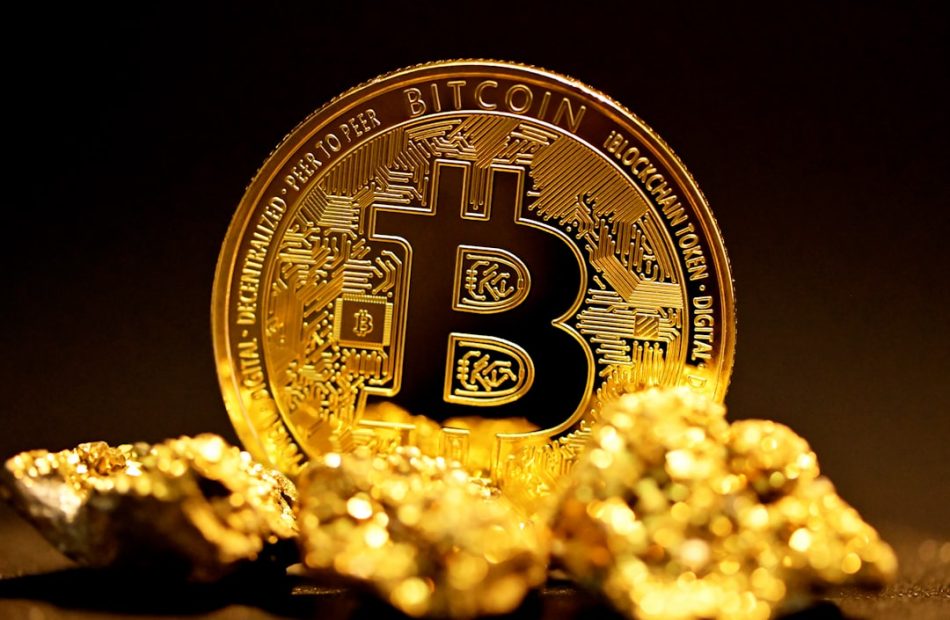
Bitcoin Halving: The Engine of Bull Markets (A Historical Playbook)
If you’ve been around crypto for more than a few months, you’ve heard the phrase: “Bitcoin halving.” It’s often whispered like a magic spell that turns paper hands into diamond hands. But what does it actually mean for your trading? And more importantly, how can you use historical halving cycles to position yourself for potential gains?
Let’s strip away the hype and look at the data. The Bitcoin halving is a programmed event that cuts the reward for mining new blocks in half, reducing the rate at which new Bitcoin enters circulation. This happens approximately every four years. Historically, each halving has preceded a massive bull run, followed by a correction. Understanding this rhythm can give you a strategic edge.
How It Works
Bitcoin’s supply is capped at 21 million coins. The halving ensures that the rate of new supply decreases over time, creating artificial scarcity. In a market where demand remains steady or grows, scarcity tends to push prices higher. Think of it like a concert with a limited number of tickets — when the band gets more popular, the ticket price skyrockets.
The Historical Setup
Let’s look at the three halvings so far:
- 2012 Halving: Bitcoin was around $12. Within a year, it surged to over $1,100 — a gain of nearly 9,000%.
- 2016 Halving: Bitcoin was around $650. The next 18 months saw a peak near $20,000 — roughly a 3,000% increase.
- 2020 Halving: Bitcoin was around $8,500. It eventually hit $69,000 in late 2021 — about a 700% gain.
Notice a pattern? Each cycle’s percentage gain has been smaller, but the absolute price moves have been massive. The key takeaway: the halving doesn’t cause an immediate pump. Historically, the real rally begins 6 to 12 months after the event, as the reduced supply starts to bite and mainstream adoption catches up.

The Strategy: Position Before the Party
If you’re a swing trader or a medium-term investor, the playbook is simple:
1. Accumulate in the pre-halving dip. Bitcoin often pulls back 6-12 months before the halving. That’s your buying zone.
2. Hold through the halving event. Don’t panic sell if the price doesn’t move immediately. Patience is your edge.
3. Take profits during the euphoria phase. Watch for parabolic spikes and social media mania — that’s your exit window.
A practical approach: Use a simple moving average (e.g., 200-day SMA) to identify the trend. Buy when price is below the SMA and the halving is near. Sell when price is multiple standard deviations above the SMA and the hype is deafening.
Risk Management
No strategy is perfect. Here’s how to protect yourself:
- Never go all-in. Allocate only a portion of your portfolio to this trade. Crypto is volatile, and halvings can be front-run or delayed by macro events.
- Set stop-losses. If you’re trading the cycle, use a trailing stop to lock in gains as the price rises.
- Don’t forget the post-halving correction. After every bull run, Bitcoin has dropped 70-80%. Have a plan to take profits before the music stops.
- Ignore the noise. You’ll see countless predictions. Stick to your plan and the data.
The Bottom Line
The Bitcoin halving is not a guarantee, but it is one of the most reliable catalysts in crypto history. By studying the cycles, you can trade with a roadmap instead of guessing. Remember: the best trades are the ones you prepare for months in advance. Start your research today, and when the next halving comes, you’ll be ready to ride the wave — not chase it.
Ripple Swell 2026 Explained: What the Merged Conference Means for XRP
Did you know that Ripple’s annual conference is about to double in size, combining its institutional summit with a developer-focused event for the first time? Ripple Swell 2026, scheduled for October 27-29 in New York City, marks a significant shift in how the company brings together traditional finance and blockchain builders. For crypto learners in 2025, this isn’t just another conference—it’s a signal of how deeply blockchain is embedding into mainstream financial infrastructure.
Why should you care? Whether you hold XRP, follow Ripple’s legal journey, or simply want to understand how institutions are adopting crypto, Swell 2026 offers a window into this transformation. This guide explains what makes this year’s event different, who’s speaking, and what developments could emerge—all without the hype.
Read time: 8-10 minutes
Understanding Ripple Swell for Beginners
Ripple Swell is Ripple’s flagship annual conference that brings together financial executives, developers, and the XRP community to discuss blockchain adoption in payments and finance. Think of it as a trade show for the future of money—where bankers, coders, and crypto enthusiasts meet in one room to figure out how blockchain will reshape global payments.
Why was this event created? Ripple started Swell in 2017 to bridge the gap between traditional financial institutions and blockchain technology. The problem it solves is simple: banks and fintech companies need a neutral space to learn about crypto without the noise of price speculation. Swell provides that platform, with workshops, panels, and networking focused on real-world use cases.
A real-world example: At past Swell events, Ripple has announced partnerships with payment providers in Asia and Africa, demonstrated XRP-powered cross-border payment corridors, and unveiled new features for the XRP Ledger. For attendees, it’s where theoretical blockchain promises meet concrete business deals.
The Technical Details: How Ripple Swell and Apex Are Merging
The biggest change for 2026 is the merger of two previously separate events into one combined conference. Here’s what that means:
1. Swell (Institutional Summit): Historically focused on financial executives, regulators, and enterprise clients. Topics included cross-border payments, liquidity management, and regulatory compliance.
2. Apex (Developer Conference): A separate event centered on XRP Ledger developers, coders building on XRPL, and technical deep dives into consensus mechanisms, smart contracts, and DeFi tools.
The unified program: For the first time, both audiences will share the same venue, stages, and networking opportunities. This isn’t just logistical—it creates intentional cross-pollination. A bank executive can attend a developer workshop on the new XRPL Automated Market Maker (AMM). A coder can sit in on a panel about how legacy payment rails are integrating with XRP.
Why this structure matters for you: The merger signals that Ripple sees its future in connecting technical builders directly with institutional decision-makers. For users, this means the XRP ecosystem is maturing beyond just speculation—it’s becoming infrastructure that developers can build on and institutions can deploy.
Current Market Context: Why This Matters Now
As of mid-2026, Ripple Swell arrives at a pivotal moment. Here’s what’s happening in the broader landscape:
- Institutional adoption accelerating: Global banks and payment firms are increasingly testing blockchain-based settlement. Ripple’s network, RippleNet, processes billions in transactions monthly across 70+ countries.
- Regulatory clarity improving: With the SEC lawsuit largely behind Ripple (the company won significant legal victories in 2023-2025), institutional partners have more confidence to engage. The EU’s MiCA framework also provides clear guidelines for stablecoins and crypto assets.
- XRP Ledger upgrades: Recent additions like the XRPL AMM feature (launched in 2024) and planned sidechains are expanding what developers can build on the network, from DeFi applications to tokenized real-world assets.
The combination of these factors makes Swell 2026 a bellwether event. If major financial institutions announce new partnerships or pilots at this conference, it could signal broader market acceptance for XRP and blockchain payments.
Competitive Landscape: How Ripple Swell Compares
Ripple’s event is unique in the crypto conference space. Here’s how it stacks up against similar gatherings:
| Feature | Ripple Swell 2026 | Consensus (CoinDesk) | Token2049 |
|---|---|---|---|
| Primary Focus | Payments, XRP ecosystem, institutional finance | Broad crypto (DeFi, regulation, markets) | Global crypto industry, trading, infrastructure |
| Target Audience | Financial execs, XRPL developers, XRP community | Crypto founders, investors, policymakers | Traders, VCs, exchange executives |
| Key Differentiator | Combines institutional (Swell) + developer (Apex) audiences | Largest U.S. crypto event | Major Asia-Pacific focus |
| XRP Focus | Core theme, extensive XRPL content | Minimal (covers all crypto) | Minimal (project-specific panels rare) |
| Ticket Price Range | $1,000 (early bird) to $1,200 | $1,500-$3,000+ | $500-$1,500+ |
Why this matters: Ripple Swell is the only major conference specifically bridging payments infrastructure with blockchain development. For those interested in how crypto actually gets used for real-world transactions (not just trading), this event offers concentrated, practical content.
Practical Applications: Real-World Use Cases
What will attendees learn about at Swell 2026? Here are the most anticipated topics:
- Cross-border payments using XRP: Financial institutions can settle international transactions in seconds using XRP as a bridge currency, reducing costs by 40-70% compared to traditional SWIFT transfers. This directly benefits businesses that send money abroad regularly.
- Tokenization of real-world assets (RWAs): Ripple is exploring how to represent assets like real estate, bonds, or commodities as tokens on the XRP Ledger. This could make traditionally illiquid assets tradeable 24/7.
- Stablecoin issuance on XRPL: Ripple’s planned stablecoin (RLUSD) is expected to launch on the XRP Ledger. This would let users access a dollar-pegged asset within the XRP ecosystem for trading, lending, or payments.
- DeFi on XRPL: The built-in AMM feature allows users to provide liquidity and earn fees directly on the XRP Ledger, without needing third-party protocols. This opens up yield opportunities for XRP holders.
- Central bank digital currency (CBDC) solutions: Ripple has announced partnerships with several central banks exploring digital currencies. Swell may showcase new pilots with sovereign nations.
Risk Analysis: Expert Perspective
Attending or following a conference like this isn’t all upside. Here are important considerations:
Primary Risks:
1. Market Hype vs. Substance: Conferences often generate short-term excitement that fades if announcements don’t translate to real adoption. Past crypto events have seen prices spike on news that later proved underwhelming.
2. Regulatory Uncertainty: Despite legal wins, Ripple still operates in a complex regulatory environment. The SEC could appeal aspects of the ruling, creating uncertainty for institutional partners.
3. Competitive Pressure: New payment networks (like central bank digital currencies or stablecoins from major tech firms) could reduce demand for XRP-based solutions.
Mitigation Strategies:
- Wait for confirmed partnerships: Don’t act on announcements during the event—wait for signed contracts or live implementations.
- Diversify focus: Understand that XRP is one of many blockchain payment solutions. Compare Ripple’s offering against others like Stellar, traditional fintech, or CBDCs.
- Monitor regulatory developments: Follow SEC guidance and EU MiCA implementation for signals on how crypto payments will be regulated long-term.
Expert Consensus: Most analysts view Swell events as net positive for Ripple’s ecosystem, but caution that the true value comes from multi-year partnerships, not one-off announcements.
Future Outlook: What’s Next
What can we expect from Swell 2026 and beyond?
1. Major partnership announcements: Ripple is expected to announce new banking clients for RippleNet, potentially in Latin America, Africa, or Southeast Asia.
2. RLUSD stablecoin details: The conference may provide launch date, initial exchange listings, and use cases for Ripple’s upcoming stablecoin.
3. Developer tools and grants: Expect new resources for XRPL developers, including sidechain integration tools and DeFi building blocks.
4. Regulatory roadmap: Ripple’s leadership will likely discuss how the company navigates evolving global regulations, including MiCA compliance.
The event runs from October 27-29, with a pre-conference hackathon on October 24-25. An invite-only Institutional Summit kicks off the main proceedings. For those who can’t attend, Ripple typically streams keynotes and posts session recordings.
Key Takeaways
- Ripple Swell 2026 merges its institutional conference with its developer summit for the first time, creating a unified space connecting banks, builders, and the XRP community.
- The event signals growing maturity in blockchain payments, with topics spanning tokenization, stablecoins, DeFi, and cross-border settlement.
- Key speakers include Ripple CEO Brad Garlinghouse and Bullish CEO Tom Farley, with sessions covering payments, regulation, and XRP utility.
- Swell 2026 is a bellwether for institutional crypto adoption—watch for confirmed partnerships and product launches that could signal broader market trends.
SEO METADATA
Meta Description: Learn what Ripple Swell 2026 means for XRP users. This beginner’s guide explains the merged Swell & Apex conference, key speakers, and impact on crypto payments.
Primary Keywords: Ripple Swell 2026, XRP conference, Swell Apex merger, Ripple event explained
Secondary Keywords: XRP Ledger, RippleNet, crypto conference guide, institutional crypto adoption, blockchain payments
Trending Related Terms: XRP news, Ripple partnership announcement, crypto institutional summit, XRPL developer event, cross-border payments
Content Type: Educational Analysis / News Explainer
Target Audience: Beginner-to-Intermediate Crypto Learners
Update Frequency: Monitor for confirmed speaker announcements, partnership news from the event (October 27-29, 2026)
The Rise of AI Agents in Crypto: A Complete Guide
Introduction
The intersection of artificial intelligence and cryptocurrency is creating a new frontier in decentralized finance. AI agents—autonomous programs that can analyze data, execute trades, and manage portfolios—are rapidly transforming how we interact with blockchain networks. From automated market making to predictive analytics, these intelligent systems are enabling faster, smarter, and more efficient crypto operations. In this comprehensive guide, we’ll explore the key concepts behind AI agents in crypto, share pro tips for leveraging them, and recommend tools to get started.
Key Concepts
- Autonomous Trading Bots: AI agents that execute trades based on predefined strategies, market signals, or machine learning models. They can operate 24/7 without human intervention.
- Predictive Analytics: Using historical data and AI algorithms to forecast price movements, volatility, and market trends. This helps traders make informed decisions.
- Portfolio Management: AI agents that rebalance portfolios, optimize asset allocation, and minimize risk based on real-time market conditions.
- Sentiment Analysis: Natural language processing (NLP) tools that scan social media, news, and forums to gauge market sentiment and predict price action.
- Decentralized AI Oracles: Systems that bring off-chain AI computations onto the blockchain, enabling smart contracts to access AI-driven insights.
Pro Tips
- Start Small: Test AI agents with a small capital allocation before scaling up. Monitor performance and adjust parameters as needed.
- Diversify Strategies: Use multiple AI agents with different strategies (e.g., trend following, arbitrage, mean reversion) to spread risk.
- Monitor Gas Fees: High transaction costs can eat into profits. Choose platforms with low fees and fast execution.
- Stay Updated: AI models need retraining. Keep your agents updated with the latest market data and algorithm improvements.
- Security First: Use hardware wallets, enable 2FA, and never share API keys. Audit smart contracts if using decentralized agents.
FAQ Section
What are AI agents in crypto?
AI agents are autonomous software programs that use artificial intelligence to perform tasks like trading, portfolio management, and data analysis on blockchain networks.
Are AI agents profitable?
They can be, but profitability depends on market conditions, strategy quality, and execution costs. Backtesting and continuous optimization are essential.
Do I need coding skills to use AI agents?
Not necessarily. Many platforms offer no-code AI agent builders with drag-and-drop interfaces. However, custom strategies may require basic programming knowledge.
What risks should I consider?
Risks include technical failures, market volatility, smart contract bugs, and over-optimization. Always use risk management tools like stop-losses.
Can AI agents work on any blockchain?
Most agents are designed for specific chains (e.g., Ethereum, Solana, BSC). Cross-chain agents are emerging but still limited.
Conclusion
AI agents are revolutionizing the crypto space by automating complex tasks, improving decision-making, and unlocking new opportunities for traders and investors. As the technology matures, we can expect even more sophisticated agents capable of handling multi-chain operations, advanced risk modeling, and real-time adaptation. For more details on this, check out our guide on Bitcoin ETF Outflows Hit $1.26B, Santiment Issues Buy Signal. You might also be interested in reading about Master Fibonacci Retracement Entries: Pinpoint Precision for Your Trades. Start exploring AI agents today—but remember to stay cautious, keep learning, and always prioritize security.
AI Models Predict Bitcoin Consolidation Below $64,000 for August 1
July 11, 2026 — Nine artificial intelligence models have issued Bitcoin price predictions for August 1, with eight of nine forecasts clustering between $63,420 and $67,940 as BTC trades below $64,000. The AI consensus suggests consolidation rather than a dramatic breakout, according to a Bitcoin.com News analysis published today.
Immediate Details & Direct Quotes
Want to trade this news? Bitget offers professional charting tools and deep liquidity.
The experiment enlisted nine chatbots — Deepseek, Grok, Meta AI, Gwen, ChatGPT 5.6 Sol, Claude Fable, Pi AI, Kimi, and Gemini — each using distinct mathematical frameworks to project Bitcoin’s month-end price. The prompt required each model to “use a clearly defined mathematical deduction model” and provide a single specific price rather than a range.
Deepseek’s Deepthink model applied a “smoothed momentum-volatility decay model,” calculating BTC at $64,630 by compounding a 0.09% daily drift minus half the daily variance over 22 calendar days. Grok 4.6 Expert mode used a “seasonality-momentum hybrid model” projecting $65,880, factoring in July’s historical 5.5% average return minus seasonal drag and volatility adjustments.
Gwen 3.7 Plus employed “Geometric Brownian Motion” parameterized with 0.2% daily momentum drift and 3% daily volatility, yielding $66,013. Kimi 2.6’s “Weighted Momentum-Mean Reversion Model” landed at $65,420, weighting 60% mean-reversion to the 50-day SMA and 40% momentum continuation. Gemini Pro applied a “time-weighted historical seasonality model” with a 0.8 volatility coefficient, projecting $66,738.
Market Context & Reaction
Bitcoin currently sits down more than 40% over the past 12 months and nearly 50% below its all-time high above $126,000. The Fear and Greed Index registered 26 (Fear) as of the analysis date, up from Extreme Fear levels in prior weeks.
The one outlier — Pi AI — predicted $89,359, assuming a 1.5% daily compounded growth rate described as “conservative.” Unlike its peers, Pi AI named no model, showed no formula, and offered no downside scenario. “That gap in rigor, more than the number itself, is what separates it from the rest of the field,” the report noted.
Traders are now awaiting the July 29 Federal Reserve decision, identified as the key catalyst for Bitcoin’s next move. The tight forecast band — less than $4,500 spread across eight models — suggests AI consensus sees the market “catching its breath rather than gearing up for a dramatic August run,” according to the analysis.
Background & Historical Context
July has treated BTC more favorably than June, though the asset remains well below its all-time high. The experiment’s convergence among models using different mathematical frameworks — from EMA-based drift calculations to probability-weighted scenario trees — carries more weight than any single price target.
Each model incorporated recent price action, volatility, momentum, historical patterns and market conditions. Bitcoin’s recent drawdown to cycle lows near $58,000 and subsequent early-July rebound above $64,000 informed several projections. The 200-week moving average holding at $62,200-$62,500 was cited as structural support.
What This Means
The eight-model consensus indicates AI-powered analysis expects Bitcoin to remain range-bound through month’s end, with most forecasts pointing to modest single-digit monthly moves. The July 29 Fed decision represents the most significant near-term catalyst that could break the consolidation pattern.
For traders, the divergence between the main cluster and Pi AI’s outlier highlights the importance of examining models’ underlying assumptions rather than focusing on price targets alone. Models showing their mathematical reasoning provide more reliable signals than those offering flat growth assumptions without methodology.

Unlock Market Secrets: The Wyckoff Method for Smarter Entries
Have you ever watched a price chart and felt like the market was moving just to trick you? You’re not alone. Many traders rely on lagging indicators that only confirm what already happened. But what if you could read the market’s true intentions? The Wyckoff Method, developed by Richard Wyckoff in the early 1900s, is a timeless approach that helps you see the footprints of the ‘smart money’ — the big institutions and professional traders. It’s not about guessing; it’s about understanding the logic behind price and volume. Let’s break down this powerful method so you can start trading with more confidence and less noise.
How It Works
The Wyckoff Method is built on three fundamental laws:
1. The Law of Supply and Demand: When demand exceeds supply, prices rise. When supply exceeds demand, prices fall. Simple, but powerful when combined with volume.
2. The Law of Cause and Effect: Price movement (effect) is the result of a period of accumulation or distribution (cause). Think of it like building a spring before it releases energy.
3. The Law of Effort vs. Result: Volume is the ‘effort’ and price movement is the ‘result’. If you see high volume but little price movement, it signals a potential reversal or continuation.
Wyckoff identified four distinct market phases that repeat over and over:
- Accumulation: Smart money buys while the crowd is still fearful. Price moves sideways after a downtrend.
- Markup: Price breaks out of the accumulation range with increasing volume. The trend turns bullish.
- Distribution: Smart money sells to the excited crowd. Price moves sideways after an uptrend.
- Markdown: Price breaks down with heavy volume. The trend turns bearish.
The Setup: Spotting Accumulation and Distribution
To apply the Wyckoff Method, you need to watch for specific schematic patterns on your chart (preferably on higher timeframes like 4-hour or daily).
Accumulation Schematic (Bullish)
1. Preliminary Support (PS): Heavy volume after a long downtrend, indicating initial buying interest.

2. Selling Climax (SC): A sharp drop with extremely high volume, showing panic selling that smart money absorbs.
3. Automatic Rally (AR): Price bounces up from SC on lower volume. The selling pressure is exhausted.
4. Secondary Test (ST): Price revisits the SC area but on significantly lower volume. This confirms supply is drying up.
5. Spring (Optional): A brief dip below the support level that quickly reverses. This is a classic Wyckoff trap to shake out weak hands.
Entry: Buy on a breakout above the accumulation range (the resistance level) with increasing volume. Place a stop loss just below the range low.
Distribution Schematic (Bearish)
1. Preliminary Supply (PSY): High volume after a long uptrend, indicating initial selling.
2. Buying Climax (BC): A sharp rally with extremely high volume, showing euphoric buying that smart money uses to sell into.
3. Automatic Decline (ARD): Price drops from BC on lower volume.
4. Secondary Test (ST): Price rallies back to the BC area but on lower volume. Demand is exhausted.
5. Upthrust (UT) (Optional): A brief spike above resistance that quickly reverses, trapping late buyers.
Entry: Short on a breakdown below the distribution range (the support level) with increasing volume. Place a stop loss just above the range high.
Risk Management
The Wyckoff Method is powerful, but no strategy works 100% of the time. Here’s how to protect your capital:
- Always use a stop loss. Place it just beyond the structure (e.g., below the spring or above the upthrust). If you’re wrong, you get out with a small loss.
- Position size wisely. Never risk more than 1-2% of your account on a single trade. The Wyckoff Method gives you high-probability setups, but you must survive the losing streaks.
- Wait for confirmation. Don’t jump in at the first sign of accumulation or distribution. Wait for the breakout or breakdown with volume. Patience is key.
- Use multiple timeframes. Confirm your setup on a higher timeframe (e.g., daily) and then fine-tune your entry on a lower timeframe (e.g., 1-hour).
Conclusion
The Wyckoff Method is more than just a strategy — it’s a mindset shift. Instead of reacting to price, you learn to anticipate what the smart money is doing. Start by practicing on historical charts to spot the phases and schematics. Once you feel comfortable, try it on a demo account. Remember, the goal is not to be perfect but to trade with an edge. The market will always have its tricks, but with Wyckoff, you’ll be one step ahead. Happy trading!
Tokenized Real Estate: How to Invest with $50
Tokenized real estate is revolutionizing property investment by breaking down high-value assets into digital tokens on a blockchain. This allows investors to buy fractional ownership in commercial or residential properties for as little as $50, gaining exposure to rental yields and capital appreciation without the traditional barriers of high entry costs, illiquidity, and complex legal processes. The key difference between off-chain and on-chain real estate lies in accessibility and liquidity: off-chain requires large capital, intermediaries, and long holding periods, while on-chain enables instant trading, 24/7 markets, and transparent ownership records through smart contracts.
How Tokenized Real Estate Works
The process involves several steps that bridge traditional legal structures with blockchain technology:
- Tokenization: A property is valued and divided into digital tokens, each representing a fractional ownership stake. These tokens are issued on a blockchain (e.g., Ethereum, Polygon) via a security token offering (STO).
- Special Purpose Vehicle (SPV): A legal entity (SPV) holds the actual property title. Tokens represent ownership in the SPV, ensuring compliance with securities laws.
- Oracles: Real-world data (property valuations, rental income, market conditions) is fed onto the blockchain via oracles (e.g., Chainlink) to maintain accurate token pricing and yield distributions.
- Blockchain: The tokens are traded on decentralized or centralized exchanges, providing liquidity. Smart contracts automate rent distribution, voting on property decisions, and compliance checks.
Investment Analysis: Pros, Cons, and Risks
Tokenized real estate offers compelling advantages but also carries unique risks that investors must understand.
Pros
- Low Entry Barrier: Invest with as little as $50, democratizing access to prime real estate markets.
- Liquidity: Trade tokens 24/7 on secondary markets, unlike traditional property that can take months to sell.
- Diversification: Spread small amounts across multiple properties (commercial, residential, industrial) globally.
- Transparency: All transactions and ownership records are immutable on the blockchain, reducing fraud.
Cons
- Regulatory Uncertainty: Securities laws vary by jurisdiction; some platforms may face legal challenges.
- Smart Contract Risk: Bugs or exploits in the token contract could lead to loss of funds.
- Market Volatility: Token prices can fluctuate based on crypto market sentiment, not just property fundamentals.
- Limited Track Record: The asset class is still young; historical data on returns is sparse.
Risks to Consider
- Regulation: The SEC and other regulators are actively scrutinizing tokenized securities. Non-compliance could freeze assets.
- Counterparty Risk: The SPV manager or property operator may mismanage the asset.
- Liquidity Risk: While tokens are tradeable, low trading volumes can make it hard to exit at fair prices.
For a broader market view, check out our analysis on Cold Storage vs Hot Wallets: Which Should You Choose?. Investors often compare this to Master the 1% Rule: The Golden Rule of Trading Risk Management.
Tool Recommendation
To trade tokenized real estate tokens and other RWA assets, you need a reliable exchange with strong liquidity and security. Looking for altcoin opportunities and smooth trading? Try KuCoin. It offers a wide range of tokenized assets, low fees, and advanced trading tools. Sign up here to start investing with as little as $50.
Frequently Asked Questions
Is tokenized real estate legal?
Yes, when structured properly. Most platforms use an SPV to hold the property and issue tokens as securities, complying with local regulations like the SEC’s Regulation D or Regulation A+ in the U.S. Always verify the platform’s legal status and jurisdiction.
What are the typical yields on tokenized real estate?
Yields vary by property type and market, but rental yields typically range from 4% to 10% APY. Some platforms also offer capital appreciation tokens. Data from RWA.xyz shows average yields around 6-8% for commercial properties.
Can I lose my entire investment?
Yes, like any investment, tokenized real estate carries risk. If the property value drops, the property is mismanaged, or the smart contract is exploited, you could lose part or all of your capital. Diversify across properties and platforms to mitigate risk.
Conclusion
Tokenized real estate is a game-changing asset class that lowers barriers to property investment, offering fractional ownership, liquidity, and transparency. With as little as $50, you can now access institutional-grade real estate markets that were previously reserved for the wealthy. However, regulatory risks and smart contract vulnerabilities require careful due diligence. For investors willing to navigate this emerging space, the potential for passive income and portfolio diversification is significant. Start small, choose regulated platforms, and always prioritize security.