
The Meme Coin Supercycle: How to Ride the Next Wave Without Getting Wrecked
You’ve seen it happen. A random dog coin pumps 10,000% in a week. You FOMO in at the top, watch it crash, and swear you’ll never touch memes again. But here’s the truth: meme coins are not going away. They’ve evolved from jokes into a legitimate asset class with their own market cycles. The key is not to avoid them—it’s to trade them strategically.
Welcome to the Meme Coin Supercycle Strategy. This isn’t about gambling on the next Shiba Inu. It’s about using proven market dynamics to capture massive moves while keeping your portfolio safe.
How It Works
Meme coins operate on what I call the “Supercycle”—a compressed version of the traditional crypto market cycle. Instead of years, these cycles play out in weeks or even days. The pattern is consistent:
1. Accumulation Phase: The coin trades sideways with low volume. Insiders and early believers quietly build positions.
2. Pump Phase: A catalyst (celebrity tweet, exchange listing, or viral meme) triggers explosive upward movement. Volume spikes 10x-100x.
3. Distribution Phase: Smart money sells into the hype. Price continues climbing but with decreasing momentum.
4. Dump Phase: Panic selling begins. The coin loses 80-90% of its peak value.
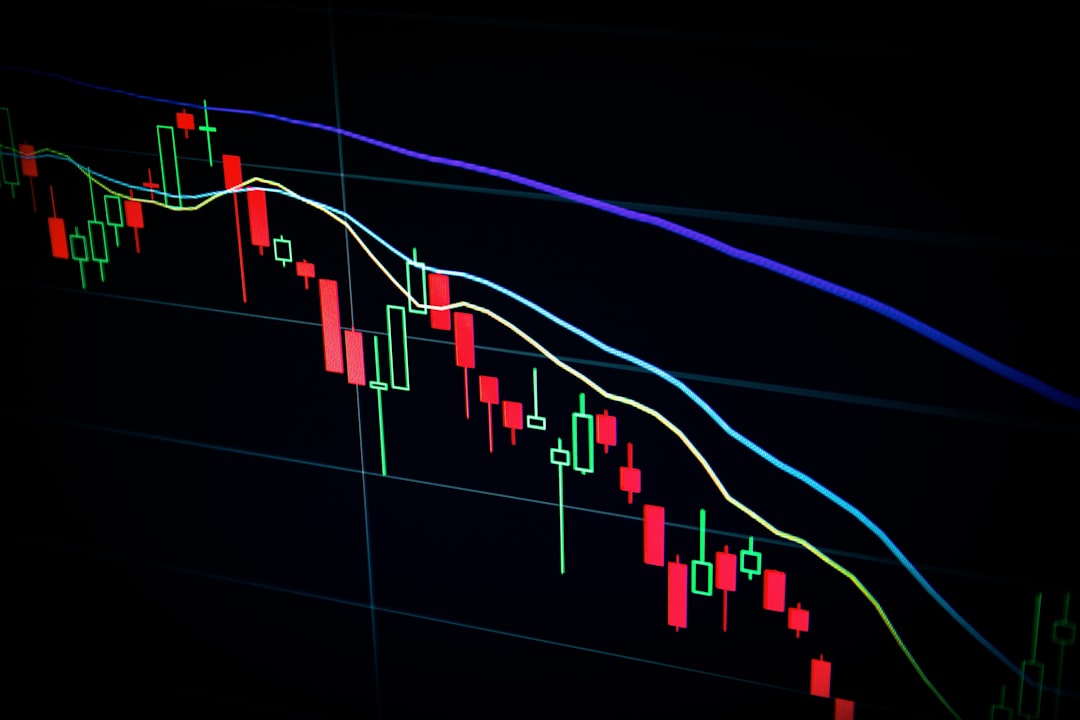
The supercycle repeats across different memes. Your goal is to catch the early Pump Phase and exit before Distribution ends.
The Setup
Here’s the exact process I use to identify and trade meme coin supercycles:
Step 1: Scan for New Listings
Use DEX aggregators like DexScreener or CoinGecko. Filter by:
- Liquidity > $50,000 (avoids rug pulls)
- Age < 7 days (fresh momentum)
- Social buzz (Telegram, Twitter mentions)
Step 2: Confirm the Catalyst
Look for a clear narrative—a new meme format, a celebrity endorsement, or a charity angle. Avoid coins with no story.
Step 3: Enter on First Retest
Never buy the initial spike. Wait for the first pullback after the pump. Enter when price holds above the 20-period EMA on the 1-hour chart. This is your “supercycle entry.”
Step 4: Scale Out
Sell 30% at 2x, 30% at 5x, and let the rest ride with a trailing stop. This locks profits while giving you upside exposure.
Risk Management
Meme coins are volatile. Without risk management, you will lose everything. Here are my non-negotiable rules:
- Position Size: Never allocate more than 5% of your total portfolio to a single meme coin trade.
- Stop Loss: Place a stop at 15% below your entry. If the supercycle fails, you’re out with a small loss.
- Take Profit: Use the “3-5-10” rule—take partial profits at 3x, 5x, and 10x. Anything beyond is bonus territory.
- No Re-entry: Once you sell, don’t buy back. FOMO re-entry is the #1 cause of losses in meme coins.
Remember: The supercycle always ends. Your job is to ride the wave, not live on it.
Conclusion
Meme coins are the wild west of crypto, but with the right strategy, they can be a powerful tool in your trading arsenal. The Supercycle Strategy helps you enter early, manage risk, and exit before the dump. Start small, follow the rules, and let the market work for you.
The next supercycle is starting right now. Are you ready?
Tokenization Explained: How Blockchain Enables Personalized Portfolios
Did you know the market for tokenized real-world assets could grow from $30 billion to a staggering $5.5 trillion by 2030? That’s a 183x increase, according to Citi. While many crypto enthusiasts focus on tokenization’s ability to speed up settlements or enable 24/7 trading, a top executive at New York Life Investment Management (NYLIM) believes its true potential lies elsewhere: rebuilding how investment portfolios are built.
Thomas Sy, who oversees $11 billion in assets for the $807 billion asset manager, argues that blockchain is the only technology that can deliver truly personalized portfolios at scale. Today’s financial system struggles to customize investments efficiently because combining different assets—ETFs, bonds, private credit—creates operational chaos. This guide explains what tokenization means for personalized investing, breaks down how it works without jargon, and shows you why this matters for your crypto journey in 2025.
Read time: 8-10 minutes
Understanding Tokenization for Beginners
Tokenization is the process of converting real-world assets—like stocks, bonds, or real estate—into digital tokens on a blockchain. Think of it like turning a physical house into a digital receipt that can be split into millions of tiny pieces, each representing fractional ownership. Instead of buying an entire bond or a whole property, you can own a tiny slice digitally.
Why was tokenization created? Traditional finance struggles with personalization. If you want a portfolio that’s 50% stocks, 30% bonds, and 20% private credit, your financial advisor must manually coordinate multiple brokers, custodians, and settlement systems. That’s slow, expensive, and difficult to scale. Tokenization solves this by putting all assets on a shared digital ledger where they can be combined programmatically.
A real-world example: NYLIM recently partnered with Centrifuge to bring one of its high-yield corporate bond strategies onchain. Instead of buying a traditional bond fund, investors could soon own a tokenized version that’s easier to customize, trade, or use in other blockchain applications.
The Technical Details: How Tokenized Portfolios Actually Work
How does blockchain make personalized portfolios possible? Here’s the mechanism:
1. Asset Digitization: Real-world assets (bonds, ETFs, private credit) are converted into blockchain tokens. Each token represents a specific claim on the underlying asset.
2. Smart Contract Templates: Pre-programmed contracts define how tokens can be combined. For example, a “portfolio contract” might require 40% in tokenized Treasury bills, 30% in corporate bonds, and 30% in private credit.
3. Automated Allocation: When an investor deposits funds, the smart contract automatically buys the right proportion of each tokenized asset. This eliminates manual rebalancing.
4. Fractional Ownership: Tokenization allows splitting expensive assets (like a $100,000 bond) into tiny pieces. Investors can buy exactly the exposure they need, no matter their budget.
5. Onchain Settlement: When you buy or sell portfolio tokens, the transaction settles on the blockchain in minutes—not the T+2 days typical in traditional markets.
Flow diagram suggestion: A step-by-step infographic showing “Investor deposits $10,000 → Smart contract splits into 40% Treasuries, 30% bonds, 30% private credit → Investor receives a single portfolio token.”
Why this structure matters for you: It means your money can work exactly how you want, without being forced into one-size-fits-all funds. If you want a portfolio tilted toward sustainable energy or emerging markets, tokenization can make that possible at a fraction of today’s cost.
Current Market Context: Why This Matters Now
As of July 2026, the tokenization wave is accelerating. Major banks, asset managers, and infrastructure firms are racing to issue blockchain versions of traditional assets. The numbers tell the story:
- NYLIM’s move: The $807 billion asset manager partnered with Centrifuge to put a high-yield corporate bond strategy onchain, signaling that traditional finance giants see real potential.
- Stablecoin growth: The stablecoin market has surged past $300 billion. These digital dollars are increasingly used for cross-border payments and treasury management, creating demand for yield-bearing tokenized products.
- Citi’s projection: The bank forecasts the tokenized asset market could reach $5.5 trillion by 2030, up from just $30 billion today—a 183x increase.
Thomas Sy, NYLIM’s head of multi-asset solutions, told CoinDesk: “Stablecoins were probably one of the biggest unlocks in the past two years. Adopting stablecoins was the gateway to get them onchain.” As more institutions hold stablecoins, they’ll seek tokenized products to earn yield on those balances—creating a virtuous cycle.
Competitive Landscape: How NYLIM’s Approach Compares
Not all tokenization efforts are created equal. Here’s how different players approach the opportunity:
| Feature | NYLIM (Personalized Portfolios) | BlackRock (Tokenized Money Market Funds) | DeFi Protocols (e.g., Centrifuge) |
|---|---|---|---|
| Primary Goal | Custom portfolio construction at scale | Faster settlement & accessibility | Decentralized lending & borrowing |
| Target Users | Institutional & high-net-worth investors | Institutional investors | Crypto-native & institutional users |
| Asset Types | Corporate bonds, ETFs, private credit | Money market funds | Private credit, real estate |
| Key Advantage | Operationally efficient personalization | Liquidity & compliance | Smart contract automation |
| Key Challenge | Regulatory complexity | Limited to simple products | Infrastructure maturity |
Why this matters: NYLIM’s focus on personalization is unique. While others are simply creating blockchain versions of existing funds, Sy’s team aims to rebuild how portfolios are assembled. “The end goal is to embed the customization within the asset itself, rather than the customization sitting around the operations,” he explained.
Practical Applications: Real-World Use Cases
How could tokenized portfolios change your crypto experience?
- Retirement Savings: Imagine a retirement portfolio that automatically adjusts risk as you age, combining tokenized bonds, stocks, and real estate—all in one token. No rebalancing needed.
- Sustainable Investing: Want to exclude fossil fuels and invest in green energy? A tokenized portfolio could be programmed to only include ESG-approved assets, verified onchain.
- Fractional Access to Big Assets: A $1 million private credit fund becomes accessible with just $100. Tokenization removes minimum investment barriers.
- Cross-Border Wealth Management: An investor in Tokyo could hold tokenized US Treasury bonds in a wallet, earning dollar yields without needing a US bank account.
- Automated Tax-Loss Harvesting: Smart contracts could automatically sell losing positions and buy similar assets to optimize tax outcomes—without human intervention.
Risk Analysis: Expert Perspective
Tokenization offers exciting possibilities, but it’s not without risks:
Primary Risks:
1. Regulatory Uncertainty: Different countries have varying rules for tokenized securities. The SEC’s Howey Test and MiCA in Europe create different compliance landscapes.
2. Smart Contract Bugs: A flaw in portfolio allocation contracts could lead to incorrect asset distributions or loss of funds.
3. Liquidity Fragmentation: Tokenized assets might trade on multiple blockchains, making it harder to find buyers when you want to sell.
4. Custody Challenges: Who holds the private keys for tokenized assets? Institutional-grade custody is still evolving.
Mitigation Strategies:
- Projects like NYLIM work with regulated partners (e.g., Centrifuge) to ensure compliance.
- Open-source smart contracts undergo third-party audits.
- Large asset managers bring operational maturity that smaller DeFi projects may lack.
Expert Assessment: Thomas Sy acknowledges these challenges but remains optimistic: “If you can bring [operational costs] down by 10% or 20%, that’s a better outcome for our clients.” The risk is real, but the potential efficiency gains are substantial.
Beginner’s Corner: Quick Start Guide
Interested in tokenized investing? Here’s how to start cautiously:
1. Learn the basics first. Read CryptoSimplified’s guide to blockchain fundamentals before investing.
2. Research regulated products. Look for tokenized assets from reputable issuers (e.g., BlackRock, NYLIM) rather than unverified projects.
3. Start small. Test with a tiny amount to understand how tokenized assets behave in your wallet.
4. Check your jurisdiction. Ensure the product complies with your local regulations (e.g., MiCA in Europe, SEC rules in the US).
5. Use a hardware wallet. For significant holdings, store tokens on a Ledger or Trezor—not an exchange.
6. Track your portfolio. Use blockchain explorers like Etherscan to verify your token balances independently.
Common mistakes: Don’t confuse tokenized assets with the underlying cryptocurrency. A tokenized Treasury bond is not the same as Bitcoin—it has different risks and regulatory implications.
Future Outlook: What’s Next
The tokenized portfolio revolution is just beginning. Here’s what to watch:
1. NYLIM’s roadmap: The firm plans to bring more strategies onchain, expanding from corporate bonds to multi-asset portfolios.
2. Institutional DeFi: Thomas Sy expects decentralized finance infrastructure to mature, enabling tokenized collateral, central clearing, and prime brokerage services. “I do think there is a use case for [DeFi], but we need a little more time for it to institutionalize,” he said.
3. Stablecoin bridge: As stablecoins become the default for cross-border payments, demand for institutional tokenized products will grow, creating a self-reinforcing cycle.
4. Regulatory clarity: MiCA implementation in Europe and potential US frameworks could provide the legal certainty needed for mainstream adoption.
Temporal note: NYLIM’s onchain move is recent (July 2026), and the full impact may take 2-3 years to materialize. Monitor regulatory developments and partnership announcements.
Key Takeaways
- Tokenization’s biggest opportunity isn’t speed or 24/7 trading—it’s personalized portfolio construction at scale, according to NYLIM’s Thomas Sy.
- Stablecoin adoption is creating gateway demand for tokenized yield products, as institutional holders seek to earn returns on their digital cash.
- NYLIM’s approach differs from competitors by embedding customization within the asset itself, not just creating blockchain copies of existing funds.
- Risks include regulatory uncertainty, smart contract bugs, and liquidity fragmentation, but institutional involvement brings much-needed maturity.
- The tokenized asset market could reach $5.5 trillion by 2030, making understanding these concepts essential for any crypto investor.
Restaking Explained: EigenLayer and Beyond – The Ultimate Guide to Crypto Restaking
Introduction
Restaking is one of the most transformative innovations in decentralized finance (DeFi) and proof-of-stake (PoS) ecosystems. It allows staked assets—like ETH—to be reused to secure multiple protocols simultaneously, unlocking new layers of capital efficiency and security. At the forefront of this movement is EigenLayer, a protocol that introduces “restaking” to Ethereum. But restaking extends far beyond EigenLayer, with emerging solutions on other chains and novel applications in cross-chain security. This guide explains what restaking is, how EigenLayer works, the risks and rewards, and what the future holds for this paradigm-shifting technology.
Key Concepts
What Is Restaking?
Restaking is the process of taking already-staked tokens (e.g., staked ETH via Lido or Rocket Pool) and using them as collateral to secure additional networks or services—called Actively Validated Services (AVSs) in EigenLayer’s terminology. This means validators can earn extra rewards without needing to lock up more capital.
How EigenLayer Works
EigenLayer is a protocol built on Ethereum that enables restaking. Users deposit liquid staking tokens (like stETH) or native ETH into EigenLayer smart contracts. These deposits are then used to opt into securing AVSs—such as data availability layers, bridges, or sidechains—in exchange for additional yield. Validators who misbehave (e.g., double-sign) can have their restaked funds slashed, ensuring economic security.
Beyond EigenLayer: Other Restaking Projects
While EigenLayer dominates the conversation, other projects are exploring restaking mechanics:
- Symbiotic: A permissionless restaking protocol on Ethereum that supports multiple assets and custom slashing conditions.
- Karak: A multi-chain restaking platform that allows restaking across different L1s and L2s.
- Picasso (Restaking Layer): A cross-chain restaking solution built on Cosmos IBC, enabling shared security between ecosystems.
Risks of Restaking
- Slashing Risk: Validators can lose restaked funds if the AVS they secure is compromised or if they act maliciously.
- Smart Contract Risk: Bugs in EigenLayer or AVS contracts could lead to loss of funds.
- Liquidity Risk: Restaked tokens may be locked for periods, reducing flexibility.
Pro Tips
- Start Small: Only restake a portion of your portfolio until you understand the mechanics and risks.
- Diversify AVSs: Don’t put all your restaked capital into one AVS—spread risk across multiple services.
- Monitor Slashing Conditions: Each AVS has unique slashing rules; read them carefully before opting in.
- Use Liquid Restaking Tokens (LRTs): Protocols like Ether.fi and Renzo issue LRTs that represent your restaked position, allowing you to trade or use them in DeFi while still earning rewards.
FAQ Section
What is the difference between staking and restaking?
Staking locks tokens to secure a single blockchain (e.g., Ethereum). Restaking reuses those same staked tokens to secure additional protocols, earning extra rewards but also taking on extra slashing risk.
Is restaking safe?
Restaking introduces additional risks, including slashing and smart contract bugs. It is considered higher risk than standard staking. Only restake what you can afford to lose, and use reputable protocols.
Can I restake on other blockchains besides Ethereum?
Yes. While EigenLayer is Ethereum-native, projects like Karak and Picasso enable restaking on multiple chains, including Cosmos, Avalanche, and various L2s.
What are Actively Validated Services (AVSs)?
AVSs are any system that requires its own distributed validation for security—such as bridges, oracles, sidechains, or data availability layers. EigenLayer lets restakers opt into securing these services.
How do I start restaking?
You can deposit stETH or native ETH into EigenLayer’s app, or use liquid restaking protocols like Ether.fi. Always do your own research and start with a small amount.
Conclusion
Restaking, led by EigenLayer, is reshaping how capital efficiency and security work in crypto. By allowing staked assets to secure multiple networks, it unlocks new yield opportunities and strengthens the entire ecosystem. However, it comes with real risks—especially slashing and smart contract vulnerabilities. As the restaking landscape expands beyond EigenLayer to multi-chain solutions, staying informed and cautious is key. For more details on this, check out our guide on Gold-Backed Cryptos vs Physical Gold: Pros and Cons. You might also be interested in reading about New York Forces Uphold to Pay $5M Over Fraudulent Crypto Product.

The MACD Histogram Strategy: Catch Trend Reversals Early and Trade Like a Pro
Imagine having a tool that not only shows you the trend direction but also reveals when that trend is gaining or losing steam before it becomes obvious on the price chart. That’s exactly what the MACD Histogram does. It’s like having a momentum radar that alerts you to potential reversals and breakout opportunities.
In this post, I’ll walk you through a simple but powerful MACD Histogram strategy that works across timeframes—whether you’re scalping on the 5-minute chart or swinging on the daily. Let’s dive in.
How It Works
The MACD (Moving Average Convergence Divergence) indicator has three components:
- MACD Line (fast moving average minus slow moving average)
- Signal Line (9-period EMA of the MACD line)
- Histogram (difference between the MACD line and the Signal line)
The Histogram visually represents the strength of the momentum. When the Histogram bars are rising, momentum is increasing. When they’re falling, momentum is decreasing. The key insight? The Histogram often changes direction before the MACD line crosses the Signal line, giving you an early warning of a potential trend shift.
The Setup
This strategy works best on liquid assets like Bitcoin, Ethereum, or major altcoins. Use any timeframe (1H, 4H, or Daily).
For a Long (Buy) Setup:
1. Trend Context: Ensure price is in an uptrend (higher highs, higher lows) or at least not in a clear downtrend.

2. Histogram Divergence: Look for a situation where price makes a lower low, but the Histogram makes a higher low (bullish divergence). This signals that selling pressure is weakening.
3. Histogram Crossover: Wait for the Histogram bars to turn from red (negative) to green (positive) — meaning the MACD line has crossed above the Signal line. Enter long on the close of that bar.
4. Confirmation: (Optional) Price breaks above a recent resistance level or a moving average (e.g., 20 EMA).
For a Short (Sell) Setup:
1. Trend Context: Price in a downtrend or showing signs of topping.
2. Histogram Divergence: Price makes a higher high, but the Histogram makes a lower high (bearish divergence). Buying momentum is fading.
3. Histogram Crossover: Wait for the Histogram bars to turn from green to red (MACD line crosses below Signal line). Enter short.
4. Confirmation: Price breaks below a support level or moving average.
Risk Management
No strategy works without solid risk management. Here’s how to protect your capital:
- Stop Loss: Place your stop loss just below the recent swing low (for longs) or above the recent swing high (for shorts). If the divergence fails, you want to be out quickly.
- Position Size: Never risk more than 1–2% of your trading account on a single trade. Adjust your position size so that if your stop loss is hit, the loss stays within that limit.
- Take Profit: Use a risk-reward ratio of at least 1:2. For example, if your stop loss is 2% away, set your take profit at 4%. You can also take partial profits at key resistance/support levels.
- Avoid Overtrading: The MACD Histogram works best when there’s clear divergence. If the market is choppy or ranging, skip the trade. Patience is a trader’s superpower.
Final Thoughts
The MACD Histogram strategy gives you an edge by revealing hidden momentum shifts. It’s not a crystal ball, but when combined with proper risk management, it can significantly improve your win rate. Start by practicing on a demo account or using a trading simulator. Once you’re comfortable, apply it to small size trades. Remember, consistency beats perfection.
Happy trading, and see you on the charts!
US Treasury Bills on Blockchain: The Risk-Free Rate On-Chain
US Treasury Bills (T-Bills) are short-term debt obligations issued by the U.S. government, traditionally traded in over-the-counter markets with settlement delays. On-chain tokenization transforms these instruments into digital tokens representing fractional ownership of a T-Bill pool. This guide explains how the risk-free rate migrates to blockchain, the mechanics behind it, and what investors need to know.
What Are US Treasury Bills on Blockchain?
Tokenized T-Bills are digital representations of actual U.S. Treasury securities, issued via a Special Purpose Vehicle (SPV) that holds the underlying bonds. The token is minted on a blockchain (e.g., Ethereum, Solana) and represents a proportional claim on the SPV’s assets. Off-chain, the SPV buys T-Bills through a regulated broker. On-chain, the token price is updated via an oracle that reflects the net asset value (NAV) of the underlying portfolio. This structure allows investors to earn the risk-free rate with 24/7 liquidity and programmability.
How It Works: The Technical Process
The tokenization of T-Bills follows a four-step process:
- Tokenization: The issuer creates a smart contract that mints tokens representing fractional ownership of the SPV.
- SPV Formation: A legal entity (SPV) is established to hold the actual T-Bills, ensuring legal separation and compliance.
- Oracle Integration: A decentralized oracle (e.g., Chainlink) feeds the current NAV of the T-Bill portfolio to the smart contract, updating the token price.
- Blockchain Settlement: Investors buy or sell tokens on-chain, with settlement occurring instantly on the blockchain, while the SPV handles off-chain reconciliation.
Investment Analysis: Pros, Cons, and Risks
Pros:
- Fractional ownership lowers minimum investment thresholds (e.g., $1 vs. $1,000).
- 24/7 secondary market liquidity, unlike traditional T-Bill auctions.
- Transparency via on-chain audit trails and real-time NAV updates.
Cons:
- Regulatory uncertainty: Tokenized securities may fall under SEC or CFTC jurisdiction.
- Smart contract risk: Bugs or exploits could freeze or drain funds.
- Oracle dependency: Incorrect price feeds can lead to mispricing.
For a broader market view, check out our analysis on F2Pool Founder’s Mars Mission Explained: What a Bitcoin Miner Leading SpaceX’s First Crew Means for Crypto. Investors often compare this to The Gap Fill Strategy: How to Profit from Market Inefficiencies.
Tool Recommendation
For the best charting tools to spot this pattern, try Bitget. Their platform offers advanced analytics for tracking tokenized asset performance and on-chain yield trends.
FAQ Section
Question: Are tokenized T-Bills considered securities?
Answer: Yes, in most jurisdictions tokenized T-Bills are classified as securities because they represent ownership of a debt instrument. Issuers must comply with securities laws, including registration or exemption requirements.
Question: How is the yield distributed to token holders?
Answer: Yield is typically distributed via smart contract functions that automatically pay out accrued interest in stablecoins or native tokens. Some protocols reinvest yield to maintain a stable NAV.
Question: What happens if the oracle fails?
Answer: Most protocols have fallback mechanisms, such as manual price updates or circuit breakers that pause trading until the oracle is restored. Audits and redundancy reduce the risk of prolonged failure.
Conclusion
Tokenized US Treasury Bills represent a significant step in bridging TradFi and DeFi, offering investors a regulated, transparent way to earn the risk-free rate on-chain. While regulatory and technical risks remain, the growing adoption by institutions like BlackRock and Ondo Finance signals strong market validation. For investors seeking yield with lower volatility, tokenized T-Bills are a compelling asset class to watch.
$293B Bitcoin Lawsuit Explained: What the Noah Doe Case Means for Crypto Owners
Can someone claim ownership of your Bitcoin just because you stopped moving it? That’s the central question in a strange, high-stakes legal case unfolding in New York. A group called “Noah Doe” is trying to claim nearly 3.8 million Bitcoin—worth roughly $293 billion—from thousands of dormant wallets. But here’s the twist: some of those wallets have started moving their coins again, and the first actual wallet owner has just stepped forward to fight the claim. For anyone holding cryptocurrency long-term, this case raises crucial questions about what “abandoned” means in the digital world. This guide explains the lawsuit, the legal theory behind it, and what it means for your Bitcoin security.
Read time: 10-12 minutes
Understanding the Noah Doe Bitcoin Lawsuit for Beginners
The Noah Doe lawsuit is a New York court case where a pseudonymous plaintiff is trying to gain legal ownership of roughly 39,069 dormant Bitcoin wallets containing approximately 3.8 million BTC. Think of it like someone claiming ownership of a lost wallet they found on the street—except the “street” is the blockchain and the “wallet” is a digital address that anyone can see but nobody can access without the private keys.
Why was this case filed? The plaintiffs—identified only as Noah Doe along with two Wyoming companies—argue they used proprietary software to identify dormant Bitcoin addresses. They then delivered lists of these addresses to the New York Police Department as “found property” and invoked New York’s Personal Property Law Article 7-B, which governs lost tangible property.
The critical problem: even if a court grants them ownership on paper, they still cannot spend a single Bitcoin. Only the person holding the private keys can authorize transactions on the Bitcoin network. This creates a legal paradox—the lawsuit seeks ownership of something the plaintiffs cannot actually control.
The Technical Details: How This Lawsuit Actually Works
Understanding this case requires knowing how Bitcoin ownership works legally and technically. Here’s the breakdown:
1. Bitcoin addresses are public: Anyone can see all Bitcoin addresses and their balances on the blockchain. “Dormant” simply means the coins haven’t moved for years.
2. Private keys prove ownership: Only the person with the private key can send Bitcoin from an address. A court cannot force Bitcoin’s protocol to obey its orders—it can only rule on legal ownership.
3. New York’s lost property law: Article 7-B typically applies to physical items like jewelry or cash found in taxis or public places. The plaintiffs argue it also applies to blockchain addresses.
4. Service via OP_RETURN: The plaintiffs allegedly notified wallet owners by embedding messages in Bitcoin transactions using OP_RETURN—a feature normally used for data storage, not legal service.
5. The wallet list is controversial: It includes addresses linked to the 2011 Mt. Gox hack, the Counterparty burn address, and over 21,000 addresses tied to the Patoshi mining pattern—widely attributed to Bitcoin creator Satoshi Nakamoto.
Why this structure matters: The lawsuit attempts to apply centuries-old property law to a completely new type of digital asset. Whether this works could set a major precedent for crypto ownership rights.
Current Market Context: Why This Matters Now
As of July 2026, this case has reached a critical turning point. The lawsuit initially appeared headed for a default judgment—meaning no one showed up to defend the wallets. But on June 5, 2026, New York attorney Ian R. Cohen filed an amicus curiae (friend of the court) brief challenging the entire legal theory.
Cohen argued three key points:
- New York’s lost-and-found statute applies to tangible property, not blockchain addresses
- Prolonged inactivity does not legally equal abandonment for digital assets
- The plaintiffs may not have properly served wallet owners
On June 30, 2026, a pseudonymous wallet holder identifying as “John Doe 33” became the first named defendant to file a motion to dismiss. He states he is “a natural person and a real human being,” not a digital address, and his pseudonym protects him from security risks associated with publicly identified crypto holders.
Perhaps most damaging to the plaintiffs’ case: wallets named in the lawsuit keep moving their Bitcoin. Since the litigation began:
- June 2: ~35.55 BTC moved from a 2011-era wallet
- June 6: ~47.26 BTC moved
- June 7: ~1,878 BTC moved from a 2019 wallet
- June 19: ~199.216 BTC from a 2012 address
- July 2: 500 BTC moved from wallet No. 881
Each transaction weakens the argument that these coins were abandoned.
Competitive Landscape: How This Legal Strategy Compares
There’s no direct “competitor” to this lawsuit, but similar legal theories have been attempted before:
| Aspect | Noah Doe Lawsuit | Traditional Property Law | Previous Crypto Cases |
|---|---|---|---|
| Asset Type | Digital (Bitcoin addresses) | Physical (jewelry, cash) | Mixed (exchange hack claims, inheritance disputes) |
| Ownership Proof | None (can’t access private keys) | Possession + title documents | Varies by case |
| Service Method | OP_RETURN blockchain messages | Personal delivery, mail, publication | Court-approved electronic service |
| Legal Basis | Abandoned property (Article 7-B) | Lost property, adverse possession | Usually theft, fraud, or contract law |
| Defendant Response | Active wallet owners fighting back | Typically unclaimed property goes to state | Often no-show defendants |
Why this matters for users: The Noah Doe case is unprecedented. If successful, it could encourage similar claims against any dormant wallet—including yours if you HODL long enough without moving coins.
Practical Applications: Real-World Implications
What does this mean for the average crypto user?
- Long-term security planning: If you hold Bitcoin for years without moving it, this case tests whether your ownership could be legally challenged. The answer will affect how you think about storage and inheritance planning.
- Informed risk assessment: Understanding that someone might attempt to claim “abandoned” coins helps you plan regular wallet activity. Some experts now recommend “touching” your cold storage coins periodically.
- Legal precedent awareness: The July 14, 2026 hearing before Justice Kathy J. King could reshape how courts view dormant crypto. Anyone holding significant crypto should follow this case.
- Privacy considerations: The use of pseudonyms by both plaintiff and defendant shows the security concerns of being publicly identified as a large Bitcoin holder.
Risk Analysis: Expert Perspective
Primary Risks:
1. Legal risk: If the plaintiffs succeed, it could open the door for similar claims against other dormant wallets. However, most legal experts consider the abandonment theory weak because Bitcoin addresses aren’t “lost property” in the traditional sense—they’re publicly visible at all times.
2. Technical risk: Even if plaintiffs win, they can’t spend the Bitcoin. This creates a strange outcome where “ownership” has no practical effect.
3. Reputational risk: The case includes addresses linked to Satoshi Nakamoto. If those coins ever moved, it could shake Bitcoin’s market.
Mitigating Factors:
- The growing number of wallets reactivating shows owners still exist
- The first defendant’s filing creates an actual legal contest
- Multiple legal experts have criticized the court’s jurisdiction
Expert Consensus: Most legal observers believe the plaintiffs face an uphill battle. As attorney Ian Cohen argued in his brief, applying physical property laws to digital assets requires ignoring fundamental differences between blockchain addresses and physical objects.
Future Outlook: What’s Next
The next major event is the July 14, 2026 oral argument before Justice King. The hearing will address:
1. Cohen’s amicus application
2. The plaintiffs’ request to modify or lift the current stay
3. John Doe 33’s motion to dismiss
Possible outcomes include:
- Case dismissed: The court agrees blockchain addresses aren’t subject to Article 7-B
- Case narrowed: The court removes certain wallets from the claim
- Case continues: The court allows discovery to proceed, potentially forcing wallet owners to reveal identities
Regardless of outcome, this case has already achieved something significant: it has drawn attention to the legal ambiguity surrounding dormant Bitcoin ownership. Crypto holders should expect more such challenges as courts grapple with digital assets.
Key Takeaways
- A pseudonymous plaintiff is trying to claim 3.8 million Bitcoin from dormant wallets using New York’s lost property law—a controversial legal theory that may not apply to digital assets.
- Actual wallet owners are fighting back: “John Doe 33” filed the first motion to dismiss, and multiple wallets have reactivated, undermining abandonment claims.
- Even a court victory wouldn’t let plaintiffs spend the Bitcoin—only private keys authorize transactions, creating a legal paradox.
- The July 14 hearing could set a major precedent for how courts handle dormant crypto, affecting long-term HODLers worldwide.
,
“datePublished”: “2026-07-04T11:30:00-04:00”,
“dateModified”: “2026-07-04T12:03:19-04:00”,
“mainEntity”: {
“@type”: “Thing”,
“name”: “Noah Doe Bitcoin Lawsuit”
}
}
KYC vs No-KYC Exchanges: Privacy Guide 2026
As the crypto landscape evolves, the debate between KYC (Know Your Customer) and no-KYC exchanges intensifies. In 2026, privacy-conscious traders face a critical choice: comply with identity verification for access to regulated markets, or opt for anonymity to protect personal data. This guide breaks down the key differences, risks, and strategies to help you navigate the trade-offs between security and privacy.
Key Concepts
KYC Exchanges require users to submit government-issued IDs, proof of address, and sometimes facial recognition. They comply with anti-money laundering (AML) regulations, offer higher liquidity, and provide customer support. Examples include Binance, Coinbase, and Kraken.
No-KYC Exchanges allow trading without identity verification. They prioritize privacy, often operate decentralized (DEXs) or as peer-to-peer platforms. Examples include Uniswap, Bisq, and some centralized exchanges like KuCoin (for limited withdrawals). However, they may have lower liquidity, higher fees, and limited fiat on-ramps.
Privacy Risks: KYC exchanges store sensitive data, making them targets for hacks. No-KYC exchanges may lack regulatory oversight, exposing users to scams or exit fraud.
Pro Tips
- Use a VPN: Always mask your IP address when using no-KYC exchanges to prevent geolocation tracking.
- Start with KYC for large trades: For high-volume trading, regulated exchanges offer better security and insurance.
- Layer privacy tools: Combine no-KYC exchanges with privacy coins (e.g., Monero) or mixers for enhanced anonymity.
- Check jurisdiction: Some countries ban no-KYC platforms. Verify local laws before trading.
FAQ Section
Is it legal to use no-KYC exchanges?
Legality varies by country. In the EU and US, no-KYC exchanges may face restrictions, while in other regions they are unregulated. Always consult local laws.
Can I lose funds on no-KYC exchanges?
Yes, due to smart contract bugs, exit scams, or lack of insurance. Use reputable platforms with audited code.
Do KYC exchanges share my data?
Some share data with tax authorities or law enforcement. Check the exchange’s privacy policy.
What is the best no-KYC exchange in 2026?
Uniswap and Bisq remain popular. For centralized options, KuCoin offers limited no-KYC withdrawals.
Conclusion
Choosing between KYC and no-KYC exchanges depends on your privacy needs, trading volume, and risk tolerance. For most users, a hybrid approach works best: use KYC exchanges for fiat on-ramps and large trades, and no-KYC platforms for smaller, privacy-sensitive transactions. Always prioritize security—enable 2FA, use hardware wallets, and stay informed about regulatory changes.
For more details on this, check out our guide on Identity on Chain: KYC and Compliance in DeFi.
You might also be interested in reading about Real World Assets (RWA): How Tokenization Changes Investing.
Trump’s Official Trump Memecoin Earned Him $636M as Buyers Lost $3.8B
July 9, 2025 — President Donald Trump’s Official Trump (TRUMP) memecoin generated a $636 million payout for him while nearly 989,000 wallets collectively lost $3.81 billion by the end of June, according to newly analyzed blockchain data from Nansen and Trump’s 2025 financial disclosure.
Immediate Details & Direct Quotes
Low fees are crucial when trading breaking news. We recommend MEXC for tight spreads and fast execution.
The New York Times report, citing blockchain analytics firm Nansen, revealed that 988,905 wallets that purchased the TRUMP memecoin recorded cumulative losses through June 30. The figure includes both realized losses from sold tokens and paper losses held by investors who have not yet exited their positions.
Trump’s 2025 financial disclosure showed he received a $636 million payout tied directly to the TRUMP memecoin, alongside at least $1.4 billion in crypto-related income during the reporting period. The income largely stemmed from licensing agreements linked to the memecoin and token sales by Trump-backed World Liberty Financial (WLFI).
Unlike retail buyers, Trump benefited from trading activity regardless of whether the token price rose or fell because the venture generated revenue from transactions, the report stated.
Responding to criticism, White House spokeswoman Anna Kelly told The New York Times that Trump had made the United States the “crypto capital of the world” and said his actions were taken in the interests of the American people.
Market Context & Reaction
As of Friday, the TRUMP memecoin traded at approximately $1.76, roughly 97% below its all-time high of $75.35. Nansen’s analysis found that roughly two out of every three wallets that purchased the token have lost money. Fewer than 500,000 wallets generated about $4 billion in combined profits, with gains concentrated among early participants who entered before the price surged.
The report concluded that automated traders and experienced crypto investors typically capitalized on rapid price swings by buying early and selling into retail demand, while later buyers accounted for the majority of losses.
One investor, Nicholas Pinto, told The New York Times he invested roughly $500,000 in the TRUMP token after supporting Trump in the 2024 election and estimated he had lost about half of that investment. Pinto argued that Trump’s public position encouraged confidence among buyers and described the project as “almost a legal scam.”
Trump introduced the TRUMP memecoin three days before his January inauguration, describing it on social media as a way for supporters to join his community, and repeatedly promoted the token on Truth Social.
Background & Historical Context
The financial disclosure has intensified political debate in Washington. Sen. Kirsten Gillibrand recently renewed her call for ethics rules that would prohibit government officials and their spouses from creating or promoting crypto memecoins while Congress considers the CLARITY Act.
In a recent CNBC interview, Trump said he was unaware that his crypto ventures had generated at least $1.4 billion, adding that he could know the exact amount if he wanted to and insisting there was nothing improper about earning money from digital assets. He also said he had no plans to distance himself or his family from their crypto businesses.
World Liberty Financial has also faced losses among investors. According to Nansen, 85% of the 26,663 WLFI wallets it tracked were underwater, recording combined losses of about $83 million compared with roughly $23 million in profits. The firm noted actual losses are likely much larger because many secondary-market transactions on exchanges cannot be traced publicly.
What This Means
The data underscores the inherent risks in memecoin investments, where early participants and insiders often capture disproportionate gains while retail buyers bear losses. The continued political scrutiny suggests tighter ethics rules could emerge as pending crypto legislation advances in Congress, with Gillibrand pushing for provisions that would restrict government officials from launching or promoting such tokens.
For investors, the TRUMP memecoin’s 97% decline from its peak serves as a stark reminder to conduct thorough research and understand that promotional backing does not guarantee price stability. Future developments may include stricter regulatory oversight if the CLARITY Act moves forward with enhanced ethics provisions.
—
Master the VWAP Day Trading Strategy: Ride the Institutional Wave
If you’ve ever watched a stock or crypto chart and wondered why price seems to bounce off a certain invisible line, you’ve likely seen the power of VWAP (Volume-Weighted Average Price). This isn’t just another indicator—it’s the tool institutions use to gauge fair value and execute massive orders without moving the market. Today, I’m going to show you how to use VWAP as a day trading strategy that can help you enter and exit with more confidence.
How It Works
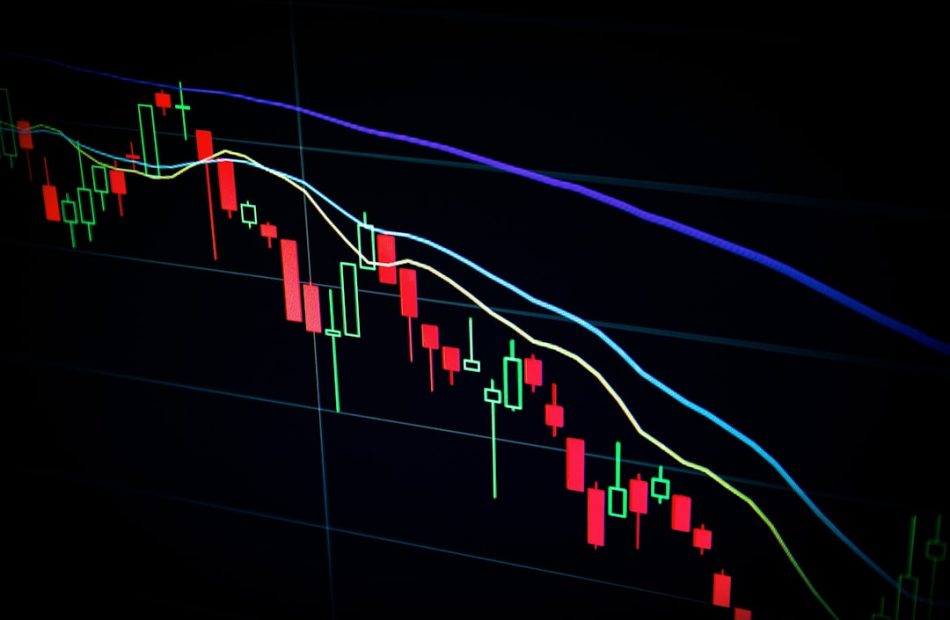
VWAP calculates the average price of an asset, weighted by volume, from the opening bell to the current point in time. Think of it as the “true” average price that accounts for every trade. When price is above VWAP, buyers are in control; when below, sellers dominate. The magic happens when price interacts with this line—it often acts as dynamic support or resistance.
The Setup
For this strategy, you’ll need:
- A chart with VWAP indicator (most platforms like TradingView, ThinkorSwim, or Binance have it built-in).
- A 5-minute or 15-minute timeframe for intraday trades.
- Volume bars to confirm moves.
Bullish Trade Example:
1. Price is below VWAP and starts to rise toward it.
2. Wait for price to break above VWAP with a strong bullish candle and increasing volume.
3. Enter a long position as price pulls back slightly to retest VWAP (now acting as support).
4. Set your stop loss just below the recent swing low or below VWAP by 0.5%.
5. Take profit at the next resistance level, or trail your stop as price moves up.
Bearish Trade Example:
1. Price is above VWAP and starts to fall toward it.
2. Wait for price to break below VWAP with a bearish candle and rising volume.
3. Enter a short position on a retest of VWAP (now acting as resistance).
4. Stop loss above the recent swing high or above VWAP by 0.5%.
5. Take profit at the next support level.
Pro Tip: Avoid trading during the first 15 minutes of the session—VWAP needs time to stabilize. The best setups often occur between 10:00 AM and 11:30 AM EST.
Risk Management
This strategy is powerful, but it’s not a crystal ball. Always follow these rules:
- Position Size: Never risk more than 1-2% of your account on a single trade.
- Stop Loss: Place a hard stop loss at a logical level (e.g., 1% below VWAP for longs). If price whipsaws, you’re out with a small loss.
- Volume Confirmation: If price breaks VWAP but volume is low, the move is weak. Wait for volume to confirm.
- News Events: Avoid trading during major news releases—VWAP can get distorted by sudden spikes.
Remember, VWAP works best in trending markets. In choppy, sideways conditions, it can give false signals. Use it alongside other indicators like RSI or moving averages for extra confirmation.
Conclusion
The VWAP day trading strategy is a favorite among professionals because it aligns you with the dominant intraday trend. By waiting for price to react to VWAP with volume, you’re essentially following the money. Start by paper trading this strategy for a week, then apply it with small size. Over time, you’ll develop an intuition for when to pull the trigger. Happy trading!
Cold Storage vs Hot Wallets: Which Should You Choose?
In the world of cryptocurrency, one of the most critical decisions you’ll make is how to store your digital assets. The choice between cold storage and hot wallets can mean the difference between security and vulnerability. This guide breaks down everything you need to know to make an informed decision.
Introduction
Cryptocurrency wallets come in two primary forms: hot wallets (connected to the internet) and cold storage (offline). Hot wallets offer convenience for frequent transactions, while cold storage provides maximum security against hacks. Your choice depends on your trading habits, security needs, and the amount of crypto you hold. Let’s explore the trade-offs.
Key Concepts
- Hot Wallet: A software-based wallet that is always connected to the internet. Examples include mobile apps, browser extensions, and exchange wallets. Best for small amounts and daily use.
- Cold Storage: An offline method of storing private keys, such as hardware wallets (Ledger, Trezor) or paper wallets. Immune to online attacks, ideal for long-term holdings.
- Private Keys: The secret codes that prove ownership of your crypto. Whoever holds the keys controls the assets.
- Custodial vs Non-Custodial: Custodial wallets (like exchange wallets) hold your keys for you; non-custodial wallets give you full control.
Pro Tips
- Use a hybrid approach: Keep a small amount in a hot wallet for spending, and store the majority in cold storage.
- Always back up your seed phrase (the recovery phrase for your wallet) on paper or metal, and store it in a safe place.
- Never share your private keys or seed phrase with anyone, including customer support.
- Enable two-factor authentication (2FA) on all exchange accounts and hot wallets.
- Test your cold storage setup with a small amount before transferring large sums.
FAQ Section
1. Is a hot wallet safe for large amounts?
No. Hot wallets are vulnerable to malware, phishing, and exchange hacks. For large amounts (over $1,000), cold storage is strongly recommended.
2. Can I use both hot and cold wallets together?
Yes, this is the best practice. Use a hot wallet for daily transactions and a cold wallet for long-term savings.
3. What happens if I lose my hardware wallet?
If you have your seed phrase backed up, you can restore your funds on a new device. Without it, your crypto is lost forever.
4. Are exchange wallets considered hot wallets?
Yes, exchange wallets are custodial hot wallets. They are convenient but carry counterparty risk (the exchange could be hacked or go bankrupt).
5. How do I choose between Ledger and Trezor?
Both are reputable. Ledger offers more coin support and a sleek design; Trezor is fully open-source. Choose based on your preferred features and budget.
Conclusion
Choosing between cold storage and hot wallets isn’t an either/or decision—it’s about balance. For everyday spending and small amounts, a hot wallet is fine. For your life savings or long-term investments, cold storage is non-negotiable. Remember: not your keys, not your coins. Always prioritize security, and never stop learning about best practices.
For more details on this, check out our guide on Identity on Chain: KYC and Compliance in DeFi.
You might also be interested in reading about Privacy Coins: Navigating the Regulatory Storm.