
Cold Storage vs Hot Wallets: Which Should You Choose?
In the world of cryptocurrency, one of the most critical decisions you’ll make is how to store your digital assets. The choice between cold storage and hot wallets can mean the difference between security and vulnerability. This guide breaks down everything you need to know to make an informed decision.
Introduction
Cryptocurrency wallets come in two primary forms: hot wallets (connected to the internet) and cold storage (offline). Hot wallets offer convenience for frequent transactions, while cold storage provides maximum security against hacks. Your choice depends on your trading habits, security needs, and the amount of crypto you hold. Let’s explore the trade-offs.
Key Concepts
- Hot Wallet: A software-based wallet that is always connected to the internet. Examples include mobile apps, browser extensions, and exchange wallets. Best for small amounts and daily use.
- Cold Storage: An offline method of storing private keys, such as hardware wallets (Ledger, Trezor) or paper wallets. Immune to online attacks, ideal for long-term holdings.
- Private Keys: The secret codes that prove ownership of your crypto. Whoever holds the keys controls the assets.
- Custodial vs Non-Custodial: Custodial wallets (like exchange wallets) hold your keys for you; non-custodial wallets give you full control.
Pro Tips
- Use a hybrid approach: Keep a small amount in a hot wallet for spending, and store the majority in cold storage.
- Always back up your seed phrase (the recovery phrase for your wallet) on paper or metal, and store it in a safe place.
- Never share your private keys or seed phrase with anyone, including customer support.
- Enable two-factor authentication (2FA) on all exchange accounts and hot wallets.
- Test your cold storage setup with a small amount before transferring large sums.
FAQ Section
1. Is a hot wallet safe for large amounts?
No. Hot wallets are vulnerable to malware, phishing, and exchange hacks. For large amounts (over $1,000), cold storage is strongly recommended.
2. Can I use both hot and cold wallets together?
Yes, this is the best practice. Use a hot wallet for daily transactions and a cold wallet for long-term savings.
3. What happens if I lose my hardware wallet?
If you have your seed phrase backed up, you can restore your funds on a new device. Without it, your crypto is lost forever.
4. Are exchange wallets considered hot wallets?
Yes, exchange wallets are custodial hot wallets. They are convenient but carry counterparty risk (the exchange could be hacked or go bankrupt).
5. How do I choose between Ledger and Trezor?
Both are reputable. Ledger offers more coin support and a sleek design; Trezor is fully open-source. Choose based on your preferred features and budget.
Conclusion
Choosing between cold storage and hot wallets isn’t an either/or decision—it’s about balance. For everyday spending and small amounts, a hot wallet is fine. For your life savings or long-term investments, cold storage is non-negotiable. Remember: not your keys, not your coins. Always prioritize security, and never stop learning about best practices.
For more details on this, check out our guide on Identity on Chain: KYC and Compliance in DeFi.
You might also be interested in reading about Privacy Coins: Navigating the Regulatory Storm.
Carbon Credits: How Tokenization Is Fixing a Broken Market
Carbon credits have long been plagued by opacity, double-counting, and illiquidity. Tokenization—the process of representing real-world assets (RWAs) on a blockchain—is now offering a transparent, verifiable, and liquid alternative. This guide explains how on-chain carbon credits work, their investment potential, and the risks involved.
What Are Carbon Credits? Off-Chain vs. On-Chain
A carbon credit represents one metric ton of carbon dioxide equivalent (CO₂e) that has been avoided or removed from the atmosphere. Off-chain credits are issued by registries like Verra or Gold Standard, but they suffer from manual verification, limited secondary trading, and frequent allegations of greenwashing.
On-chain carbon credits are tokenized versions of these verified credits. Each token is backed by a real credit held in a Special Purpose Vehicle (SPV) or registry account, with blockchain oracles providing real-time proof of retirement and ownership. This shift brings transparency, fractional ownership, and 24/7 liquidity to a market historically dominated by opaque OTC deals.
How Tokenization Works: The Technical Process
The tokenization of carbon credits follows a structured pipeline:
- Origination: A project developer generates carbon credits (e.g., reforestation, methane capture) and gets them certified by a recognized registry.
- SPV Creation: The certified credits are deposited into a Special Purpose Vehicle (SPV) that legally segregates them from the developer’s balance sheet.
- Token Minting: A smart contract mints a fungible or non-fungible token (often an ERC-20 or ERC-1155) representing fractional ownership of the underlying credits.
- Oracle Verification: Chainlink or other decentralized oracles continuously report the credit’s status—issued, retired, or pending—ensuring on-chain data matches off-chain reality.
- Secondary Trading: Tokens trade on decentralized exchanges (DEXs) or specialized carbon marketplaces, providing liquidity that was previously absent.
Investment Analysis: Pros, Cons, and Risks
Pros
- Liquidity: Tokenized credits can be traded 24/7, unlike traditional credits that often require bilateral negotiations.
- Fractionalization: Investors can buy a fraction of a credit, lowering the barrier to entry for retail participants.
- Transparency: Every retirement and transfer is recorded on-chain, reducing the risk of double-counting.
- Yield Opportunities: Some platforms allow staking or lending of carbon tokens, generating APY.
Cons & Risks
- Regulatory Uncertainty: Carbon credits are not yet uniformly classified as securities or commodities. Jurisdictions like the EU and US are still drafting rules.
- Smart Contract Risk: Bugs in minting or retirement contracts could lead to loss of funds or creation of unbacked tokens.
- Quality Variance: Not all carbon credits are equal. Some projects overestimate their impact, and tokenization does not automatically fix verification quality.
- Market Volatility: Prices can swing based on policy changes, corporate demand, or reputational events.
For a broader market view, check out our analysis on Trading the AI Agent Narrative in Crypto: A Step-by-Step Guide.
Investors often compare this to The Role of Oracles in Real World Assets (Chainlink CCIP).
Tool Recommendation
If you are looking for altcoin opportunities and smooth trading, try KuCoin. KuCoin offers a wide range of tokenized RWA pairs, including carbon credit tokens, with competitive fees and high liquidity. Start trading on KuCoin today.
Frequently Asked Questions
Are tokenized carbon credits regulated?
Regulation varies by jurisdiction. In the US, the SEC may treat them as securities if they represent an investment contract. In the EU, they may fall under the MiCA framework. Always consult a legal advisor before investing.
How do I verify that a carbon credit token is real?
Look for projects that use decentralized oracles (like Chainlink) to report credit status from registries. Also check if the token issuer publishes regular attestations from a third-party auditor.
Can I retire a tokenized carbon credit?
Yes. Most platforms allow token holders to ‘retire’ the credit on-chain, permanently removing it from circulation and generating a verifiable certificate of retirement. This is the on-chain equivalent of offsetting emissions.
Conclusion
Tokenization is not a panacea, but it addresses the carbon market’s most critical flaws: opacity and illiquidity. By bringing credits on-chain, investors gain access to a transparent, fractional, and tradeable asset class. However, due diligence on project quality and regulatory status remains essential. As the RWA sector matures, carbon credits could become a cornerstone of both climate finance and diversified portfolios.
Binance Reenters Philippines via SEC-Approved Sandbox Partnership
July 4, 2026 — Binance has resumed operations in the Philippines through a regulated partnership with Blockshoals Technologies Inc., operating under the Philippine SEC’s Crypto Asset Service Provider Regulatory Sandbox. The exchange was previously blocked in 2024 for operating without proper licensing. This supervised framework begins with a 90-day systems integration before eligible users can access Binance services through the local entity.
Immediate Details & Direct Quotes
Want to trade this news? Bitget offers professional charting tools and deep liquidity.
Binance announced its reentry into the Philippine market on July 2, marking a significant shift from its previous offshore operations. The exchange will provide crypto-asset services through Blockshoals Technologies Inc., a local fintech company that received final SEC approval to enter the commission’s Strategic Sandbox.
Yi He, Binance co-founder, confirmed the development, stating: “Binance officially enters the Philippines.” The sandbox will initially focus on a 90-day systems integration period between Blockshoals and a local virtual-asset service provider. Once completed, Blockshoals can begin onboarding users under the SEC’s supervised testing framework.
Richard Teng, Binance CEO, commented on the development: “The Philippines has always been one of the most vibrant crypto communities in the world. Let’s go!” The SEC approval applies to Blockshoals as the regulated local entity, with Binance serving as its global crypto-asset service provider partner.
Market Context & Reaction
The reentry marks Binance’s first compliant path back into the Philippine market since enforcement actions in 2024. The SEC warned in November 2023 that Binance was offering unregistered securities, and by March 2024, the SEC and National Telecommunications Commission blocked access to the exchange’s websites and services. The SEC also directed Google and Apple in April 2024 to remove the Binance app from Philippine app stores.
As of July 4, 2026, Binance’s return positions it as a crypto exchange compliant with local regulations rather than operating as an unregistered offshore platform. The partnership model creates a framework where Blockshoals manages the regulated testing program while Binance provides the underlying service infrastructure.
Market reaction details from other exchanges or Filipino traders were not immediately available in the announcement.
Background & Historical Context
Binance previously operated in the Philippines for years as an offshore platform without the corporate registration and licenses required under Philippine law. The SEC’s 2023 warning and subsequent 2024 enforcement actions effectively blocked Filipino users from accessing Binance’s platform.
The latest approval represents Binance’s first compliant reentry since those enforcement measures. Instead of seeking a standalone license, Binance is returning through Blockshoals’ SEC-approved Strategic Sandbox, placing its participation under direct regulatory supervision.
Blockshoals Technologies Inc. is a financial technology company that develops digital-asset market infrastructure. The company will operate the sandbox as the local regulated entity throughout the testing period.
What This Means
In the short term, Filipino users may gain access to Binance services within 90 days, pending the successful completion of the systems integration phase. The regulatory sandbox structure means Binance’s operations will be closely monitored by the SEC.
This partnership model could shape future compliant cryptocurrency operations across the Philippines. Rather than offshore platforms operating without licenses, the Blockshoals-Binance framework demonstrates a regulated entry path through local partnerships.
Upcoming milestones include the completion of the 90-day integration period and the subsequent onboarding of eligible users through the SEC-approved testing framework. This is not financial advice; conduct your own research before participating in any crypto-asset services.
—
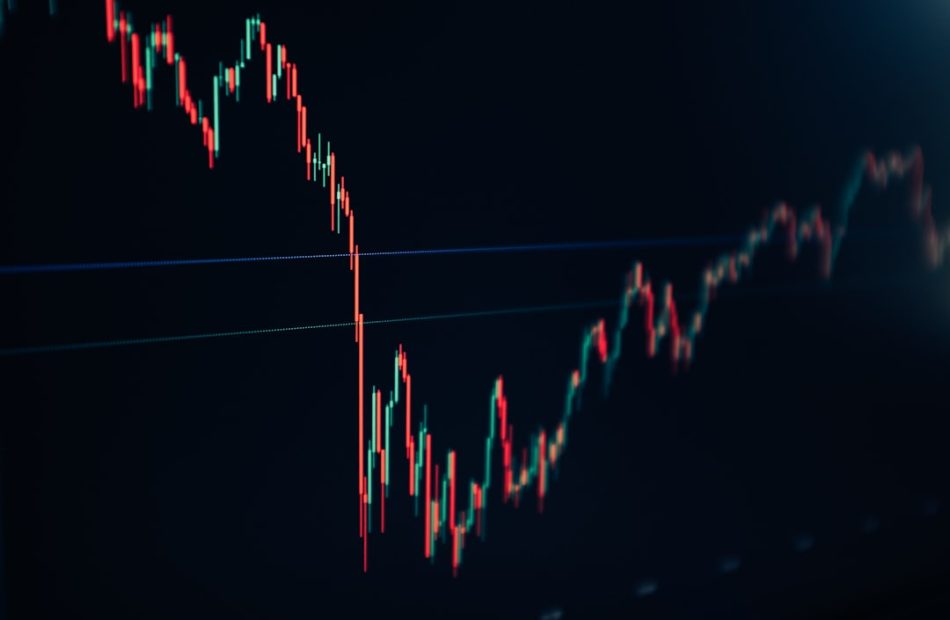
Mastering the Art of Japanese Candlestick Patterns: Your First Step to Reading Market Psychology
Have you ever looked at a price chart and felt like you were missing a secret language? If so, you’re not alone. For centuries, Japanese rice traders used a simple yet powerful visual tool to track price movements—and today, we call them candlestick charts. In this post, we’ll demystify the most essential Japanese candlestick patterns, showing you how to read market sentiment like a pro. By the end, you’ll spot bullish and bearish signals with confidence, turning chaotic price action into a clear story of supply and demand.
How It Works
Every candlestick tells a story. The body represents the open-to-close range, while the wicks (or shadows) show the high and low. But the real magic lies in patterns—groups of one, two, or three candles that reveal the emotional battle between buyers and sellers. When you learn to recognize these formations, you start seeing where the market is likely to reverse or continue its trend.
The Setup: Key Candlestick Patterns You Need to Know
Let’s break down the most reliable patterns for beginners and intermediate traders alike.
Looking for altcoin opportunities and smooth trading? Try KuCoin.
1. Single-Candle Patterns
- Doji: A candle with a tiny body, where open and close are nearly equal. It signals indecision. A Doji after a strong uptrend warns of a potential reversal; after a downtrend, it hints at a bottom.
- Hammer: A small body with a long lower wick (at least twice the body). Found at the end of a downtrend, it suggests buyers are stepping in to push prices back up. The long wick shows rejection of lower prices.
- Shooting Star: The opposite of a Hammer—a small body with a long upper wick, appearing after an uptrend. It indicates sellers are taking control, and a bearish reversal may follow.
2. Two-Candle Patterns
- Bullish Engulfing: A small red (bearish) candle is followed by a larger green (bullish) candle that completely ‘engulfs’ the previous body. This signals a strong shift from selling to buying pressure.
- Bearish Engulfing: The reverse—a small green candle followed by a larger red candle that engulfs it. This warns of a potential top and a move lower.
- Piercing Line: In a downtrend, a red candle is followed by a green candle that opens lower but closes above the midpoint of the previous red candle. It shows buyers are gaining strength.
- Dark Cloud Cover: The bearish cousin of the Piercing Line. A green candle is followed by a red candle that opens higher but closes below the midpoint of the previous green candle. Expect selling pressure.
3. Three-Candle Patterns
- Morning Star: A three-candle reversal pattern at the bottom of a downtrend. First is a long red candle, then a small-bodied candle (Doji or spinning top) that gaps down, and finally a long green candle that closes well into the first red candle. This is a powerful bullish signal.
- Evening Star: The bearish version. A long green candle, a small-bodied candle that gaps up, followed by a long red candle that closes deep into the first green. Watch for a trend reversal to the downside.
- Three White Soldiers: Three consecutive long green candles, each closing higher than the previous. This indicates strong, sustained buying pressure and a continuation of an uptrend.
- Three Black Crows: Three consecutive long red candles, each closing lower than the last. This signals aggressive selling and a potential continuation of a downtrend.
Putting It All Together: A Simple Trading Setup
1. Identify the trend: Use a moving average or trendline to confirm whether the market is trending up, down, or sideways.
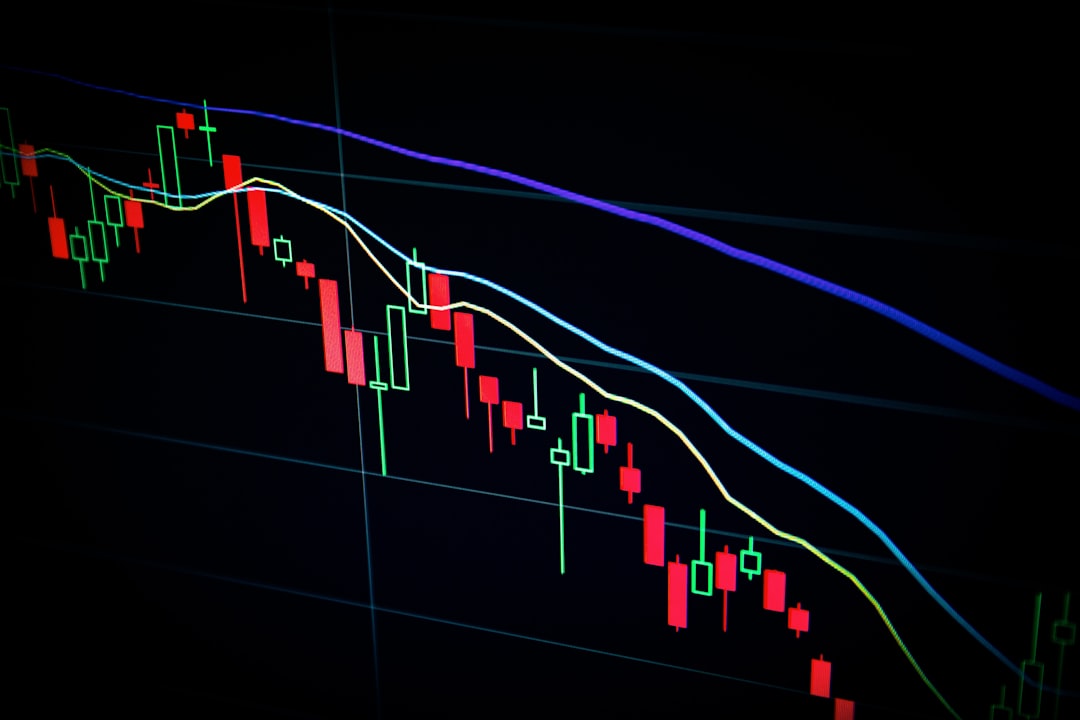
2. Wait for a key pattern: Look for a reversal pattern (like Hammer, Engulfing, or Morning Star) at a support level in an uptrend, or at a resistance level in a downtrend.
3. Confirm with volume: Higher volume on the pattern candle adds credibility. For example, a Bullish Engulfing with above-average volume is much stronger.
4. Enter the trade: Place a buy order above the high of the pattern candle (for bullish setups) or a sell order below the low (for bearish setups).
Risk Management: Protecting Your Capital
Even the most beautiful candlestick pattern can fail. Here’s how to stay safe:
- Set a stop-loss: For bullish patterns, place your stop below the lowest wick of the pattern. For bearish patterns, place it above the highest wick.
- Risk only 1-2% per trade: Never risk more than a small portion of your account on any single setup.
- Look for confluence: Combine patterns with other indicators like RSI or MACD, or with support/resistance levels. The more evidence, the better.
- Don’t chase: If the price has already moved far past your entry point, wait for the next opportunity. Patience is a trader’s superpower.
Conclusion
Japanese candlestick patterns are not just pretty shapes—they are a window into the collective psychology of the market. By learning to read these patterns, you gain an edge in anticipating price movements before they happen. Start by practicing on a demo account, focus on just a few patterns (like Engulfing and Doji), and gradually expand your toolkit. Remember, no pattern is 100% accurate, but combined with solid risk management, they can transform your trading from guesswork to a disciplined art. Happy trading!
Using Etherscan: Tracking Whales and Verifying Transactions – The Ultimate Guide
Etherscan is the most widely used block explorer for Ethereum, offering a transparent window into on-chain activity. Whether you’re a new investor trying to verify a transaction or a seasoned trader tracking whale movements, mastering Etherscan can give you a significant edge. This guide covers everything you need to know about using Etherscan to track whales and verify transactions, with pro tips to maximize your efficiency.
Key Concepts
1. What is Etherscan? Etherscan is a blockchain explorer that allows users to search and view Ethereum transactions, addresses, tokens, and smart contracts. It provides real-time data on block confirmations, gas fees, and token transfers.
2. How to Verify a Transaction To verify a transaction, simply paste the transaction hash (TxHash) into the Etherscan search bar. You’ll see details like status (Success/Pending/Failed), block number, timestamp, from/to addresses, value transferred, and gas used. Always check the ‘Status’ field – a ‘Success’ status confirms the transaction was executed.
3. Tracking Whales Whales are large holders whose moves can influence market prices. Use Etherscan’s ‘Top Accounts’ page to see the richest Ethereum addresses. For real-time whale alerts, filter by large transactions (e.g., >$100k) using the ‘Advanced Filter’ on the ‘Transactions’ tab. You can also monitor specific whale addresses by bookmarking them or using third-party tools that integrate with Etherscan’s API.
4. Token Transfers Use the ‘Token Transfers’ tab to track ERC-20 token movements. This is crucial for identifying when whales are accumulating or dumping specific tokens. Look for large inflows to exchanges – a common sign of potential selling pressure.
Pro Tips
- Use the ‘Internal Transactions’ tab: Some smart contract interactions don’t appear in the main transaction list. Check ‘Internal Txns’ to see hidden transfers, especially when tracking DeFi whale activity.
- Set up custom alerts: While Etherscan doesn’t have native alerts, you can use its API with services like Telegram bots to get notified when a specific address moves funds.
- Analyze gas prices: Whales often pay higher gas to prioritize their transactions. Monitoring gas spikes can help you spot large pending moves before they hit the mempool.
- Check contract source code: For verified contracts, click the ‘Contract’ tab to read the source code. This helps you understand tokenomics and potential risks before interacting with a new token.
FAQ Section
Q: Is Etherscan free to use? Yes, Etherscan is free for basic searches. Advanced API access may require a paid plan.
Q: Can I track whale movements in real-time? Etherscan updates every ~15 seconds. For real-time alerts, use third-party tools like Whale Alert or set up your own bot with Etherscan’s API.
Q: How do I know if a transaction is confirmed? Look for ‘Status: Success’ and a high number of block confirmations (usually 12+ for high-value transactions).
Q: What does ‘Out of Gas’ mean? It means the transaction failed because the gas limit was too low. The sender still pays the gas fee, but the transaction is not executed.
For more details on this, check out our guide on Bitcoin RSI Plunges to Lowest Since 2018 as Traders Eye $64K Breakout.
You might also be interested in reading about Understanding Gas Fees: How to Save Money on Ethereum.
Conclusion
Etherscan is an indispensable tool for anyone active in the Ethereum ecosystem. By learning to verify transactions and track whale movements, you can make more informed decisions, avoid scams, and spot market trends early. Start with the basics – verifying your own transactions – then gradually explore advanced features like internal transactions and contract analysis. Combine this with low-fee trading on platforms like MEXC to maximize your profitability. Happy tracking!
DePIN Explained: Earning Passive Income with Infrastructure
Decentralized Physical Infrastructure Networks (DePIN) are reshaping how we think about ownership, connectivity, and passive income. By tokenizing real-world assets like wireless hotspots, storage drives, and energy grids, DePIN allows anyone to earn rewards for contributing physical infrastructure to a decentralized network. This guide breaks down the essentials, from how DePIN works to actionable tips for maximizing your earnings.
Key Concepts
- What is DePIN? DePIN stands for Decentralized Physical Infrastructure Networks. It uses blockchain tokens to incentivize individuals to deploy and maintain physical hardware (e.g., routers, sensors, solar panels) that provides real-world services like internet connectivity, data storage, or energy distribution.
- Token Incentives Participants earn native tokens for contributing resources. For example, Helium hotspots earn HNT for providing wireless coverage, while Filecoin miners earn FIL for storing data.
- Passive Income Potential Once your hardware is set up and connected, rewards are typically distributed automatically based on usage, uptime, or proof of contribution. This creates a recurring income stream with minimal ongoing effort.
- Network Effects The value of a DePIN network grows as more participants join, improving service coverage and reliability. Early adopters often benefit from higher rewards before competition increases.
Pro Tips
- Start with proven networks – Choose established projects like Helium (IoT), Filecoin (storage), or Render Network (GPU computing) to reduce risk.
- Calculate ROI before buying hardware – Factor in device cost, electricity, internet bandwidth, and potential token price volatility. Use community calculators to estimate daily earnings.
- Diversify across multiple DePIN projects – Spread your hardware investments across different sectors (connectivity, storage, compute) to hedge against network-specific risks.
- Stay updated on tokenomics – Reward rates can change as networks mature. Follow official announcements and community forums to adjust your strategy.
💡 Pro Tip
Looking for altcoin opportunities and smooth trading? Try KuCoin.
FAQ Section
What is the minimum investment to start earning with DePIN?
It varies by project. Some, like Helium, require a hotspot device costing $200–$500. Others, like Filecoin, need significant storage hardware (often $1,000+). There are also cloud-based DePIN options where you can stake tokens without physical hardware.
Is DePIN passive income truly passive?
Mostly yes, but some maintenance is required – firmware updates, internet stability checks, and occasional hardware troubleshooting. Rewards are automated once the device is online and verified.
How are DePIN rewards taxed?
In most jurisdictions, token rewards are considered taxable income at the time of receipt. Selling tokens may trigger capital gains tax. Consult a tax professional familiar with crypto.
Can I lose money with DePIN?
Yes. Hardware costs may not be recouped if token prices drop or network rewards decline. There is also risk of network obsolescence or regulatory changes. Only invest what you can afford to lose.
Conclusion
DePIN represents a compelling frontier for generating passive income by contributing to decentralized infrastructure. With careful project selection, realistic ROI expectations, and ongoing community engagement, you can build a diversified portfolio of physical nodes that earn rewards around the clock. For more details on this, check out our guide on Private Credit on Blockchain: Earning High Yields. You might also be interested in reading about The Golden Cross: Your First Step into Trend-Following Trading.
AI and Crypto Payments: Why Autonomous Agents Need New Payment Rails Explained
Did you know that in a controlled study, frontier AI models chose Bitcoin nearly half the time over traditional money when given the option? This isn’t just a quirky experiment—it points to a fundamental shift in how machines might handle money in the near future. As artificial intelligence advances, autonomous AI agents capable of making their own financial decisions are likely just two to three years away from mainstream commercial use, according to industry expert Alex Kozenko, Chief Marketing Officer at WhiteBIT. But there’s a catch: today’s payment systems were designed for humans, not machines. This guide explains the emerging intersection of AI and crypto payments, why programmable payment rails matter, and what it means for the future of autonomous transactions. You’ll learn the key infrastructure challenges, what recent studies reveal about AI’s monetary preferences, and how companies are preparing for this shift.
Read time: 10-12 minutes
Understanding Autonomous AI Payments for Beginners
Autonomous AI payments refer to financial transactions initiated and completed by artificial intelligence agents without direct human intervention. Think of it like a smart assistant that doesn’t just recommend what to buy—it actually buys it for you, using its own digital wallet. These AI agents might negotiate prices, pay for cloud computing services automatically, or even trade assets based on pre-programmed strategies.
Why is this becoming important? Traditional payment systems—credit cards, bank transfers, even many digital wallets—were built for human users who manually approve each transaction. They operate during business hours, require human authentication, and often lack the programmability that machines need. AI agents need payment rails that are available 24/7, programmable, and compatible with machine-to-machine communication.
A real-world example: Imagine an AI agent managing a decentralized autonomous organization (DAO) treasury. It needs to pay for server costs at 3 AM on a Sunday. With traditional banking, that transaction would have to wait until Monday. With crypto payment rails, it happens instantly, automatically, and securely.
The Technical Details: How AI and Crypto Payment Systems Actually Work
For AI agents to handle payments autonomously, several key components need to work together:
1. Programmable Payment Rails: These are digital infrastructure systems that allow transactions to be initiated by code, not just humans. Smart contracts on blockchain networks like Ethereum are a prime example—they execute automatically when conditions are met.
2. Machine-Readable Interfaces: Payment systems must be understandable and usable by software, not just people. This means APIs (Application Programming Interfaces) that AI agents can call programmatically.
3. Always-On Availability: Unlike traditional banks that close on weekends and holidays, crypto networks operate 24/7, 365 days a year. This is critical for AI agents that may need to transact at any time.
4. Digital-Native Money: The form of money itself matters. Stablecoins (digital tokens pegged to fiat currency like the US dollar) and cryptocurrencies like Bitcoin are inherently digital and programmable, making them natural choices for machine-driven transactions.
Why this structure matters for you: Understanding these components helps you see why crypto infrastructure, despite its volatility and complexity, is being seriously considered for the next wave of automated commerce. The technology already exists—the challenge is making it practical and secure at scale.
Current Market Context: Why This Matters Now
As of July 2026, the conversation around AI and crypto payments has shifted from theoretical to practical. Alex Kozenko’s comments to Bitcoin.com News highlight that industry leaders are already thinking about infrastructure decisions today that will shape the next decade of autonomous commerce.
A key data point comes from a March 2026 Bitcoin Policy Institute study that tested 36 frontier AI models from companies including Anthropic, DeepSeek, Google, MiniMax, OpenAI, and xAI. The models were presented with 9,072 open-ended monetary scenarios. The results were striking:
- Bitcoin was selected in 48.3% of all responses—more than any other option
- Stablecoins followed at 33.2% of responses
- Over 90% of responses favored digitally native money (including stablecoins) over traditional fiat
- No model chose fiat as its top preference
The study also revealed a split by use case: Bitcoin dominated store-of-value scenarios at 79.1%, while stablecoins led everyday payment scenarios at 53.2%.
While this doesn’t prove how real AI agents will behave in commercial settings, it strongly suggests that digital-native money is naturally aligned with how AI models think about value transfer. This has significant implications for payment infrastructure design.
Competitive Landscape: How Different Payment Systems Compare for AI Agents
| Feature | Traditional Banking | Crypto Networks (e.g., Bitcoin, Ethereum) | Stablecoin Systems (e.g., USDC, USDT) |
|---|---|---|---|
| Availability | Business hours + banking days | 24/7/365 | 24/7/365 |
| Programmability | Limited (batch processing, APIs exist but complex) | Full (smart contracts, programmable money) | Full (smart contract compatible) |
| Transaction Speed | 1-3 business days (cross-border) | Minutes (Bitcoin), seconds (Ethereum with L2) | Seconds to minutes |
| Machine Readability | Low (designed for human interfaces) | High (APIs, web3 libraries) | High (compatible with crypto infrastructure) |
| Setback/Human Approval | Required at multiple points | Optional (smart contract logic) | Optional |
| Regulatory Clarity | Clear and established | Evolving (varies by jurisdiction) | Mixed (MiCA in EU, unclear elsewhere) |
Why this matters: For companies building AI payment systems, the choice of infrastructure directly impacts how fast, reliable, and compliant autonomous transactions can be. Traditional banking offers regulatory clarity but lacks the programmability and always-on availability that AI agents require. Crypto networks offer the technical features but face regulatory uncertainty.
Practical Applications: Real-World Use Cases
Why should the average crypto user care about this emerging trend?
- Automated Treasury Management: DAOs and crypto projects can use AI agents to automatically rebalance treasuries, pay contributors, and manage risk without human oversight.
- Machine-to-Machine Payments: IoT devices (smart cars, vending machines, energy grids) could pay each other for services—a smart car paying for charging, for example.
- Autonomous Trading Bots: More sophisticated AI agents could execute complex trading strategies across multiple exchanges, automatically moving funds between stablecoins and volatile assets based on market conditions.
- Content Monetization: AI agents that generate content (articles, images, music) could automatically collect payments and distribute royalties.
- Supply Chain Automation: AI agents managing logistics could automatically pay suppliers, customs fees, and shipping costs as goods move through the supply chain.
Risk Analysis: Expert Perspective
Primary Risks:
1. Technical Risk: Building machine-readable interfaces that are both secure and functional is a significant engineering challenge. Poorly designed systems could be exploited by malicious actors.
2. Regulatory Risk: The regulatory landscape for both AI and crypto payments is highly uncertain. The SEC’s Howey Test, MiCA regulations in the EU, and varying state laws in the US create a complex compliance environment.
3. Security Risk: Autonomous agents with access to funds are attractive targets. If an AI agent is compromised, an attacker could drain its wallet before human oversight can intervene.
4. Coordination Risk: Upgrading existing payment infrastructure to be AI-compatible requires coordination across banks, payment processors, regulators, and technology providers.
Mitigation Strategies:
- Multi-Signature Wallets: Requiring multiple approvals (even from different AI agents) before funds can move.
- Spending Limits: Programmable caps on how much an AI agent can spend in a given period.
- Human-in-the-Loop Overrides: For high-value transactions, requiring human approval even for autonomous agents.
- Gradual Deployment: Starting with low-value, non-critical transactions before scaling to larger operations.
Expert Consensus: According to Kozenko, we’re “probably still two to three years away from agentic payments becoming a mainstream commercial reality.” This means the current moment is ideal for planning and building infrastructure, not rushing to deployment.
Beginner’s Corner: How to Prepare for AI-Driven Payments
Step 1: Understand the Basics – Learn how smart contracts and stablecoins work. These are the foundational technologies for autonomous payments.
Step 2: Explore Programmable Wallets – Try using a wallet that supports smart contract interactions (like MetaMask or Rabby) to understand how machines can interact with money.
Step 3: Follow the Key Players – Watch developments from projects like Ethereum (for smart contracts), Circle (for USDC), and companies building AI infrastructure (like Coinbase Cloud).
Step 4: Stay Informed on Regulation – Monitor how regulators in your jurisdiction (SEC, ESMA, etc.) are approaching AI-driven finance.
Step 5: Think About Security – If you’re building with AI agents, always use hardware wallets and multi-signature setups for any funds controlled by software.
Common Mistakes to Avoid:
- Assuming traditional payment systems can handle AI needs (they can’t yet)
- Giving AI agents full control without safeguards
- Ignoring regulatory changes in your jurisdiction
- Overlooking the importance of machine-readable interfaces
Future Outlook: What’s Next
The path to mainstream autonomous agent payments is becoming clearer:
1. Infrastructure Building (2026-2027): Companies are designing payment systems with machine-readable interfaces. Kozenko emphasizes that “the infrastructure decisions being made today will define what that future looks like.”
2. Early Commercial Use (2027-2028): The first wave of agentic payments will likely emerge in controlled environments—cloud services, automated trading, DAO management—where programmers can carefully manage risk.
3. Mainstream Adoption (2028+): As machine-readable interfaces mature and regulatory frameworks develop, autonomous payments could expand to retail, supply chains, and everyday commerce.
What’s less certain: How traditional payment networks (Visa, Mastercard, ACH) will adapt to compete with crypto-based alternatives. Whether regulatory frameworks will keep pace or slow adoption. And whether the public will trust AI agents with their money.
Key Takeaways
- Autonomous AI payments require payment rails built for machines, not humans—crypto infrastructure’s programmability and 24/7 availability make it a natural fit.
- Industry experts estimate agentic payments are 2-3 years away from mainstream commercial use, making current infrastructure decisions critical.
- A recent study found that frontier AI models strongly prefer digitally native money (Bitcoin and stablecoins) over traditional fiat in controlled experiments.
- Machine-readable interfaces are the key technical challenge—payment systems must be understandable and usable by software, not just people.
,
“datePublished”: “2026-07-03”,
“dateModified”: “2026-07-04”,
“mainEntity”: {
“@type”: “Thing”,
“name”: “Autonomous AI Payments”
}
}
Risks of Investing in Real World Assets: A Candid Guide
Real World Assets (RWAs) represent a transformative asset class that bridges traditional finance (TradFi) and decentralized finance (DeFi). By tokenizing tangible or intangible assets—such as real estate, bonds, commodities, and credit—on a blockchain, RWAs enable fractional ownership, 24/7 liquidity, and enhanced transparency. However, the off-chain nature of these assets introduces unique risks that investors must understand before allocating capital.
How It Works: The Technical Process
Tokenizing a real-world asset involves several critical steps:
- Asset Selection & Valuation: An asset (e.g., a commercial property) is identified and appraised by a third-party auditor.
- Special Purpose Vehicle (SPV): The asset is placed into a legal SPV to isolate it from the issuer’s balance sheet and ensure legal ownership.
- Tokenization: The SPV issues digital tokens on a blockchain (e.g., Ethereum, Polygon) representing fractional ownership rights.
- Oracle Integration: Oracles (e.g., Chainlink) feed off-chain data—like property valuations or interest rates—onto the blockchain to maintain accurate token pricing.
- Secondary Trading: Tokens are listed on decentralized or centralized exchanges, allowing investors to buy, sell, or lend against them.
Investment Analysis: Pros, Cons, and Key Risks
Pros
- Fractional Ownership: Lowers the barrier to entry for high-value assets like real estate or fine art.
- Liquidity: 24/7 trading on global markets, unlike traditional real estate or private credit.
- Transparency: On-chain records of ownership, transaction history, and yield distributions.
Cons & Risks
- Regulatory Uncertainty: Jurisdictions vary widely on tokenized securities. The SEC may classify tokens as securities, triggering compliance costs. Reports from BlackRock highlight that regulatory clarity is the top barrier to institutional adoption.
- Smart Contract Risk: Bugs or exploits in the token contract or the underlying blockchain can lead to total loss. Data from RWA.xyz shows that over $200 million in RWA protocols have been exploited since 2021.
- Oracle Manipulation: If an oracle provides false data (e.g., inflated property value), token prices can become mispriced, leading to arbitrage or liquidation cascades.
- Illiquidity of Underlying Asset: While tokens trade 24/7, the underlying asset (e.g., a building) may take months to sell in a downturn, creating a mismatch between token price and real value.
- Custody & Legal Risks: The SPV or custodian holding the off-chain asset could be hacked, go bankrupt, or face legal challenges, leaving token holders with worthless claims.
For a broader market view, check out our analysis on Brent Crude Surges Past $115 as Trump Signals Extended Iran Naval Blockade.
Investors often compare this to The Stochastic Dip Hunter: How to Buy Pullbacks Like a Pro.
Tool Recommendation
For the best charting tools to spot price patterns and analyze RWA token performance, try Bitget. Their advanced interface supports real-time data feeds and customizable indicators, making it easier to track volatile RWA markets.
FAQ Section
Question: What happens if the underlying asset is destroyed or loses value?
Answer: Token holders typically have a pro-rata claim on the SPV’s remaining value. Insurance policies may cover physical damage, but market depreciation is not insured. Always read the offering documents for specific risk disclosures.
Question: Are RWA tokens considered securities?
Answer: In most jurisdictions, yes—if the token represents an investment contract with an expectation of profit from the efforts of others. The SEC’s Howey Test is commonly applied. Always consult a legal advisor before investing.
Question: How can I verify that the off-chain asset actually exists?
Answer: Reputable issuers provide third-party audit reports, legal title documents, and real-time oracle feeds. Platforms like RWA.xyz aggregate verified data from multiple sources. Avoid projects that lack transparent audit trails.
Conclusion
Real World Assets offer a compelling way to combine the stability of traditional investments with the efficiency of blockchain technology. However, the risks—regulatory, smart contract, oracle, and custody—are significant and require thorough due diligence. For most retail investors, allocating no more than 5–10% of a diversified portfolio to RWAs is prudent. As the ecosystem matures, clearer regulations and better insurance products may reduce these risks, but for now, caution is warranted.
Using Etherscan: Tracking Whales and Verifying Transactions – The Ultimate Guide
Etherscan is the leading blockchain explorer for the Ethereum network, offering unparalleled transparency into on-chain activity. Whether you’re a retail investor looking to follow the moves of crypto whales or a developer verifying a transaction, mastering Etherscan is essential. This guide will walk you through how to track large holders, verify transactions, and leverage advanced features to stay ahead in the crypto market.
Key Concepts
1. What is Etherscan?
Etherscan is a block explorer and analytics platform for Ethereum. It allows users to search for transactions, addresses, tokens, and smart contracts on the Ethereum blockchain. Think of it as a public ledger where every action is recorded and visible to anyone.
2. Tracking Whales on Etherscan
Whales are addresses or entities that hold large amounts of cryptocurrency. To track them:
- Use the ‘Top Accounts’ page: Navigate to Accounts > Top Accounts on Etherscan to see the richest Ethereum addresses by balance.
- Monitor whale transactions: Use the ‘Transactions’ tab on any whale address to see their recent moves. Look for large transfers to exchanges (which may indicate selling) or to cold wallets (accumulation).
- Set up alerts: Use Etherscan’s ‘Watch List’ feature to get email notifications when a specific address makes a transaction.
- Leverage token holdings: On the ‘Token Holdings’ tab, you can see which ERC-20 tokens a whale holds and in what quantities.
3. Verifying Transactions
Transaction verification ensures that a transfer actually occurred on-chain. Steps:
- Copy the transaction hash (TxHash) from your wallet or exchange.
- Paste it into the Etherscan search bar.
- Review the details: status (Success/Pending/Failed), block number, timestamp, from/to addresses, value, and gas fees.
- Check the ‘Internal Transactions’ tab for any nested calls (e.g., DeFi interactions).
4. Advanced Features
- Token Approval Checker: Use More > Token Approvals to see which smart contracts have permission to spend your tokens.
- Contract Verification: Developers can verify their smart contract source code to build trust.
- Gas Tracker: Monitor real-time gas prices to optimize transaction fees.
Pro Tips
- Use the ‘Whale Alert’ alternative: While Whale Alert tracks large transactions across multiple chains, Etherscan gives you granular control over Ethereum-specific movements.
- Analyze whale behavior: Look for patterns—whales often move funds before major market moves. For example, a sudden transfer to Binance or Coinbase may precede a sell-off.
- Check for ‘dusting’ attacks: If you receive tiny amounts of ETH or tokens from unknown addresses, it could be a phishing attempt. Verify the source on Etherscan before interacting.
- Bookmark whale addresses: Keep a list of known whale addresses (e.g., Vitalik Buterin, large DeFi protocols) for quick monitoring.
💡 Pro Tip
Looking for altcoin opportunities and smooth trading? Try KuCoin.
FAQ Section
Q: Is Etherscan free to use?
A: Yes, Etherscan is free for basic use. However, advanced features like API access, custom alerts, and priority support require a paid subscription (Etherscan Pro).
Q: Can I track Bitcoin whales on Etherscan?
A: No, Etherscan only covers the Ethereum blockchain. For Bitcoin, use a Bitcoin explorer like Blockchain.com or Mempool.space.
Q: How do I know if a transaction is confirmed?
A: On the transaction page, look for the ‘Status’ field. It will show ‘Success’ once the transaction is included in a block and confirmed. For most transactions, 12 confirmations are considered final.
Q: What is the difference between ‘Internal Transactions’ and ‘Transactions’?
A: ‘Transactions’ are top-level calls initiated by an externally owned account (EOA). ‘Internal Transactions’ are calls made by smart contracts during execution (e.g., a Uniswap swap that triggers multiple token transfers).
Q: Can I use Etherscan to verify a smart contract?
A: Yes, developers can submit their source code to Etherscan for verification. This allows users to see the contract’s code and confirm it matches the deployed bytecode.
Conclusion
Etherscan is an indispensable tool for anyone serious about crypto. By learning to track whales and verify transactions, you gain a significant edge in understanding market dynamics and ensuring the security of your own transfers. Start by exploring the top accounts, setting up watch lists, and practicing transaction verification. For more details on this, check out our guide on Stop Loss Placement: Three Smart Strategies to Protect Your Crypto Trades. You might also be interested in reading about Unlocking Bitcoin’s Next Frontier: How to Trade the Layer-2 Ecosystem.
Remember: transparency is the foundation of trust in crypto. Etherscan puts that transparency at your fingertips—use it wisely.
Shielded Labs Warns Ironwood Delay Could Disrupt Zcash Upgrade
July 3, 2026 — Shielded Labs has raised the possibility of delaying Zcash’s Ironwood network upgrade, citing readiness concerns among exchanges, mining pools, and wallet providers ahead of the planned late July activation. The warning comes as ecosystem participants simultaneously migrate from the legacy zcashd software to the new Z3 stack.
Immediate Details & Direct Quotes
Want to trade this news? Bitget offers professional charting tools and deep liquidity.
According to a July 3 post on the Zcash community forum by Shielded Labs executive director Jason McGee, the network is attempting to complete two major changes at the same time. Alongside the Ironwood upgrade, infrastructure providers must replace Zcash’s long-running node and wallet software, zcashd, with the Z3 software suite — consisting of Zebra for nodes, Zaino for blockchain data, and Zallet for wallet functionality.
“Feedback from ecosystem participants showed mixed levels of preparedness,” McGee said. While some operators believe they can complete the migration before the planned activation window, others indicated they will require additional time to deploy and test the new software. He added that no decision has been made to postpone Ironwood.
The retirement of zcashd presents significant hurdles. According to Zcash’s official migration guidance, some features available in zcashd will not have direct replacements, meaning operators may need to modify their own infrastructure before switching. McGee also stated that both Zallet and Zaino remain under development and are not yet considered production-ready.
Market Context & Reaction
The overlap between the software migration and Ironwood activation has created a practical challenge for network participants. Delaying Ironwood could extend uncertainty around Zcash’s shielded supply, while proceeding without sufficient preparation could leave exchanges, mining pools, and wallet providers struggling to complete the migration safely.
Zcash founder Zooko Wilcox addressed the situation on July 2 via an X post linking to McGee’s update. Wilcox noted that recent security reviews have not uncovered any additional serious vulnerabilities in the new implementation. Developers are continuing to verify the upgraded system before Ironwood is activated, while discussions remain ongoing over whether additional preparation time is needed for ecosystem participants.
The migration involves exchanges, wallets, and mining pools transitioning simultaneously from zcashd to the Z3 stack — a complex infrastructure shift that typically requires weeks of testing and coordination across multiple parties.
Background & Historical Context
Ironwood was proposed after researchers identified an “infinity” bug in Orchard, Zcash’s primary shielded transaction pool. According to the development team, the vulnerability could theoretically have allowed an attacker to create unlimited counterfeit ZEC inside Orchard without immediate detection. Developers said they found no evidence that the flaw had ever been exploited.
Because Orchard’s privacy protections prevent anyone from proving that no counterfeit coins were created, Ironwood introduces a replacement shielded pool and closes Orchard to new activity. Funds leaving Orchard would pass through an accounting checkpoint that prevents more ZEC from exiting than originally entered, allowing users to verify that the circulating supply stays within the protocol’s intended limits.
Earlier this year, developers temporarily disabled Orchard transactions through an emergency network update after disclosing the vulnerability while work on Ironwood continued. The upcoming upgrade forms the permanent solution intended to restore confidence in the network’s shielded supply.
What This Means
The Ironwood upgrade represents the permanent fix for Zcash’s shielded supply integrity after the Orchard infinity bug disclosure. If delayed, holders and traders may face extended uncertainty regarding the protocol’s shielded transaction security and token supply verification.
Short-term implications include potential disruption to exchange listing timelines and wallet integrations if the migration from zcashd to Z3 requires more preparation time than anticipated. Operators who cannot complete the transition before Ironwood activation may face service interruptions.
Long-term, the successful deployment of both Ironwood and the Z3 stack would modernize Zcash’s infrastructure and restore confidence in its privacy features. Upcoming milestones include final testing of Zallet and Zaino, continued ecosystem coordination, and a final decision on the Ironwood activation timeline as discussions between Shielded Labs and infrastructure providers progress.
—