
How SPVs Protect RWA Investors: A Complete Guide
Real World Assets (RWAs) represent a transformative asset class that bridges traditional finance (TradFi) and decentralized finance (DeFi). By tokenizing tangible or intangible assets—such as real estate, bonds, commodities, and credit—on a blockchain, RWAs enable fractional ownership, 24/7 liquidity, and unprecedented transparency. However, the off-chain nature of these assets introduces unique risks. This is where Special Purpose Vehicles (SPVs) play a critical role in protecting investors.
Off-Chain vs. On-Chain: The Core Challenge
RWAs exist in two layers: the off-chain legal title (e.g., a property deed) and the on-chain token (e.g., a digital representation). Without a robust legal structure, token holders may have no enforceable claim to the underlying asset. SPVs solve this by acting as a legal wrapper that holds the asset off-chain, while the blockchain records ownership of tokens representing shares in the SPV. This ensures that token holders have a direct, legally recognized interest in the asset.
How SPVs Work in RWA Tokenization
The technical process involves several key steps:
- Asset Selection & Due Diligence: An asset (e.g., a commercial property) is identified and valued by third-party auditors.
- SPV Formation: A legal entity (the SPV) is created to hold the asset. This entity is bankruptcy-remote, meaning its liabilities are separate from the issuer.
- Tokenization: The SPV issues digital tokens on a blockchain (e.g., Ethereum) that represent fractional ownership. Each token corresponds to a pro-rata share of the SPV’s equity or debt.
- Oracle Integration: Oracles (e.g., Chainlink) feed real-world data—such as asset valuations, rental income, or interest payments—onto the blockchain, enabling smart contracts to automate distributions.
- Secondary Market Trading: Tokens can be traded on compliant exchanges, providing liquidity that traditional private assets lack.
Investment Analysis: Pros, Cons, and Risks
SPV-based RWA investing offers compelling advantages but also carries distinct risks.
Pros
- Legal Protection: SPVs isolate the asset from the issuer’s bankruptcy, safeguarding investor claims.
- Fractional Ownership: Low minimum investments allow retail investors access to institutional-grade assets.
- Transparency: On-chain records provide immutable proof of ownership and transaction history.
- Liquidity: Secondary markets enable 24/7 trading, unlike traditional private placements.
Cons
- Regulatory Complexity: SPVs must comply with securities laws in multiple jurisdictions, increasing legal costs.
- Smart Contract Risk: Bugs or exploits in token contracts could lead to loss of funds.
- Oracle Dependency: Inaccurate data feeds can trigger incorrect distributions or liquidations.
Risks
- Regulatory Risk: Changing laws (e.g., SEC classification of tokens as securities) could impact token tradability.
- Counterparty Risk: The SPV’s administrator or custodian may act maliciously or become insolvent.
- Market Risk: The underlying asset’s value may decline, leading to token depreciation.
For a broader market view, check out our analysis on ETH/SOL Ratio Trading: A Smarter Way to Play the Layer-1 Battle. Investors often compare this to The Rise of AI Agents in Crypto: A Complete Guide.
Tool Recommendation
For investors seeking exposure to RWA tokens or other altcoin opportunities, a reliable platform is essential. KuCoin offers a wide range of RWA-related tokens with competitive fees and robust security. Looking for altcoin opportunities and smooth trading? Try KuCoin. https://www.kucoin.com/r/af/rBPFKE7
Frequently Asked Questions
What happens if the SPV issuer goes bankrupt?
Because the SPV is a separate legal entity, its assets are not part of the issuer’s bankruptcy estate. Token holders retain their claim to the underlying asset, which is held by the SPV. However, legal proceedings may delay distributions.
Are RWA tokens considered securities?
In most jurisdictions, tokens representing ownership in an SPV are classified as securities under the Howey Test (U.S.) or equivalent regulations. Issuers must comply with securities laws, including registration or exemption requirements.
How do oracles ensure data accuracy for RWAs?
Oracles aggregate data from multiple trusted sources (e.g., property appraisers, bond issuers) and use consensus mechanisms to verify accuracy. Leading networks like Chainlink also employ decentralized node operators to reduce manipulation risk.
Conclusion
Special Purpose Vehicles are the backbone of secure RWA tokenization, providing the legal and structural framework that protects investors from issuer insolvency and ensures enforceable ownership rights. While regulatory and smart contract risks remain, the combination of SPVs with blockchain technology offers a powerful way to democratize access to real-world assets. As the ecosystem matures, SPVs will likely become the standard for compliant, investor-protected RWA offerings.
Crypto M&A Explained: What the Surge to $7.23 Billion Means for Investors
Did you know that while the number of active crypto investors just hit its lowest level since 2020, the money flowing into crypto acquisitions surged to $7.23 billion in a single quarter? That’s a 26-fold increase in just six months. This surprising trend reveals a major shift in how capital moves through the crypto ecosystem—from many small bets to fewer, much larger strategic deals. For crypto learners and retail investors, understanding this change is crucial for spotting where the real value and opportunity are heading in 2026. This guide explains the M&A boom without jargon, shows what it means for startups and investors, and helps you navigate a market that’s becoming more selective and consolidated.
Read time: 10-12 minutes
Understanding Crypto M&A for Beginners
Crypto M&A (Mergers and Acquisitions) is when one crypto company buys another company, often to gain technology, market share, or talent. Think of it like a larger coffee shop chain buying a smaller, trendy local café to get its secret recipe and loyal customers. Instead of building everything from scratch, companies use M&A to grow faster.
Why does this matter now? The crypto market is maturing. In 2021-2022, thousands of venture capital firms were throwing money at hundreds of small crypto projects. Today, that number of active investors has dropped from over 2,500 to just 651—the lowest since 2020. The money hasn’t disappeared; it’s just concentrating. Bigger players like a16z Crypto, Coinbase Ventures, and Animoca Brands are now leading the charge, making fewer but larger bets.
A real-world example: In May 2026, Bullish (a crypto exchange) acquired Equiniti for $4.2 billion. That single deal accounted for 58% of all disclosed crypto capital that month. This shows how M&A is becoming the dominant way capital moves in crypto—not through hundreds of tiny seed rounds, but through a handful of massive strategic acquisitions.
The Technical Details: How Crypto M&A Actually Works
Understanding how these deals happen helps you see the bigger market picture. Here are the key steps:
1. Strategic Targeting: A large company (the acquirer) identifies a smaller firm with valuable technology, a strong user base, or regulatory licenses. They analyze financials, code quality, and team expertise.
2. Due Diligence: Lawyers and accountants review every detail—smart contract audits, tokenomics, legal compliance, and outstanding liabilities. This is where many deals fall apart if problems are found.
3. Valuation & Deal Structure: Both sides agree on a price, paid in cash, stock, tokens, or a mix. For example, the $4.2 billion Bullish-Equiniti deal was likely a mix of cash and equity.
4. Regulatory Approval: Depending on jurisdictions, deals may need approval from regulators like the SEC (US), FCA (UK), or VARA (Dubai). This can take months.
5. Integration: The acquired company’s technology, team, and users are merged into the acquirer’s operations. This is where value is actually created—or lost if integration fails.
Why this structure matters for you: When you see a big M&A announcement, it signals that a major player believes the acquired technology will be valuable long-term. It’s a vote of confidence in that sector—whether it’s prediction markets, DeFi, or AI-powered crypto tools.
Current Market Context: Why This Matters Now
The crypto funding landscape is undergoing a dramatic transformation. According to Cryptorank data, here’s what happened in just six months:
| Quarter | M&A Funding | Active Investors |
|---|---|---|
| Q4 2025 | $272 million | ~800 |
| Q1 2026 | $2.14 billion | ~700 |
| Q2 2026 | $7.23 billion | 651 |
That’s a 26-fold increase in M&A capital while the number of active investors dropped to its lowest since 2020. This isn’t a contradiction—it’s a shift in how money moves.
What’s driving this? Three major factors:
1. Market Maturation: Early-stage projects that survived the 2022-2023 bear market are now mature enough to be acquisition targets. Big companies prefer buying proven technology over funding risky experiments.
2. Institutional Capital: Large corporate buyers and specialist funds are entering crypto. They have deeper pockets and longer time horizons than generalist venture firms.
3. Consolidation for Efficiency: In a tighter market, combining resources makes sense. Acquisitions let companies cut duplicate costs, combine user bases, and dominate specific niches.
As of June 2026, prediction markets and AI-focused crypto projects are attracting the most M&A interest, while DeFi leads by deal count. This suggests where the smart money sees future growth.
Competitive Landscape: How Major Players Compare
The M&A surge is being driven by a handful of powerful players. Here’s how the top funds compare:
| Feature | a16z Crypto | Coinbase Ventures | Animoca Brands |
|---|---|---|---|
| Deals in May 2026 | 9 (most active) | 7 | 7 |
| Investment Focus | Broad: DeFi, L2s, infrastructure | Exchange ecosystem, Web3 | Gaming, metaverse, NFTs |
| Deal Size Preference | Large strategic rounds | Seed to Series A | Growth-stage, acquisitions |
| Geographic Focus | Global | US-centric | Asia, global |
| Key Advantage | Deep research & network | Exchange liquidity & users | Gaming IP & partnerships |
Why this matters for users: Understanding who’s investing helps you spot trends early. For example, a16z’s heavy activity in prediction markets and AI signals where institutional confidence is highest. If you’re evaluating projects, check which funds back them—it’s often a quality signal.
Practical Applications: Real-World Use Cases
How does the M&A boom affect you as a crypto user?
- Better Products, Faster: When a company like Bullish acquires a regulated transfer agent like Equiniti, it can offer compliant, institutional-grade services to retail users sooner than building from scratch.
- Fewer but Stronger Platforms: Consolidation means the remaining platforms have more resources for security, user experience, and customer support. You’ll likely see fewer options, but higher quality ones.
- Job Opportunities: M&A often means expanding teams. If you’re looking for crypto careers, acquired companies frequently hire for integration roles, product management, and compliance.
- Investment Signal: When you see a major M&A deal in a sector (like prediction markets or AI), it’s worth researching those areas. Big money rarely moves without thorough analysis.
- More Stable Ecosystem: Larger, better-capitalized companies are less likely to fail suddenly. This reduces systemic risk for users holding assets on those platforms.
Risk Analysis: Expert Perspective
While M&A growth sounds positive, it comes with real risks:
Primary Risks:
1. Reduced Competition: Consolidation can lead to market dominance by a few players, potentially reducing innovation and increasing fees over time.
2. Integration Failures: Many M&A deals fail to deliver promised value. Teams clash, technologies don’t mesh, and user bases may leave.
3. Regulatory Scrutiny: Large acquisitions attract attention from regulators. Antitrust concerns could block deals or impose conditions.
4. Concentrated Risk: If a major acquirer faces problems (hack, regulatory action, insolvency), it affects all their acquired subsidiaries.
Mitigation Strategies:
- Due Diligence: Smart acquirers spend months auditing targets. Look for deals where the buyer has a track record of successful integrations.
- Gradual Integration: Best practices involve keeping acquired teams semi-independent initially, preserving their culture and speed.
- User Choice: Even after acquisition, users can often move to competitors if service quality drops.
Expert Consensus: The trend toward M&A is a natural part of market maturation. As Cryptorank notes, capital is “becoming more concentrated among specialist funds, corporate buyers, and strategic investors with longer time horizons.” This can be healthy—but only if balanced with continued support for early-stage innovation.
Regulatory Note: In the US, the SEC may scrutinize deals involving tokens classified as securities. In the EU, MiCA (Markets in Crypto-Assets) regulations create a clearer framework for acquisitions. In Dubai, VARA provides a regulated sandbox for innovative structures like USAFi.
Beginner’s Corner: Quick Start Guide
Want to track M&A trends and understand what they mean for your portfolio? Here’s how:
1. Follow Cryptorank and similar data platforms to see which sectors are attracting M&A capital. Why: M&A volume is a leading indicator of where institutional interest is highest.
2. Identify active acquirers like a16z, Coinbase Ventures, and Animoca Brands. Why: Their investment patterns reveal where they see the next big opportunity.
3. Research the acquired companies to understand what technology or user base the acquirer wanted. Why: This gives you insight into what’s valuable in the current market.
4. Watch for post-acquisition integration signals—product launches, team expansions, or user migrations. Why: Successful integration creates value; failed integration is a red flag.
5. Diversify your exposure across sectors that attract M&A interest (DeFi, prediction markets, AI) and those that don’t (hype-driven meme coins). Why: M&A validates long-term viability.
Common Mistakes to Avoid:
- Don’t assume M&A means a token will pump. Integration takes time, and value accrues slowly.
- Don’t ignore smaller projects that aren’t acquisition targets yet. They could be the next target.
- Never invest solely because a big fund was involved—always do your own research.
Security Best Practice: When a platform you use is acquired, change your passwords immediately and verify the new ownership’s security protocols.
Future Outlook: What’s Next
The M&A trend shows no signs of slowing. Here’s what to expect in the coming quarters:
1. More Corporate Acquisitions: Traditional finance (TradFi) companies like Charles Schwab (which announced crypto accounts coming “soon”) may acquire crypto-native firms to fast-track entry. Expected: Q3-Q4 2026
2. Sector-Specific Consolidation: Prediction markets, AI-crypto hybrids, and regulated DeFi platforms will see the heaviest M&A activity. Scheduled for ongoing development
3. Regulatory Clarity Driving Deals: As frameworks like MiCA and potential US legislation solidify, compliant platforms become more valuable acquisition targets. Expected: Throughout 2026-2027
4. Cross-Border M&A: Companies in regulatory-friendly jurisdictions (Dubai, Singapore, Switzerland) may acquire US-based firms to bridge compliance gaps. Recently announced deals indicate this trend
Important Distinction: These are market trends based on observable data, not firm predictions. Analyst expectations suggest continued consolidation, but crypto markets remain volatile and unpredictable.
Key Takeaways
- Crypto M&A surged to $7.23 billion in Q2 2026 while active investors dropped to 651—the lowest since 2020—showing capital is concentrating into fewer, larger strategic deals.
- M&A accounted for 15.36% of all tracked fundraising rounds, with prediction markets and AI attracting the most capital, while DeFi led in deal count.
- The shift signals a maturing market where established players like a16z, Coinbase Ventures, and Animoca Brands make selective bets instead of spray-and-pray investing.
- For beginners, following M&A trends helps identify sectors with long-term institutional confidence and potential for better products, though concentration risk and reduced competition are real concerns.

The Gap Fill Strategy: How to Profit from Market Inefficiencies
Have you ever noticed how markets seem to have a magnetic pull back to certain price levels? That’s not just random noise. It’s the gap fill phenomenon—a powerful concept that can turn simple observations into consistent trading opportunities. Whether you’re trading Bitcoin, stocks, or forex, understanding gaps can give you an edge.
Gaps occur when price jumps from one level to another without trading in between, often due to news, earnings, or weekend volatility. The Gap Fill Strategy is based on the idea that markets tend to ‘fill’ these voids over time, returning to the pre-gap price. It’s a mean-reversion approach that works across timeframes and assets.
How it Works
A gap is created when the opening price is significantly higher or lower than the previous close. For example, imagine Bitcoin closes at $30,000 on Friday and opens at $32,000 on Monday. That $2,000 range is a gap. The strategy bets that price will eventually retrace to fill that empty space.
There are four main types of gaps:
- Common gaps: Often filled quickly, no major news.
- Breakaway gaps: Start a new trend, may not fill immediately.
- Runaway gaps: Occur mid-trend, can be filled later.
- Exhaustion gaps: Signal trend end, usually filled fast.
The Gap Fill Strategy works best with common and exhaustion gaps, as they have the highest probability of being filled within days or weeks.
The Setup
Here’s a step-by-step setup for trading a gap fill:
1. Identify the gap: Look for a price jump on your chart (daily or 4-hour). Mark the gap zone—the empty space between the previous close and the new open.
2. Wait for confirmation: Don’t enter immediately. Let the price show a reversal signal, like a bearish engulfing candle (for a gap up) or a bullish engulfing candle (for a gap down).
3. Enter the trade: Place a limit order near the gap’s upper or lower boundary. For a gap up, you’d short near the top of the gap. For a gap down, you’d buy near the bottom.
4. Set a target: Your profit target is the opposite side of the gap (the pre-gap close). That’s your “fill” level.
5. Stop loss: Place a stop just beyond the gap’s extreme (e.g., 1-2% above the gap high for shorts).
Example: ETH closes at $2,000, opens at $2,100 next day. You short at $2,090, target $2,010 (fill), stop at $2,150.
Risk Management
Gap fills aren’t guaranteed. Some gaps never fill, especially breakaway gaps in strong trends. Here’s how to manage risk:
- Position size: Risk no more than 1-2% of your capital per trade.
- Use a hard stop: Always set a stop loss. If price breaks away from the gap, exit.
- Watch volume: Low volume gaps are more likely to fill. High volume gaps may indicate a new trend.
- Be patient: Fills can take days or weeks. Don’t force the trade.
- Combine with support/resistance: A gap that aligns with a key level (e.g., a previous high) is stronger.
Remember: not every gap is a trade. Skip gaps during major news events or if the market is in a strong trend.
Conclusion
The Gap Fill Strategy is a classic, reliable method for capturing mean-reversion moves. It’s simple to spot, easy to execute, and works across markets. Start by scanning daily charts for common gaps, apply the setup, and manage your risk. Over time, you’ll develop an intuition for which gaps are worth trading. As with any strategy, practice on a demo account first. Happy trading, and may your gaps always fill!
Understanding Gas Fees: How to Save Money on Ethereum
Ethereum gas fees can be a significant barrier for both new and experienced users. This guide breaks down what gas fees are, why they fluctuate, and most importantly, how you can minimize them to save money on every transaction.
Key Concepts
What Are Gas Fees? Gas fees are payments made by users to compensate for the computational energy required to process and validate transactions on the Ethereum blockchain. They are paid in the network’s native currency, ETH (or Gwei, a smaller unit).
How Gas Fees Are Calculated: Gas fees = Gas units (limit) × (Base fee + Priority fee). The base fee is algorithmically determined by network congestion, while the priority fee (tip) incentivizes validators to include your transaction faster.
Why Gas Fees Fluctuate: High demand for block space (e.g., during NFT mints or DeFi activity) drives up fees. Conversely, low activity periods (like weekends or early mornings) see lower fees.
Pro Tips to Save on Gas Fees
- Time Your Transactions: Use tools like Etherscan’s Gas Tracker to monitor low-fee periods (typically early UTC mornings or weekends).
- Use Layer 2 Solutions: Networks like Arbitrum, Optimism, or zkSync offer significantly lower fees than Ethereum mainnet.
- Set a Custom Gas Limit: Avoid overpaying by setting a realistic gas limit (e.g., 21,000 for a simple ETH transfer).
- Batch Transactions: Combine multiple actions (e.g., approvals and swaps) into one transaction using DeFi aggregators.
- Use EIP-1559 Compliant Wallets: Wallets like MetaMask allow you to adjust priority fees manually.
FAQ Section
What is the average gas fee on Ethereum?
The average gas fee varies widely, from a few dollars to over $50 during peak congestion. Check live trackers for current rates.
Can I avoid gas fees entirely?
No, but you can minimize them by using Layer 2 networks, timing transactions, or using gasless transaction protocols.
What is Gwei?
Gwei is a denomination of ETH (1 ETH = 1,000,000,000 Gwei). Gas prices are typically quoted in Gwei.
How do I check gas fees before a transaction?
Use Etherscan’s Gas Tracker, MetaMask’s built-in gas estimator, or platforms like ETH Gas Station.
Conclusion
Understanding and managing gas fees is essential for cost-effective Ethereum usage. By timing transactions, leveraging Layer 2 solutions, and using smart wallet settings, you can significantly reduce costs. For more details on this, check out our guide on Private Credit on Blockchain: Earning High Yields. You might also be interested in reading about Tokenizing the World: How Real World Assets (RWA) Are Reshaping Crypto Trading.
Aave DAO Revenue Explained: What Stani Kulechov’s Comments Really Mean for AAVE
What happens when a high-profile crypto founder publicly rejects a report about a massive token discount? Confusion spreads fast among retail investors. On June 25, 2026, Aave founder Stani Kulechov did exactly that—dismissing claims that Aave would sell AAVE tokens to Kraken at a roughly 70% discount. But he didn’t just say “no.” He clarified something much more important: how Aave’s revenue model actually works. For crypto users, understanding the difference between Aave Labs and the Aave DAO is critical for evaluating the protocol’s long-term health. This guide explains the controversy, breaks down Aave’s revenue flow, and shows why this matters for your portfolio decisions. You’ll learn the key players, the buyback mechanism coming next, and how to separate market noise from real protocol fundamentals.
Read time: 10-12 minutes
Understanding Aave DAO Structure for Beginners
Aave is a decentralized lending protocol where users can borrow and lend cryptocurrencies. Think of it like a global, automated bank with no tellers—just smart contracts. You deposit assets (like ETH or USDC) to earn interest, or you put up collateral to borrow other tokens.
The key distinction in this news is between two entities:
- Aave Labs: The development company. They write the code, propose upgrades, and build new products. They do not keep protocol revenue.
- Aave DAO: The decentralized autonomous organization. This is the community of AAVE token holders who vote on proposals. All protocol revenue flows here.
Why was this system created? To solve a common crypto problem: ensuring that the people who govern the protocol (token holders) benefit directly from its success, not just the founding team. It’s like if a bank’s profits went to its customers instead of its executives.
A real-world example: When you pay a fee to borrow on Aave, that fee goes to the Aave DAO treasury, not to Stani Kulechov or Aave Labs. The DAO then decides how to use those funds—for example, buying back AAVE tokens from the market.
The Technical Details: How Aave’s Revenue Model Actually Works
Here’s the step-by-step flow of how Aave generates and distributes revenue:
1. Protocol Fees Generated: Every time a user borrows from Aave, they pay an interest rate. A portion of that interest goes to lenders (the yield you earn), and a portion goes to the protocol as a fee.
2. Revenue Flows to Aave DAO: All these fees—from the Aave Protocol, the GHO stablecoin, the Aave App, and swap products—go directly to the Aave DAO treasury. This was established in the Aave Will Win (AWW) governance proposal.
3. Aave Labs Receives Funding from DAO: The development company doesn’t keep revenue. Instead, the DAO approves a budget to fund Aave Labs’ operations. This creates accountability—the community decides how much to pay builders.
4. Buyback Mechanism (Current & Future): Aave already has a buyback system. Excess protocol revenue is used to purchase AAVE tokens from the open market. The proposed Aavenomics 3.0 would automate these purchases, removing the need for a governance vote every time.
5. Revenue Numbers: Kulechov stated Aave generates approximately $134 million in annualized revenue, all flowing to the DAO.
Why this structure matters for you: It means AAVE token holders directly benefit from protocol growth. More borrowing activity = more revenue = more potential buybacks. This alignment of incentives is why Grayscale considers AAVE undervalued.
Current Market Context: Why This Controversy Matters Now
The confusion started when a report claimed Kraken was in advanced talks to invest 35,000 ETH (about $71 million) in exchange for 250,000 AAVE tokens and a 15% equity stake in Aave Group. This implied a valuation of $385 million for Aave Group and a 70% discount on AAVE tokens.
Kulechov vigorously denied the 70% discount claim, saying “there is NO WAY we’d sell AAVE at a 70% discount lol.” However, he did not deny that strategic partnership discussions with Kraken occurred. This is where the nuance lies—Aave Labs holds an allocation of AAVE tokens that partners have expressed interest in purchasing as part of deeper, long-term collaborations.
The market reacted positively to Kulechov’s clarification. AAVE climbed to an intraday high of $87.50 before settling around $82. For context, Standard Chartered has published a $3,500 price target for AAVE by the end of 2030, though this is a long-term prediction with many assumptions.
Grayscale Research weighed in with a different lens. Using a cash-flow model, they estimated Aave could generate roughly $60 million in revenue during 2026. Based on a 20x to 25x fintech earnings multiple, they placed AAVE’s current fair value between $80 and $100. If tokenized assets (like Treasury products, private credit, and money market funds) expand in DeFi lending, Grayscale’s model suggests a potential fair value of up to $175 within a year.
| Metric | Current Data |
|---|---|
| Annualized Protocol Revenue | ~$134 million |
| AAVE Price (Post-Clarification) | ~$82 |
| Grayscale Fair Value Estimate | $80–$100 (current), ~$175 (with tokenized assets) |
| Standard Chartered 2030 Target | $3,500 |
Competitive Landscape: How Aave Compares to Other DeFi Lenders
Aave isn’t the only player in decentralized lending. Here’s how it stacks up against its main competitors:
| Feature | Aave (AAVE) | Compound (COMP) | MakerDAO (MKR) |
|---|---|---|---|
| Primary Use Case | Lending/borrowing multiple assets | Lending/borrowing multiple assets | DAI stablecoin issuance with collateralized debt |
| Revenue Model | Fee collection → DAO → Buybacks | Fee collection → COMP holders | Stability fees → MKR buybacks & burn |
| Revenue (Annualized) | ~$134 million | ~$50 million (estimated) | ~$200 million (estimated, mostly from DAI) |
| Own Stablecoin | GHO (decentralized, overcollateralized) | None | DAI (decentralized, overcollateralized) |
| Key Differentiator | Multi-chain deployment, GHO stablecoin | Simpler governance, strong DeFi integrations | DAI is the largest decentralized stablecoin |
| Token Utility | Fee distribution, safety module | Governance only | Governance, fee burn |
Why this matters for users: Aave’s revenue model is more transparent and directly beneficial to AAVE holders than Compound’s, which has historically had weaker fee accrual mechanisms. MakerDAO generates more revenue but is heavily dependent on DAI’s stability and adoption.
Practical Applications: Real-World Use Cases
How does this revenue model translate into actual user benefits?
- Lenders Earn Yield from Protocol Success: When you deposit assets into Aave, you earn interest directly from borrower fees. Higher protocol revenue doesn’t just enrich token holders—it can mean better rates for lenders.
- AAVE Holders Benefit from Buybacks: With the upcoming automated buyback mechanism, AAVE holders should see reduced circulating supply over time, potentially supporting price appreciation. This is similar to a stock buyback program.
- GHO Users Enjoy Stable Fees: The GHO stablecoin generates its own fee stream that flows to the DAO. Users mint GHO by depositing collateral, and the model keeps costs predictable compared to volatile lending markets.
- Governance Participants Shape the Future: AAVE holders vote on proposals that determine fee structures, new asset listings, and partnership strategies. Your token gives you a voice in how $134 million in annual revenue is deployed.
- Developers Build on a Viable Platform: Because Aave Labs receives DAO funding, developers can focus on product improvements (like Aavenomics 3.0) without worrying about short-term revenue extraction.
Risk Analysis: Expert Perspective
Primary Risks:
1. DAO Governance Risk: The revenue model depends on informed, active governance. If voters approve bad proposals (e.g., excessive spending, risky asset listings), the protocol’s value could erode quickly.
2. Smart Contract Risk: Aave has never been hacked in its core protocol, but DeFi is full of examples where billions were lost to exploits. Any vulnerability could drain the treasury and make buybacks irrelevant.
3. Regulatory Risk: The US SEC’s evolving stance on DeFi could impact how Aave operates, particularly with GHO being classified as a potential security. The EU’s MiCA regulation (effective 2025) provides some clarity but also compliance costs.
4. Market Competition: As other lending protocols (Compound, Spark, Morpho) improve their offerings, Aave could lose market share, reducing revenue and buyback capacity.
Mitigation Strategies:
- Gradual Upgrades: The Aavenomics 3.0 buyback mechanism will likely undergo extensive testing before implementation.
- Multi-Chain Expansion: Aave operates on Ethereum, Polygon, Avalanche, and others, reducing dependence on any single chain.
- Tokenized Asset Focus: Shifting toward real-world assets diversifies revenue sources beyond crypto-native lending.
Expert Consensus: As of June 2026, most analysts view Aave as one of the strongest DeFi protocols by fundamentals. The $134 million annualized revenue figure is robust, but it depends on continued market growth and user adoption.
Future Outlook: What’s Next
The coming months will be crucial for Aave’s development:
1. Aavenomics 3.0 Launch (Expected Q4 2026): The automated buyback mechanism is the most anticipated upgrade. It would replace manual governance votes with a set-and-forget system, potentially increasing buyback frequency and predictability.
2. Tokenized Asset Expansion (Ongoing): If Grayscale’s thesis plays out and tokenized Treasury products become more common as DeFi collateral, Aave could see a significant revenue boost.
3. Regulatory Clarity (Late 2026/2027): The SEC’s potential classification of certain DeFi tokens could impact AAVE’s regulatory status. However, the Aave DAO’s decentralized nature may shield it from the worst outcomes.
4. Partnership Discussions (Undisclosed): Kulechov confirmed that strategic partnership talks are ongoing. While no details were provided, potential collaborations with exchanges like Kraken could drive adoption and liquidity.
Important distinction: The automated buyback mechanism is planned but not confirmed for a specific launch date. The $3,500 price target from Standard Chartered is a long-term prediction, not a guarantee. Always treat such forecasts with skepticism.
Key Takeaways
- All Aave protocol revenue (approx. $134 million annually) flows to the Aave DAO, not to the development company (Aave Labs), creating strong token holder alignment.
- Stani Kulechov categorically denied selling AAVE at a 70% discount but confirmed strategic partnership discussions are happening.
- An automated AAVE buyback mechanism (Aavenomics 3.0) is in development, which could automate purchases and reduce supply.
- Grayscale Research estimates AAVE’s fair value at $80–$100 currently, with potential to reach $175 if tokenized assets expand in DeFi.
- Understanding the DAO vs. Labs distinction is crucial for evaluating any DeFi protocol’s long-term health and your investment thesis.
What is Impermanent Loss? Liquidity Providing Explained
Impermanent loss is one of the most critical risks for liquidity providers in decentralized finance (DeFi). It occurs when the price of assets in a liquidity pool changes compared to when you deposited them, leading to a temporary loss in value. This guide explains how it works, why it matters, and how to minimize its impact.
Key Concepts
1. Automated Market Makers (AMMs)
AMMs like Uniswap use a constant product formula (x * y = k) to maintain liquidity. When you provide liquidity, you deposit two assets in a fixed ratio (e.g., 50% ETH, 50% USDC).
2. Price Divergence
If the price of one asset changes relative to the other, arbitrageurs will trade against the pool to rebalance it. This causes you to end up with more of the depreciated asset and less of the appreciated one.
3. Impermanent vs. Permanent Loss
The loss is “impermanent” because if prices return to their original ratio, the loss disappears. However, if you withdraw while prices are still diverged, the loss becomes permanent.
4. Real-World Example
You deposit $1,000 ETH and $1,000 USDC into a pool. If ETH doubles in price, arbitrageurs buy your ETH, leaving you with less ETH and more USDC. If you withdraw now, you have less total value than if you had just held both assets.
Pro Tips
- Choose stablecoin pairs: Pools like USDC/USDT have minimal price divergence, reducing impermanent loss.
- Use low-volatility assets: Pairs with correlated prices (e.g., ETH/stETH) experience less loss.
- Consider concentrated liquidity: Protocols like Uniswap v3 let you focus liquidity in a narrow price range, but this increases risk.
- Monitor fees: High trading fees can offset impermanent loss over time. Look for pools with strong volume.
- Diversify: Spread liquidity across multiple pools to reduce single-pair risk.
💡 Pro Tip
Looking for altcoin opportunities and smooth trading? Try KuCoin.
FAQ Section
What exactly is impermanent loss?
Impermanent loss is the temporary reduction in value of your liquidity pool deposit due to price changes in the pooled assets. It becomes permanent if you withdraw while prices are still diverged.
Can impermanent loss be avoided?
It cannot be fully avoided, but it can be minimized by choosing stablecoin pairs, low-volatility assets, or pools with high trading fees that compensate for the loss.
How is impermanent loss calculated?
It is calculated by comparing the value of your LP tokens to the value of simply holding the two assets. The formula depends on the price ratio change. For a 2x price change in one asset, impermanent loss is about 5.7%.
Is impermanent loss the only risk for liquidity providers?
No. Other risks include smart contract bugs, protocol hacks, low trading volume, and slippage. Always do your own research before providing liquidity.
Does impermanent loss affect all DeFi protocols?
It primarily affects AMM-based DEXs like Uniswap, SushiSwap, and PancakeSwap. Other models like order-book DEXs or lending protocols do not have impermanent loss.
Conclusion
Impermanent loss is a key concept every liquidity provider must understand. While it can erode returns, careful pair selection, fee analysis, and risk management can help you navigate DeFi more effectively. For more details on this, check out our guide on Beyond the Hype: How to Value DePIN Projects Like a Pro. You might also be interested in reading about KYC vs No-KYC Exchanges: Privacy Guide 2026.
Stay informed, start small, and always calculate potential impermanent loss before depositing into any liquidity pool.
Identity on Chain: KYC and Compliance in DeFi for RWAs
Real World Assets (RWAs) — such as real estate, bonds, commodities, and private credit — are being tokenized on blockchain networks to unlock fractional ownership, 24/7 liquidity, and unprecedented transparency. However, the bridge between Traditional Finance (TradFi) and DeFi requires a robust identity layer. This guide explores how Know Your Customer (KYC) and compliance protocols are evolving on-chain, enabling institutional-grade participation while meeting regulatory standards.
Off-Chain vs. On-Chain Identity: The Core Difference
In TradFi, identity verification is centralized: a bank or broker holds your personal data, performs KYC once, and grants access to their walled garden. On-chain identity flips this model. Instead of sharing sensitive documents with every protocol, users can generate a verifiable credential (VC) from a regulated issuer (e.g., a licensed KYC provider). This credential is stored on-chain as a zero-knowledge proof (ZKP) or a soulbound token (SBT), allowing DeFi protocols to verify compliance without exposing raw personal data. The result is a permissioned yet pseudonymous environment where only compliant wallets can interact with tokenized RWAs.
How It Works: The Technical Process
The lifecycle of a compliant RWA token involves several layers:
- Tokenization & SPV: The asset (e.g., a commercial real estate property) is transferred to a Special Purpose Vehicle (SPV). The SPV issues tokens representing fractional ownership.
- Oracle Integration: Oracles (e.g., Chainlink) feed real-world data — property valuations, interest rates, or credit scores — onto the blockchain to ensure token prices reflect underlying asset values.
- Identity Oracle: A compliance oracle checks each wallet’s on-chain KYC status before allowing minting, trading, or yield collection. Only wallets with valid credentials pass the check.
- Smart Contract Enforcement: The token contract includes whitelist functions that restrict transfers to verified addresses. If a wallet’s KYC expires, the contract can freeze or restrict that wallet’s interaction.
Investment Analysis: Pros, Cons, and Risks
Pros:
- Institutional-grade compliance attracts large capital pools (e.g., pension funds, insurance companies).
- Fractional ownership lowers minimum investment thresholds, democratizing access to high-quality assets.
- Transparent on-chain records reduce fraud and improve auditability.
Cons & Risks:
- Regulatory Fragmentation: KYC standards vary by jurisdiction. A token compliant in the EU may not satisfy US SEC rules.
- Smart Contract Risk: Bugs in identity oracles or token whitelists can lock funds or expose sensitive data.
- Privacy Trade-offs: Even with ZKPs, metadata leakage (e.g., transaction patterns) can deanonymize users.
For a broader market view, check out our analysis on Solana Meme Coin Trader Turns $341 Into $48,000 on World Cup Bet. Investors often compare this to The Revenge Trading Trap: Why You’re Angry at the Market (and How to Escape).
Tool Recommendation: Where to Start
If you want to explore compliant DeFi and RWA exposure, you can practice this setup safely on Binance. Binance offers a regulated environment with built-in KYC, access to tokenized assets, and yield products. Start with a small amount to understand the mechanics of on-chain compliance before scaling up. Create your Binance account here.
FAQ Section
Q1: Do I need to complete KYC for every DeFi protocol that offers RWAs?
A: Not necessarily. With portable on-chain credentials (e.g., from a regulated issuer like Fractal ID or Civic), you can reuse your KYC across multiple protocols. Each protocol simply verifies the credential’s validity without re-collecting your data.
Q2: Can I remain anonymous while investing in tokenized real estate?
A: Most compliant RWA protocols require at least basic KYC (name, address, identity verification) to comply with anti-money laundering (AML) laws. However, zero-knowledge proofs allow you to prove you are not a sanctioned entity without revealing your full identity.
Q3: What happens if my KYC credential expires while I hold a tokenized asset?
A: The smart contract will typically restrict your ability to sell, transfer, or earn yield until you renew your credential. Your ownership of the underlying asset remains intact, but liquidity is temporarily locked. Always check the protocol’s renewal policy before investing.
Conclusion
On-chain identity is the linchpin for RWA adoption in DeFi. By combining KYC compliance with blockchain transparency, the industry can attract institutional capital while preserving user privacy. The technology is still maturing — regulatory clarity and oracle reliability remain key hurdles — but the trajectory is clear. For investors, starting with a regulated platform like Binance offers a safe sandbox to understand the mechanics. As the ecosystem evolves, portable credentials and zero-knowledge proofs will likely become the standard, making compliance seamless and secure.
Understanding Gas Fees: How to Save Money on Ethereum
Ethereum gas fees can be a significant barrier for users, especially during periods of network congestion. This guide explains what gas fees are, how they work, and most importantly, how you can minimize them to keep more of your money.
Key Concepts
What Are Gas Fees?
Gas fees are payments made by users to compensate for the computational energy required to process and validate transactions on the Ethereum blockchain. They are denominated in gwei (a small unit of ETH) and consist of a base fee plus a priority fee (tip) for validators.
How Gas Fees Are Calculated
Gas fees = gas units (limit) × (base fee + priority fee). The base fee is algorithmically adjusted based on network demand, while the priority fee incentivizes validators to include your transaction faster.
Why Gas Fees Fluctuate
Network congestion is the primary driver. When many users compete for block space, fees rise. Events like NFT mints, DeFi launches, or market volatility can spike fees dramatically.
Pro Tips to Save on Gas Fees
- Time Your Transactions: Use tools like Etherscan Gas Tracker to monitor fee trends. Fees are often lower on weekends and during late-night hours (UTC).
- Use Layer 2 Solutions: Networks like Arbitrum, Optimism, and Base offer significantly lower fees by processing transactions off-chain and settling on Ethereum.
- Set a Custom Gas Limit: For simple ETH transfers, you can often lower the gas limit from the default 21,000 to 21,000 (no change needed), but for contract interactions, use a conservative estimate.
- Batch Transactions: Combine multiple actions (e.g., approve and swap) into one transaction using tools like DeBank or Zapper.
- Use Gas Tokens (Legacy): While less effective post-EIP-1559, some protocols still allow you to store gas when fees are low and use it later.
For more details on this, check out our guide on Tokenized Real Estate: How to Invest with $50.
You might also be interested in reading about U.S. CBDC Ban Explained: What the Senate Housing Bill Means for Digital Dollars.
FAQ Section
What is the average gas fee on Ethereum?
Average fees vary widely. In 2024, they range from $1 to $30 for simple transfers, but can exceed $100 during peak congestion. Always check current rates before transacting.
Can I cancel a pending transaction with high gas fees?
Yes. You can use the same nonce with a higher gas fee to speed up the transaction, or send a zero-value transaction to yourself with a higher fee to replace it (if your wallet supports it).
Are gas fees the same on all Ethereum-based networks?
No. Layer 2 networks like Arbitrum and Optimism have fees that are 10-100x lower than Ethereum mainnet. Always consider using L2 for frequent transactions.
Do gas fees go to miners or validators?
Since Ethereum’s transition to Proof of Stake (The Merge), base fees are burned (removed from circulation), and priority fees go to validators. This deflationary mechanism helps manage supply.
Conclusion
Understanding and managing gas fees is essential for anyone using Ethereum. By timing your transactions, leveraging Layer 2 solutions, and using the right tools, you can significantly reduce costs. Start applying these strategies today to keep more of your crypto.
The Silent Portfolio Killer: How to Stop Revenge Trading and Start Winning
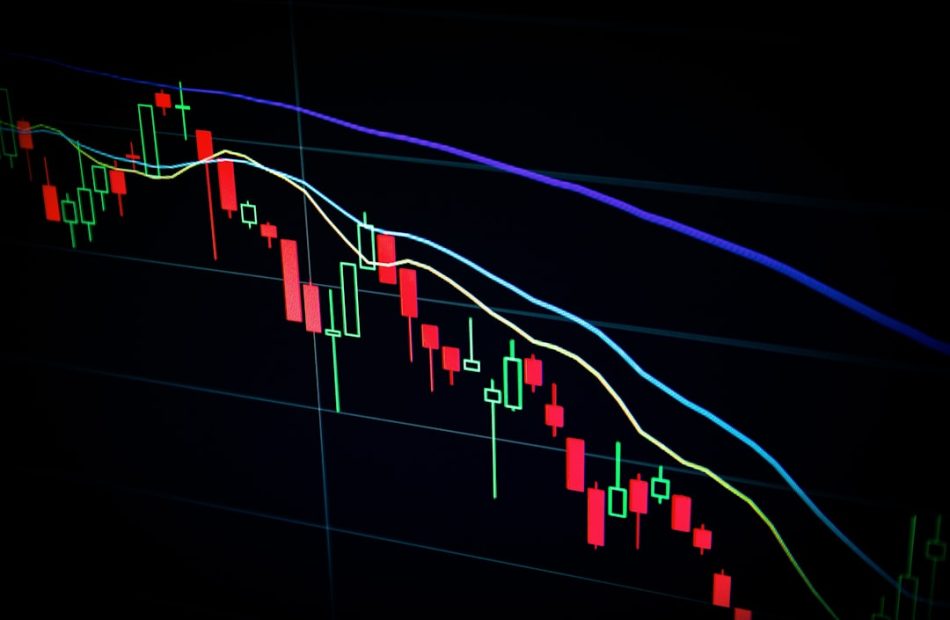
You just took a bad loss. Maybe it was a sudden market dump, a broken support level, or a stop-loss that got triggered by a single candle wick. Your heart is pounding, your screen is glowing, and the only thought racing through your mind is: I need to get that money back right now.
Welcome to the danger zone. This is the birthplace of revenge trading — one of the most destructive psychological traps in crypto trading. It’s the silent portfolio killer that turns disciplined traders into emotional gamblers. But here’s the good news: once you understand the psychology, you can build a mental firewall to protect your capital.
How It Works
Revenge trading is a cycle that usually starts with an unexpected loss. Instead of accepting the loss and stepping away, your ego takes over. You feel a burning need to “get even” with the market. You skip your usual analysis, increase your position size, and enter a trade that has no edge — all driven by anger, frustration, or a bruised ego.
Here’s the typical sequence:
1. Trigger: You lose money (often more than you planned).
2. Emotion: Anger, frustration, or a sense of injustice.
3. Action: You immediately open a new trade, often larger than normal, without a proper setup.

4. Result: The market moves against you again, amplifying the loss.
5. Repeat: The cycle intensifies until your account is severely damaged.
The Setup
The “setup” for revenge trading isn’t a chart pattern — it’s a mental state. You can spot it coming when you notice these warning signs:
- You feel physically tense or angry after a loss.
- You start checking prices obsessively, looking for a quick entry.
- You ignore your trading plan or risk rules.
- You think “I can’t end the day red” or “The market owes me.”
The antidote is awareness. Before you click “Buy” or “Sell” after a loss, pause and ask yourself: Am I trading this setup because it’s valid, or because I’m trying to recover my last loss? If the answer is the latter, close the chart and walk away.
Risk Management
Revenge trading is a risk management failure at its core. Here’s how to protect yourself:
1. Set a Daily Loss Limit: Decide beforehand how much you’re willing to lose in a single day. When you hit that limit, shut down the platform. No exceptions.
2. Use a Pre-Trade Checklist: Before every trade, run through a simple list: Is there a clear setup? Am I following my strategy? Is my position size within my risk parameters?
3. Implement a “Timeout” Rule: After any losing trade, take at least 15–30 minutes away from the screen. Go for a walk, drink water, or do anything that resets your emotional state.
4. Keep a Trading Journal: Write down not just your trades, but your emotions. Over time, you’ll spot patterns that lead to revenge trading and can address them.
Conclusion
Revenge trading is not a strategy — it’s a psychological trap. The market doesn’t care about your feelings, your account balance, or your desire to get even. Every trade should be a standalone decision based on probability and risk, not emotion.
Remember this: One bad trade never ruined a portfolio. But revenge trading can. The moment you feel the urge to “get back at the market,” you’ve already lost control. Step back, breathe, and come back tomorrow with a clear head. That’s how you win in the long run.
How to Secure Your Crypto Wallet: A Step-by-Step Guide
Introduction
In the world of cryptocurrency, security is paramount. With billions of dollars lost to hacks, phishing scams, and user errors each year, knowing how to properly secure your crypto wallet is not just a best practice—it’s a necessity. Whether you’re a beginner or a seasoned trader, this step-by-step guide will walk you through the essential measures to protect your digital assets from theft and loss.
Key Concepts
Private Keys vs. Seed Phrases: Your private key is like the password to your wallet, while your seed phrase (usually 12 or 24 words) is the master key that can restore your entire wallet. Never share either with anyone.
Hot Wallets vs. Cold Wallets: Hot wallets are connected to the internet (e.g., mobile apps, browser extensions) and are convenient but more vulnerable. Cold wallets (hardware devices like Ledger or Trezor) store keys offline and are far more secure for long-term holdings.
Two-Factor Authentication (2FA): Adding a second layer of verification (via authenticator app or hardware key) significantly reduces the risk of unauthorized access.
Pro Tips
- Always write down your seed phrase on paper and store it in a fireproof safe. Never store it digitally or take a screenshot.
- Use a dedicated, secure device for crypto transactions—avoid using public Wi-Fi or shared computers.
- Regularly update your wallet software and enable all available security features.
- Consider using a multi-signature wallet for high-value accounts, requiring multiple approvals for transactions.
FAQ Section
What is the safest type of crypto wallet?
Hardware wallets (cold storage) are widely considered the safest for storing large amounts of crypto because they keep your private keys offline.
Can I recover my wallet if I lose my phone?
Yes, if you have your seed phrase. Simply download the same wallet app on a new device and use the seed phrase to restore access.
Is it safe to use a browser extension wallet?
Browser wallets are convenient but more exposed to online threats. Use them only for small amounts and always enable 2FA and anti-phishing measures.
For more details on this, check out our guide on MiCA Stablecoin Rules Explained: Why Euro Tokens Lag Behind USD Peers.
You might also be interested in reading about The MACD Histogram Strategy: Catch Trend Shifts Before the Crowd.
Conclusion
Securing your crypto wallet doesn’t have to be complicated, but it does require diligence. By following the steps outlined above—using cold storage for long-term holdings, safeguarding your seed phrase, enabling 2FA, and staying vigilant against phishing—you can dramatically reduce your risk of losing your assets. Remember: in crypto, you are your own bank. Take security seriously from day one.