
The Role of Oracles in Real World Assets (Chainlink CCIP)
Real World Assets (RWAs) represent a paradigm shift in finance, bringing tangible and intangible assets—such as real estate, bonds, commodities, and credit—onto blockchain networks. This tokenization enables fractional ownership, 24/7 liquidity, and unprecedented transparency, effectively bridging the gap between Traditional Finance (TradFi) and Decentralized Finance (DeFi). However, a critical challenge remains: how do smart contracts access and verify off-chain data about these assets? This is where oracles, particularly Chainlink CCIP (Cross-Chain Interoperability Protocol), play a pivotal role.
Understanding the Off-Chain vs On-Chain Divide
Real World Assets exist in the physical or legal world—property titles, bond registries, or commodity warehouse receipts. Blockchains, by design, are isolated systems that cannot natively access external data. Oracles serve as the bridge, securely feeding verified off-chain information (e.g., asset prices, interest rates, legal status) onto the blockchain. Without oracles, tokenized RWAs would be blind to real-world events, making them unreliable for lending, trading, or collateralization.
How It Works: The Technical Process
The tokenization of an RWA typically follows a structured workflow:
- Asset Selection & Legal Structuring: An asset (e.g., a commercial real estate property) is placed into a Special Purpose Vehicle (SPV) to isolate legal ownership and ensure regulatory compliance.
- Tokenization: The SPV issues digital tokens representing fractional ownership. These tokens are minted on a blockchain (e.g., Ethereum, Polygon, or Avalanche).
- Oracle Integration (Chainlink CCIP): Chainlink CCIP provides a decentralized network of nodes that fetch, verify, and deliver off-chain data—such as property appraisals, rental income yields, or bond coupon payments—to the smart contract. CCIP also enables cross-chain data and asset transfers, allowing RWA tokens to move seamlessly between different blockchains.
- On-Chain Execution: Smart contracts use the oracle data to automate actions: distributing yields, adjusting collateral ratios, or triggering liquidations if asset values fall below thresholds.
Investment Analysis: Pros, Cons, and Risks
Tokenized RWAs offer compelling advantages but carry distinct risks:
Pros
- Fractional Ownership: Investors can buy small portions of high-value assets (e.g., a $10 million building) with low capital.
- 24/7 Liquidity: Secondary markets enable trading outside traditional exchange hours.
- Transparency: All transactions and asset data are recorded on-chain, reducing opacity.
Cons & Risks
- Regulatory Uncertainty: Jurisdictions vary on how tokenized assets are classified (security vs. commodity). Reports from BlackRock and data from RWA.xyz highlight that regulatory clarity remains the biggest hurdle.
- Smart Contract Risk: Bugs in oracle or token contracts can lead to loss of funds. Chainlink CCIP mitigates this through decentralized verification, but no system is immune.
- Oracle Dependency: If the oracle fails or provides incorrect data (e.g., a stale price feed), the entire RWA protocol can break. Chainlink’s reputation for reliability is strong, but investors should assess the specific oracle design.
For a broader market view, check out our analysis on Mastering Supply and Demand Zones: The Trader’s Guide to High-Probability Entries.
Investors often compare this to The Revenge Trade Trap: How to Stop Letting Losses Control Your Portfolio.
Tool Recommendation
For those looking to trade tokenized RWA tokens or explore altcoin opportunities, KuCoin offers a robust platform with deep liquidity and a wide range of digital assets. Whether you are a seasoned trader or just starting, KuCoin provides smooth trading experiences and advanced tools. Start your journey today: Try KuCoin.
FAQ Section
What is Chainlink CCIP and why is it important for RWAs?
Chainlink CCIP (Cross-Chain Interoperability Protocol) is a decentralized oracle network that enables secure data and asset transfers across different blockchains. For RWAs, CCIP ensures that off-chain asset data (e.g., property values, interest rates) is reliably delivered on-chain, and that tokenized assets can move between chains without fragmentation.
How do oracles prevent fraud in tokenized real estate?
Oracles like Chainlink aggregate data from multiple independent sources (e.g., appraisal firms, government registries, market feeds) and use a decentralized network of nodes to verify it. This makes it extremely difficult for a single party to manipulate the data, ensuring that the tokenized asset’s value reflects its real-world counterpart.
What are the main risks of investing in RWA tokens?
The primary risks include regulatory changes (which could affect token legality), smart contract vulnerabilities (bugs in code), and oracle failure (incorrect or delayed data). Additionally, the underlying real-world asset may suffer from illiquidity or legal disputes. Diversification and due diligence are essential.
Conclusion
Oracles, especially Chainlink CCIP, are the backbone of the Real World Asset ecosystem. They solve the fundamental problem of trust between off-chain reality and on-chain logic, enabling a new wave of financial products that combine the stability of traditional assets with the efficiency of DeFi. While risks remain—particularly around regulation and smart contract security—the trajectory is clear: tokenized RWAs are poised to become a multi-trillion-dollar market. For investors, understanding oracle infrastructure is not optional; it is essential for informed participation.
How to Bridge Assets Across Blockchains Safely: A Step-by-Step Guide
Bridging assets between blockchains is a fundamental skill for any crypto user who wants to move tokens from Ethereum to Solana, BNB Chain to Arbitrum, or any other combination. However, bridge hacks and user errors have led to billions in losses. This guide will walk you through the safest methods, key risks, and best practices to protect your funds.
Key Concepts
- Cross-Chain Bridge: A protocol that locks tokens on one chain and mints equivalent tokens on another chain. Examples include Wormhole, Stargate, and Across.
- Liquidity Pool: A smart contract that holds tokens on both sides of a bridge to facilitate swaps. Users deposit into these pools to earn fees.
- Wrapped Tokens: Tokens minted on a destination chain that represent the original asset (e.g., wETH on Polygon is wrapped Ether from Ethereum).
- Validator/Relayer Network: A set of nodes that verify transactions on the source chain and relay them to the destination chain. Security depends on the decentralization of this network.
- Slashing: A penalty mechanism that destroys a validator’s staked funds if they act maliciously. Bridges with slashing are generally more secure.
Pro Tips
- Always verify the official bridge URL. Phishing sites are common. Bookmark the official bridge from the project’s documentation or official Twitter account.
- Start with a small test transaction. Send a tiny amount first to confirm the bridge works and you have the correct destination address.
- Check the bridge’s TVL and audit history. Bridges with higher total value locked and multiple audits from reputable firms (e.g., Trail of Bits, OpenZeppelin) are safer.
- Understand the finality time. Some bridges take minutes, others hours. Don’t panic if your funds don’t appear immediately.
- Use bridges that support native assets. Avoid wrapped versions of stablecoins if possible, as they introduce additional counterparty risk.
FAQ
What is the safest cross-chain bridge?
There is no single safest bridge, but generally, bridges with strong decentralization, multiple audits, and a proven track record (e.g., Stargate, Across, Wormhole) are considered safer. Always do your own research.
Can I lose my funds if a bridge gets hacked?
Yes. If a bridge’s smart contract is exploited, your funds in the liquidity pool could be drained. This is why it’s critical to use well-audited bridges and not keep large amounts in a bridge for longer than necessary.
How long does a cross-chain transfer take?
It varies. Some bridges (like Across) can finalize in under a minute, while others (like the official Ethereum-Polygon bridge) can take 20-30 minutes. Always check the estimated time before bridging.
Do I need gas on both chains?
Yes. You need the native token of the source chain to pay for the transaction (e.g., ETH on Ethereum) and the native token of the destination chain to pay for gas to claim or use your bridged assets.
Conclusion
Bridging assets across blockchains is an essential skill for navigating the multi-chain world of DeFi, NFTs, and Web3. By understanding the key concepts, following the pro tips, and always starting with a test transaction, you can significantly reduce your risk. Remember: security is a process, not a product. Stay vigilant, use reputable bridges, and never share your private keys.
For more details on this, check out our guide on Strategy’s STRC Preferred Stock Slides as Rival SATA Gains Favor.
You might also be interested in reading about How to Read a Smart Contract Audit Report: A Complete Guide for Crypto Investors.

The Head and Shoulders Pattern: Spotting Trend Reversals Like a Pro
If you’ve ever looked at a price chart and noticed three peaks that look like a silhouette of a head and two shoulders, you’ve encountered one of the most reliable reversal patterns in technical analysis. The Head and Shoulders pattern is a classic signal that a trend is about to change direction—from bullish to bearish (or vice versa). In this guide, we’ll break down how to spot it, how to trade it, and how to manage risk so you can trade with confidence.
How it Works
The Head and Shoulders pattern forms after an uptrend, signaling that buyers are losing momentum. It consists of three peaks: a left shoulder, a higher head, and a right shoulder that is roughly equal to the left. The key line connecting the lows between these peaks is called the “neckline.” When price breaks below the neckline, it confirms the reversal, and traders look to sell or short.
There’s also an inverse version—the Inverse Head and Shoulders—which appears at the bottom of a downtrend and signals a move upward.
Looking for altcoin opportunities and smooth trading? Try KuCoin.
The Setup
To trade the classic Head and Shoulders pattern:
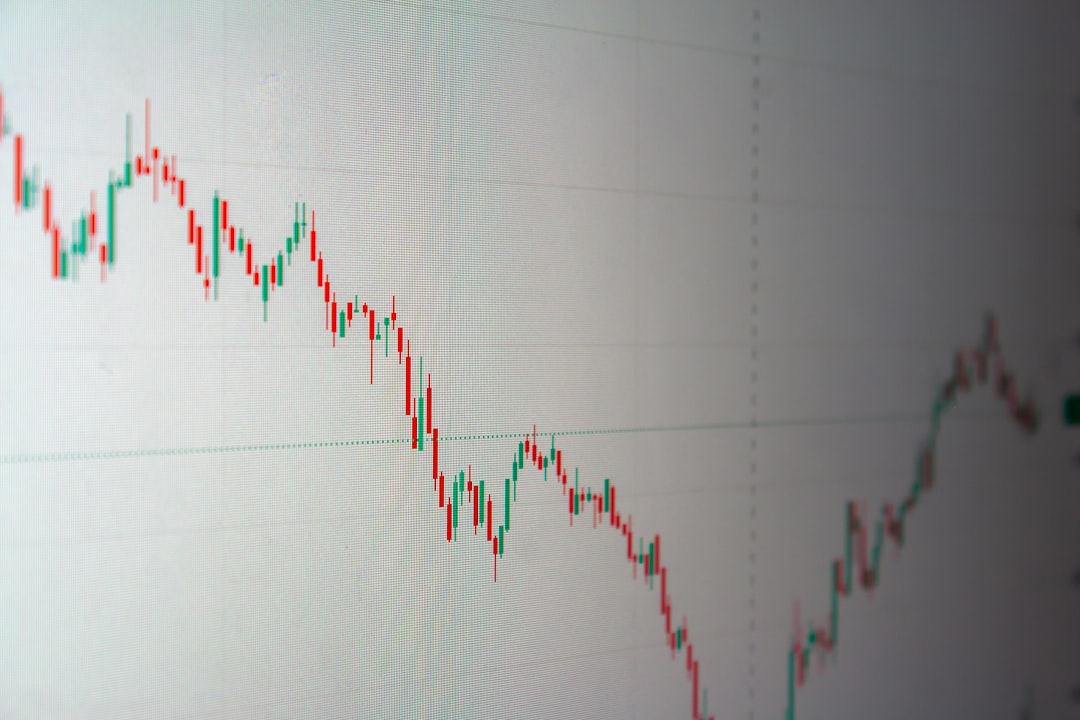
1. Identify the pattern: Look for a left shoulder, a higher head, and a right shoulder that is lower than the head. The volume often decreases on the right shoulder, showing weakening buying pressure.
2. Draw the neckline: Connect the swing lows between the left shoulder and head, and between the head and right shoulder. This line may be flat or slightly sloped.
3. Wait for the breakout: Enter a short trade when price closes decisively below the neckline. A common entry is on the break of the neckline or on a retest of it as resistance.
4. Set a price target: Measure the distance from the head’s peak straight down to the neckline. Project that same distance downward from the breakout point. That’s your target.
For the Inverse Head and Shoulders, simply reverse everything: buy on a break above the neckline, and target the same measured move upward.
Risk Management
No pattern is perfect, so risk management is crucial. Place your stop loss just above the right shoulder (for a short trade) or just below the right shoulder (for a long trade). This limits losses if the pattern fails. Also, watch for false breakouts—price may briefly pierce the neckline and reverse. Wait for a confirmed close (e.g., a daily candle close) before entering. Never risk more than 1-2% of your account on a single trade.
Conclusion
The Head and Shoulders pattern is a powerful tool in any trader’s arsenal. It helps you anticipate trend reversals with a clear, structured plan. Practice spotting it on historical charts, and you’ll soon recognize it in real-time markets. Remember: patience and discipline are your best friends. Happy trading!
Ethereum’s CLARITY Act Explained: What the Senate Vote Means for ETH Price
Did you know that a single bill in the U.S. Senate could determine whether Ethereum is classified as a commodity or a security? That’s exactly what’s happening this week. Representative Bryan Steil, who chairs the House Financial Services Subcommittee on Digital Assets, told FOX Business that the CLARITY Act could reach the Senate floor for a vote. For crypto users, this decision matters because it would establish clear federal rules for Ethereum trading, potentially unlocking institutional investment and affecting ETH’s price. This guide breaks down what the CLARITY Act actually does, why ETH’s price is responding, and what the key price levels mean for beginners. You’ll learn how regulation and market charts connect, without the jargon.
Read time: 8-10 minutes
Understanding the CLARITY Act for Beginners
The CLARITY Act is a proposed U.S. law that would officially classify Ethereum (ETH) as a digital commodity rather than a security. Think of it like the difference between labeling a fruit as “produce” versus “collectible art”—one comes with simpler rules. If Ethereum is a commodity (like gold or wheat), it’s regulated by the Commodity Futures Trading Commission (CFTC), which has lighter requirements. If it’s a security (like a stock), it falls under the SEC’s stricter rules, requiring more disclosures.
Why was this created? The crypto industry has been stuck in a regulatory gray area for years. Without clear rules, companies hesitate to offer Ethereum-related products, and investors worry about sudden enforcement actions. The bill aims to solve this by providing legal certainty. A real-world example: if CLARITY passes, Ethereum-based ETFs could become simpler to offer, similar to how Bitcoin ETFs now trade on traditional stock exchanges.
The Technical Details: How Regulatory Bills Actually Affect Prices
Understanding how a bill can move a cryptocurrency’s price requires following a few key steps:
1. Congressional Introduction: A bill is drafted by a lawmaker (Steil) and introduced to a committee. This is where we are now with the House Financial Services Committee.
2. Committee Markup & Vote: The committee debates, amends, and votes on the bill. If approved, it goes to the full House or Senate.
3. Full Chamber Vote: Both the House and Senate must pass identical versions. Polymarket traders currently give this a 39% chance of happening by 2026.
4. Presidential Signature: The president signs it into law, making it enforceable.
Why this structure matters for prices: Each step creates market expectations. When a bill advances, traders anticipate clearer rules, which encourages institutional buying. When it stalls (like now due to disputes over ethics rules and stablecoin yields), uncertainty returns, and prices may fall.
Current Market Context: Why This Matters Now
As of July 18, 2026, Ethereum is trading at $1,845, up 1.8% on the news of a potential Senate vote. This price action is supported by two key factors:
First, institutional demand is growing. Spot Ethereum ETFs recorded $105 million in weekly inflows between July 13 and July 17, their highest since April. This shows that major investors are positioning for regulatory clarity.
Second, Ethereum’s DeFi ecosystem is expanding. Total value locked (TVL) in decentralized finance protocols has grown from $36 billion at the start of July to approximately $40.5 billion now. The network processed $978.9 million in decentralized exchange volume and 2.46 million transactions in just 24 hours.
These metrics suggest that ETH’s current price isn’t just speculation—it’s backed by real network usage and institutional interest.
Competitive Landscape: How Ethereum Compares Under Different Regulations
How would Ethereum’s regulatory status compare to other major cryptocurrencies under the CLARITY Act?
| Feature | Ethereum (ETH) | Bitcoin (BTC) | Solana (SOL) |
|---|---|---|---|
| Current Classification | Unclear (SEC vs CFTC dispute) | Commodity (established) | Unclear (likely security under SEC) |
| Under CLARITY Act | Commodity | Commodity (unchanged) | Still unclear (not covered) |
| Main Regulator | CFTC (if passed) | CFTC | SEC (likely) |
| ETF Approval Likelihood | Higher (easier path) | Already approved | Lower (security concerns) |
| Key Advantage | Legal certainty for trading | Already established | Smart contract potential |
Why this matters for users: If CLARITY passes, Ethereum gains a regulatory advantage over other smart contract platforms like Solana. This could attract more developers, more investment, and potentially higher prices relative to competitors.
Practical Applications: Real-World Use Cases
Why should the average crypto user care about a Senate vote?
- Informed Trading Decisions: Knowing that the $1,830–$1,850 support zone is critical helps you set smarter stop-losses and entry points.
- Regulatory Risk Management: If the bill fails, ETH may drop. If it passes, bullish momentum could follow. Understanding this helps you prepare.
- Portfolio Diversification: If Ethereum becomes a regulated commodity, it may become a more stable long-term holding compared to unregulated tokens.
- Tax Planning: Clearer rules mean fewer surprises around how gains are taxed (though this is not tax advice).
- DeFi Participation: Higher institutional interest could lead to more liquidity and better yields in DeFi protocols.
Risk Analysis: Expert Perspective
Primary Risks:
1. Regulatory Delay: The bill’s supporters haven’t resolved disputes over ethics rules and stablecoin yields. Polymarket’s odds of passage by 2026 sit at just 39%.
2. Technical Breakdown: If ETH loses the $1,830 support level, analyst Ted Pillows warns it could trigger long liquidations down to $1,810. A close below $1,780 would weaken the recovery.
3. Geopolitical Risk: The escalating U.S.-Iran situation could disrupt risk assets like crypto, potentially breaking the $1,820–$1,850 support zone.
Mitigation Strategies:
- Watch Key Levels: Daily close above $1,854 is bullish for a move toward $1,947. Break below $1,830 is bearish.
- Monitor Inflows: Sustained ETF inflows above $100 million weekly suggest institutional confidence.
- Diversify: Don’t bet everything on one outcome. Spread risk across different assets.
Expert Consensus: Analyst Michaël van de Poppe sees $2,000+ as “incredibly likely” if $1,780 support holds. The MACD and RSI indicators show bullish momentum is slowing but hasn’t reversed.
Beginner’s Corner: Quick Start Guide to Monitoring This Situation
If you want to track how the CLARITY Act and ETH price interact, here’s a simple approach:
Step 1: Set Price Alerts
Set alerts at $1,830 (critical support) and $1,854 (key resistance). Use apps like CoinGecko or TradingView.
Step 2: Follow the Bill’s Progress
Check Polymarket for updated odds on the CLARITY Act passing. A jump above 50% would be bullish.
Step 3: Watch ETF Flows
Weekly inflows above $100 million suggest institutional confidence. Track on SoSoValue.
Step 4: Monitor DeFi TVL
Ethereum’s total value locked (DeFiLlama) above $40 billion supports the bull case.
Common Mistakes to Avoid:
- Don’t over-leverage based on a single bill’s probability
- Don’t ignore geopolitical risks that could override crypto-specific news
- Don’t confuse “39% chance of passage by 2026” with “current market confidence”
Future Outlook: What’s Next
If the CLARITY Act passes, Ethereum could see:
1. Immediate Price Rally: Move toward $1,947 resistance, then $2,180 measured target from the double-bottom pattern.
2. Institutional Onboarding: More ETFs and custody services, driving sustained demand.
3. DeFi Growth: Clearer rules could attract traditional finance to Ethereum’s DeFi ecosystem.
If the bill stalls or fails:
1. Support Retest: $1,830 could break, exposing $1,780 and potentially $1,729.
2. Extended Uncertainty: Prices may trade sideways until the next regulatory catalyst.
3. Altcoin Pressure: Ethereum’s uncertainty could drag down other crypto assets.
Key Takeaways
- The CLARITY Act would classify Ethereum as a digital commodity, providing legal clarity that could boost institutional investment and ETH price.
- ETH must hold above $1,830 to maintain its bullish structure; a close above $1,854 targets $1,947 and potentially $2,180.
- Institutional interest is rising, with ETF inflows hitting $105 million weekly and DeFi TVL growing to $40.5 billion.
- Regulatory and geopolitical risks remain, making it essential to watch support levels and Polymarket odds closely.
,
“datePublished”: “2026-07-18T18:00:40.365-04:00”,
“dateModified”: “2026-07-18T18:00:40.365-04:00”,
“mainEntity”: {
“@type”: “Thing”,
“name”: “Ethereum CLARITY Act”
}
}
Stablecoin Yield Strategies: Low Risk Farming Guide for 2026
Stablecoin yield farming has become one of the most popular ways to earn passive income in crypto without exposing yourself to the wild price swings of Bitcoin or Ethereum. But not all yield strategies are created equal. In this comprehensive guide, we break down the safest, most reliable approaches to earning yield on your stablecoins — from lending protocols to liquidity pools — while minimizing risk.
Key Concepts
1. Lending Protocols (Aave, Compound, Morpho)
The simplest low-risk strategy. Deposit USDC, USDT, or DAI into a lending market and earn variable APY from borrowers. Rates typically range from 2% to 8% depending on demand. These platforms are battle-tested and audited, making them a go-to for conservative farmers.
2. Concentrated Liquidity Pools (Uniswap V3, Curve)
By providing liquidity within a tight price range for stablecoin pairs (e.g., USDC/USDT), you can earn higher fees than traditional automated market makers. However, you must monitor your position to avoid impermanent loss. Curve Finance is especially popular for its low-slippage stablecoin pools and CRV token rewards.
3. Yield Aggregators (Yearn Finance, Beefy)
These platforms automatically move your stablecoins between the highest-yielding strategies. They handle compounding, rebalancing, and gas optimization. While you pay a small performance fee, the convenience and automated risk management make this ideal for passive investors.
4. Real-World Asset (RWA) Protocols (MakerDAO, Ondo Finance)
A newer category where stablecoins are backed by Treasury bills or other real-world assets. These offer yields tied to traditional interest rates (currently 4-6%) with minimal crypto-native risk. MakerDAO’s DAI Savings Rate (DSR) is a prime example.
Pro Tips
- Diversify across at least three protocols to mitigate smart contract risk. If one gets hacked, you don’t lose everything.
- Always check the ‘total value locked’ (TVL) of a protocol before depositing. Higher TVL generally means more trust and liquidity.
- Use a hardware wallet for large positions. Ledger and Trezor support most DeFi apps via WalletConnect.
- Watch out for ‘yield traps’ — if a pool offers >20% APY on stablecoins, it’s likely unsustainable or carries hidden risks like token inflation.
- Rebalance monthly to capture the best rates. Yield changes quickly as demand shifts.
FAQ
What is the safest stablecoin yield strategy?
Lending on Aave or using MakerDAO’s DSR are widely considered the safest, as they rely on overcollateralized loans and have undergone multiple audits. Always prioritize protocols with insurance coverage (e.g., Nexus Mutual).
Can I lose money in stablecoin farming?
Yes. Risks include smart contract bugs, stablecoin de-pegging (e.g., UST collapse), and impermanent loss in liquidity pools. Stick to blue-chip stablecoins (USDC, USDT, DAI) and audited protocols to minimize these risks.
How much yield can I realistically expect?
In 2026, safe yields range from 3% to 10% APY. Anything above 15% usually involves higher risk, such as new protocols or leveraged strategies. For more details on this, check out our guide on The Bollinger Band Squeeze: How to Catch Explosive Breakouts Before They Happen.
Do I need to pay taxes on stablecoin yield?
Yes. In most jurisdictions, yield earned from DeFi is considered taxable income. Keep detailed records of your deposits, withdrawals, and rewards. You might also be interested in reading about Cross-Chain Bridge Hacks Explained: Why $328M Was Lost in May 2026.
Conclusion
Stablecoin yield farming offers a compelling way to earn passive income in crypto without taking on extreme volatility. By sticking to established protocols, diversifying your deposits, and staying informed about emerging risks, you can build a low-risk portfolio that generates consistent returns. Start small, test your strategy, and scale up as you gain confidence. The key is patience and discipline — the best farmers aren’t the ones chasing the highest APY, but the ones who protect their capital first.

The 1% Rule: Your First Step to Surviving and Thriving in Crypto Trading
Let’s be honest for a second. When you first start trading crypto, it’s easy to get caught up in the thrill of a 100x moonshot. You see a green candle and think, “If I just go all in on this one, I can turn $100 into $10,000 overnight.” But here’s the hard truth that separates the pros from the gamblers: survival comes first. And the single most powerful tool for survival is the 1% Rule.
This isn’t a fancy indicator or a secret signal. It’s a simple, non-negotiable position sizing rule that will protect your account from blowing up. Let’s break it down.
How It Works
The 1% Rule states that you should never risk more than 1% of your total trading capital on a single trade. This is the maximum amount you are willing to lose if the trade goes completely against you (hits your stop loss).
Looking for altcoin opportunities and smooth trading? Try KuCoin.
Example: If you have a $1,000 trading account, your maximum risk per trade is $10 (1% of $1,000). If you have a $10,000 account, your max risk is $100.
Notice that this isn’t about how much you invest in the trade. It’s about how much you are willing to lose. This is a critical distinction.
The Setup
To apply the 1% Rule, you need three things before you click “buy”:
1. Your Total Account Balance (e.g., $5,000)
2. Your Entry Price (where you buy)
3. Your Stop Loss Price (where you exit if the trade is wrong)
Step 1: Calculate your risk per unit.
Risk per unit = Entry Price – Stop Loss Price (for longs).
Step 2: Calculate your position size.
Position Size = (Account Balance × 1%) / Risk per unit
Let’s make it concrete. Suppose you have a $5,000 account. You want to buy Bitcoin at $30,000 and place a stop loss at $29,500. Your risk per unit is $500.
Maximum risk = $5,000 × 0.01 = $50.
Position size = $50 / $500 = 0.1 BTC.
So you would buy 0.1 BTC, not 1 BTC. This ensures that if you are wrong, you only lose $50, not $500.
Risk Management
The 1% Rule is the foundation of all good risk management. Here’s why it works:
- It prevents emotional revenge trading. When you lose only 1%, it hurts, but it doesn’t cripple you. You can easily come back tomorrow.
- It keeps you in the game. A losing streak of 10 trades in a row (which happens!) will only draw down your account by about 9.5%. Without the rule, one bad trade could wipe you out.
- It forces you to think in terms of probabilities. You stop looking for “guaranteed wins” and start looking for small edges you can exploit repeatedly.
Pro Tip: Never increase your risk to “make back” a loss. That’s called revenge trading, and it’s the fastest way to blow up your account. Stick to the 1% Rule, and let time and consistency work for you.
Conclusion
The 1% Rule might feel boring. It won’t make you a millionaire overnight. But it will make you a trader who is still around next month, next year, and next cycle. In crypto, where volatility is king, the traders who survive are the ones who manage risk first and chase profits second.
Start today. Calculate your 1%. Size your next trade accordingly. Your future self will thank you.
Trade smart. Stay disciplined.
BlackRock BUIDL: Institutional Crypto Entry via Tokenized Assets
BlackRock’s BUIDL fund marks a watershed moment for Real World Assets (RWAs) in crypto. By tokenizing traditional financial instruments like U.S. Treasury bills on a blockchain, BlackRock bridges the gap between TradFi and DeFi, offering institutional-grade yields with 24/7 liquidity. This guide explains how BUIDL works, its investment implications, and why it signals a new era for tokenized assets.
What Are Real World Assets (RWAs) and How Does BUIDL Fit?
RWAs are tangible or intangible assets—such as real estate, bonds, commodities, or credit—that are represented as digital tokens on a blockchain. The key difference between off-chain and on-chain assets is that tokenization enables fractional ownership, instant settlement, and transparent record-keeping. BlackRock’s BUIDL fund tokenizes short-term U.S. government securities, allowing qualified investors to hold a digital representation of a money market fund. This creates a seamless bridge between traditional finance and decentralized finance (DeFi), where BUIDL tokens can be used as collateral or traded on secondary markets.
How BUIDL Works: The Technical Process
The tokenization process for BUIDL follows a structured framework:
- Asset Selection: BlackRock chooses low-risk, liquid assets like U.S. Treasury bills.
- Special Purpose Vehicle (SPV): A legal entity is created to hold the underlying assets, isolating them from BlackRock’s balance sheet.
- Tokenization: The SPV issues digital tokens (e.g., BUIDL) on a blockchain (Ethereum), each representing a proportional claim on the underlying assets.
- Oracle Integration: Price oracles feed real-time asset values to the blockchain, ensuring token prices reflect the underlying portfolio.
- On-Chain Distribution: Investors purchase tokens through authorized platforms, gaining exposure to the asset class with 24/7 trading and transparency.
This process ensures that BUIDL tokens maintain a stable value (typically $1 per token) while accruing yield from the underlying Treasuries.
Investment Analysis: Pros, Cons, and Risks
BUIDL offers several advantages for institutional and accredited investors:
- Pros: Low-risk yield from government securities; 24/7 liquidity; fractional ownership; transparency via blockchain; potential use as collateral in DeFi.
- Cons: Limited to qualified investors; regulatory uncertainty in some jurisdictions; reliance on smart contract security.
- Risks: Smart contract bugs or hacks could compromise token integrity; regulatory changes may affect token classification; oracle failures could misprice assets; market liquidity may dry up during stress.
For a broader market view, check out our analysis on How to Secure Your Crypto Wallet: A Step-by-Step Guide. Investors often compare this to Stablecoin Yield Strategies: Low Risk Farming – The Ultimate Guide.
Tool Recommendation: Track BUIDL with Bitget
To monitor BUIDL’s performance and spot trends in tokenized assets, use a reliable exchange with advanced charting tools. For the best charting tools to spot this pattern, try Bitget. Bitget offers real-time data, technical indicators, and a user-friendly interface for tracking RWA tokens like BUIDL. Start using Bitget today.
Frequently Asked Questions
What is BlackRock BUIDL?
BlackRock BUIDL is a tokenized money market fund that invests in short-term U.S. Treasury bills. It allows qualified investors to hold a digital token representing a share of the fund, offering 24/7 liquidity and transparency on the Ethereum blockchain.
How does BUIDL generate yield?
BUIDL generates yield from the underlying U.S. Treasury bills held in the fund. The yield is distributed to token holders periodically, typically in the form of additional tokens or stablecoins, reflecting the interest earned on the Treasuries.
What are the risks of investing in BUIDL?
Key risks include smart contract vulnerabilities, regulatory changes affecting tokenized securities, oracle mispricing, and potential liquidity issues during market stress. However, the underlying assets are low-risk U.S. government securities.
Conclusion: A New Era for Institutional Crypto
BlackRock’s BUIDL fund represents a paradigm shift, proving that institutional capital can enter crypto through tokenized real-world assets. By combining the safety of Treasuries with blockchain efficiency, BUIDL offers a low-risk entry point for investors seeking yield and liquidity. As regulation matures and infrastructure improves, tokenized assets like BUIDL will likely become a cornerstone of modern portfolios. For those ready to participate, platforms like Bitget provide the tools to track and trade these innovations.
What is Impermanent Loss? Liquidity Providing Explained
Impermanent loss is one of the most misunderstood risks in decentralized finance (DeFi). If you provide liquidity to automated market maker (AMM) pools like Uniswap, PancakeSwap, or SushiSwap, your deposited assets can lose value relative to simply holding them. This guide breaks down what impermanent loss is, how it works, and how to minimize it.
Key Concepts
What is Impermanent Loss? Impermanent loss occurs when the price ratio of tokens in a liquidity pool changes after you deposit them. The larger the price change, the greater the loss. It’s called “impermanent” because if the prices return to the original ratio, the loss disappears. However, if you withdraw while prices are different, the loss becomes permanent.
How Liquidity Pools Work AMMs use a constant product formula: x * y = k. When you provide liquidity, you deposit two tokens in equal value. Traders swap between them, changing the ratio. You earn fees from these trades, but the changing ratio can cause impermanent loss.
Example of Impermanent Loss Suppose you deposit 1 ETH and 100 USDC (both worth $100) into a pool. If ETH doubles to $200, arbitrageurs will buy your ETH until the pool rebalances. When you withdraw, you might have 0.7 ETH and 140 USDC (worth $280) — but if you had just held, you’d have $300. That $20 difference is impermanent loss.
Pro Tips
- Choose stablecoin pairs: Pools like USDC/USDT have minimal price divergence, so impermanent loss is near zero.
- Look for high fee pools: Pools with higher trading fees can offset impermanent loss over time.
- Monitor volatility: Avoid providing liquidity to highly volatile token pairs unless fees are very high.
- Use single-sided liquidity platforms: Some protocols (like Bancor or Tokemak) reduce or eliminate impermanent loss.
💡 Pro Tip
Looking for altcoin opportunities and smooth trading? Try KuCoin.
FAQ Section
Q: Is impermanent loss guaranteed?
A: No. If token prices return to their original ratio when you withdraw, there is no loss. But in practice, most volatile pairs experience some permanent loss.
Q: Can impermanent loss be negative?
A: Yes. If fees earned exceed the loss, your net position can be positive. This is why high-volume pools are attractive.
Q: How do I calculate impermanent loss?
A: Use online calculators like the one at dailydefi.org or apy.vision. The formula is: Loss = 2 * sqrt(price_ratio) / (1 + price_ratio) – 1.
Q: Does impermanent loss apply to all DeFi?
A: It applies to AMM-based liquidity pools. Lending platforms (like Aave) or order book DEXs (like dYdX) do not have impermanent loss.
Conclusion
Impermanent loss is a real risk for liquidity providers, but it can be managed with careful pair selection, high fee pools, and understanding market volatility. Always calculate potential loss before depositing and consider whether trading fees will compensate you. For more details on this, check out our guide on DePIN Explained: Earning Passive Income with Infrastructure. You might also be interested in reading about RWA Tokenization: How Real Assets Transform Investing.

The Base Chain Rotation Playbook: How to Surf the Next Wave of L2 Altcoins
If you’ve been watching crypto markets lately, you’ve probably noticed something: Ethereum’s Layer 2s are stealing the spotlight. And among them, Base Chain – Coinbase’s brainchild – is growing faster than a DeFi summer meme. But here’s the thing most traders miss: it’s not just about buying the biggest token on Base. The real edge comes from understanding ecosystem rotations – the predictable flow of capital from one sector to another within a single chain.
Think of it like a beach. The first wave (DeFi) breaks, then the second (NFTs), then the third (gaming). If you know how to read the tide, you can catch each wave before it crashes. Let’s dive into the strategy.
How It Works
Ecosystem rotations happen when liquidity moves from one category of projects to another on the same blockchain. On Base, this usually follows a pattern:
Looking for altcoin opportunities and smooth trading? Try KuCoin.
1. Infrastructure first – DEXs, lending protocols, and bridges get the initial hype and TVL.
2. DeFi yield farms – Capital flows into high-APY pools and liquid staking tokens.
3. NFTs & memes – Speculative energy shifts toward collectibles and community tokens.
4. Gaming & social – Late-cycle plays where user engagement matters more than TVL.
Why does this happen? Because early adopters take profits from the first movers and redeploy into newer, riskier assets with higher potential upside. It’s a capital rotation, and you can anticipate it.
The Setup
Here’s a simple 3-step framework to spot and trade Base Chain rotations:
Step 1: Track the “Money Flow” Metrics
Watch these on-chain signals daily:
- Total Value Locked (TVL) on Base (DeFiLlama)
- Daily active addresses (Dune Analytics)
- Volume on top DEXs like Aerodrome or Uniswap
When TVL plateaus but active addresses keep climbing, capital is about to rotate out of DeFi into other sectors.
Step 2: Identify the Next Sector
Once you see the signal, look for:
- New projects launching in a different category (e.g., a gaming testnet going live)
- Social buzz around a specific niche (check Twitter and Discord)
- Whales moving funds from established DeFi tokens into smaller caps
Step 3: Enter Early, Scale In
Don’t go all-in at once. Buy a small position when you spot the rotation beginning. Add to it if the trend confirms (rising volume, price breaking resistance). Take partial profits when the sector peaks in hype.
Risk Management
Rotations are powerful, but they can reverse fast. Here’s how to stay safe:
- Position size: Never risk more than 2-5% of your portfolio on a single rotation trade.
- Stop-losses: Set a stop at 10-15% below entry. If the rotation fizzles, cut losses quickly.
- Take profits in stages: Sell 25% at 2x, another 25% at 3x, and let the rest ride with a trailing stop.
- Avoid FOMO: If a sector has already pumped 100%+ in a week, you’re likely late. Wait for the next rotation.
Also, remember that Base is still early. Some projects will rug or fail. Stick to tokens with verified contracts, locked liquidity, and active teams.
Conclusion
Ecosystem rotations are one of the most repeatable patterns in crypto – and Base Chain is the perfect playground right now. By tracking on-chain metrics, anticipating sector shifts, and managing risk like a pro, you can surf these waves without getting wiped out.
Start small. Observe the flow. And when you see the tide turning, paddle hard. The next rotation is always just around the corner.
Cold Storage vs Hot Wallets: Which Should You Choose?
Introduction
When it comes to securing your cryptocurrency, one of the most fundamental decisions you’ll make is choosing between cold storage and hot wallets. Both serve the same purpose—keeping your digital assets safe—but they operate in vastly different ways. Cold storage refers to offline wallets that are not connected to the internet, offering maximum security against online threats. Hot wallets, on the other hand, are connected to the internet, providing convenience and quick access for trading and transactions. In this guide, we’ll break down the key differences, pros and cons, and help you decide which option is best for your needs.
Key Concepts
Cold Storage: Cold storage includes hardware wallets (like Ledger or Trezor), paper wallets, and even offline software wallets. Because they are never connected to the internet, they are immune to hacking, phishing, and malware attacks. However, they are less convenient for frequent transactions and require careful backup of seed phrases.
Hot Wallets: Hot wallets are software-based wallets that run on internet-connected devices—desktop apps, mobile apps, or web-based platforms (like MetaMask or Trust Wallet). They offer instant access and are ideal for active trading, but they are more vulnerable to cyber threats.
Key Differences: Security vs. convenience. Cold storage is best for long-term holding (HODLing), while hot wallets are suited for daily use and trading. Many users adopt a hybrid approach: keep most funds in cold storage and a small amount in a hot wallet for spending.
Pro Tips
- Never store large amounts in hot wallets: Only keep what you need for immediate transactions.
- Use a hardware wallet for cold storage: It’s the most user-friendly and secure option for beginners.
- Always write down your seed phrase offline: Never store it digitally or in the cloud.
- Enable two-factor authentication (2FA) on all hot wallet accounts and exchanges.
- Consider a multi-signature wallet for added security on both cold and hot setups.
FAQ Section
Q: Can I use both cold storage and hot wallets together?
A: Absolutely. This is called a hybrid strategy. Use a hot wallet for daily transactions and a cold wallet for long-term savings.
Q: Are hardware wallets 100% safe?
A: No wallet is 100% safe, but hardware wallets are among the most secure options. Risks include physical loss, damage, or social engineering attacks.
Q: What happens if I lose my cold storage device?
A: If you have your seed phrase backed up, you can recover your funds on a new device. Without it, your crypto is lost forever.
Q: Which hot wallet is best for beginners?
A: MetaMask is widely recommended for Ethereum and EVM-compatible chains, while Trust Wallet supports multiple blockchains.
Conclusion
Choosing between cold storage and hot wallets ultimately depends on your individual needs. If you’re a long-term investor who values security above all, cold storage is the way to go. If you’re an active trader who needs quick access, a hot wallet is more practical. For most users, a balanced approach—using both—offers the best of both worlds. For more details on this, check out our guide on The MACD Histogram Strategy: How to Catch Momentum Shifts Early. You might also be interested in reading about BlackRock BUIDL: Institutional Crypto Entry via Tokenized Assets.